Preparation is not the same as direction
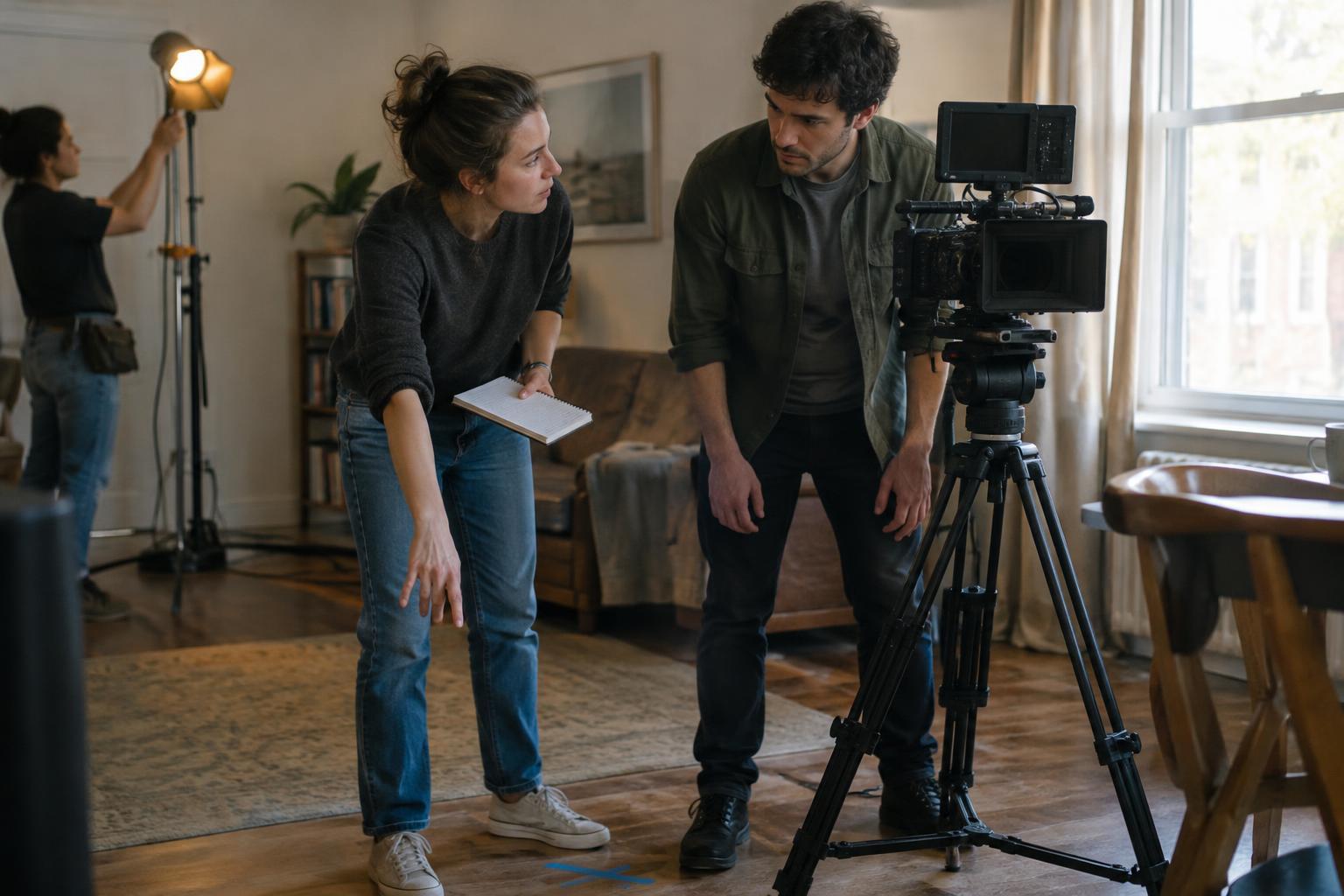
A first-time director may arrive with a detailed shot list, a clear picture of the finished film and notes on every line of dialogue. That work is valuable, but directing begins when other people need to turn those ideas into choices they can make. The actor needs something playable. The cinematographer needs to understand what a shot must reveal. The editor will need enough material to carry the scene from one moment to the next.
The most useful preparation identifies a scene’s purpose without prescribing every second of its execution. Before a shoot, ask what changes between the beginning and end of each scene, whose point of view guides the audience, and which moment must land for the next scene to make sense. Those answers provide a test for decisions made under pressure. If a planned detail falls away, the scene can still work.
Mistake one: giving notes that name a result, not an action
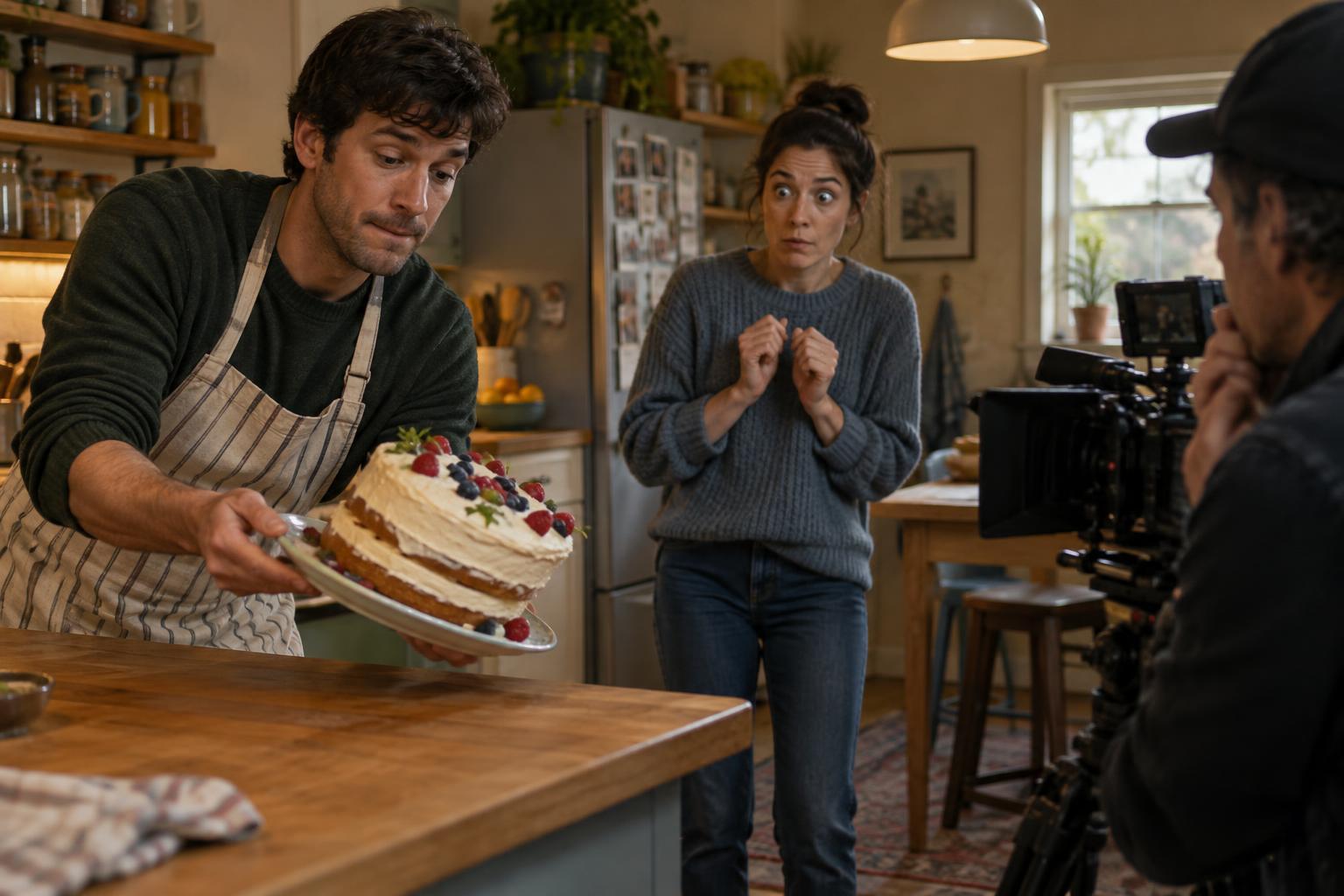
“Make it more emotional” tells an actor what the audience should feel, but not what the character is doing. “Play it bigger” may produce more volume without bringing the scene any closer to its purpose. Such notes can be especially confusing when the director has a precise performance in mind but has not shared the reasoning behind it.
Try describing an intention or a shift instead. A character might be trying to get an apology, hide a suspicion or keep someone from leaving. A note such as “Ask the question as if you already know the answer” gives the actor an action to test. It also leaves room for interpretation; directing is not the same as dictating every expression.
When a take feels wrong, diagnose the specific issue before offering another instruction. Is the character’s aim unclear? Is a pause losing its tension? Does a line contradict the action around it? Give one useful adjustment at a time and allow the next take to show what changed. If the problem lies in blocking, framing or the writing, asking the actor to solve it through performance alone is unlikely to help.
Mistake two: treating the plan as a promise
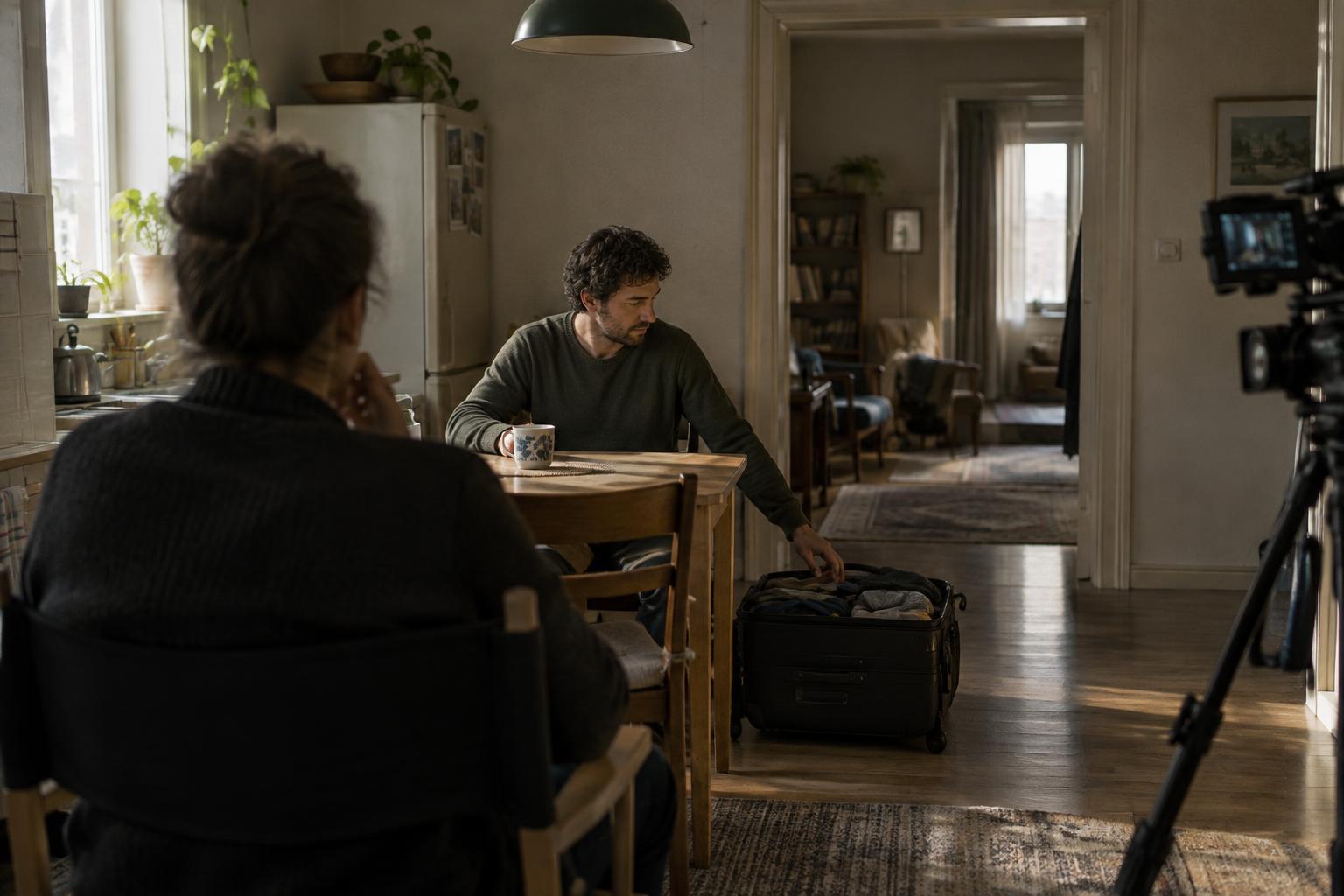
Storyboards and shot lists help a crew anticipate equipment, movement and coverage. They become a problem when completing them matters more than observing the scene. A location may offer a better line of sight than expected. An actor’s movement may create a stronger reveal. A complicated camera move may take time from the close-up that carries the scene’s turning point.
Instead of treating every setup as essential, sort shots by function. Which image establishes information the audience cannot otherwise get? Which angle makes a decision legible? Which pieces provide a way into or out of the scene in the edit? This does not mean collecting coverage without purpose. It means knowing what each planned shot contributes, so you can revise the method while keeping its contribution.
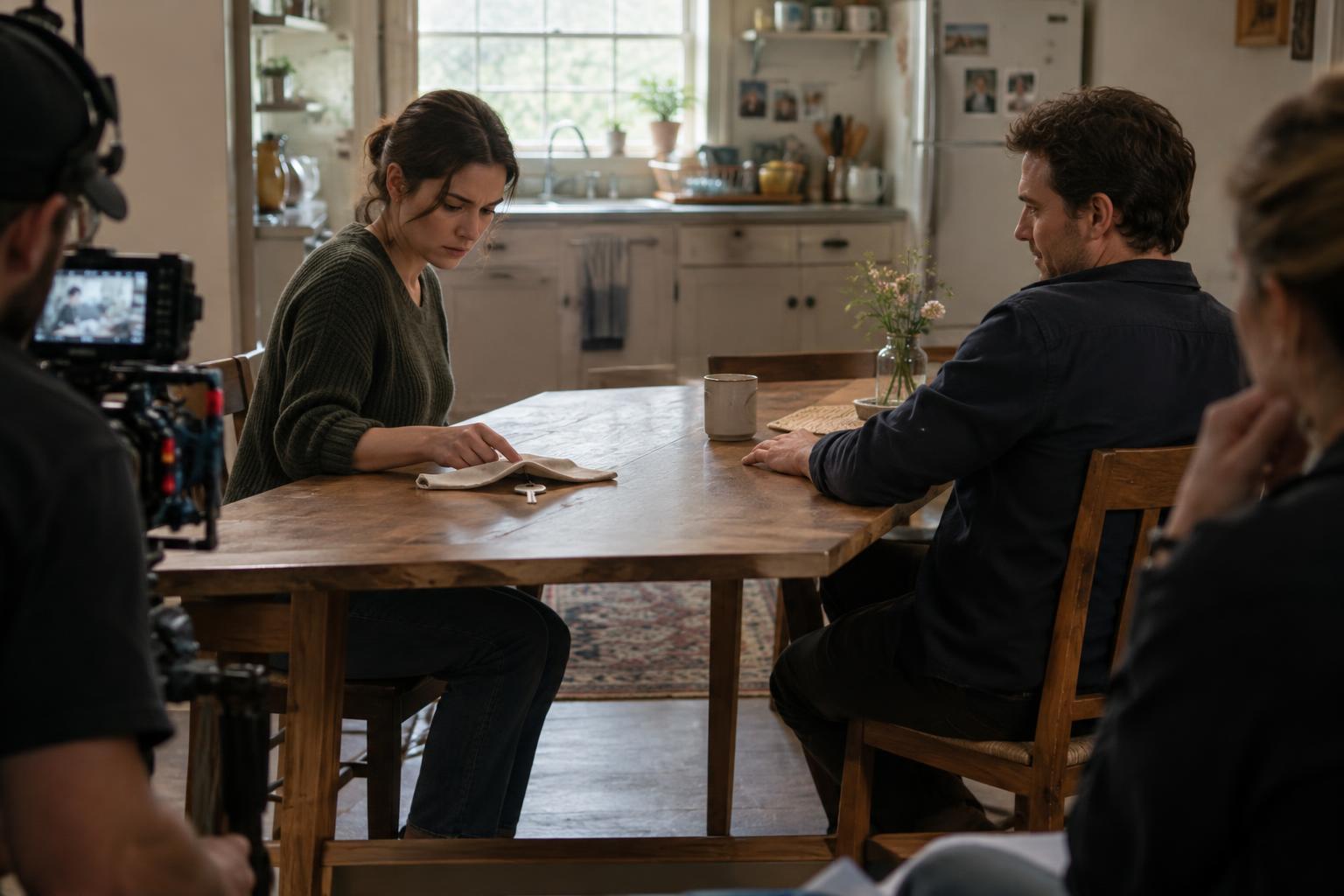
A short rehearsal can expose gaps before the crew commits to a setup. Watch where attention naturally goes, then compare that with the intended point of view. If they differ, decide whether the performance, blocking or camera position should change. Adaptation is not a failure of preparation; it is preparation doing its job.
Mistake three: spending time on what looks impressive instead of what matters
On a busy set, visible problems can claim attention quickly: a background object looks awkward, a camera move could be smoother, or one take has a small imperfection. Meanwhile, the scene’s decisive beat may still be unclear. First-time directors can lose time polishing a detail that the audience barely needs while rushing the moment that explains a character’s choice.
Establish priorities before filming. For each scene, name its indispensable story beat, the performance change that supports it and the images or sounds needed to communicate it. Then distinguish those needs from preferences. If time narrows, protect the turning point and the material that connects it to the surrounding scenes. A simple shot that clearly captures a decision may serve the film better than an elaborate shot that leaves the decision ambiguous.
Check priorities again after the first usable take, not just at the start of the day. Ask whether the scene communicates the intended change and whether an editor could build a coherent sequence from what has been captured. That question keeps attention on the film rather than the satisfaction of finishing a list.
Make the next decision easier
These mistakes share a cause: holding the whole film in your head without translating it into clear choices for the people making it. A practical directing habit is to state the dramatic purpose, invite what collaborators can see from their positions, and choose the next step accordingly. The goal is not to surrender your point of view. It is to make that point of view usable.
When something is not working, pause long enough to identify whether the obstacle is the actor’s intention, the staging, the camera’s perspective or the scene itself. Then change the smallest thing likely to address it. Clear notes, flexible plans and explicit priorities will not remove uncertainty from a shoot, but they make it easier to respond without losing the story.