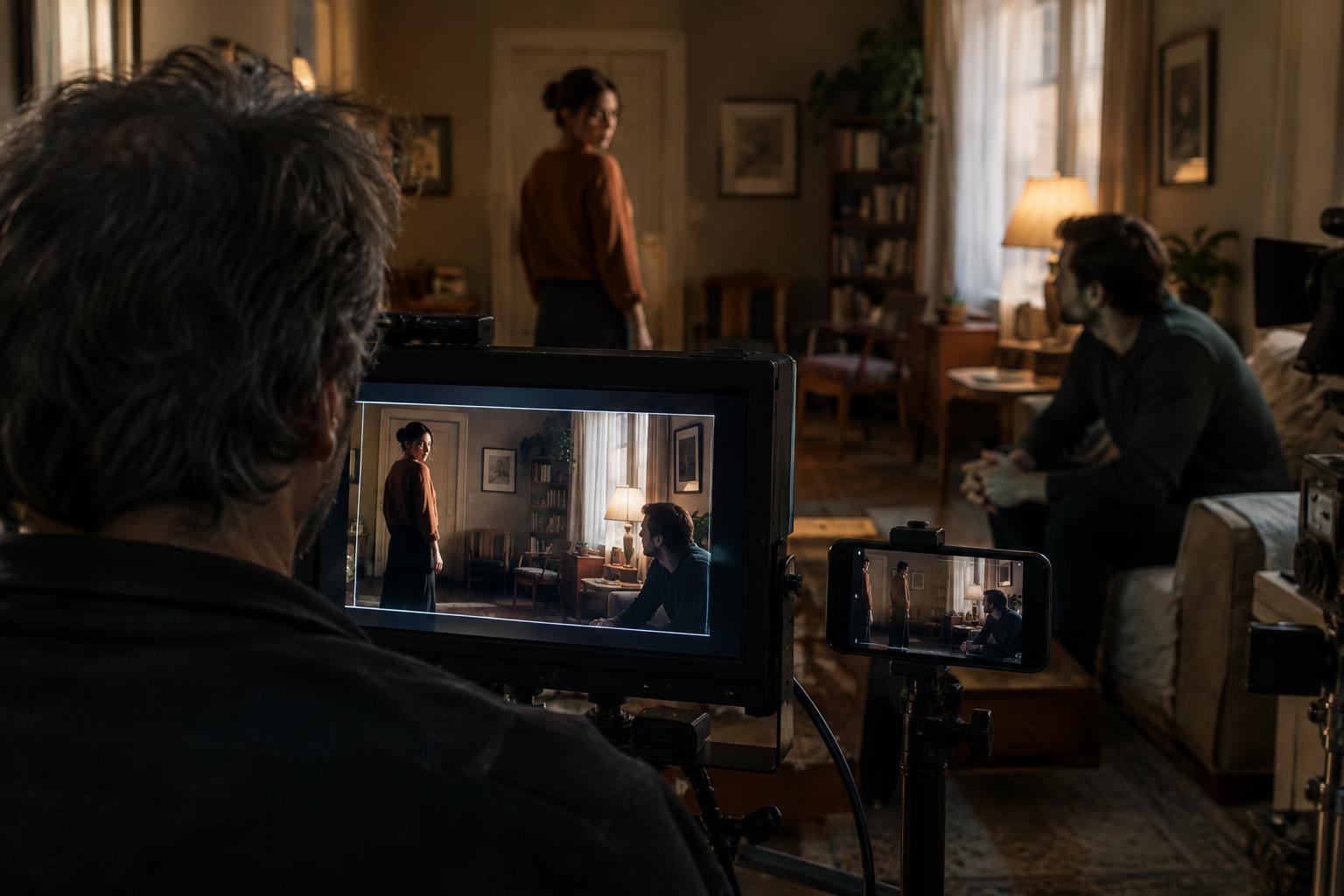
Directing and StorytellingA scene may be watched in a cinema, on a television or on a phone. Directors cannot control every viewing condition, but they can make the scene’s essential action legible while preserving visual subtlety.
Read article · 4 min↗
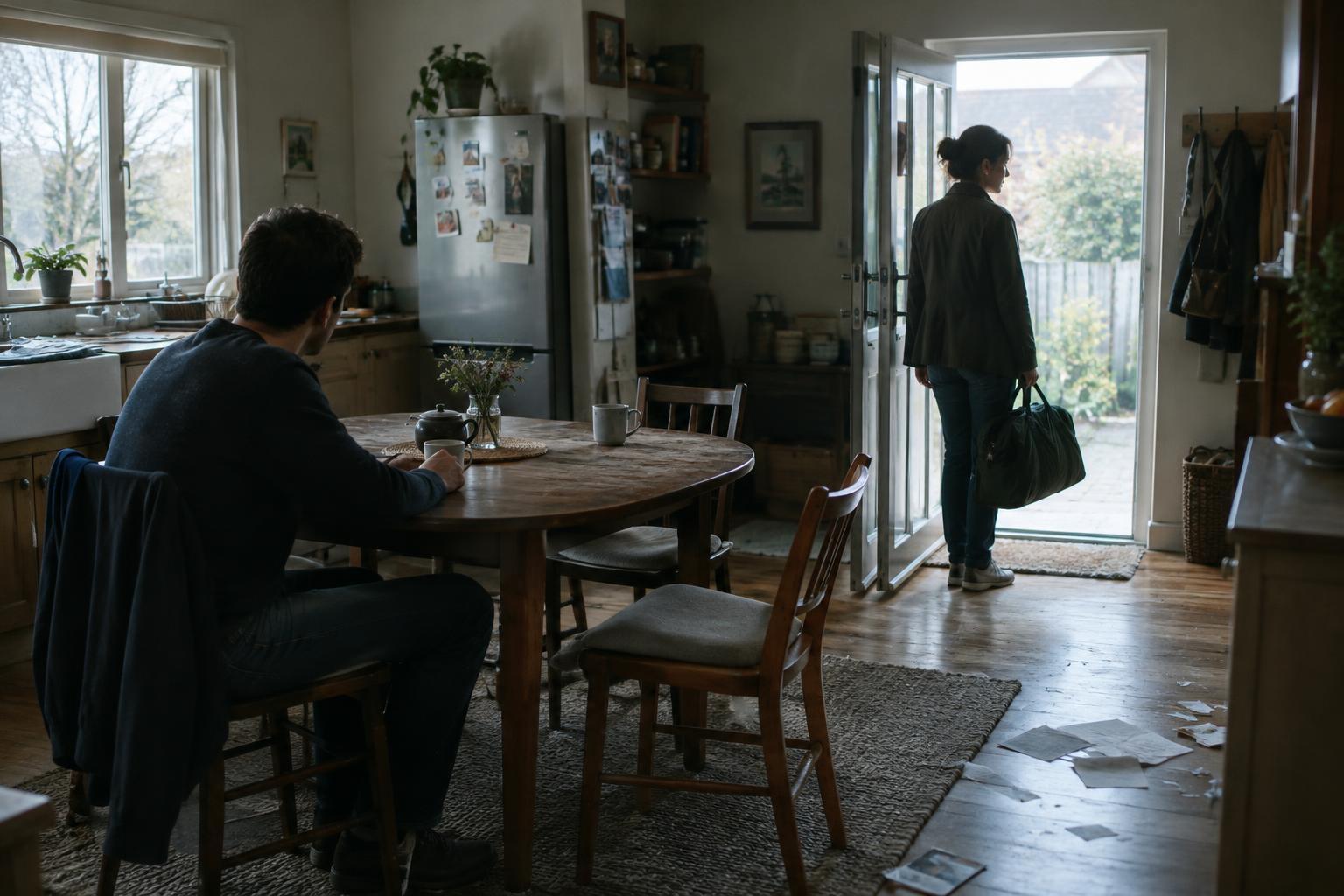
Directing and StorytellingAn aftermath scene does more than let characters catch their breath. Learn how to direct the first moments after a major event so that changed behavior, strained relationships and new choices become visible.
Read article · 4 min↗

Directing and StorytellingFirst-time directors often prepare hard and still struggle on set. The problem is not always a lack of ideas: unclear notes, rigid plans and misplaced attention can keep those ideas from reaching the screen. Here are practical ways to give direction, adapt a shot plan and protect the story when time is limited.
Read article · 4 min↗


Directing and StorytellingA scene reversal changes what a character believes, wants, or can do. Learn how to prepare that shift through clear intentions, visible evidence, performance, staging, and a carefully chosen reaction.
Read article · 4 min↗

Directing and StorytellingA convincing character arc does not require a revelation in every scene. Learn how to establish a starting pattern, vary the pressures on a character, and let small choices prepare the audience for meaningful change.
Read article · 4 min↗

Directing and StorytellingA character’s first scene does not need to explain their history. It can show how they act under pressure, what they notice, and how they treat other people. Here are practical ways to direct an introduction that gives viewers something to understand now and something to wonder about later.
Read article · 4 min↗
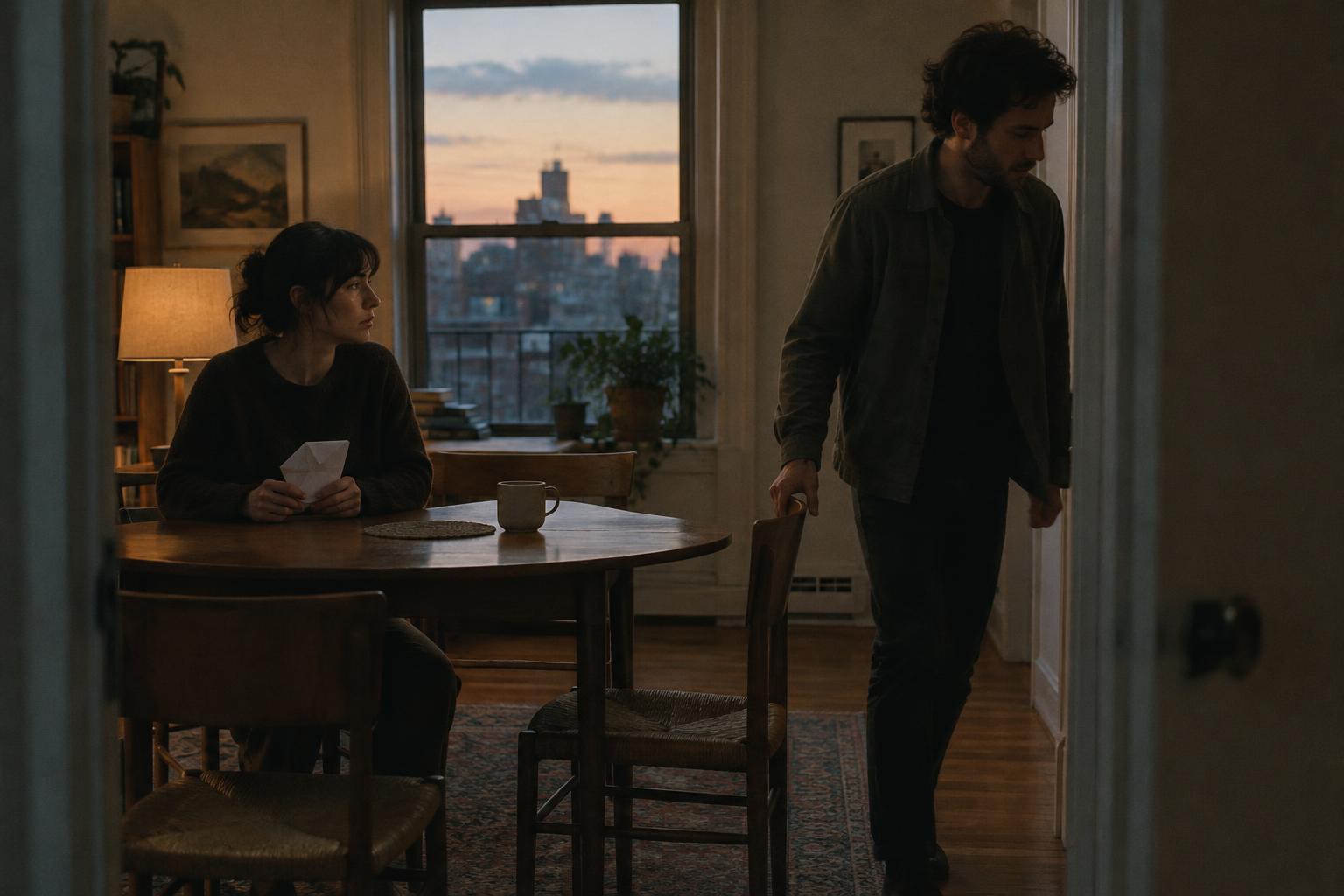
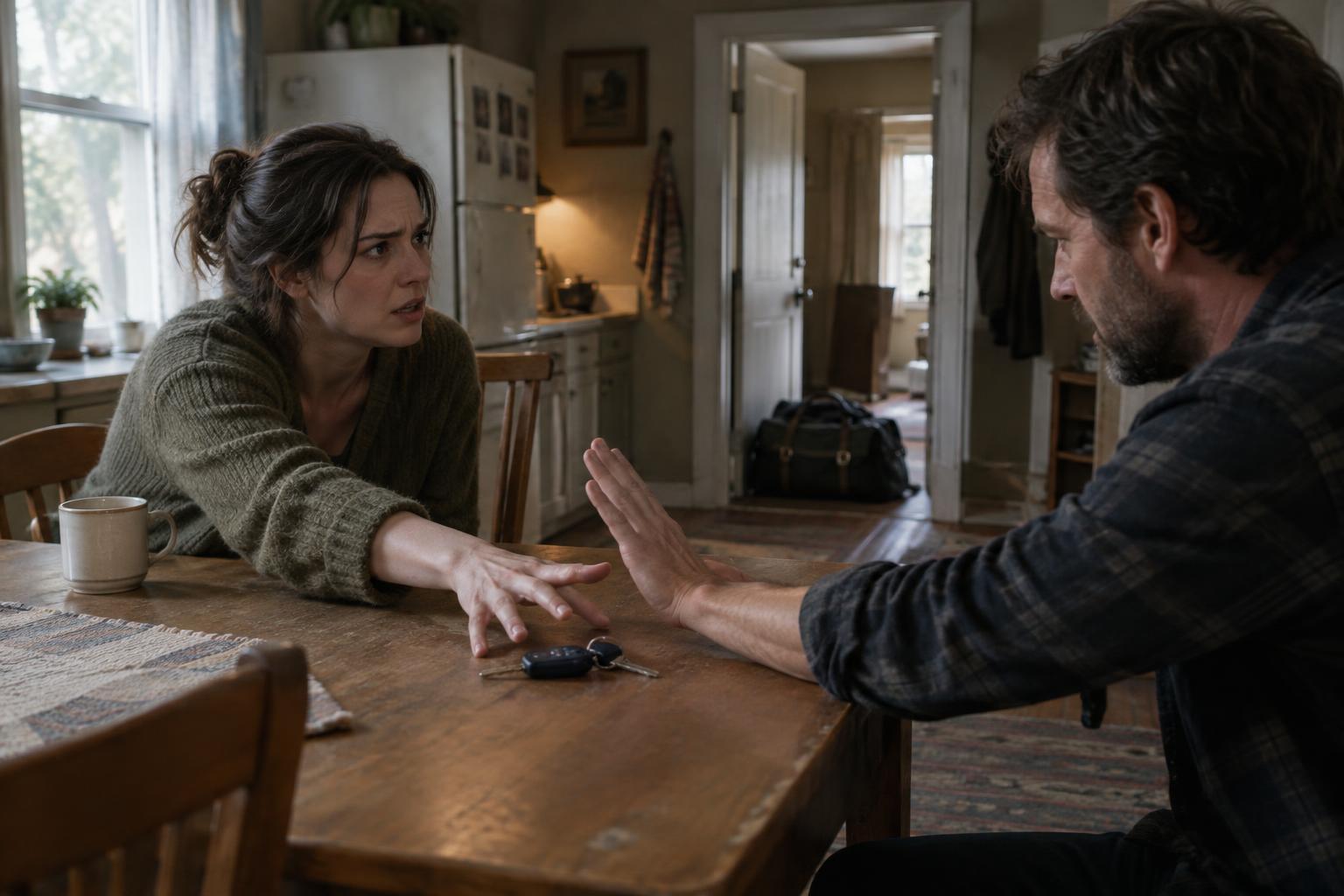
Directing and StorytellingExposition can feel like a pause in the story when characters explain what they already know. A director can make necessary information more engaging by tying it to a disagreement, a decision, or a task that cannot wait.
Read article · 4 min↗

Directing and StorytellingA scene’s tone emerges from more than its lighting or dialogue. Explore how an actor’s behavior, the shape of the action and the details of a setting can give viewers a shared sense of what a story feels like.
Read article · 4 min↗

Directing and StorytellingDramatic irony turns a gap in knowledge into tension. Explore how filmmakers use framing, sound, editing, and character choices to give viewers information that changes the meaning of a scene.
Read article · 4 min↗
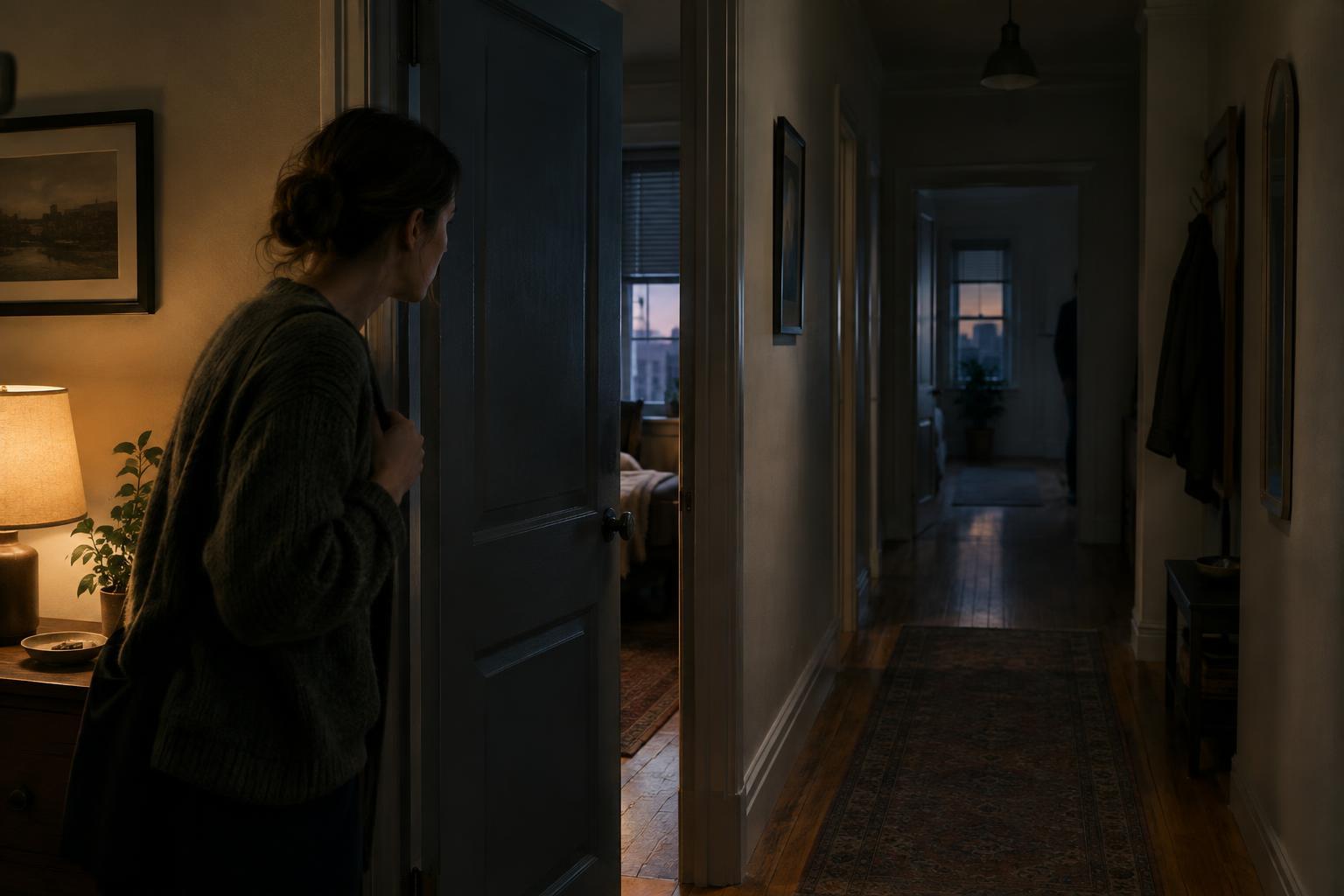
Directing and StorytellingSuspense and surprise depend on different relationships between audience knowledge and character knowledge. Learn how framing, blocking, sound and editing can shape each effect without confusing viewers or relying on arbitrary twists.
Read article · 4 min↗

Directing and StorytellingA performer can be convincing in a solo audition and still be the wrong fit for a particular pair or ensemble. Casting for relationships means looking at how actors affect one another: who listens, who changes tactics, and what the audience can understand before anyone explains it.
Read article · 4 min↗
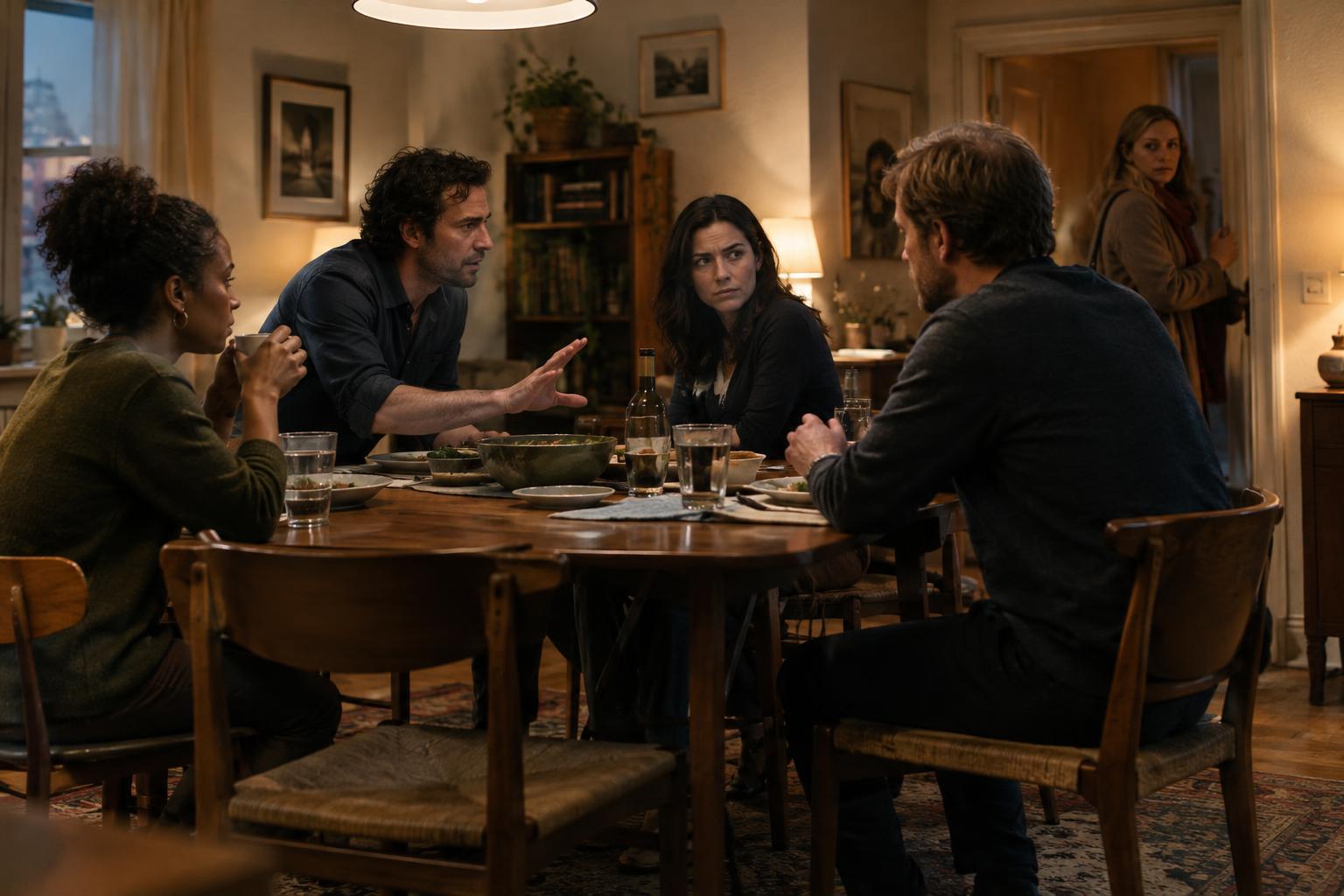
Directing and StorytellingAn ensemble scene works when every character has a relationship to what is happening, even if only one person is speaking. Explore how objectives, blocking, camera placement, rehearsal and editing can keep a group scene clear and alive.
Read article · 4 min↗

Directing and StorytellingA silent scene still needs action, conflict and change. Learn how directors can work with actors, blocking, camera distance and sound to make a character’s unspoken choices clear without explaining every feeling.
Read article · 4 min↗
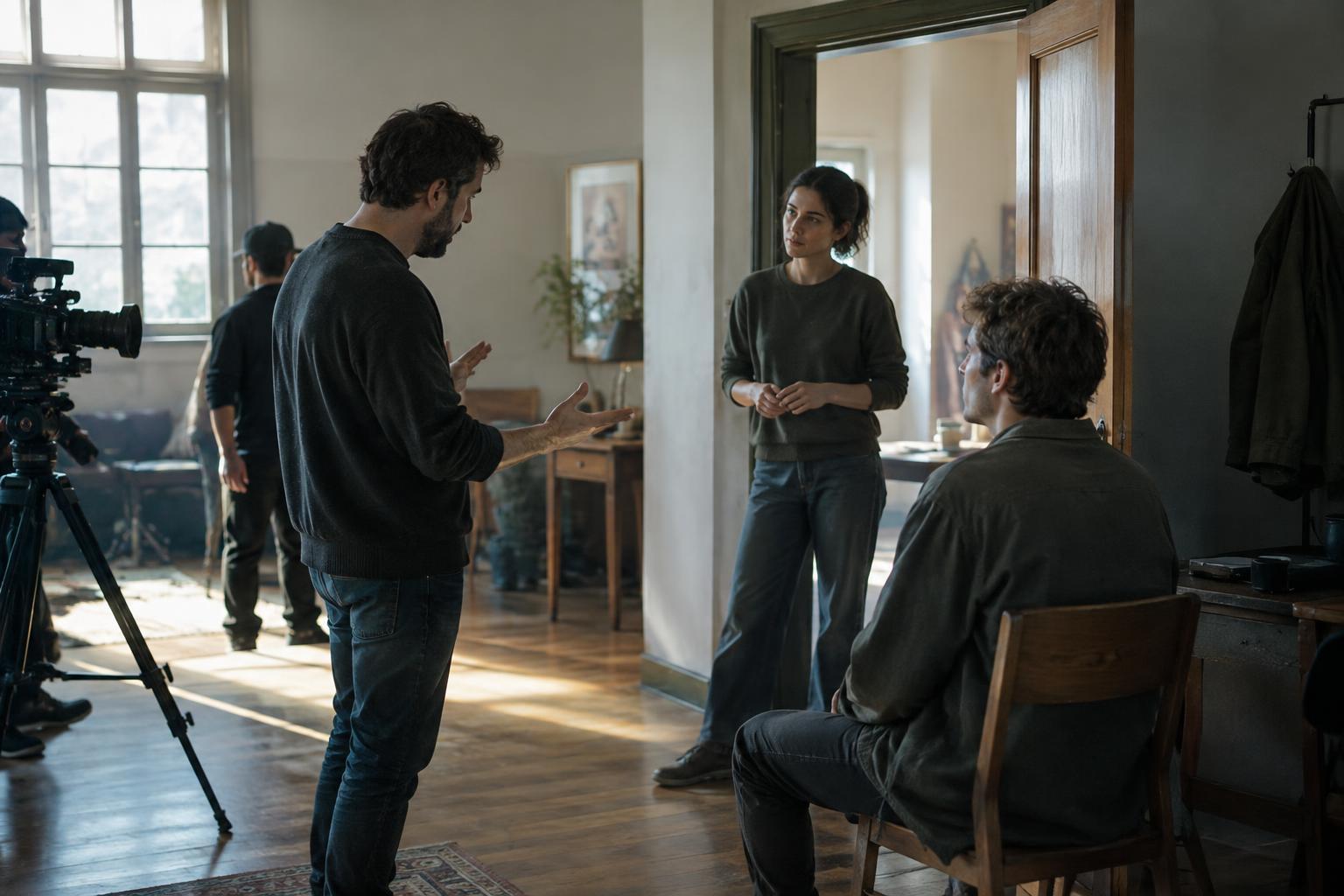
Directing and StorytellingFilm rehearsal is more than a chance to memorize lines. It helps a director and cast test intentions, discover movement, and decide which moments need space on screen. Here are practical ways to rehearse without making a scene feel fixed.
Read article · 4 min↗

Directing and StorytellingTelling an actor to “be angry” describes a result, but it may not offer a way to reach it. Playable direction gives an actor something to do within the scene. Here is how directors can turn emotional intentions into actions, obstacles and relationships without prescribing a performance.
Read article · 4 min↗
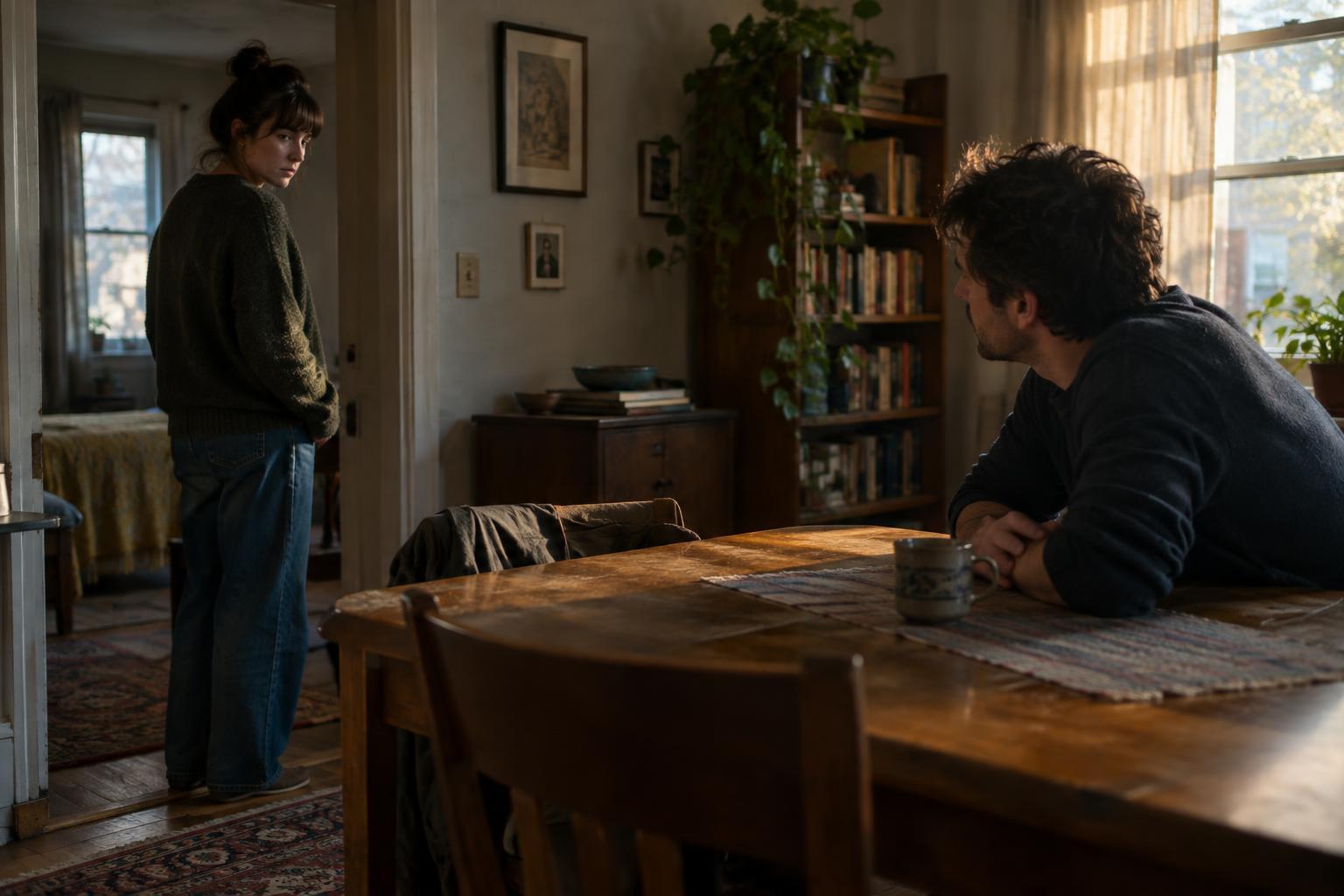
Directing and StorytellingBlocking becomes more expressive when movement follows what characters want, fear, and refuse to say. Learn how to turn distance, obstacles, and changes of position into visible storytelling choices.
Read article · 4 min↗
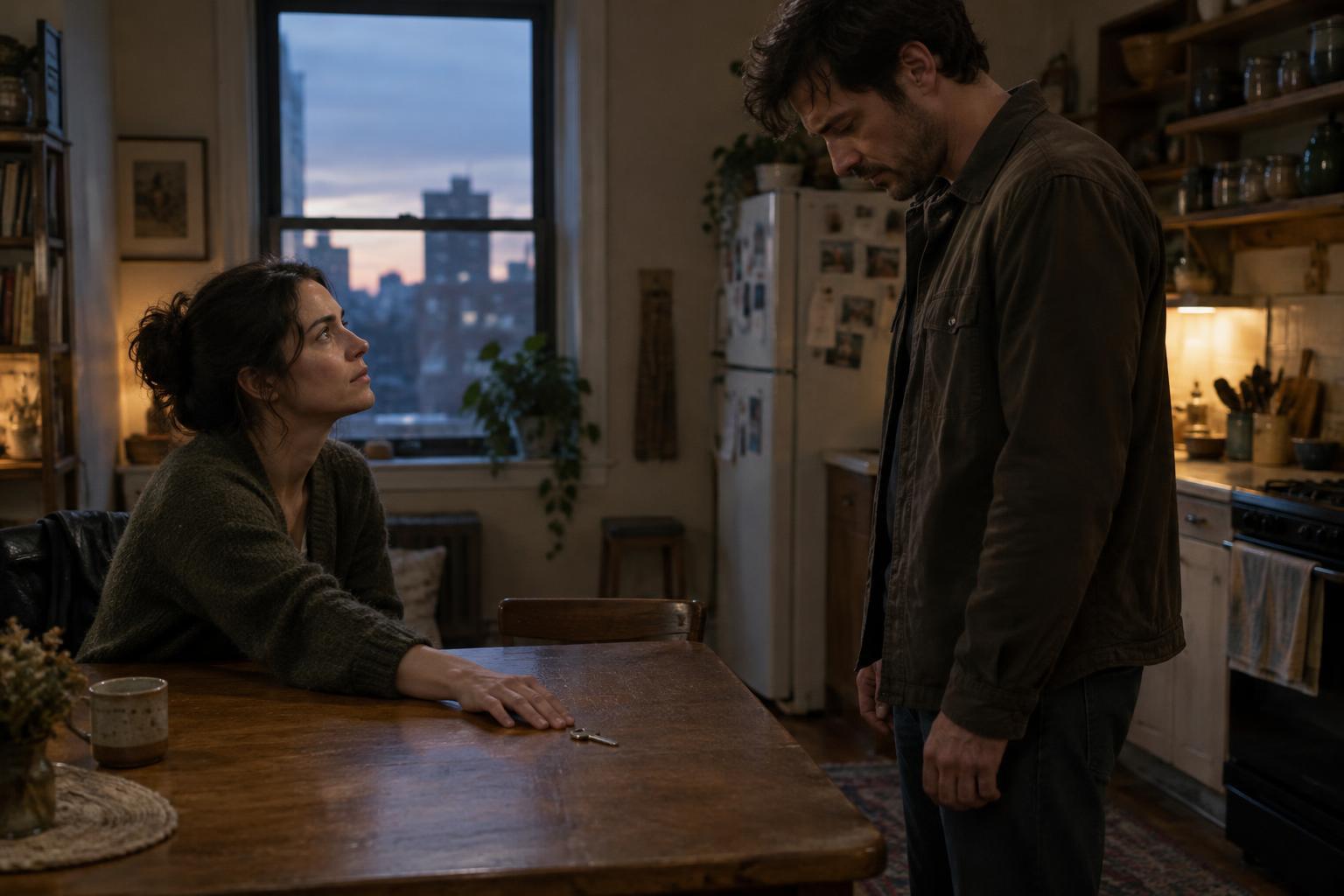
Directing and StorytellingA scene becomes more compelling when something changes within it. Learn how to identify beats, locate the turning point, and use performance, blocking, and camera choices to make a shift in power or emotion visible.
Read article · 4 min↗
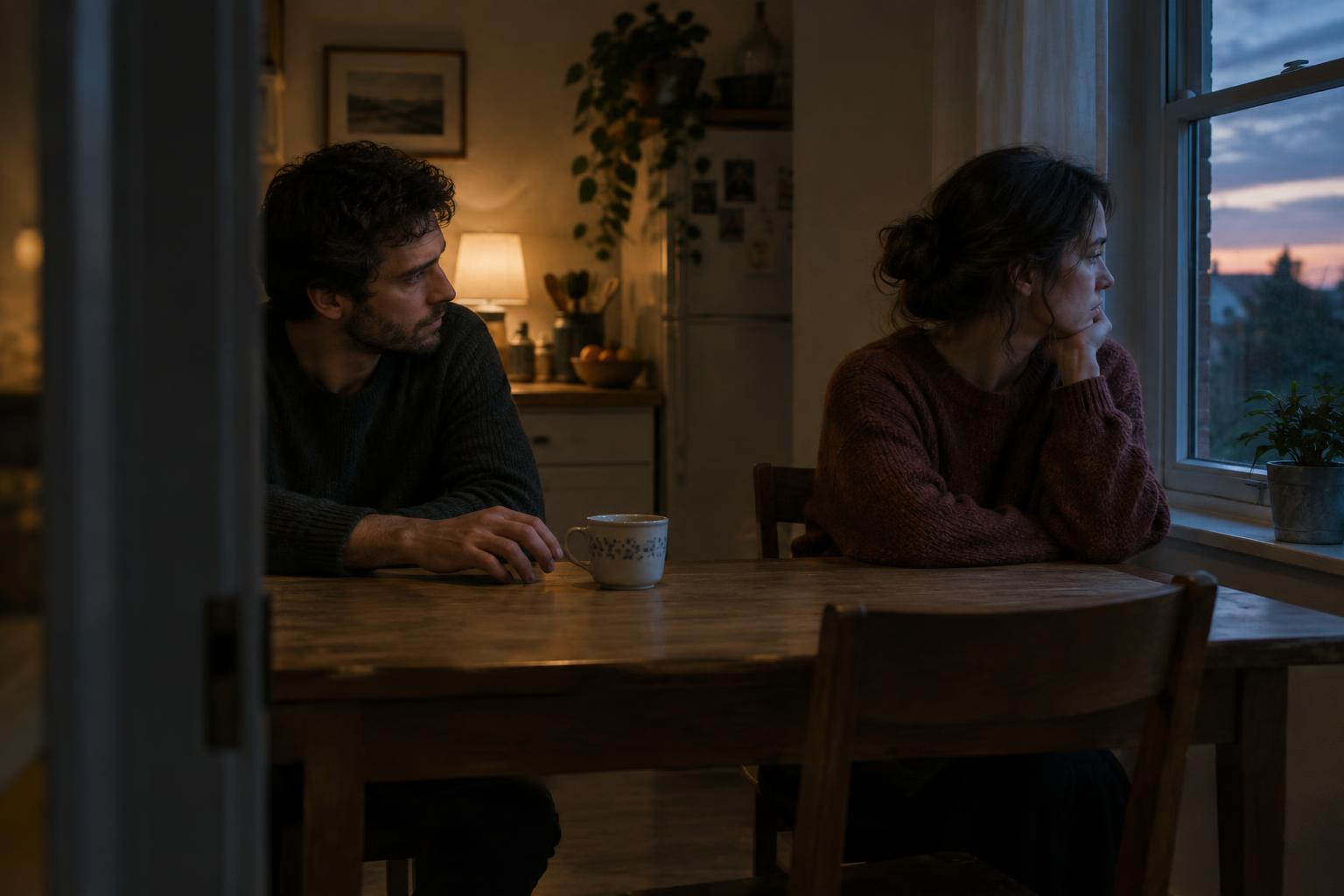
Directing and StorytellingSubtext gives a scene two tracks: the conversation characters are willing to have and the feeling they are trying to conceal. Learn how objectives, blocking, props, framing and performance can make that hidden track visible without spelling it out.
Read article · 4 min↗
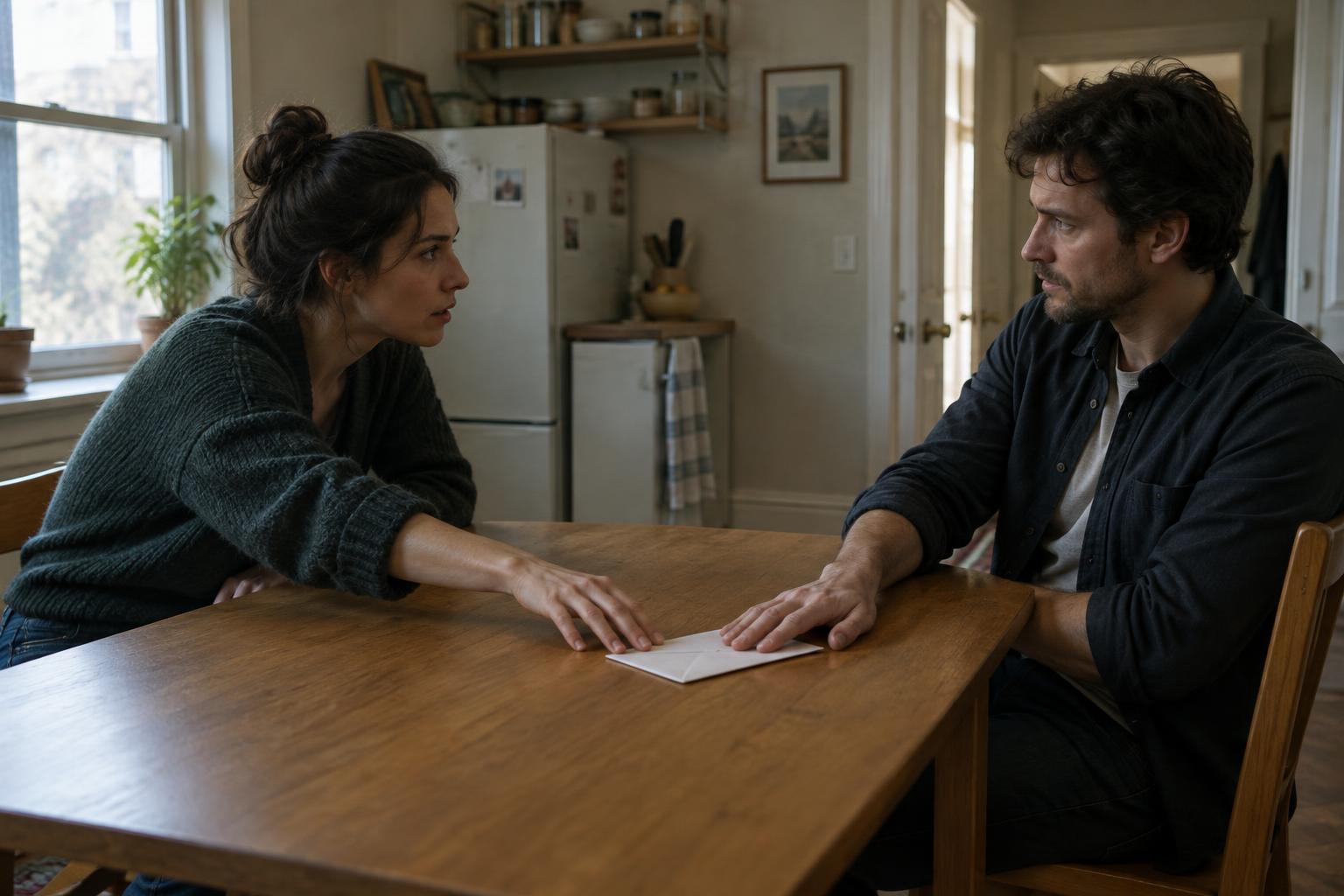
Directing and StorytellingA scene becomes easier to write, direct and perform when each character wants something specific and encounters resistance. Learn how objectives, obstacles and changing tactics turn dialogue into action.
Read article · 4 min↗

Directing and StorytellingBefore planning shots or locations, a director needs to understand what each scene changes. This practical first-pass breakdown helps identify a scene’s purpose, the conflict that drives it, and the choices that can make it visible on screen.
Read article · 4 min↗