
Camera LanguageThe 180-degree rule helps viewers understand where people and objects are in relation to one another. Learn how the axis of action shapes shot choices, why a line crossing can be disorienting, and when changing screen direction can serve the story.
Read article · 4 min↗

Camera LanguageDepth of field does more than soften a background. It shapes where viewers look, what they notice about a character’s surroundings, and when new information becomes clear. Learn how to make focus choices that serve the scene.
Read article · 4 min↗
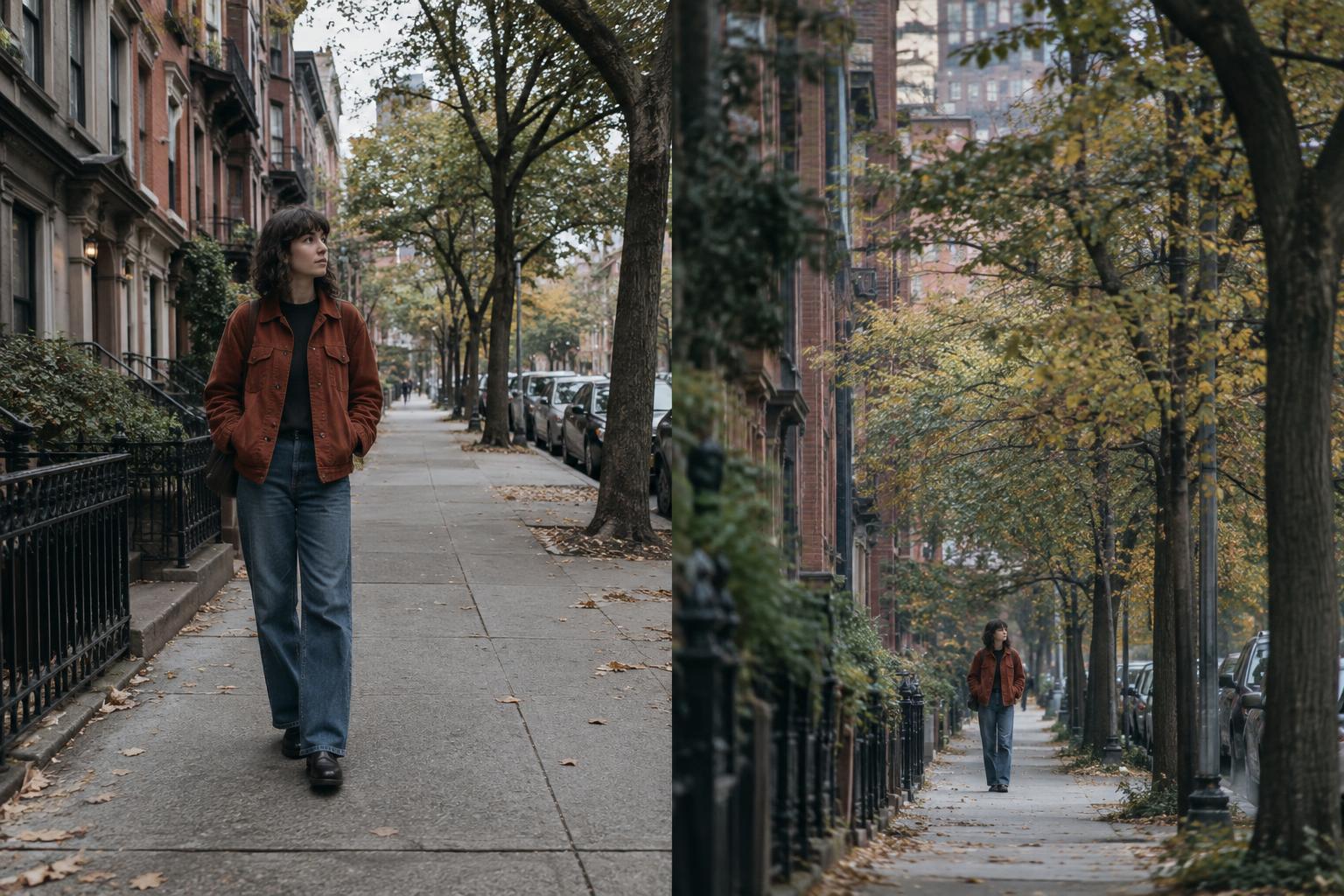
Camera LanguageWide lenses can make a scene feel open and immediate; telephoto lenses can make it feel crowded or distant. The crucial difference is not focal length alone, but how lens choice changes framing, camera position and the relationship between subjects and their surroundings.
Read article · 4 min↗
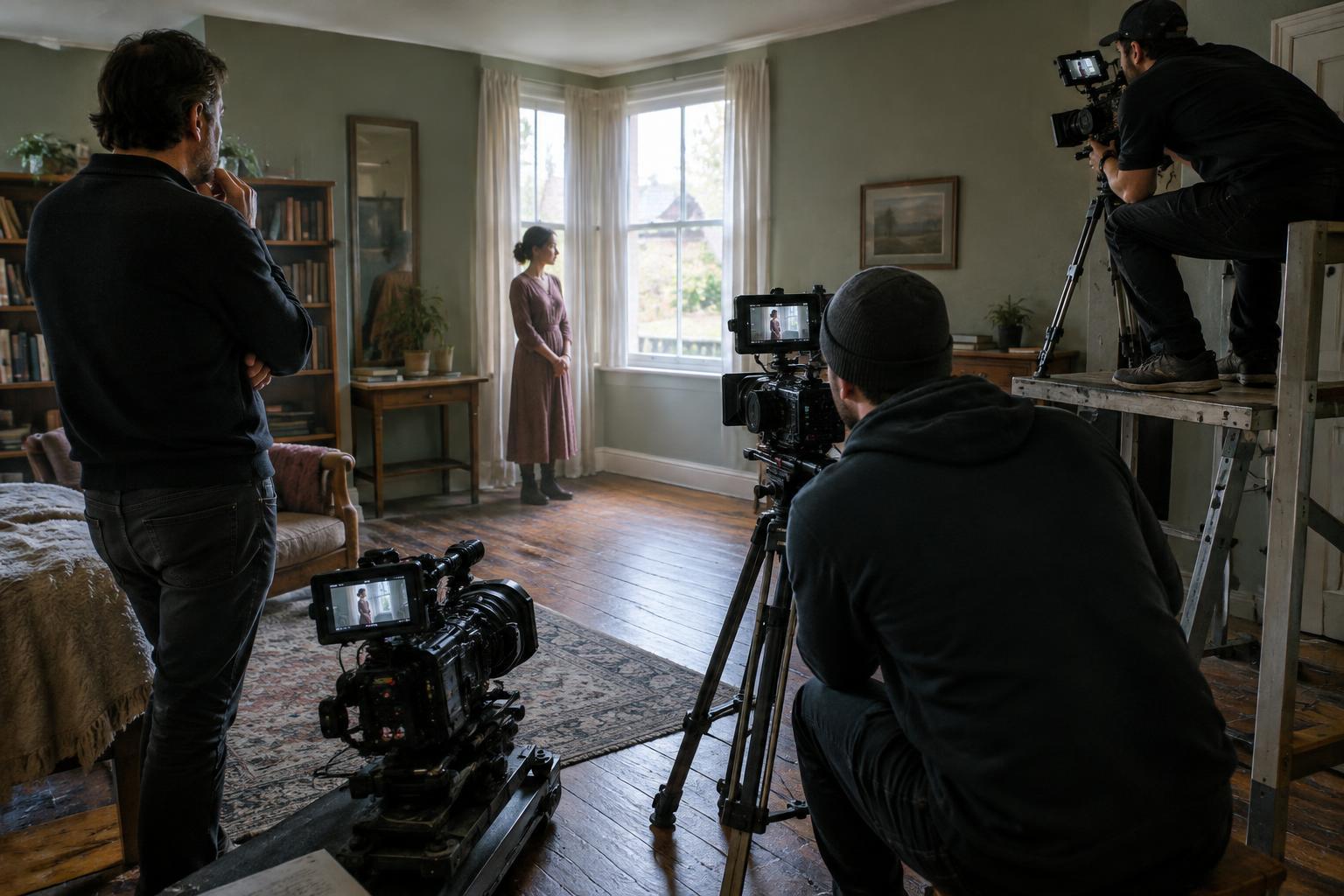
Camera LanguageA camera angle can change how a character feels in a scene, but no angle has a fixed meaning. Learn how high, low and eye-level views shape power, vulnerability and audience alignment—and how to choose an angle that serves the story.
Read article · 4 min↗

Camera LanguageWide, medium and close-up shots do more than show different amounts of a scene. Learn how each shot size shapes attention, relationships and emotion—and how to choose between them.
Read article · 4 min↗