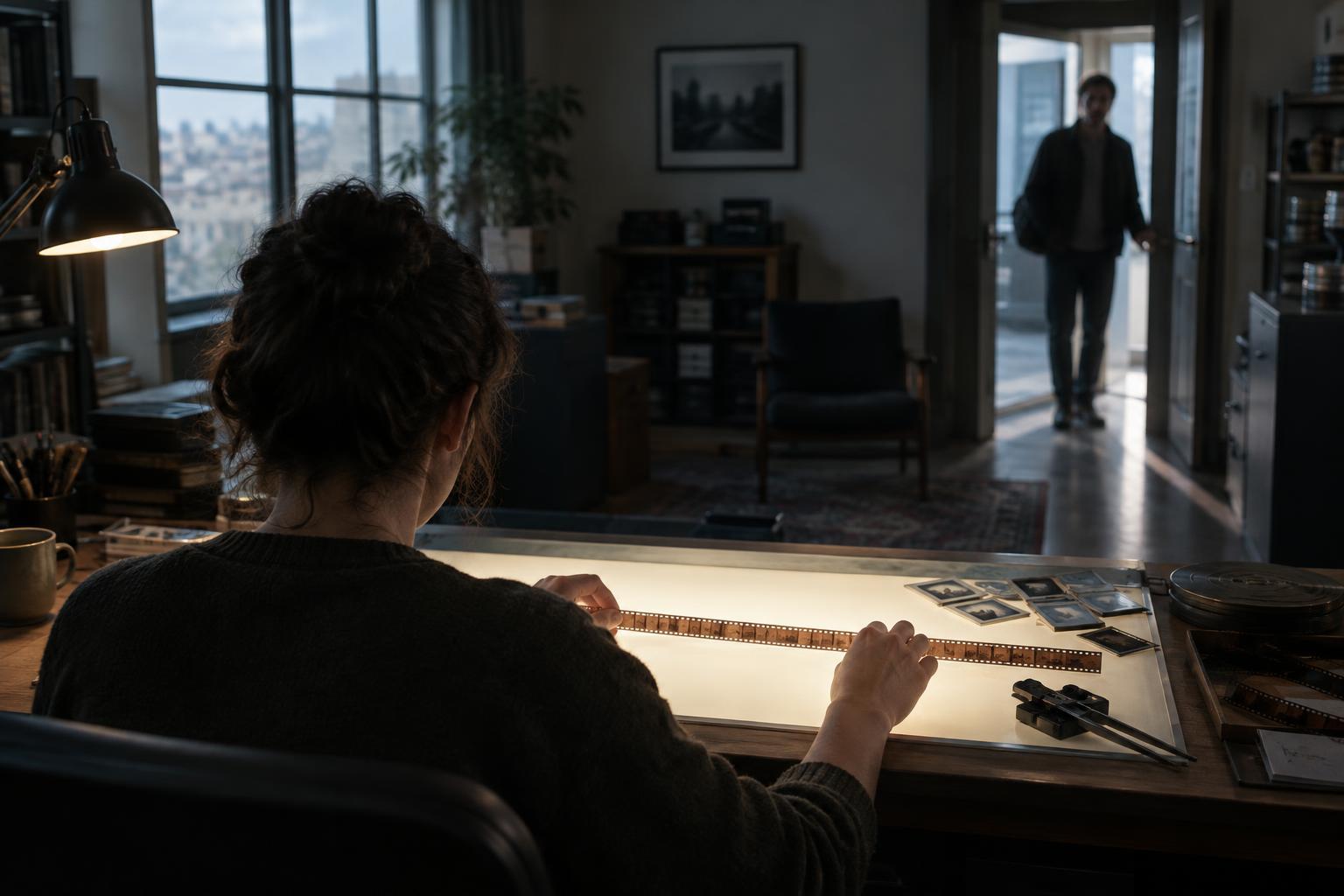
Editing and SoundA scene does not have to begin when a character enters or end when they leave. Learn how to choose the moments that draw viewers in, carry a dramatic turn and make the next scene feel purposeful.
Read article · 4 min↗
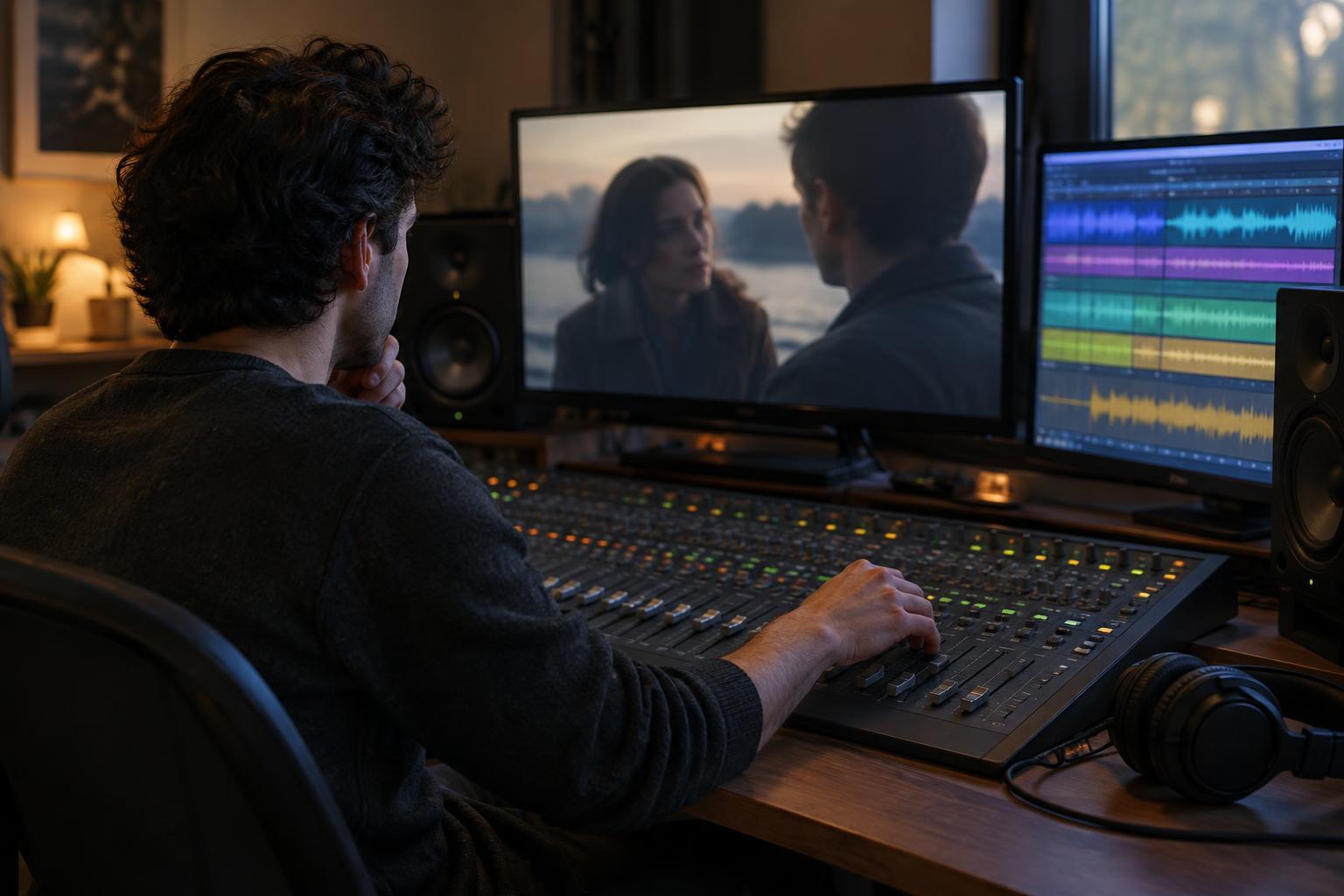
Editing and SoundA first sound mix can feel crowded even when every element sounds good on its own. Learn how to keep dialogue clear, give effects a purpose and use music without letting it compete with the scene.
Read article · 4 min↗
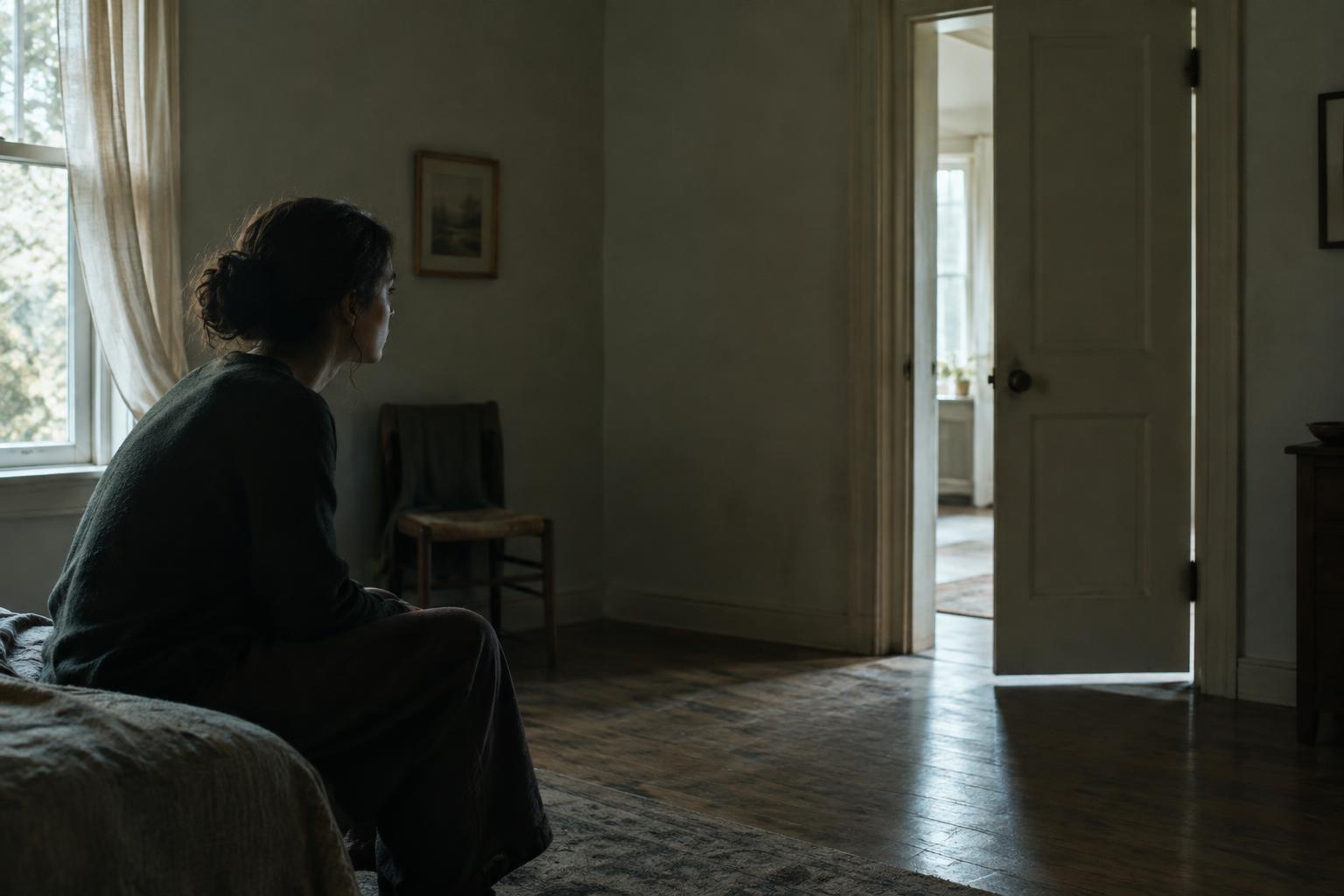
Editing and SoundSilence can make an audience listen more closely. Explore how filmmakers use pauses, reduced ambience and withheld music to direct attention, shape point of view and give a moment room to land.
Read article · 4 min↗
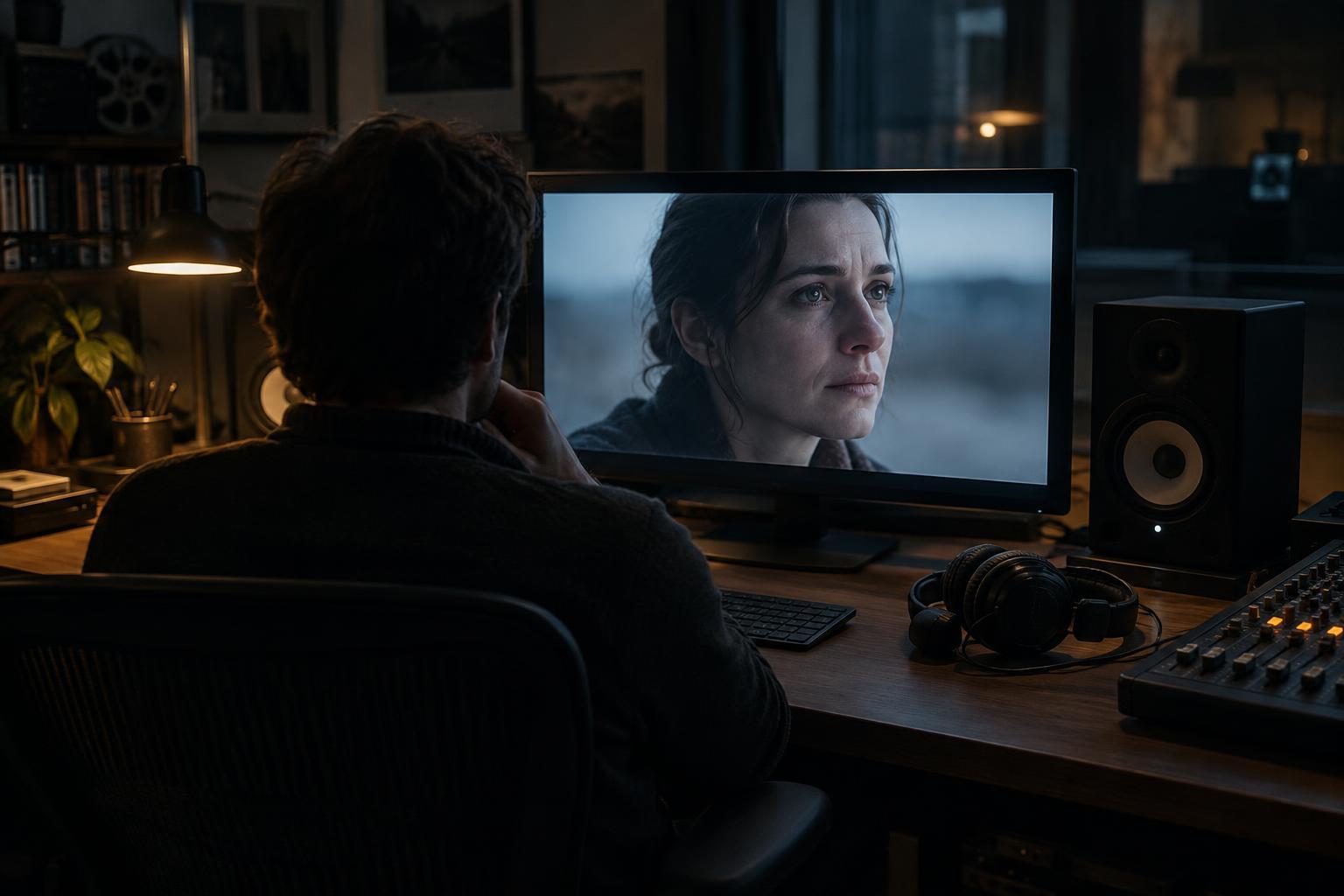
Editing and SoundA temporary track can help filmmakers test pace and tone, but it can also hide a scene that has not yet earned its emotion. Here is a practical way to plan music cues, use temp tracks critically, and leave room for performance, sound, and silence.
Read article · 4 min↗
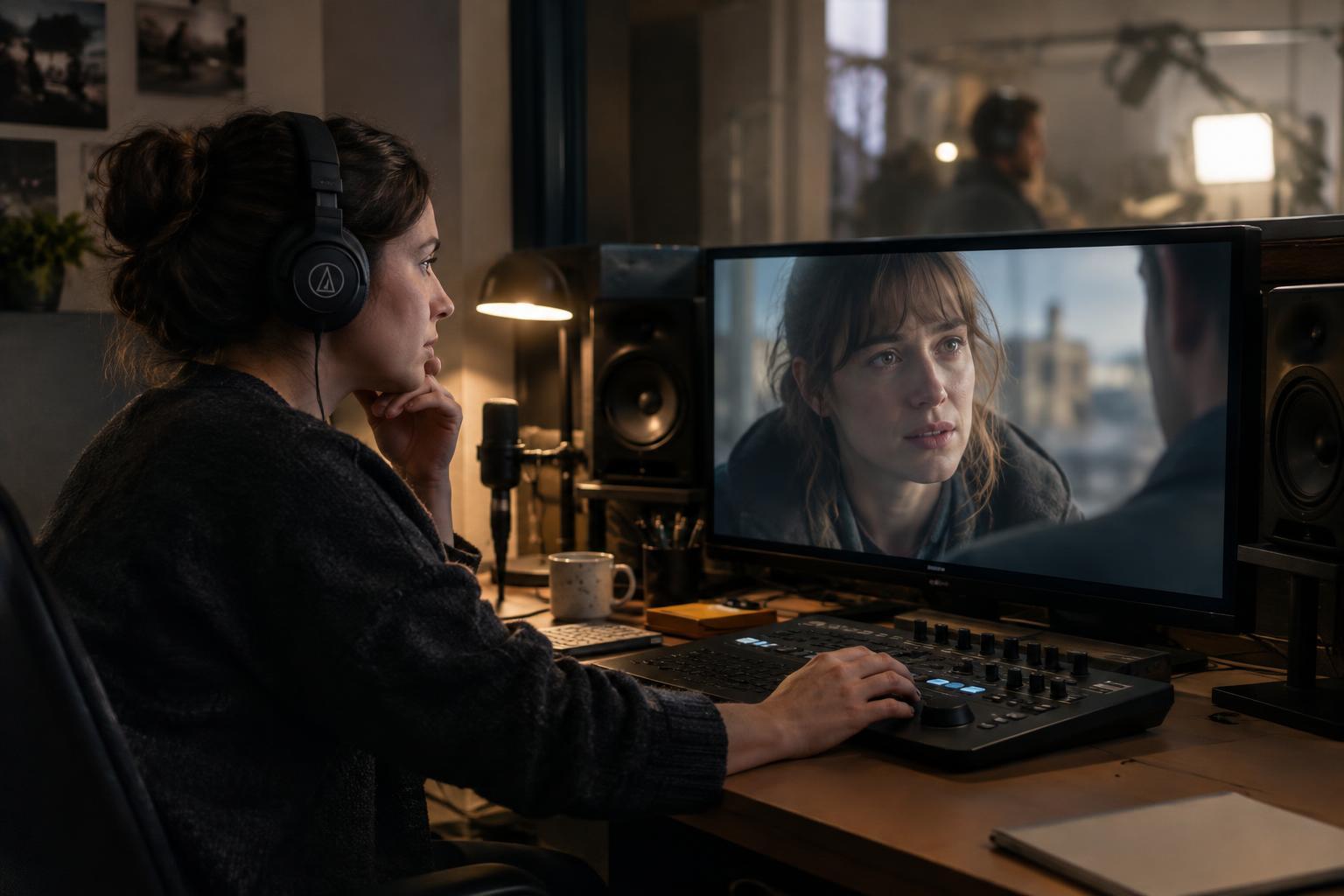
Editing and SoundClear dialogue does not have to sound spotless. Learn a practical editing workflow that removes distractions while preserving breaths, pauses, room sound and the small vocal details that make a performance feel human.
Read article · 4 min↗
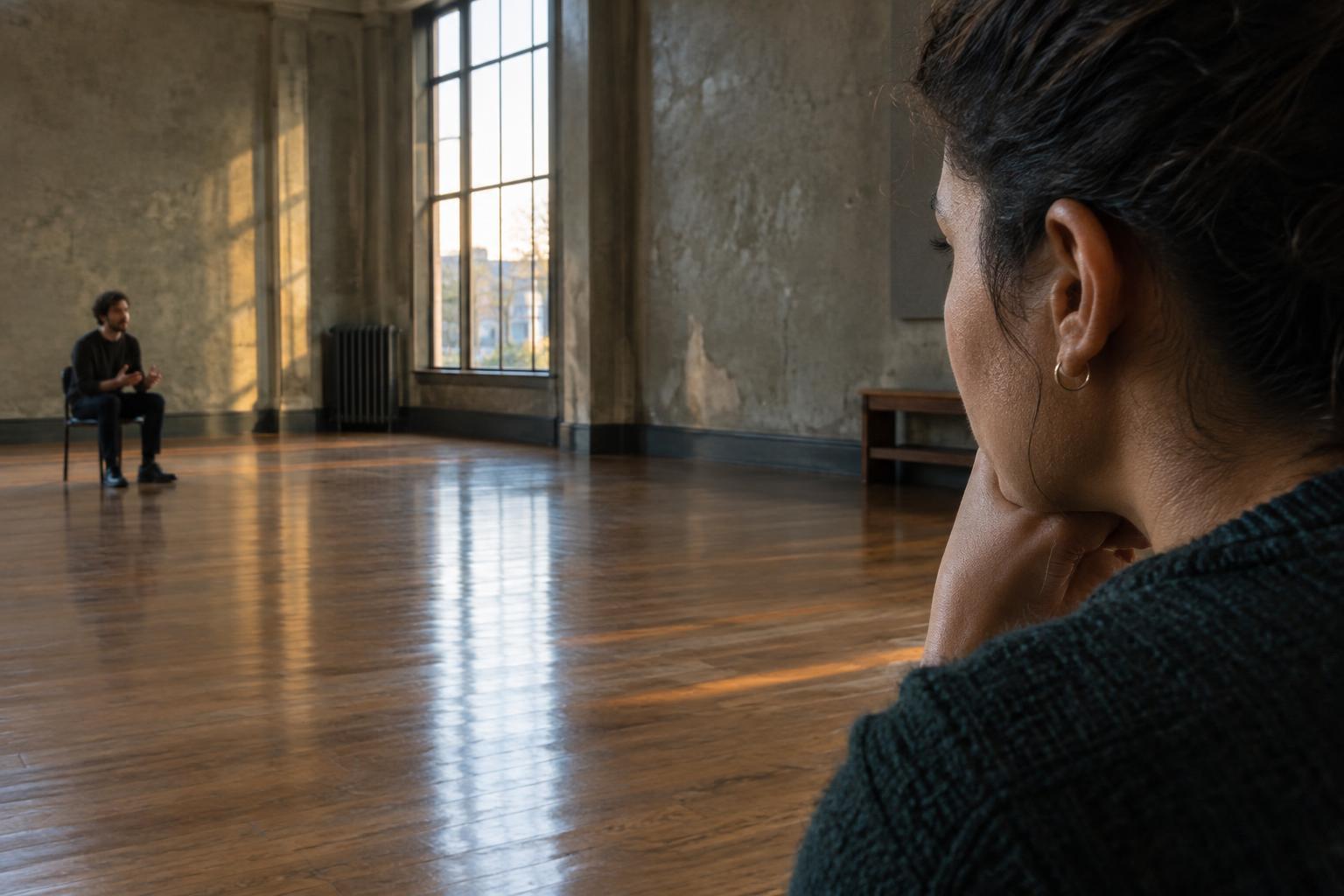
Editing and SoundA voice across a room should not feel the same as one whispered beside the camera. Learn how volume, clarity, reflections and sound editing can establish distance, shape attention and reveal a character’s experience of a scene.
Read article · 4 min↗

Editing and SoundA convincing soundtrack begins with knowing which sounds belong to the moment of filming and which can be built afterward. Here is a practical way to plan dialogue, ambience, footsteps, props and other details across production and post-production.
Read article · 4 min↗
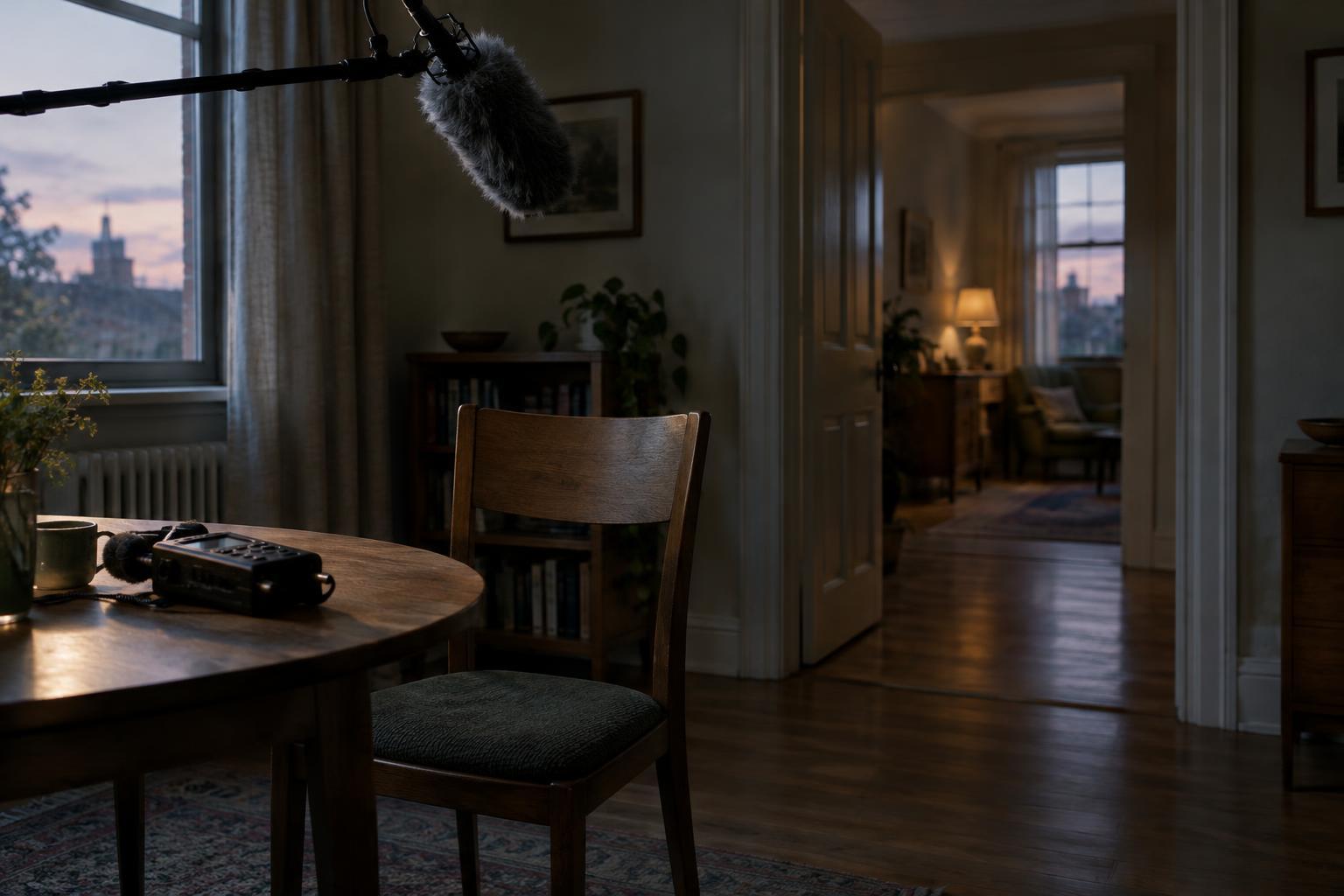
Editing and SoundA cut can be visually seamless yet sound like a jump to another room. Learn how room tone, ambience, perspective and careful transitions help dialogue edits and location changes feel continuous.
Read article · 4 min↗
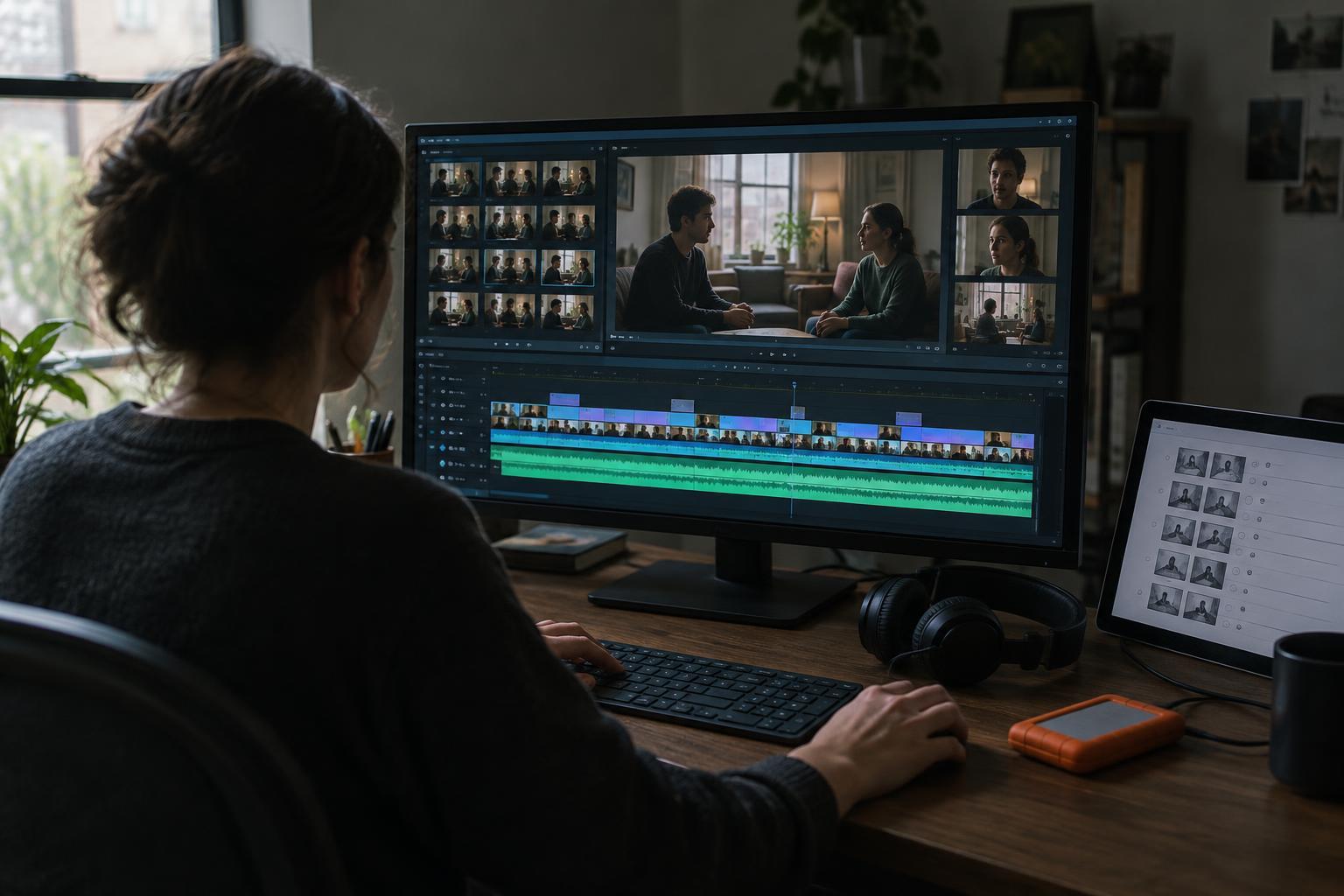
Editing and SoundA rough cut does not need to look finished. It needs to make the story visible. This beginner-friendly workflow moves from organized, synced footage through selects, scene assemblies and a complete first pass, with practical ways to keep editing decisions reversible.
Read article · 4 min↗
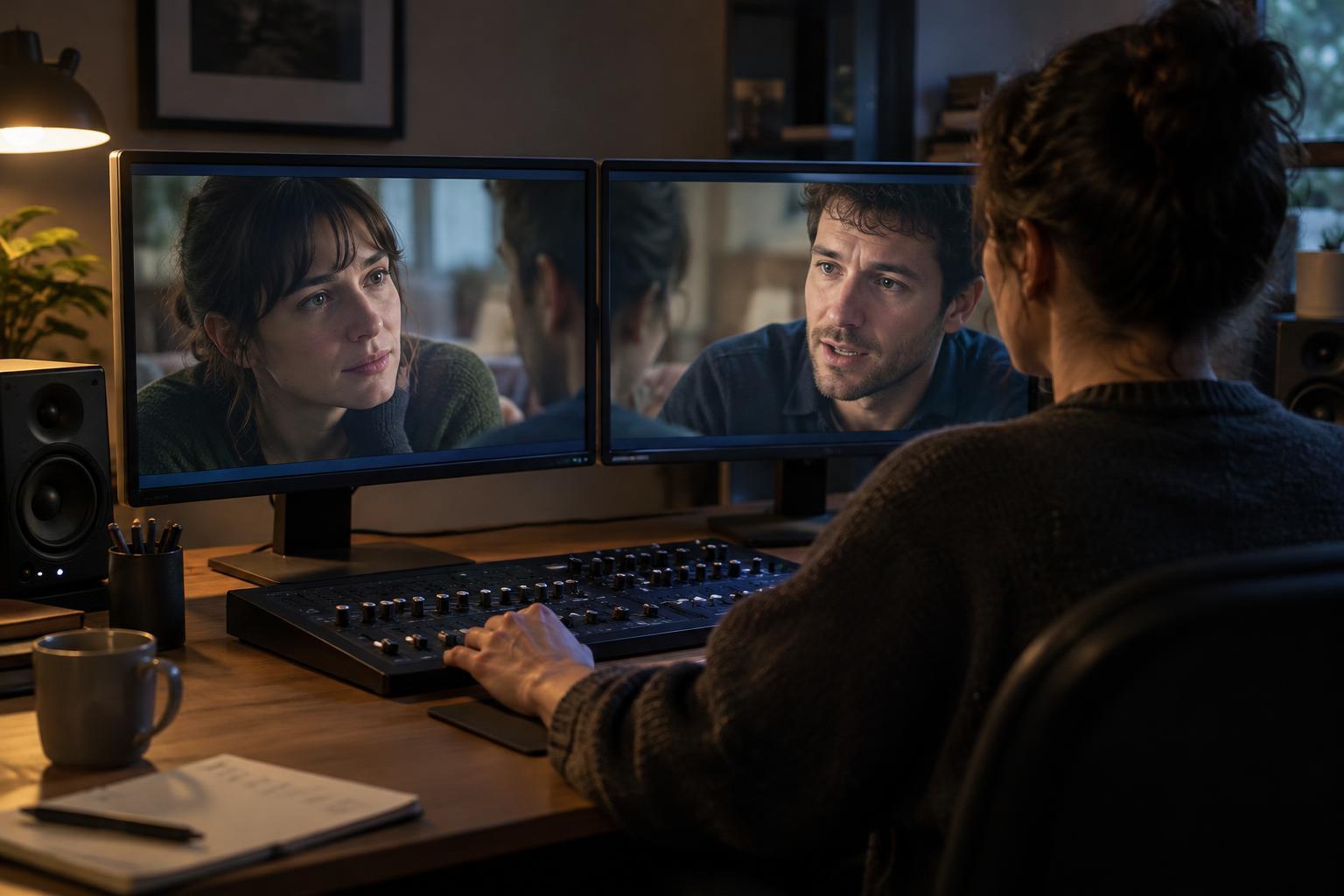
Editing and SoundThe cleanest line reading is not always the one that makes a conversation work. Learn how to choose takes for intention, shape pauses and reactions, and use sound to preserve the push and pull between characters.
Read article · 4 min↗
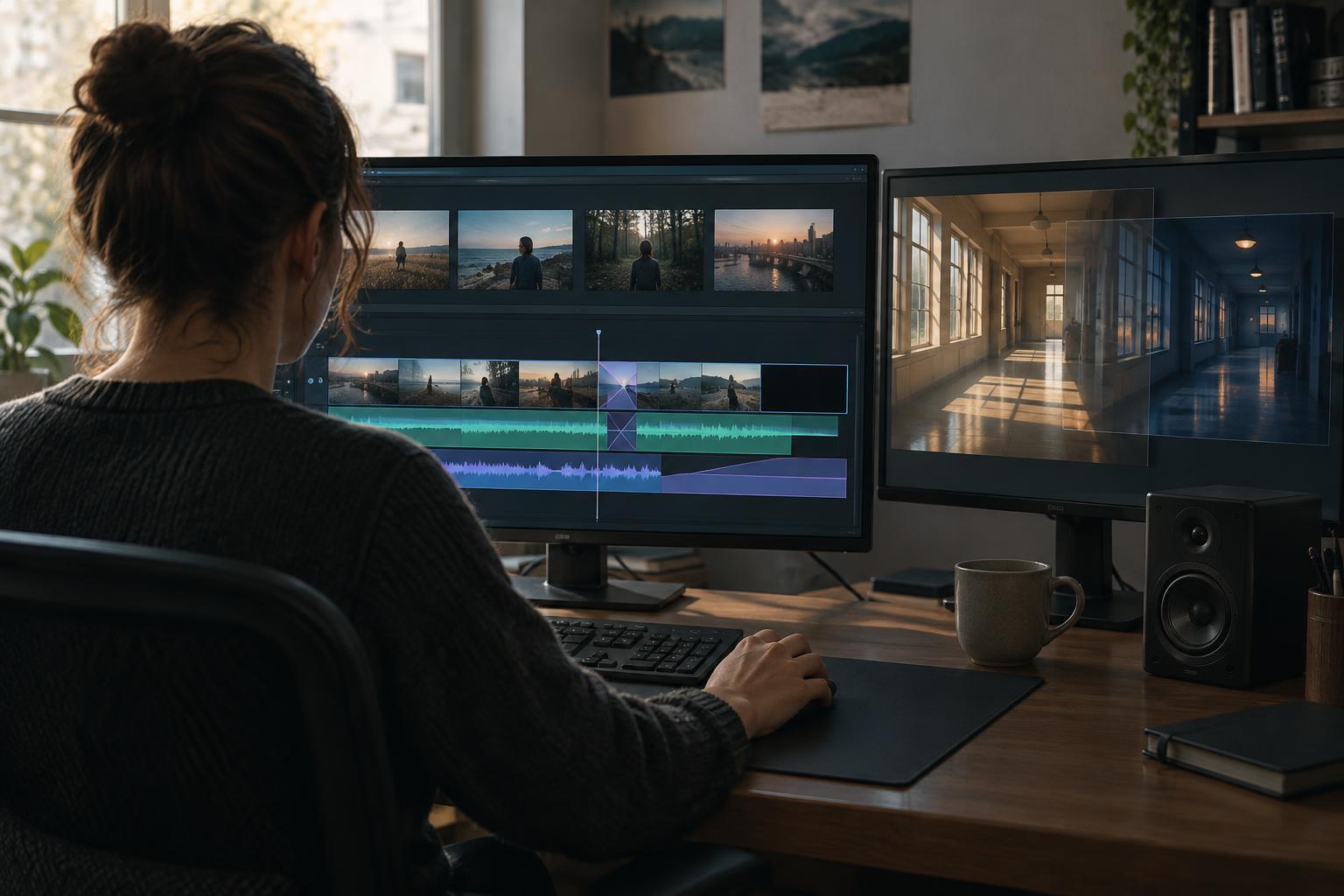
Editing and SoundA transition does more than move between shots. It shapes how viewers understand time, place and emotion. Learn when a hard cut, dissolve or fade can clarify a scene—and how sound can change what each transition means.
Read article · 4 min↗
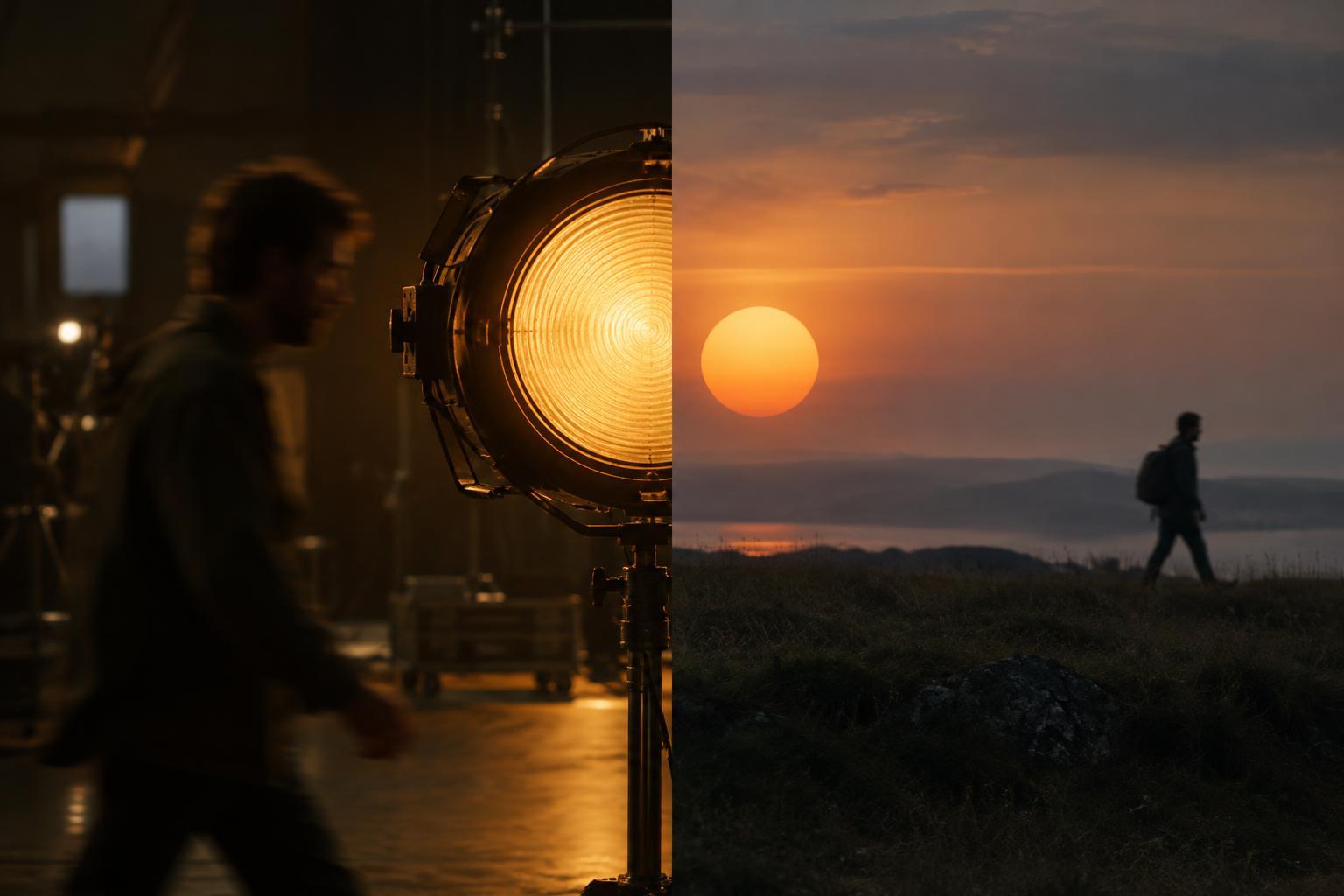
Editing and SoundA match cut connects two shots through a shared visual or conceptual element. Learn how matches in shape, movement and meaning can guide the eye, compress time and create an idea that neither shot conveys alone.
Read article · 4 min↗
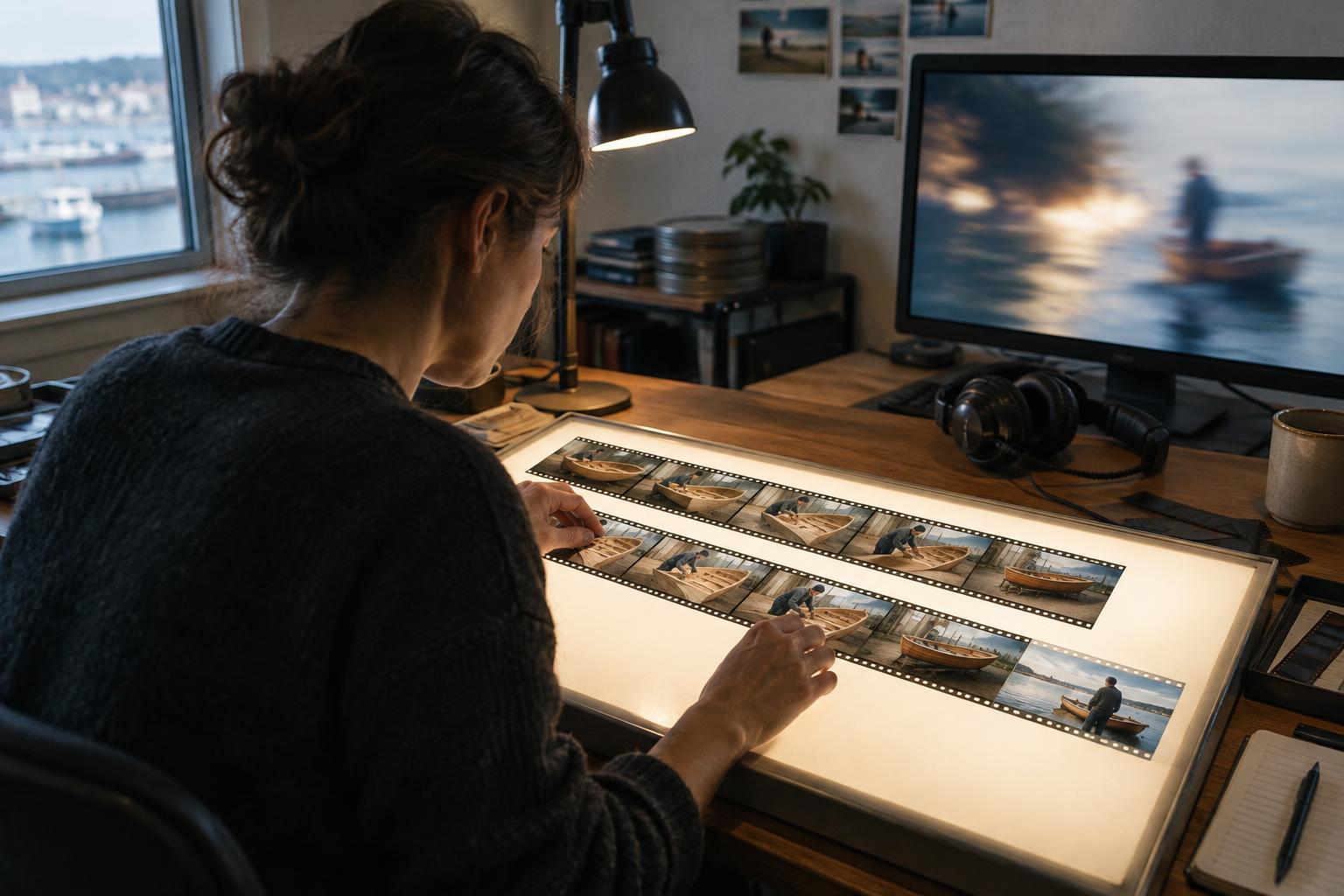
Editing and SoundA montage can carry a story across hours, weeks, or years in seconds. The key is to give viewers something to follow: a clear goal, visible change, and an ending that returns them to the scene.
Read article · 4 min↗
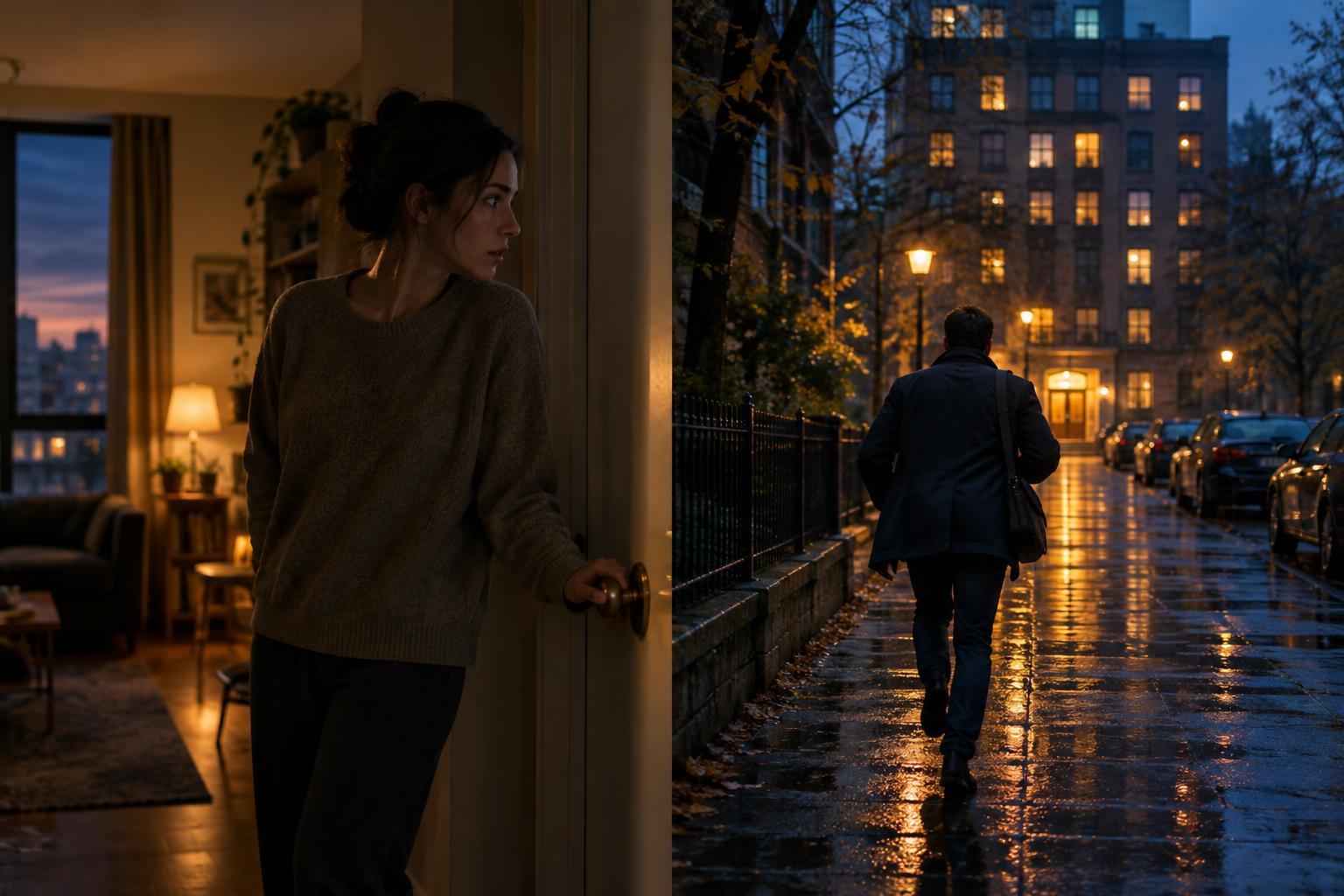
Editing and SoundCross-cutting does more than show two events at once. By choosing when to leave one storyline and return to another, an editor can create suspense, reveal contrasts and change how viewers understand each character’s choices.
Read article · 4 min↗
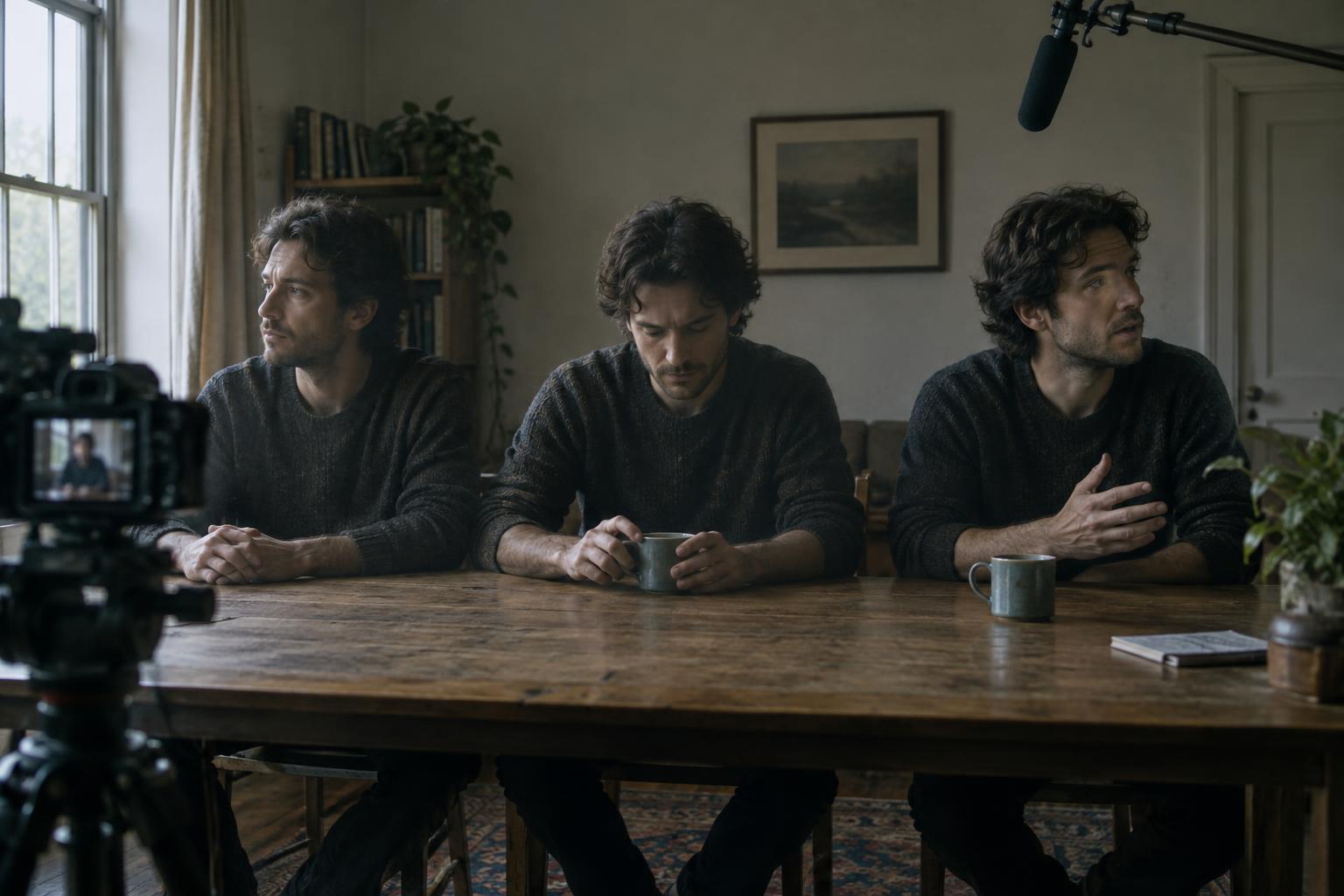
Editing and SoundA jump cut makes a missing piece of time noticeable. Learn how changes in framing, movement and sound can turn that visible gap into a storytelling choice rather than an accidental jolt.
Read article · 4 min↗
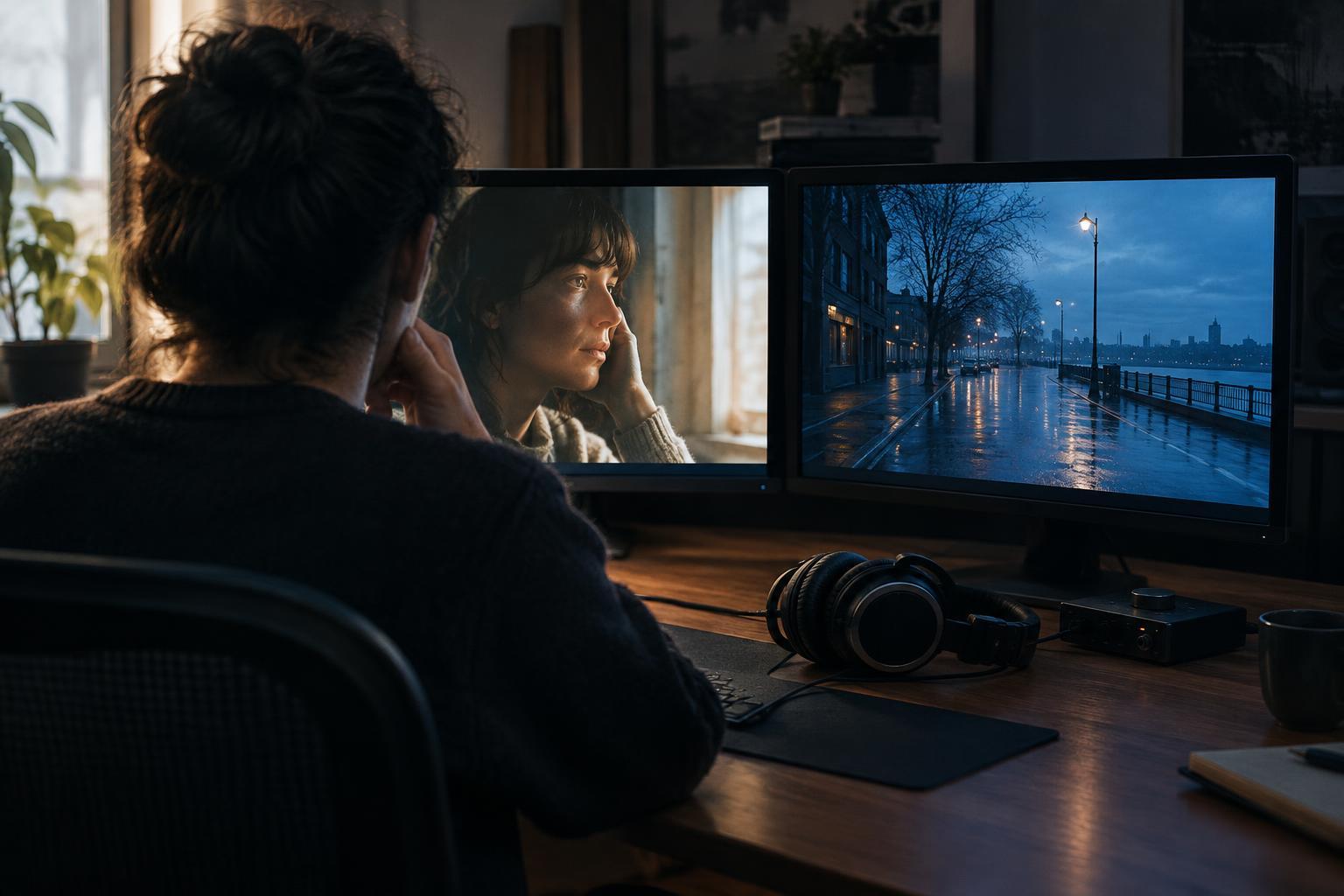
Editing and SoundA picture cut does not have to be a sound cut. Learn how J-cuts and L-cuts can guide attention, connect scenes and shape the emotional rhythm of a sequence.
Read article · 4 min↗

Editing and SoundA reaction shot can reveal what dialogue leaves unsaid, but showing every listener can drain a scene of tension. Learn how timing, sound and point of view shape the choice to cut away—or stay.
Read article · 4 min↗
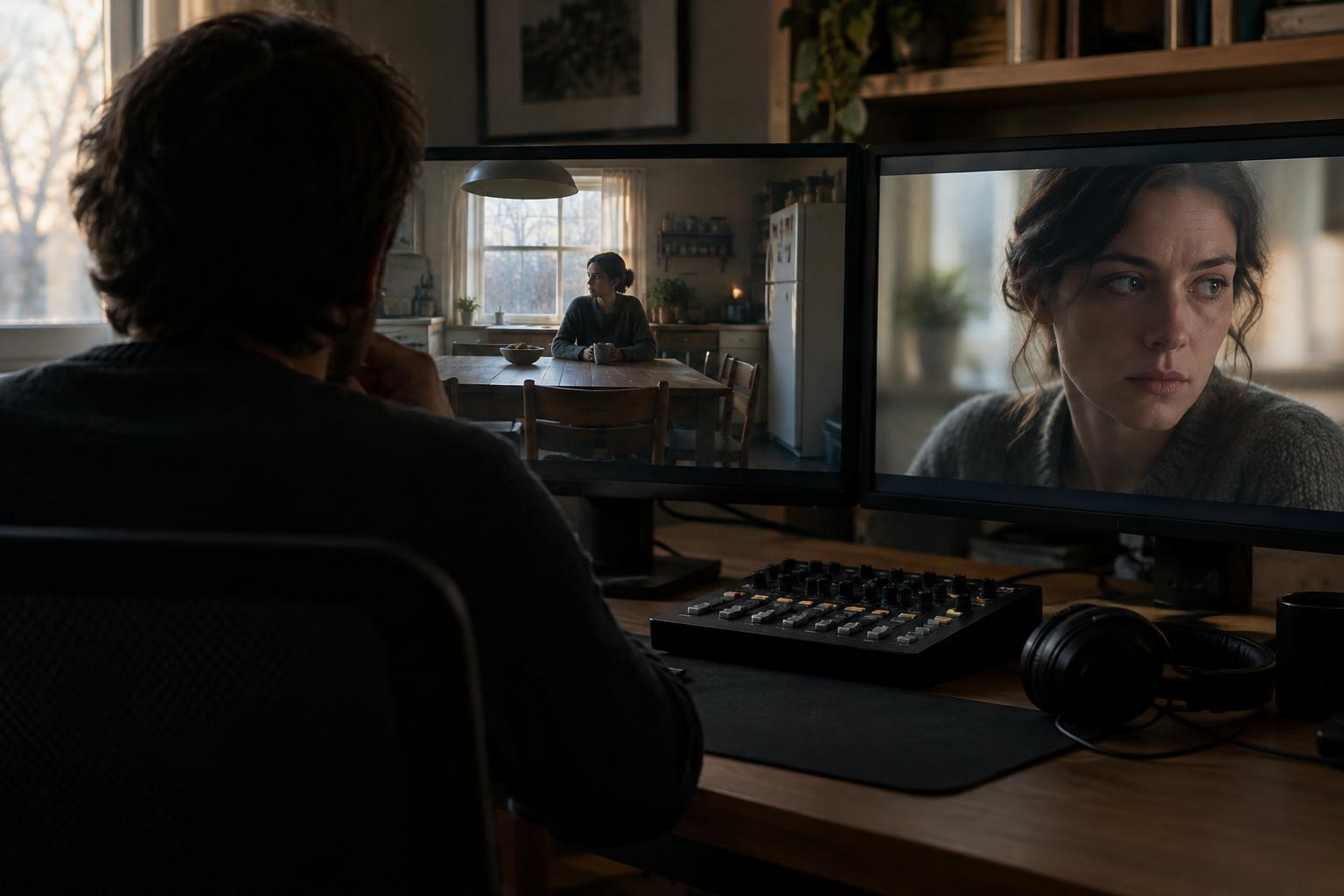
Editing and SoundA cut can make a glance feel fleeting or an uncomfortable silence feel impossible to escape. Learn how shot duration shapes anticipation, attention and emotional response—and how to test those choices in your own edit.
Read article · 5 min↗

Editing and SoundContinuity editing helps viewers follow an action without noticing every cut. Discontinuity editing makes a change in time, space or perspective felt. Learn how both approaches shape a scene, and how to choose between them.
Read article · 4 min↗
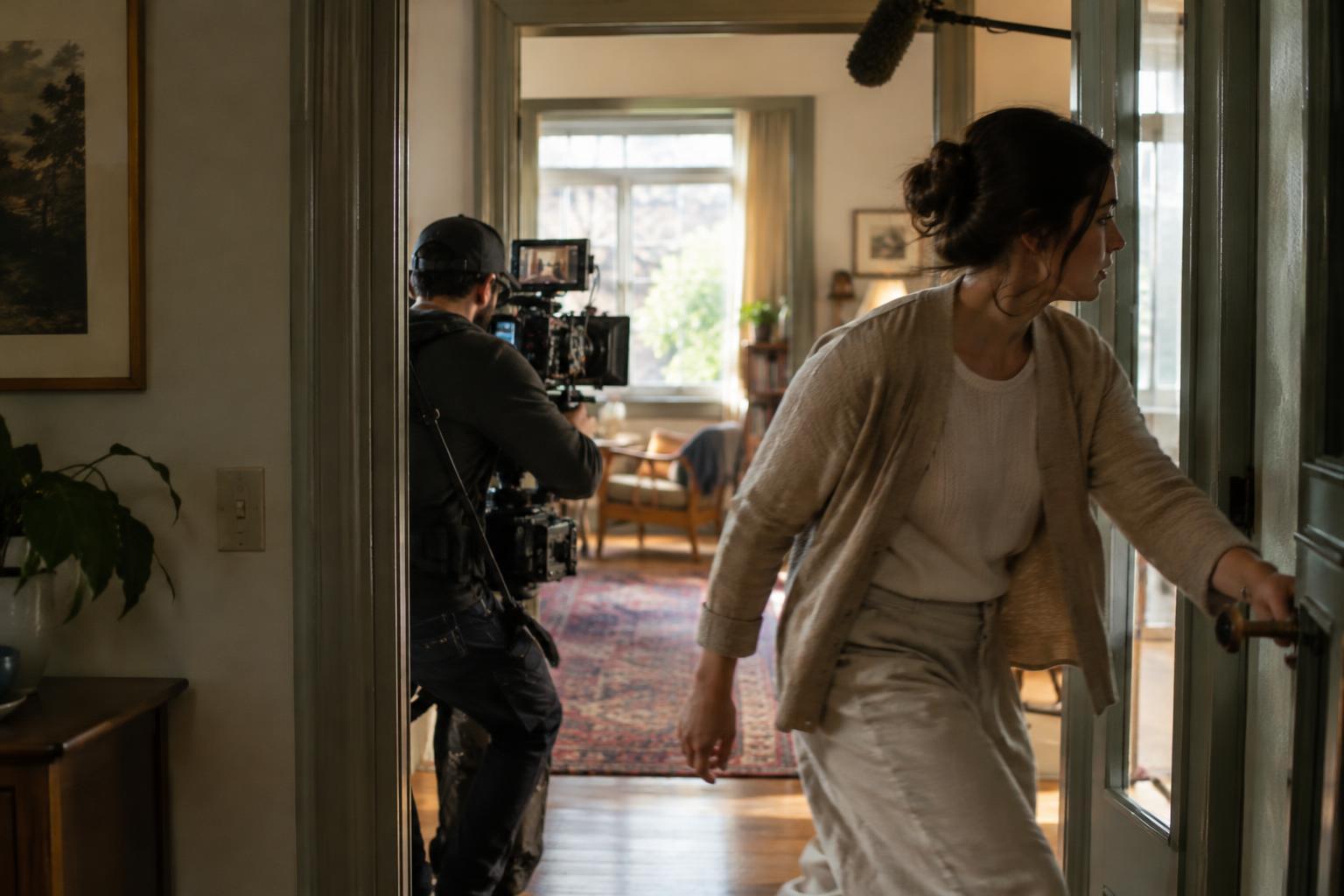
Editing and SoundA cut made during movement can carry the viewer smoothly from one shot to another. Learn how to choose a useful action, align its direction and timing, and use sound to keep the moment connected.
Read article · 4 min↗
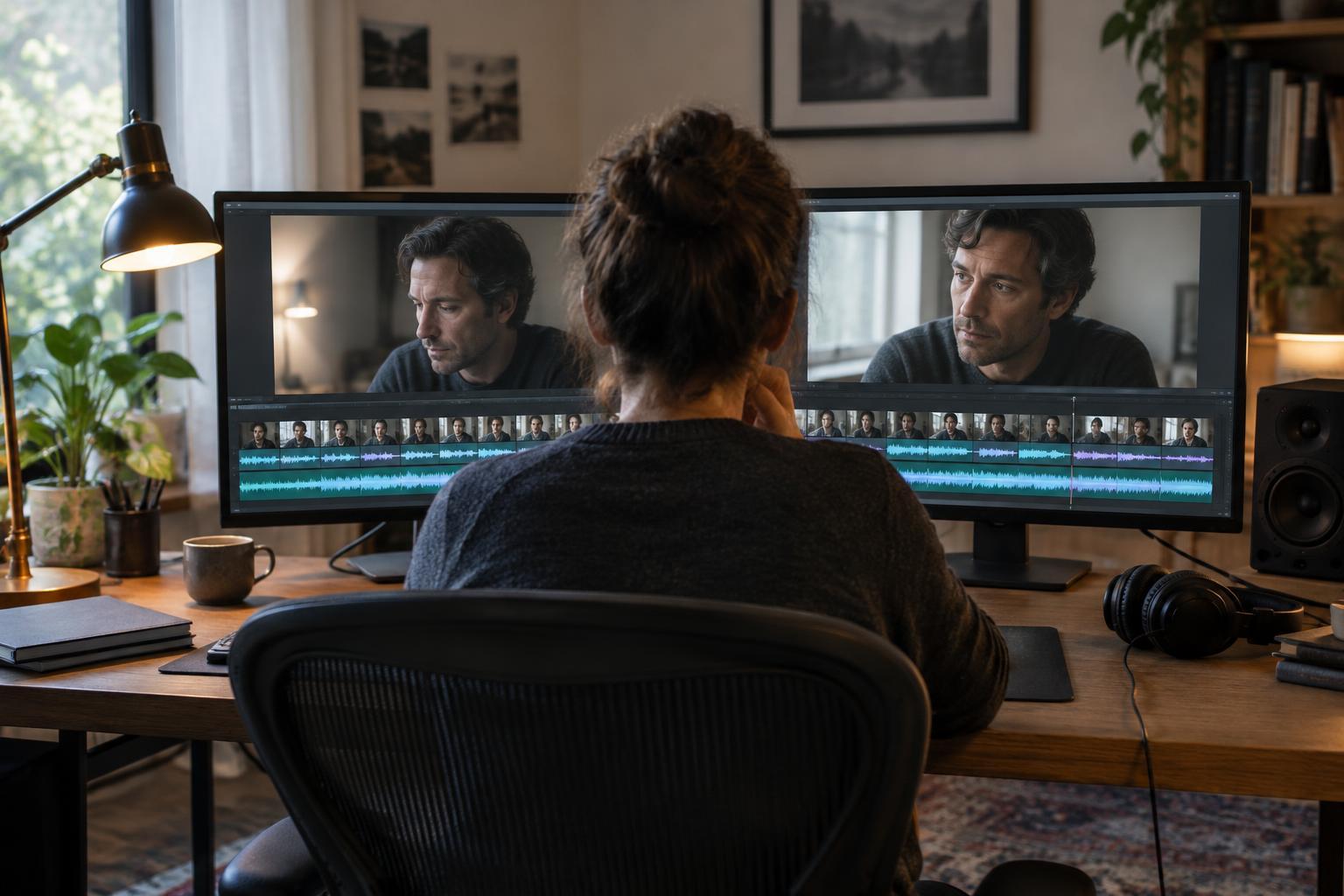
Editing and SoundEditing is more than choosing the cleanest take or trimming a scene to length. An editor compares performances, builds relationships between shots, tests the pace of a sequence and uses sound to guide attention. Here is how those choices turn recorded material into a story.
Read article · 4 min↗