Start with the story, not the shot list
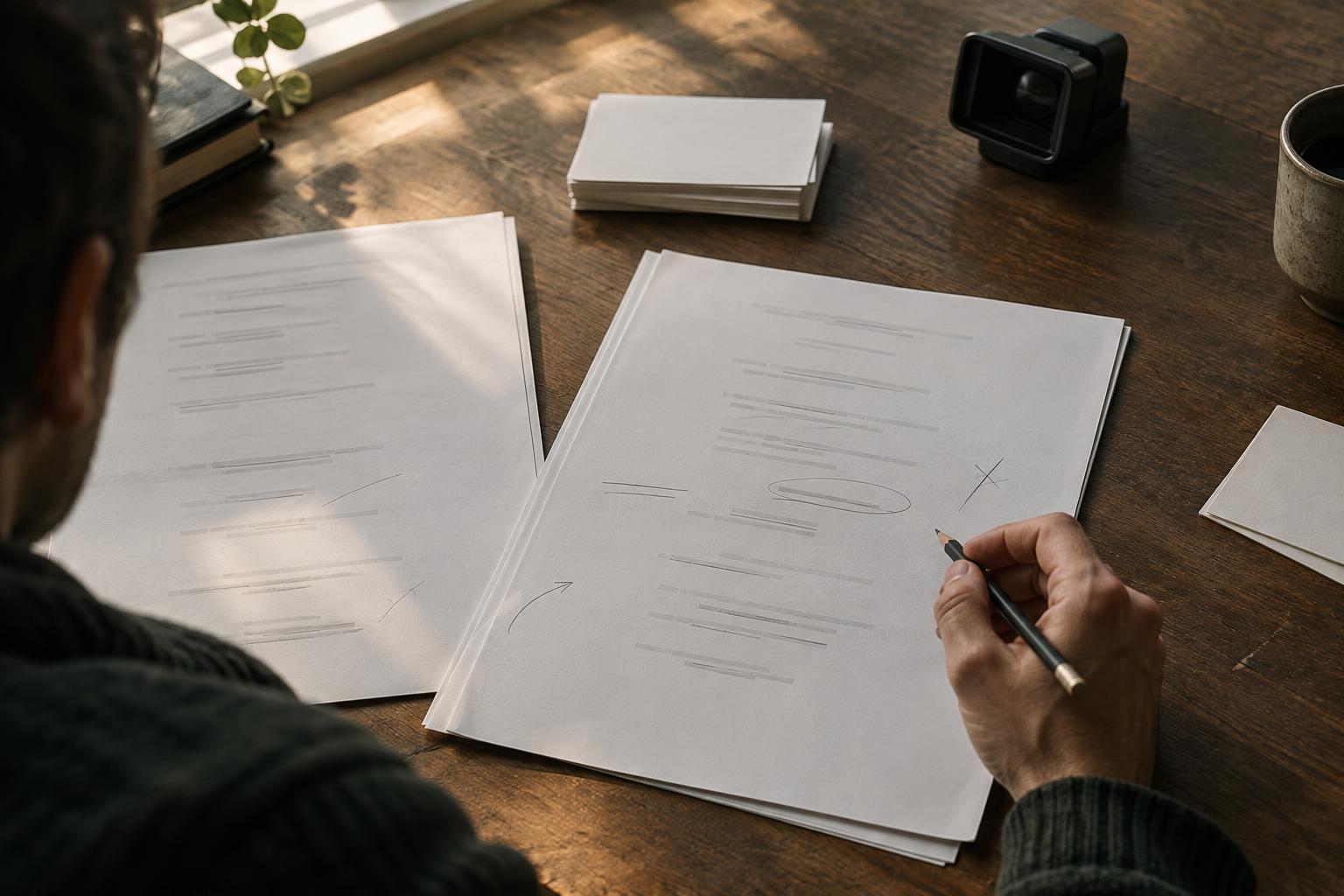
A first script breakdown is a chance to discover how the story works before deciding how it should look. Read the script once without stopping to solve production problems. Notice where your attention sharpens, where it drifts, and what you expect to happen next. On a second pass, look at each scene as a small dramatic event: someone enters with an expectation, meets something that complicates it, and leaves in a different position.
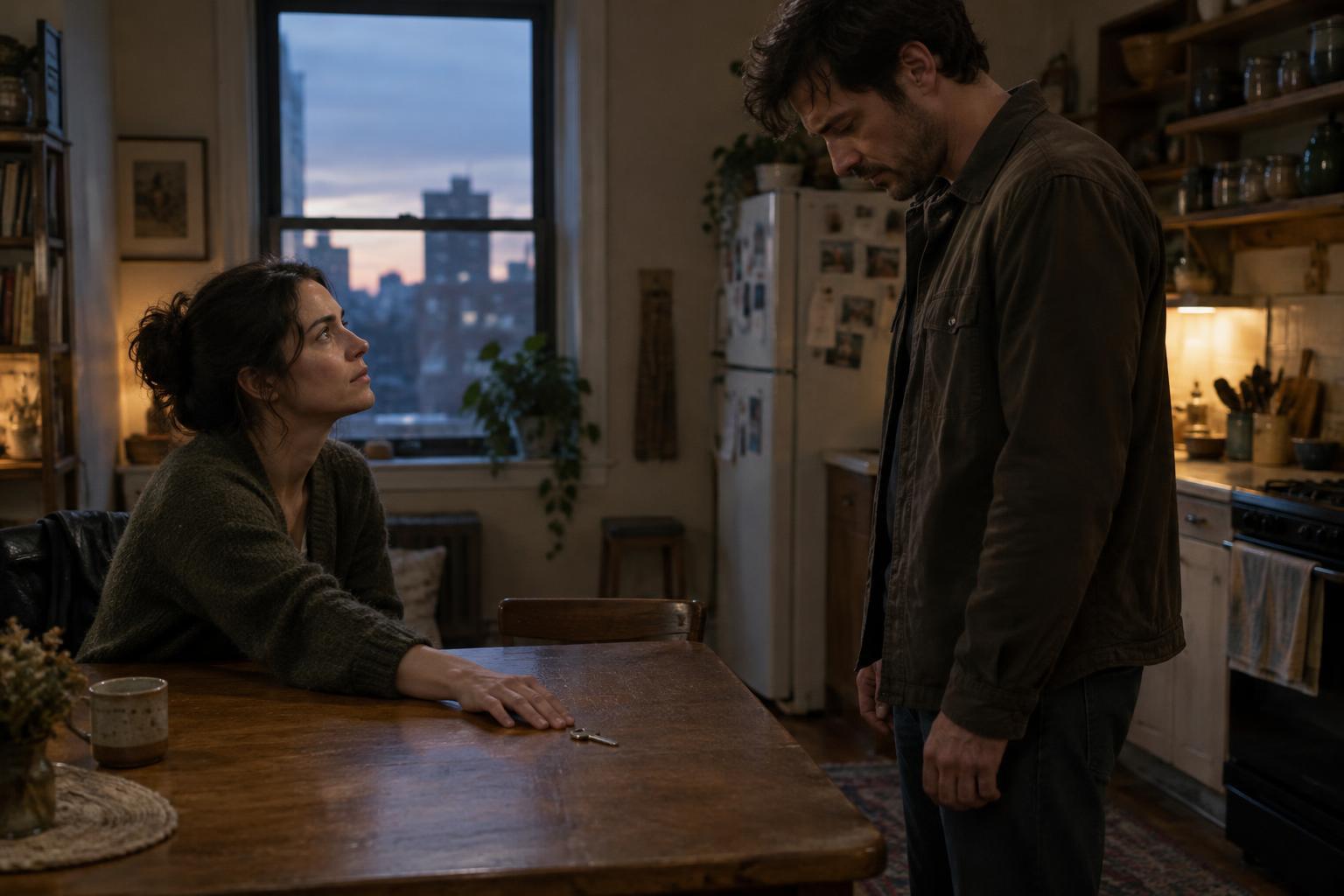
For every scene, write one sentence beginning, “This scene changes…” The change might be concrete: a character learns who has the key. It might be relational: two friends who were cooperating begin to distrust each other. It might alter the audience’s understanding while the characters remain unaware. A scene can do several jobs, but naming its principal change gives the director a point of reference when choices about performance, blocking, pace, and coverage begin to multiply.
Separate what happens from why it matters
A plot summary describes actions. Dramatic purpose explains their consequence. “Mara visits her brother and they argue” tells a director little about where to place emphasis. “Mara asks for help, but her brother realizes she is hiding the reason she needs it” suggests a more useful progression. The scene begins with a request and ends with suspicion. Its dialogue, silences, and physical distance can all be considered in relation to that shift.
Ask three questions beside each scene: What does the audience know at the start? What does someone want right now? What is different by the end? These questions do not require every scene to contain a revelation or a confrontation. A quiet scene may establish trust that will later be tested, or let an audience notice a pattern a character has missed. The key is to describe its contribution precisely enough that you could explain why the story needs it in this position.
Find the pressure inside the scene
Once you know the change, look for the pressure that produces it. Identify the immediate objective of the character driving the scene: to get an answer, conceal a mistake, keep a guest from leaving, or make a difficult decision seem easy. Then identify the resistance. Another character may oppose them, but resistance can also come from limited time, an inconvenient setting, or the character’s reluctance to say what they mean.
Track tactics rather than assigning a single emotion to the entire exchange. A character might begin by joking, switch to bargaining, and finally make a direct demand. Marking those turns gives actors playable actions and helps the director recognize when the scene should gather speed or pause. It also prevents a breakdown from becoming a rigid instruction sheet. The script establishes possibilities; rehearsal may reveal a more convincing way to move between them.
Translate purpose into visible and audible choices
A scene’s purpose should guide its form without dictating one correct shot. If the turning point is a character noticing a lie, decide what the audience needs to see or hear to understand that recognition. Perhaps the camera stays with the listener while the speaker continues talking. Perhaps an ordinary sound interrupts the conversation at the moment the listener is ready to challenge it. Each choice should clarify the dramatic event, not merely decorate the scene.
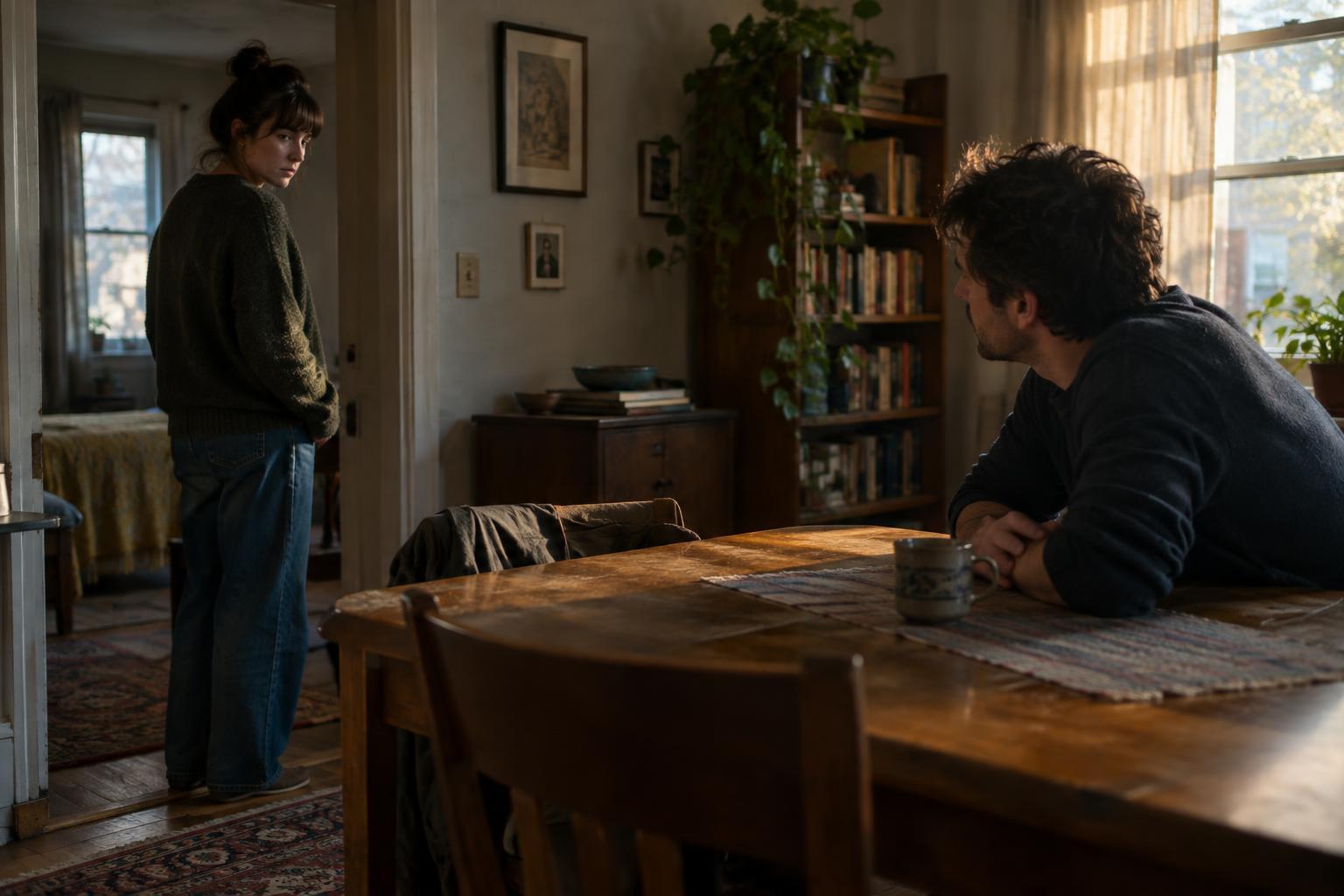
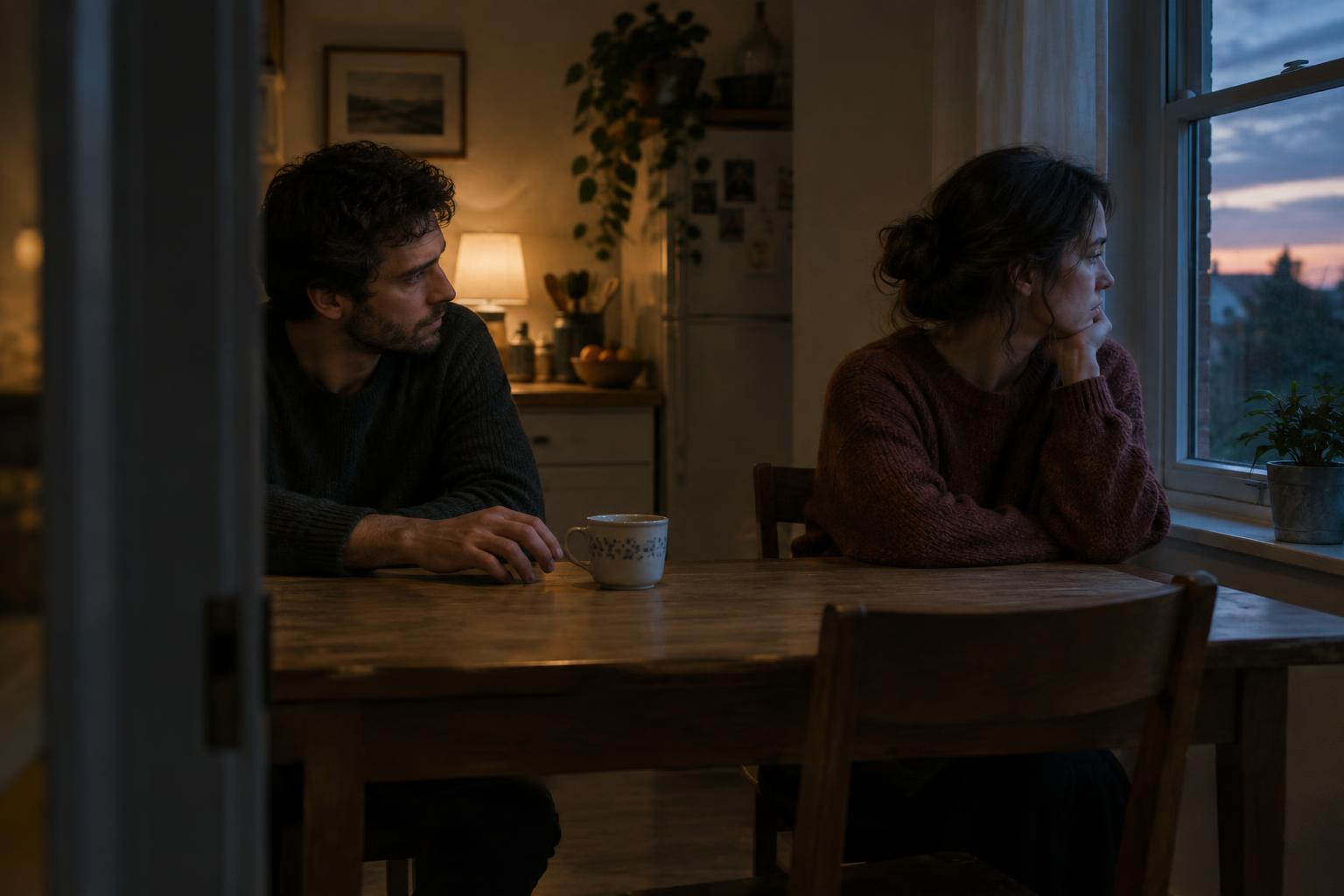
Consider the location and objects with the same care. A doorway can make a departure feel possible throughout an argument. A shared task can give two characters a reason to avoid eye contact while they speak. Note these opportunities in the breakdown, but leave room for discoveries on set. A useful note might read, “Keep the exit present until she chooses to stay,” rather than prescribing every position or cut. It states the intended effect while allowing the team to find the best means.
Test the sequence, then keep the notes usable
After examining individual scenes, read only your purpose statements in order. Do they trace a developing story, or do several scenes appear to produce the same change? Repetition may be deliberate: a second request can show that a character has learned nothing, or that the balance of power has shifted. If the distinction is unclear, return to the script and ask what new pressure or information each scene adds.
Keep the first breakdown compact enough to consult. For each scene, record its principal change, the immediate objective, the resistance, any important turn, and one open directing question. This is a working map, not a verdict on the script. As conversations with actors and collaborators reveal stronger ideas, revise it. The breakdown has done its job when it helps everyone protect the scene’s dramatic purpose while remaining free to discover how best to express it.