Begin with the argument beneath the dialogue
Blocking is often treated as a practical puzzle: where can the actors stand, and how will the camera see them? Those questions matter, but they are more useful after a director identifies the scene’s conflict. One character may want an answer while the other wants to leave. Someone may be offering help that the other person experiences as control. These opposing aims give movement a reason beyond filling the frame.
Before assigning positions, write a simple objective for each character and mark where it changes. Then ask what physical action might express an attempt to achieve it. A character seeking honesty might step into another’s path; a character protecting a secret might keep busy at a counter. Neither action has a fixed meaning. Its value comes from the dialogue, the relationship, and what the character does next.
Make distance a changing relationship
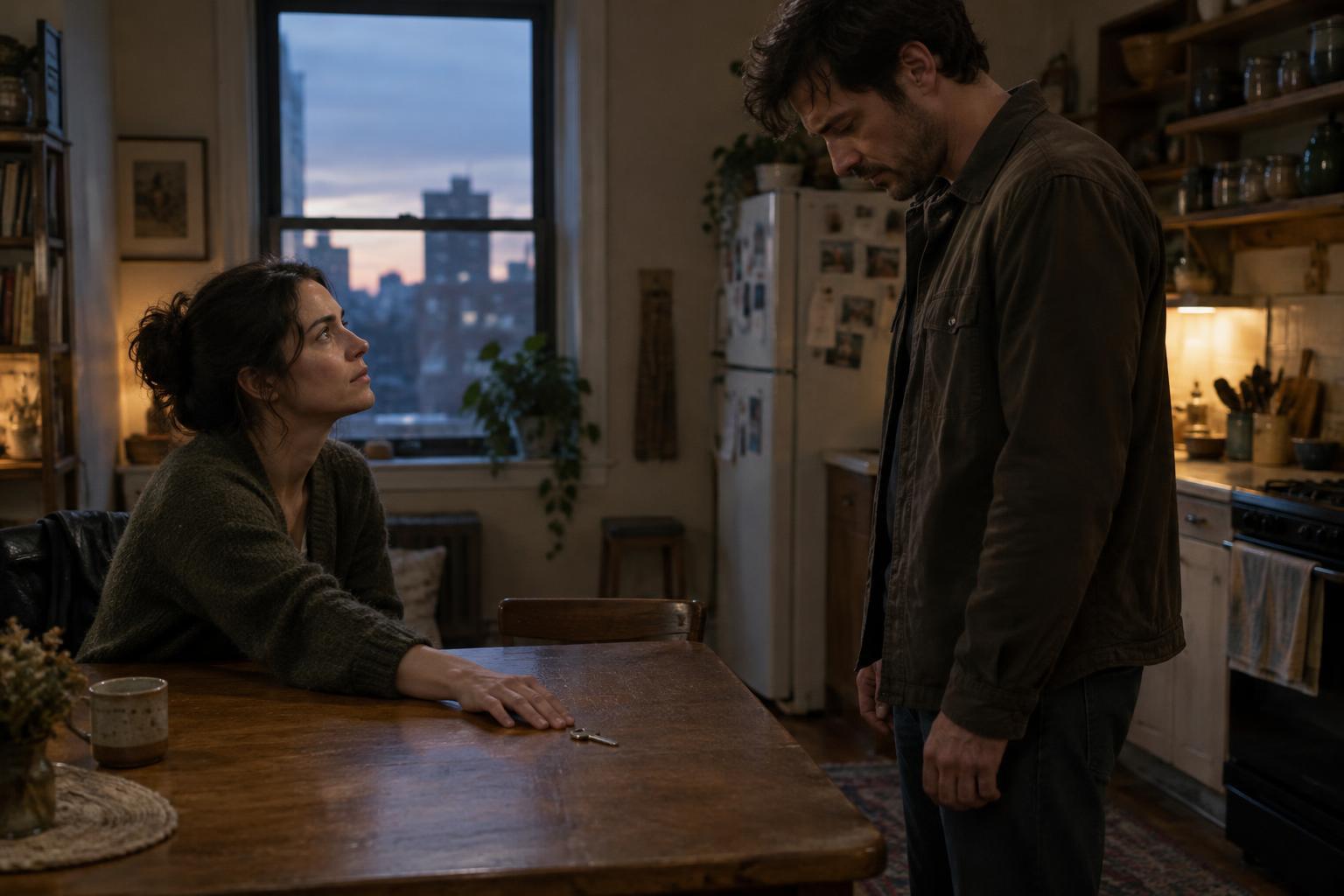
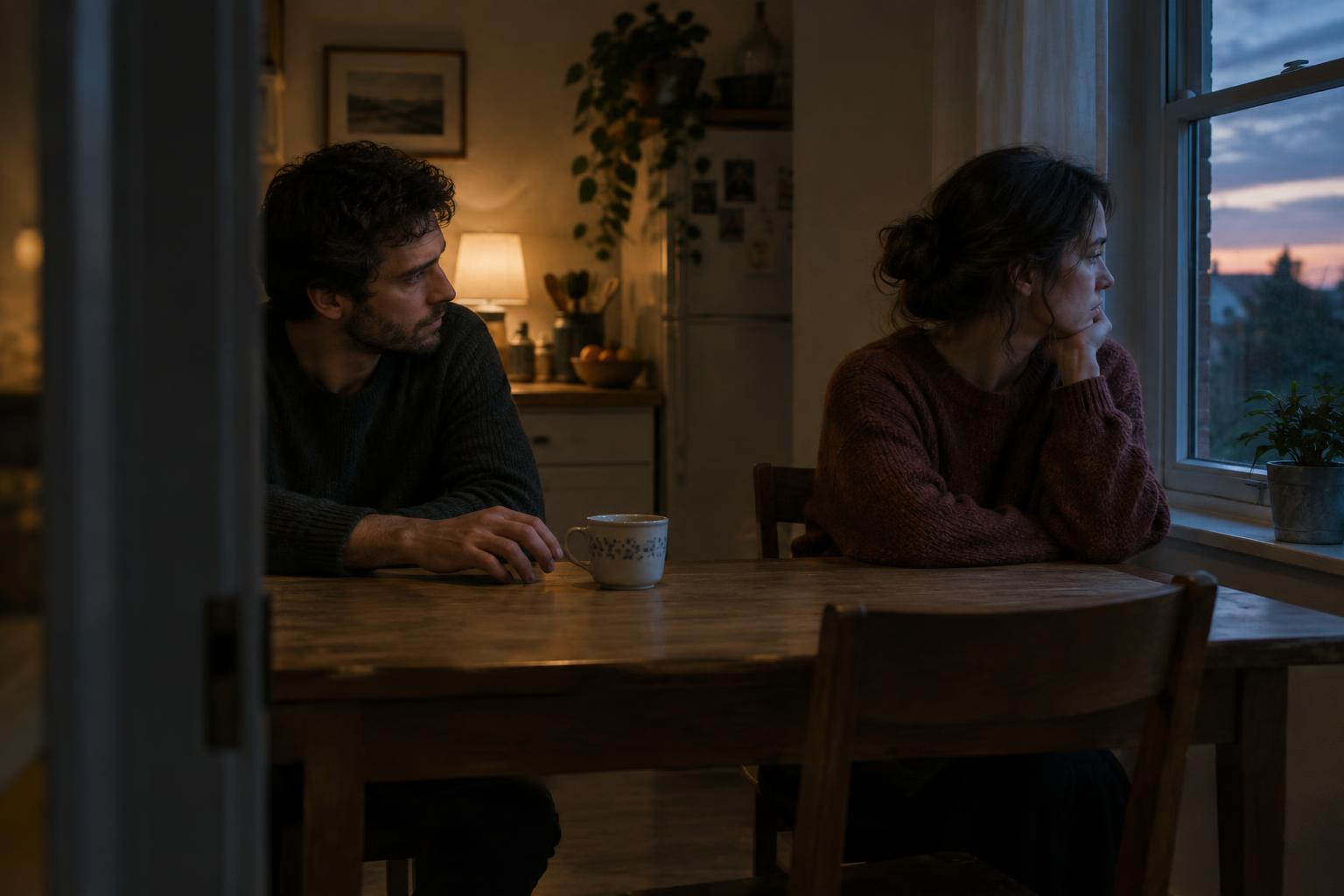
The space between actors can make an emotional shift visible. Moving closer might be an invitation, a threat, or an attempt to regain control. Remaining still while another person approaches can signal confidence or an inability to respond. Instead of choosing a pleasing arrangement for every line, consider when the distance between characters should change and who causes that change.
Imagine two siblings discussing whether to sell their childhood home. One begins beside a box of packed dishes while the other stands near the door. If the sibling at the door crosses the room to pick up a family photograph, the movement introduces a new tactic: appealing to memory rather than debating price. The first sibling’s response—coming closer, taking the photograph, or staying with the boxes—can carry part of the argument without an added line.
Let the room create choices, not choreography
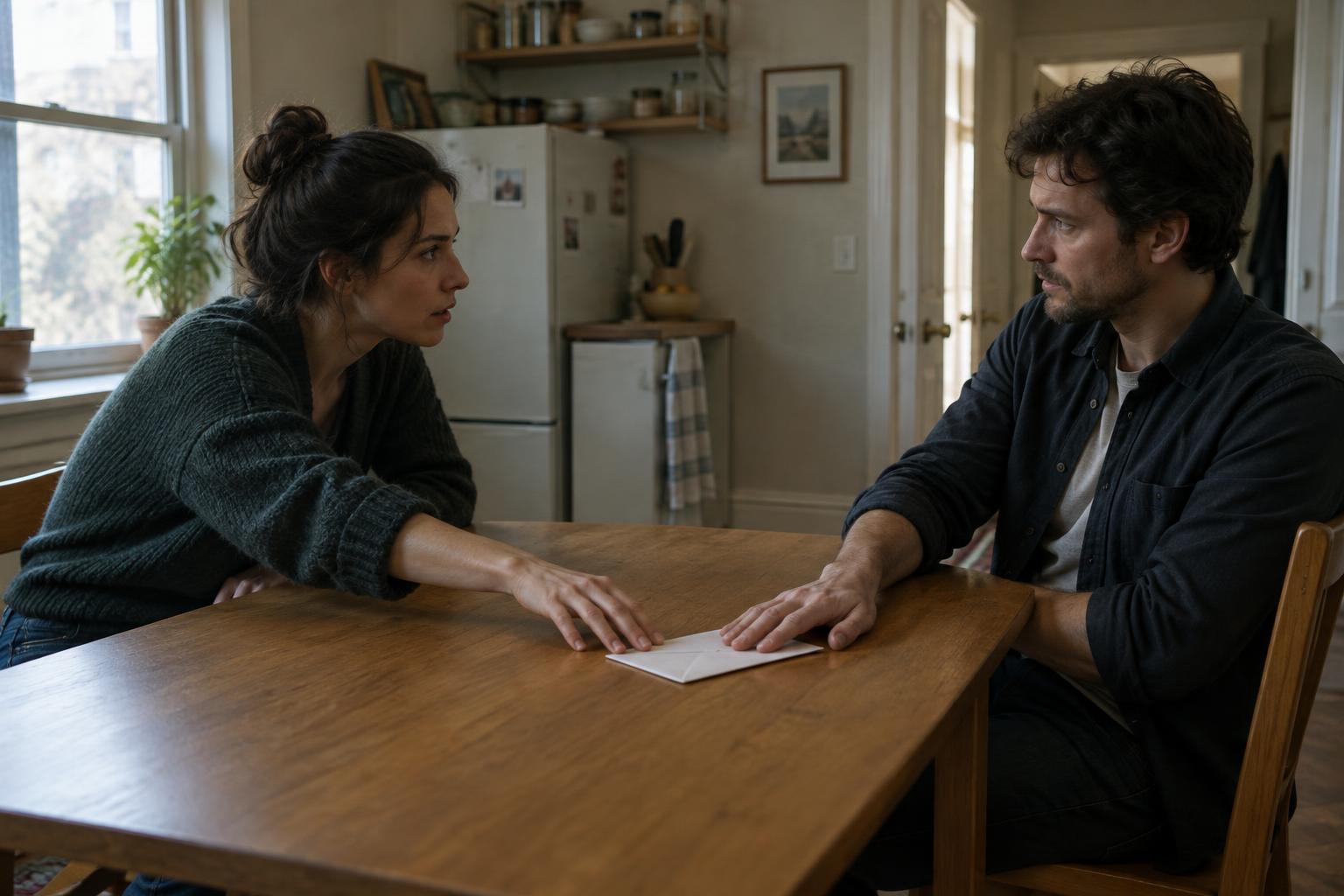
Furniture and doorways are most useful when they affect what a character can do. A table might allow someone to maintain a safe boundary; a narrow passage might force two people to acknowledge each other. An object can become important because one person needs it and another controls access to it. The room then offers opportunities and resistance rather than a set of marks actors must visit.
Be selective. If every chair, window, and prop prompts a move, the scene may feel busy while the conflict stays unchanged. Try identifying one or two spatial elements that matter to the characters’ aims. In the siblings’ scene, the doorway could represent a chance to end the conversation, while the boxes make leaving the home feel imminent. A character who stops packing to listen has made a choice; the action means more because packing was already established.
Use stillness and timing as part of the block
Movement does not need to accompany every change in emotion. A decision to remain seated while someone demands an answer may be more revealing than standing up. Stillness can also make another actor’s movement more noticeable. The question is not simply who moves, but when the move begins, what interrupts it, and whether it is completed.
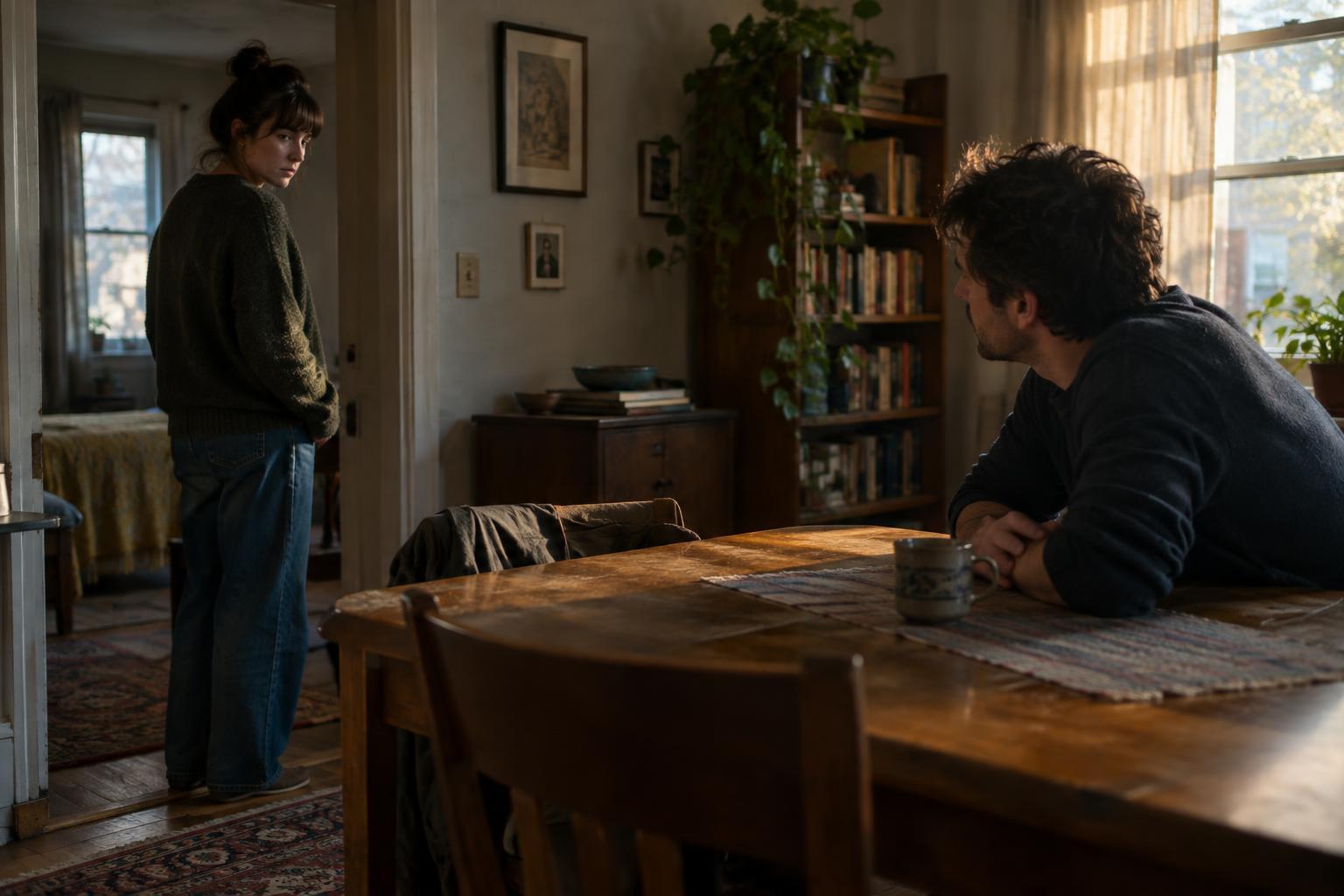
Rehearsal can help uncover those moments. Ask actors to play the scene with clear objectives before prescribing every step. Notice where they naturally seek distance, turn away, or reach for an object, then test whether those impulses clarify the story. An actor might start toward the door after a difficult question but stop when the other person says something unexpected. That unfinished exit gives the audience an observable change of intention without requiring an explanation.
Check the block from the audience’s point of view
A meaningful movement must also be readable. From the intended camera position, a small gesture may disappear, or an actor may obscure the response that matters most. Work with the camera and lighting needs without assuming every adjustment weakens the performance. A slight change in angle or position can preserve the dramatic relationship while making a face, hand, or exit visible.
After setting the scene, watch it without concentrating on individual lines. Can you tell who is pursuing whom, when a tactic fails, and whether the relationship changes by the end? If the actors travel across the room but their choices look the same throughout, simplify the movement. Effective blocking is not measured by how much ground the performers cover. It gives the audience a way to see the conflict develop.