Give the scene a concrete want
A character can enter a scene feeling lonely, ashamed or hopeful, but a feeling alone gives an actor little to pursue. An objective answers a more useful question: what does this person want from someone else right now? It might be to get a confession, secure a ride or keep a visitor from leaving. The objective need not be spoken aloud. It does need to be specific enough that the audience can notice whether the character is getting closer to it.
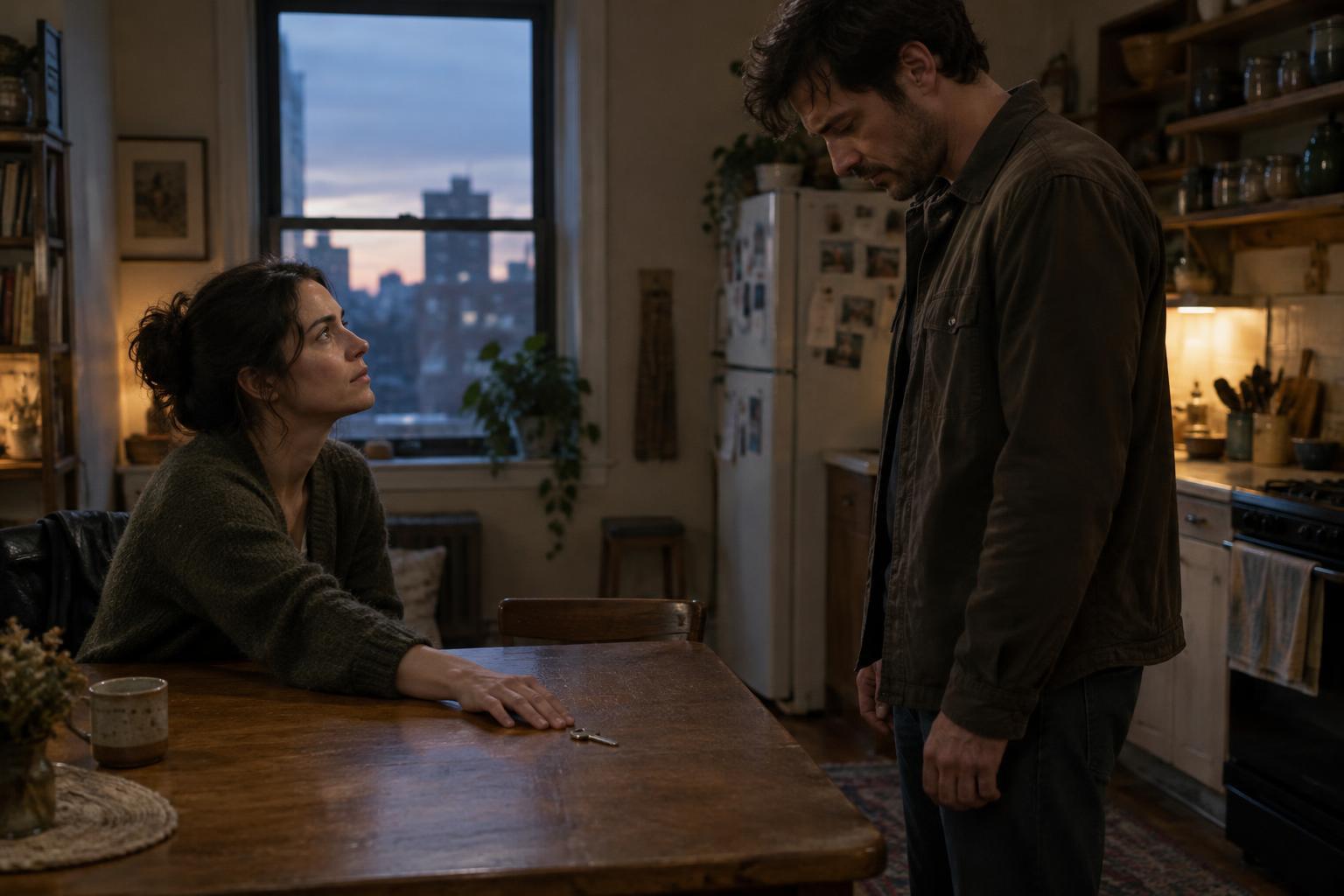
Consider a scene in which Mara asks her sister Lena to lend her a car for a job interview. “Mara wants independence” may describe a larger story, but “Mara wants Lena to hand over the keys before she leaves for work” gives this scene a task. Mara can ask, bargain or make a promise. Lena can refuse. Their choices create something to watch beyond the exchange of information.
Make the obstacle active
An obstacle is whatever prevents the objective from being achieved at once. Lena may need the car for her own shift. She may also doubt that Mara will return it on time. These pressures are more useful than a refusal with no apparent cause: they give Lena a position she can defend and Mara a problem she must solve.
The strongest obstacle for a scene is often another character pursuing a reasonable objective. Lena wants to get to work and protect a resource she relies on. Neither sister has to be written as the villain. Because their needs conflict, even an ordinary request can reveal how they understand their relationship. Mara might think a sister should trust her; Lena might think trust requires remembering what happened the last time she lent the car.
External constraints can sharpen that conflict. A ticking departure time limits how long Mara can persuade Lena, while the keys sitting on the table make the goal visible. Such details work best when they affect decisions. A clock that changes nobody’s behavior is decoration; a clock that makes Mara abandon her careful approach is an obstacle in action.
Let tactics change when they fail
An objective can remain steady while a character’s tactics shift. Mara might begin with a straightforward request. When Lena refuses, Mara offers to pay for fuel. When that fails, she reminds Lena of a favor she once did for her. Each tactic asks something different of Lena: generosity, practical agreement, then a sense of obligation. The sequence gives the actor distinct actions to play rather than several versions of the same plea.
A tactic should produce a response that matters. If Lena softens at the offer of fuel but stiffens at the reminder of an old favor, Mara learns something. She can press harder, change course or decide that getting the keys is not worth the cost. The scene moves because each attempt alters the terms of the conversation.
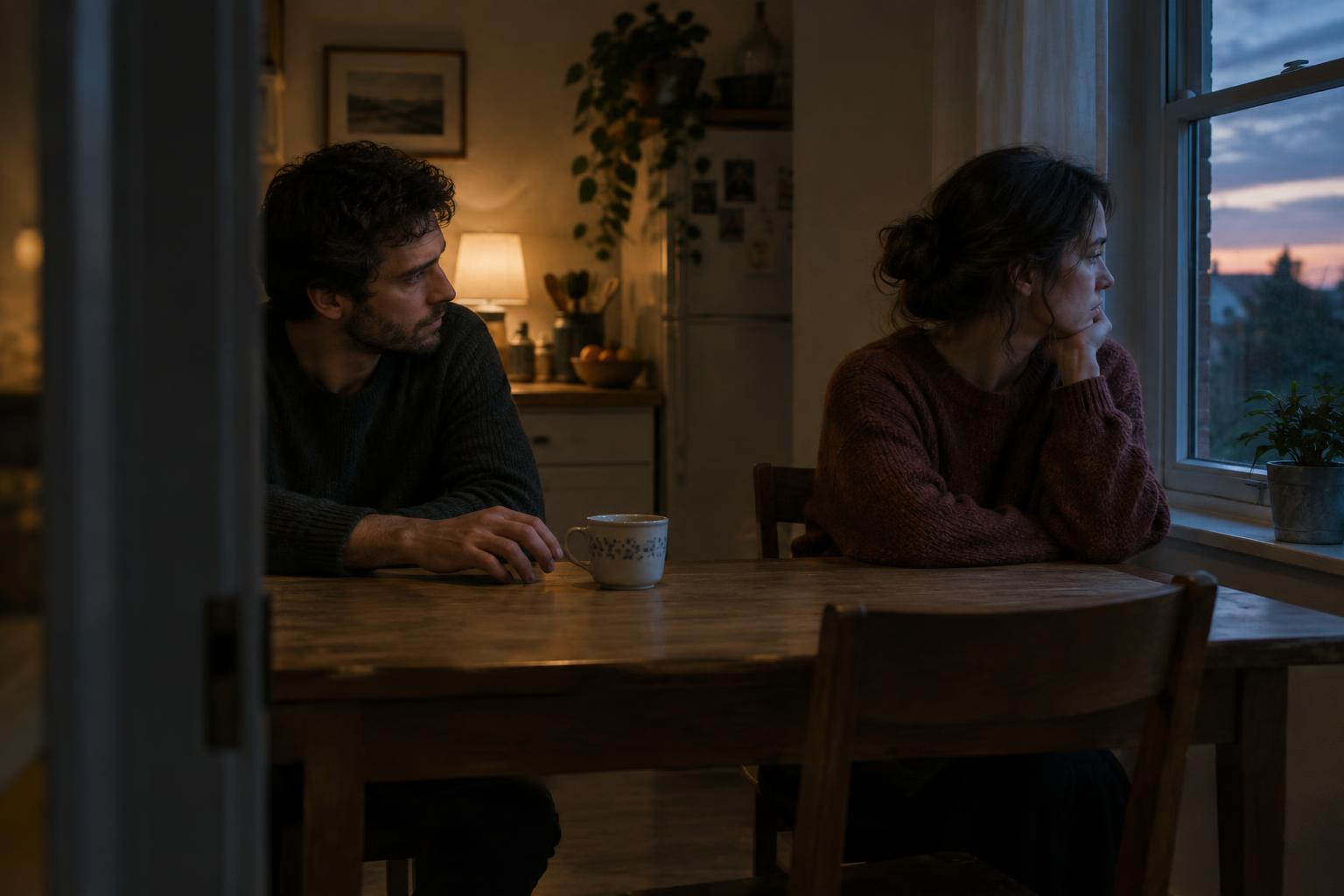
This is also a useful test for dialogue. If two characters repeat their positions without adapting, the scene may feel stalled even when the lines sound natural. Try describing each exchange with an active verb: to reassure, to corner, to deflect, to challenge. If the verbs never change, look for a new obstacle or a more consequential response.
Direct behavior, not just emotion
Objectives and obstacles help a director turn an abstract note into a playable one. “Be more upset” names an emotional result. “Get Lena to admit she does not trust you” offers the actor a pursuit. The actor can test different ways of reaching it, and the director can judge whether those choices serve the scene. Emotion may emerge from the effort and its failure without being prescribed at every moment.
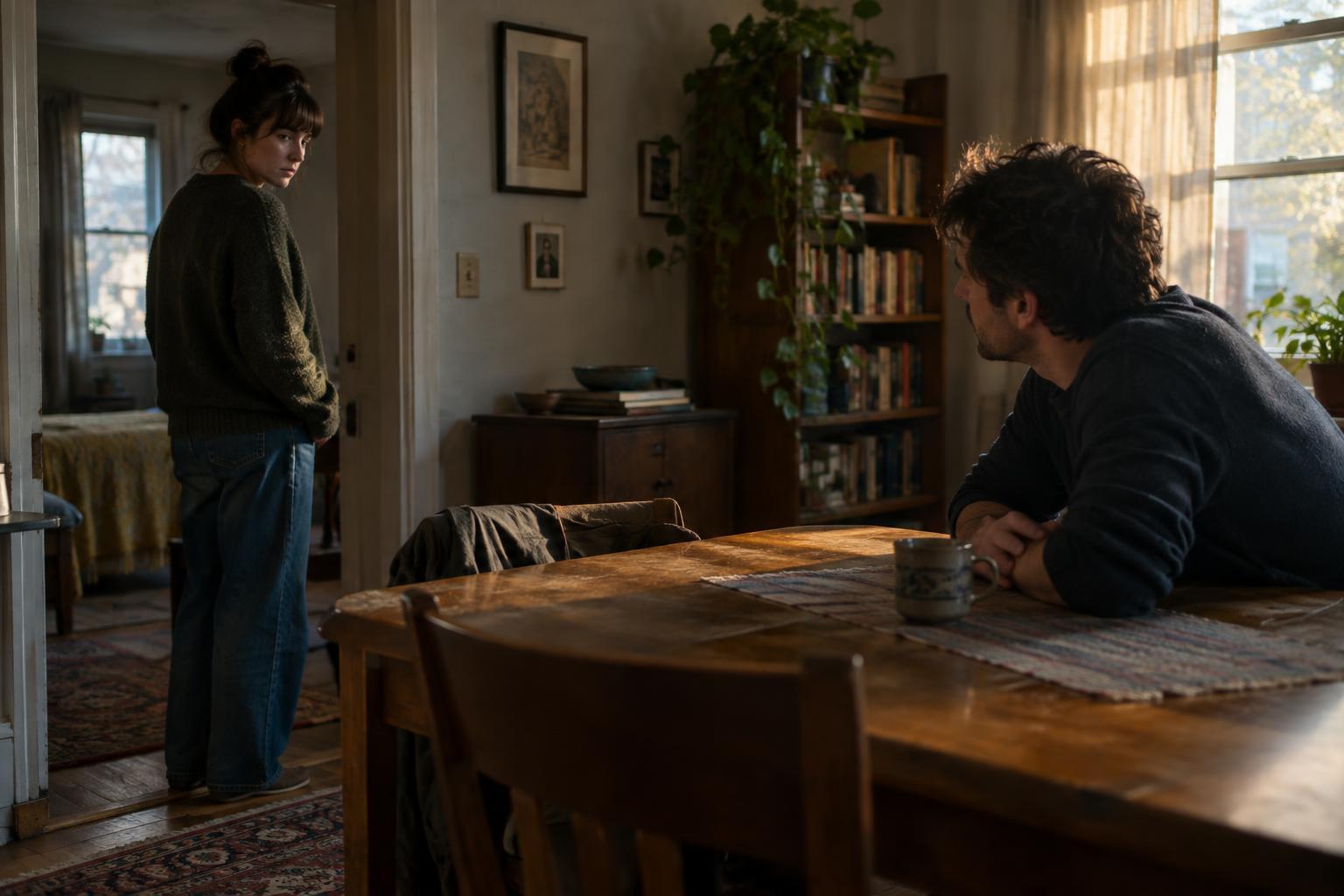
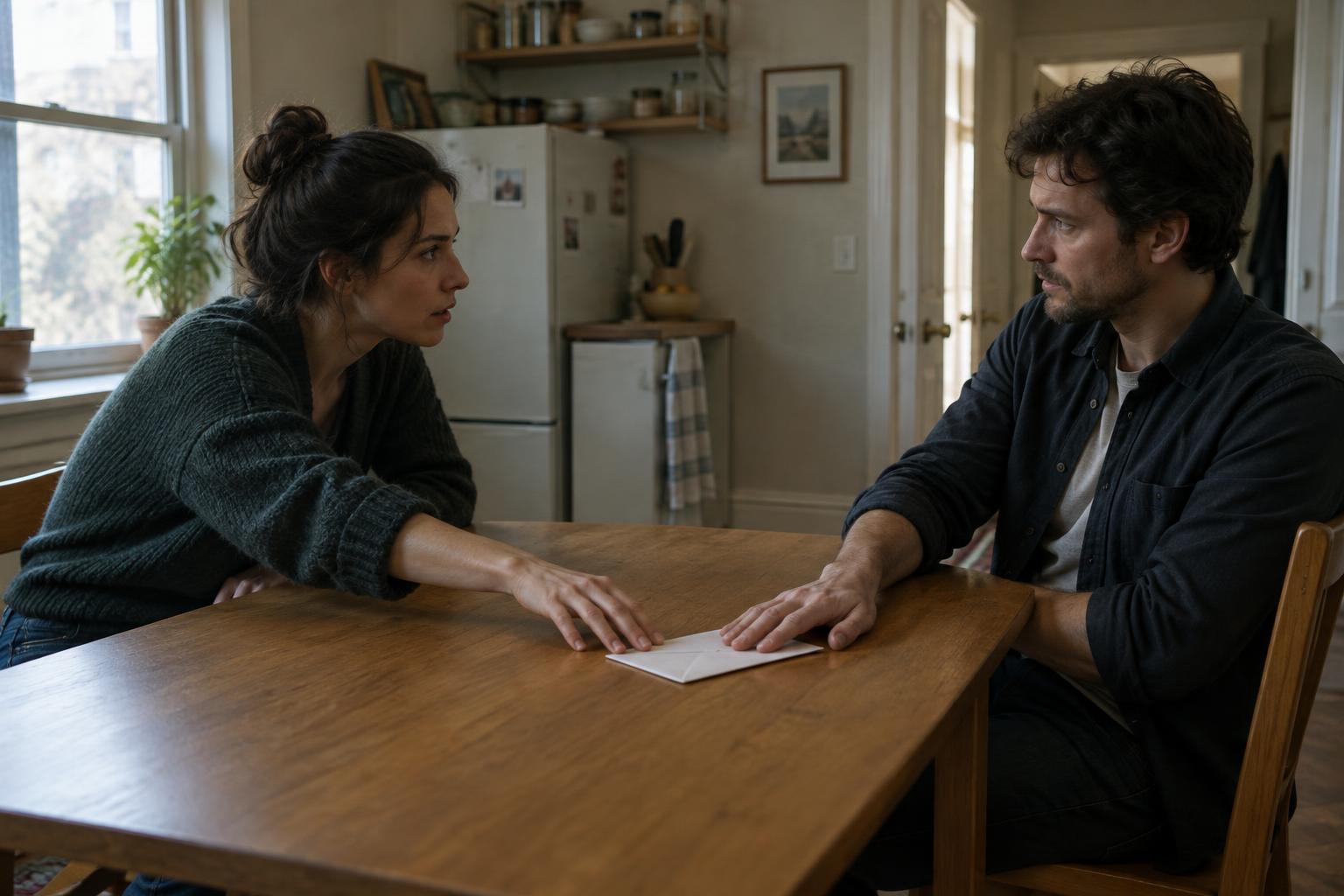
Blocking and framing can support that effort. If Lena takes the keys as she moves toward the door, Mara must decide whether to follow, stay put or block her path. Holding both sisters in a frame can let the audience compare their responses; a closer view may make a small hesitation legible. Neither choice creates conflict on its own. Camera position is most purposeful when it clarifies what a character attempts and how the other person resists.
End with a change
A playable scene does not have to end with the main character getting what they want. Lena might keep the car but offer to drive Mara, forcing both sisters into an uneasy trip together. Or Mara might get the keys only by making a promise she is unsure she can keep. In either version, the outcome changes the practical situation and leaves a new pressure for the next scene.
When revising, ask four questions: What does each character want before entering? What stands in the way? How does each person adapt when an attempt fails? What is different when the scene ends? Clear answers do not make a scene predictable. They give the characters room to surprise us through their choices.