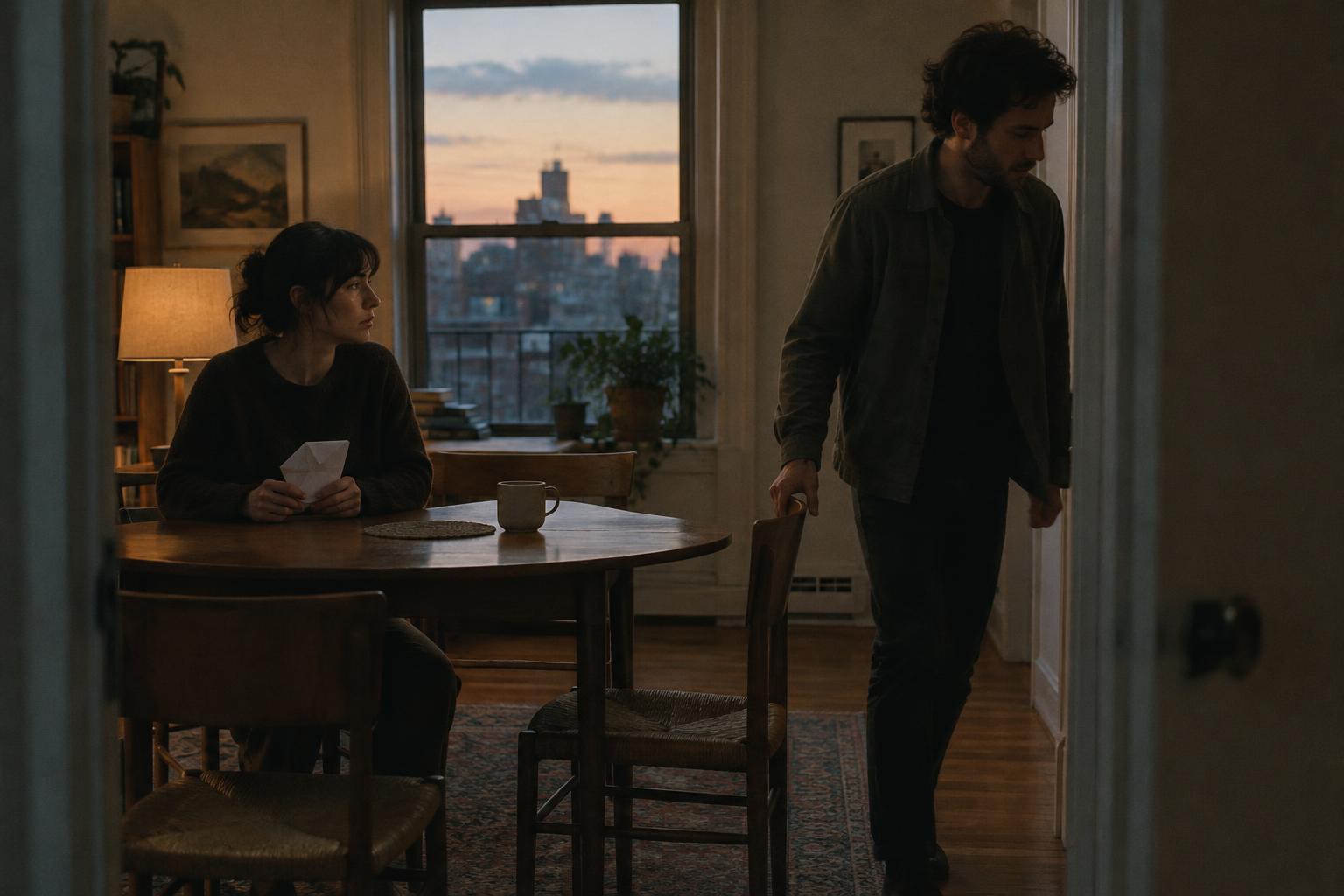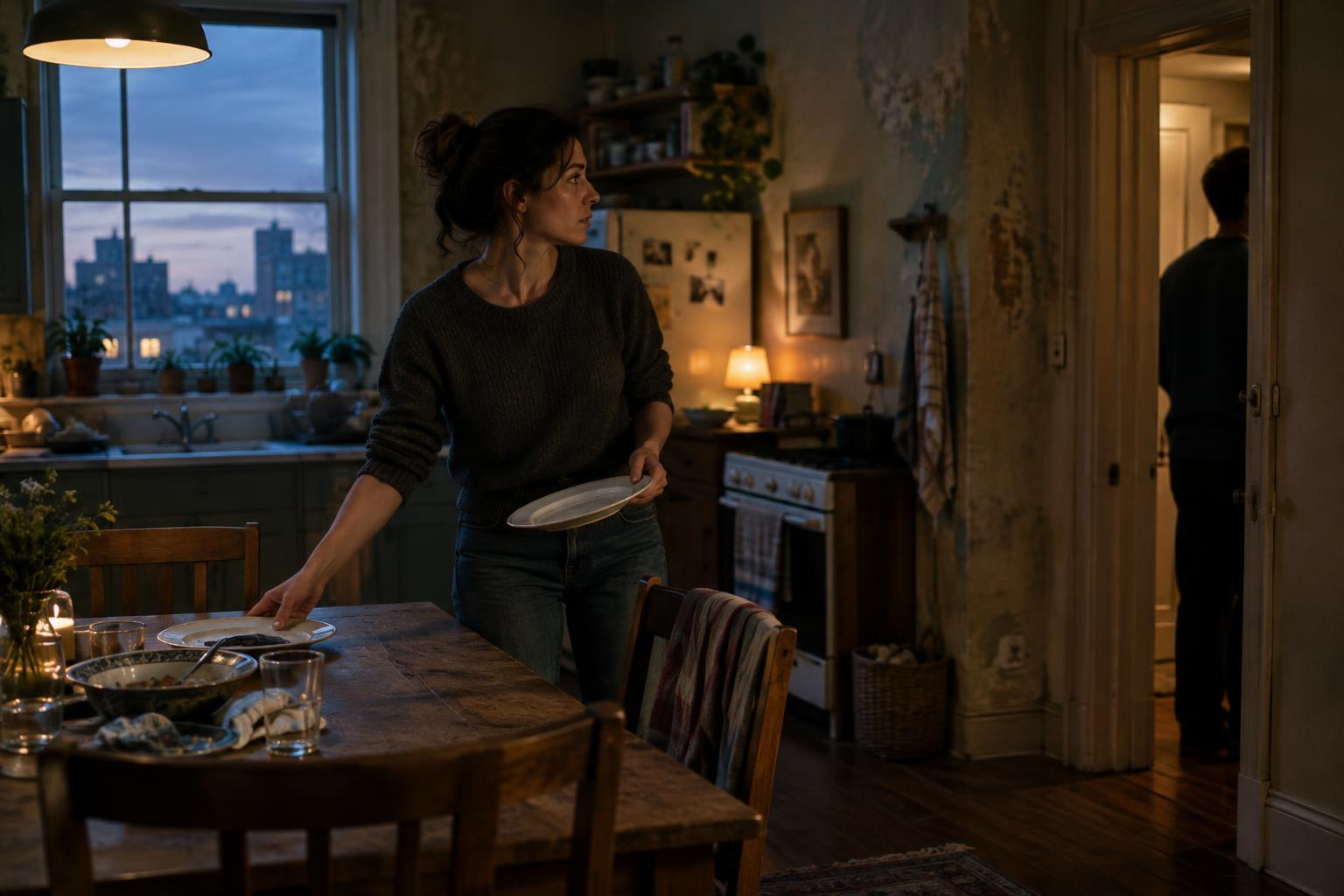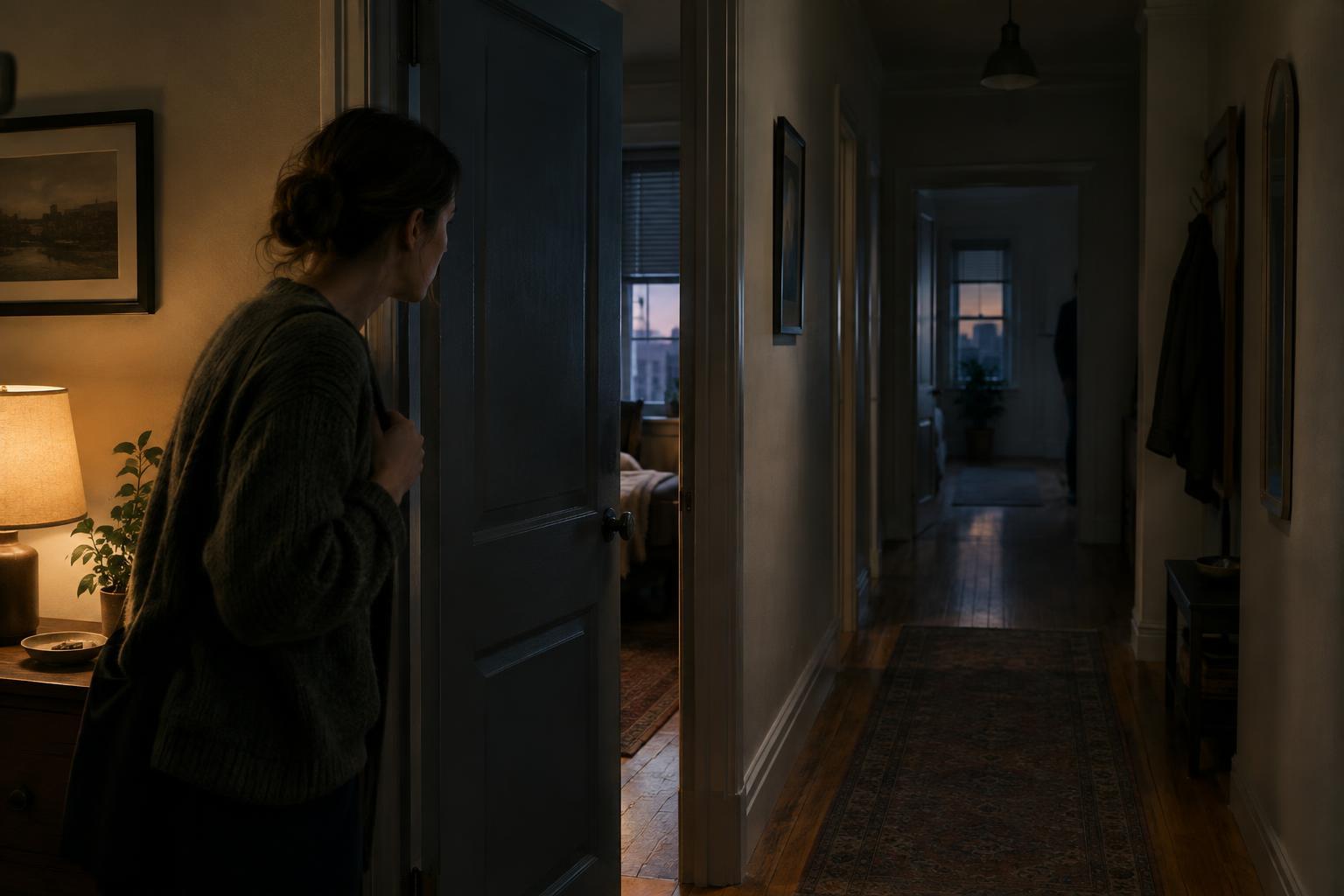
The difference is when the audience learns
Imagine a character reaching into a kitchen cupboard. If viewers have already seen a snake inside, the reach creates suspense: they know about a danger the character does not. If viewers learn about the snake only when the door opens, the moment is a surprise. The event is the same, but the timing of the information changes the experience.
Suspense gives viewers a question to carry through a scene: Will the character notice? Can they avoid what is coming? Surprise replaces that wait with a sudden change in understanding. Neither approach is automatically stronger. A director chooses between them according to what the scene needs: sustained dread, a sharp jolt, or a shift that makes earlier behavior look different. The choice begins before the reveal, with a decision about what viewers should know and when.
Map the gap between viewers and characters
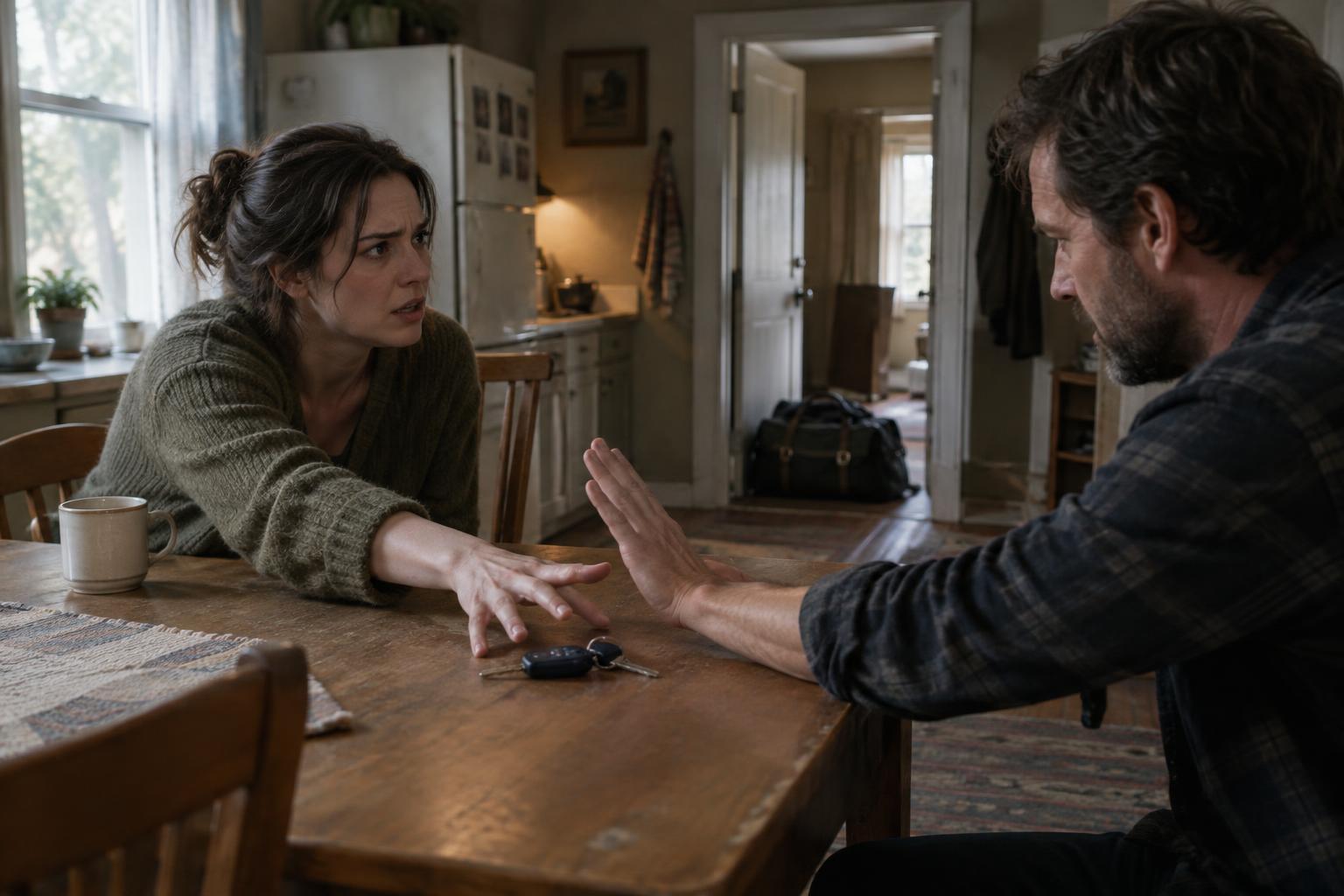
For each important beat, ask three questions: What does the character believe? What does the audience know? What is actually true? Those answers need not match. If viewers know a visitor has hidden a key, a polite conversation about a locked room can become tense. If neither the visitor’s action nor the key has been shown, the same conversation may seem ordinary until a later discovery changes its meaning.
This map helps distinguish a purposeful omission from a confusing one. Viewers do not need every fact, but they need enough context to understand why an action matters. A ticking sound, for example, may create unease; without some reason to connect it to a threat, it may be too vague to sustain a scene. Decide which information is essential to the present tension and which can wait. Then check whether the character’s choices remain believable given what that character, not the audience, knows.
Build suspense through space, time and attention
Suspense often grows when viewers can track both a danger and a path toward it. Suppose a character searches an empty theater for a lost phone while someone waits behind the stage curtain. A wide shot can establish the distance between them. Later shots can narrow that distance as the search moves backstage. Because viewers understand the layout, an ordinary turn down a corridor becomes a meaningful decision rather than a random move toward danger.
Blocking and shot duration can deepen the effect. Holding on the character as they approach the curtain gives viewers time to anticipate what might happen. Cutting briefly to a hand behind the fabric confirms that the threat has not gone away. Sound can direct attention beyond the frame: a floorboard creak may suggest movement in a place the camera does not show. These choices work best when each new cue changes the audience’s expectation. Repeating the same warning without development can make the wait feel stalled.
Make surprise feel earned, not withheld
For surprise, the director may restrict the view. In the theater scene, staying close to the searching character could conceal who else is backstage. A sudden voice from the darkness would then interrupt the audience’s assumptions along with the character’s. The camera has not lied; it has simply stayed with one limited perspective.
A satisfying surprise also fits what came before. If the unseen person is a friend who arranged the search as a distraction, earlier details might later take on a second meaning: a message that sent the character to the theater, or a door left conveniently unlocked. Those details need not announce the answer. They give viewers a way to reconsider the scene after the reveal. By contrast, hiding information the viewpoint character plainly sees can feel like a trick unless the film has established a clear reason for that restriction.
Change the audience’s position as the scene unfolds
A scene does not have to choose one effect from start to finish. A surprise can launch suspense: viewers discover someone behind the curtain, then watch the searcher approach. Suspense can lead to a surprising reversal: the searcher reaches the curtain, but the real threat is at the exit. In each case, the director changes what viewers know, then allows that new knowledge to shape the next stretch of action.
When planning a sequence, mark the moment of each reveal and consider its consequences. Does the audience have time to anticipate, or should the discovery interrupt them? Can viewers tell where people are and what they want? After a reveal, does the scene offer a new question rather than merely ending the old one? Directing suspense and surprise is less about hiding everything than about giving each piece of information a job.