Tone is a relationship, not a decoration
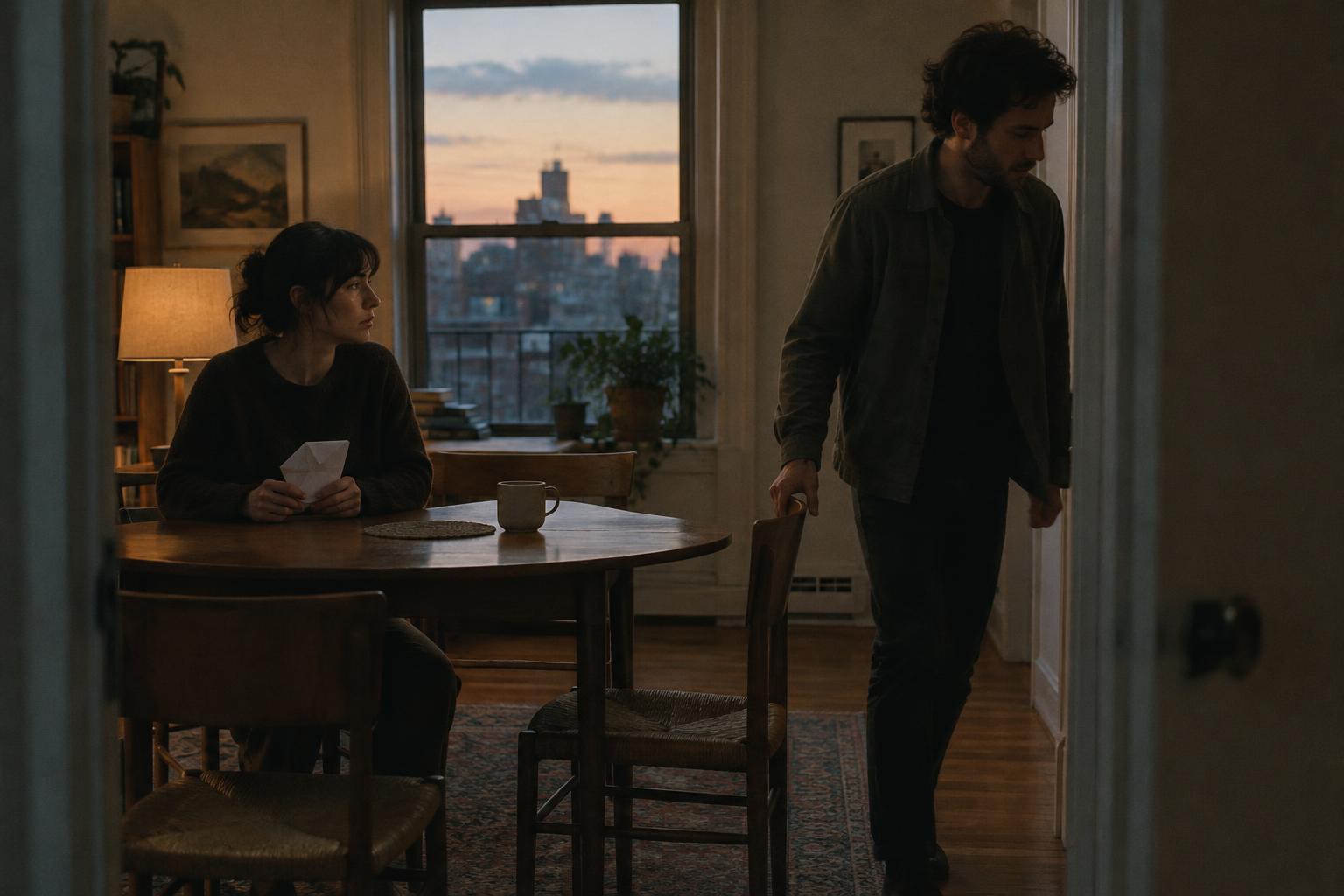
A dim room does not automatically make a scene tense, just as a bright room does not guarantee warmth. Tone develops through the relationship between what a character does, how they do it and the world around them. A person waiting beside a packed suitcase might seem hopeful if they keep checking the window for a familiar car. The same wait can feel uneasy if they avoid looking at the locked door. The room supplies information, but behavior tells us how to read it.
For a director, a useful starting question is not simply “Should this scene feel sad or funny?” It is “What does the audience believe could happen next, and how should they feel about that possibility?” That question gives each department a shared purpose without requiring every element to make the same obvious statement. An inviting setting can heighten dread when a character acts as though it is unsafe. A restrained performance can make a chaotic event feel strangely ordinary.
Performance gives tone a point of view
Actors communicate tone through attention as much as emotion. Where a character looks, what they choose not to answer and how quickly they resume a routine can reveal their relationship to the moment. In a scene about bad news, a large display of grief may invite the audience to share that feeling immediately. A character who carefully straightens a crooked picture instead may create uncertainty: are they in shock, hiding something or trying to hold themselves together?
That choice works best when it grows from a clear objective. An actor playing someone who wants to end a conversation will make different choices from one who wants to delay it, even if both characters are afraid. The director can then shape tone by adjusting the obstacle. Does the other person keep asking questions? Is there a task the character must finish before leaving? Specific intentions and pressures give a performance something to play beyond a general instruction to be “more tense.”
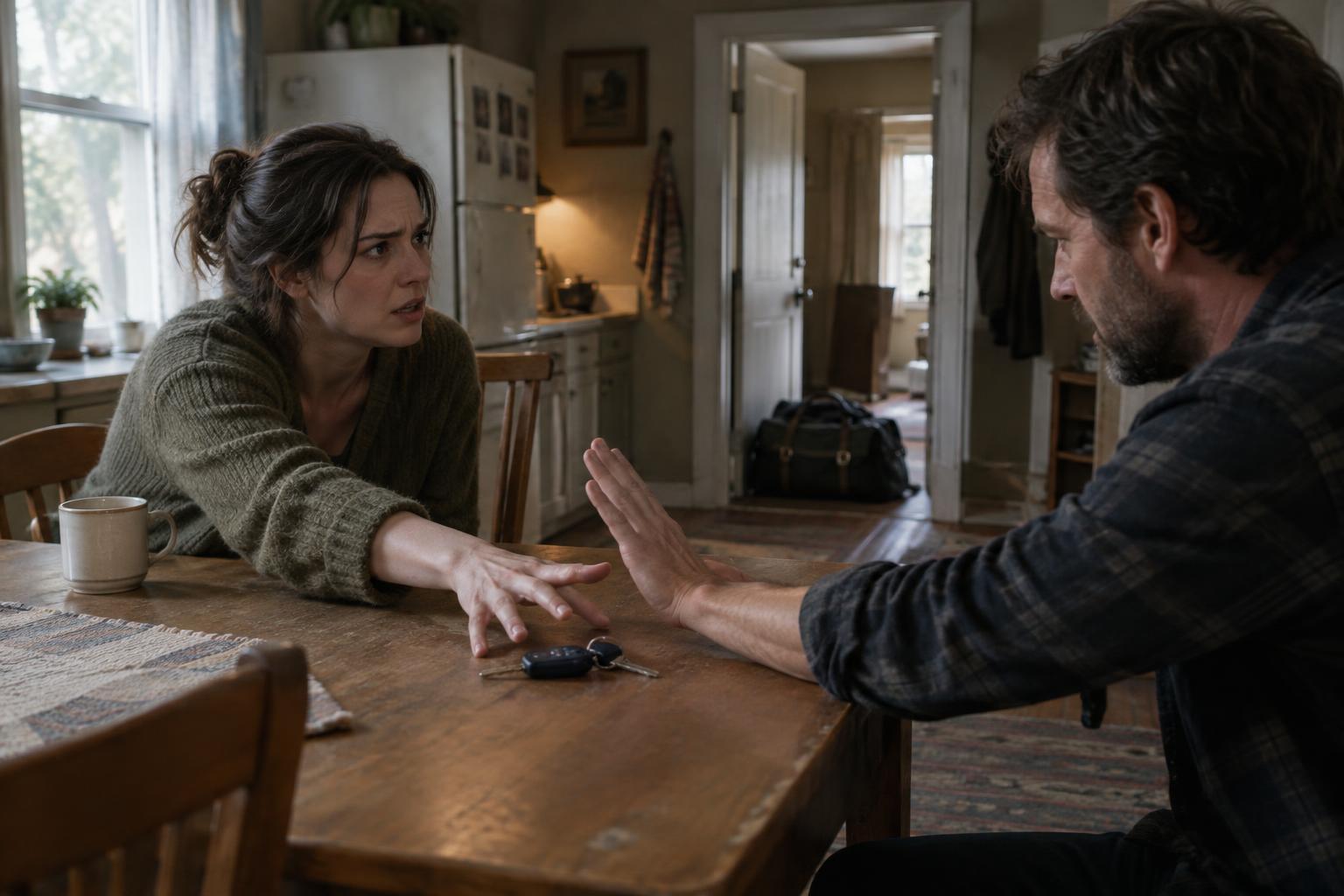
The responses of other characters matter too. A joke delivered during an argument can release pressure if everyone laughs. If nobody does, the same line may expose a painful distance between people. Tone is often established by the reaction that follows an action, not by the action alone.
Action sets the scene’s rhythm
Action need not mean a chase or a fight. Pouring tea, searching for a key or making space for a guest gives a scene a sequence of decisions. Each decision changes what the audience expects. A guest who waits to be offered a chair suggests one kind of relationship; a guest who sits before the host enters suggests another. Small physical choices can make an otherwise quiet exchange feel welcoming, awkward or threatening.
Consider how long a task takes and what interrupts it. If a character repeatedly fails to thread a needle while avoiding a difficult question, the action can prolong discomfort without adding more dialogue. If they complete the task with practiced ease, their calm may shift our attention to the person questioning them. The scene’s pace comes from these changes in pressure: attempts, delays, interruptions and consequences.
When planning a scene, identify one action that can carry its emotional turn. It should be something the character has a reason to do, not a symbol inserted only for the viewer. A person packing to leave might initially fold every item neatly, then abandon an open drawer after hearing something unexpected. The change in action makes the shift in tone visible.
Setting offers possibilities—and resistance
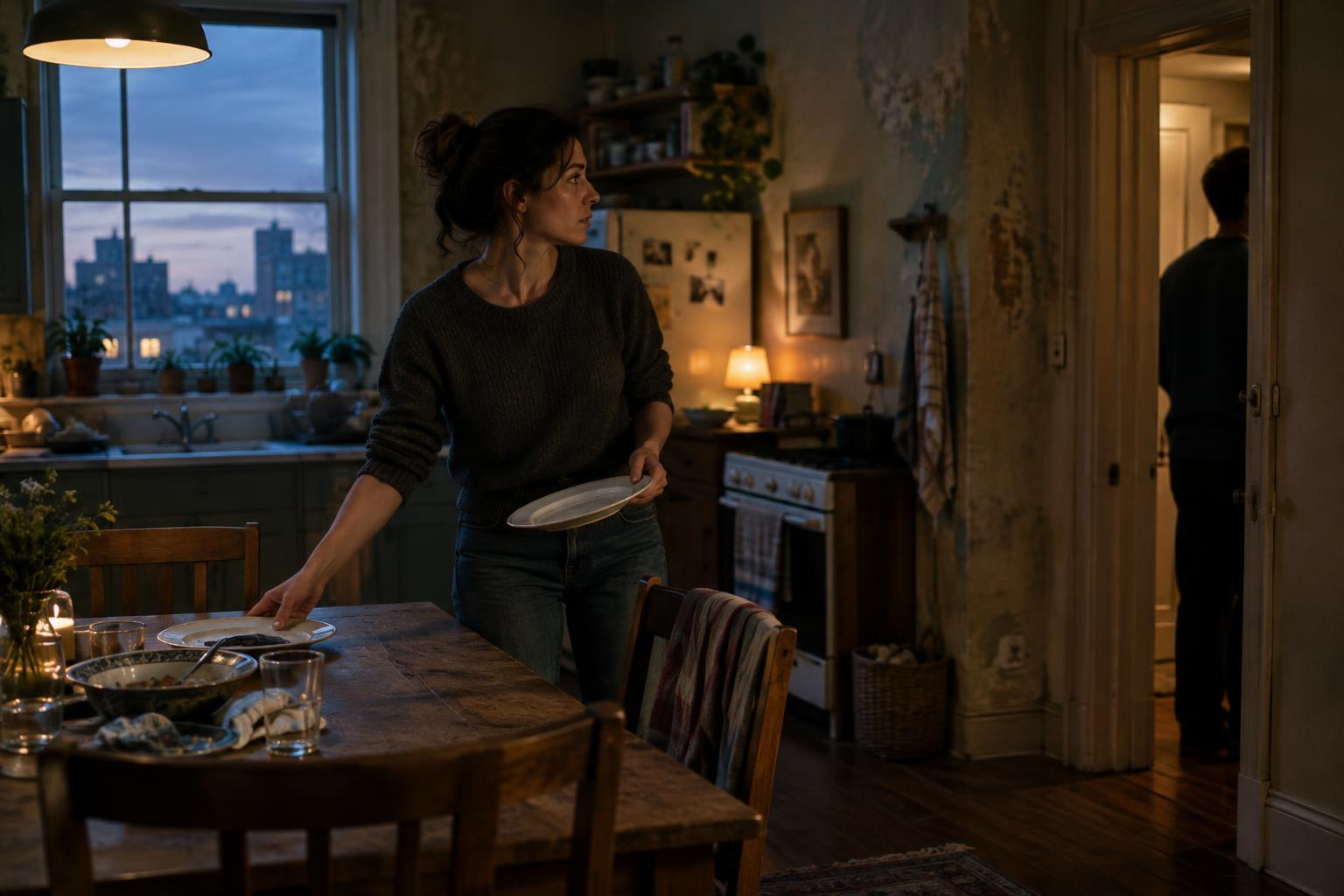
A setting shapes tone by affecting what characters can see, hear and do. A narrow hallway may force two people to stand close while making it hard for either to leave gracefully. A busy kitchen can give a character chores to hide behind. Rather than treating a location as a backdrop, look for the ways it helps or frustrates a character’s objective.
Details are most useful when performers can interact with them. A door that sticks, a table laid for one extra person or a lamp that leaves part of a room unlit can influence blocking and attention. Too many emphatic details, however, may tell viewers how to feel before the scene has earned it. A simple setting often leaves room for a performance or action to complicate the first impression.
To test whether the elements work together, describe the scene without using a mood word. Note what the character wants, what they physically do, how others respond and which features of the space affect those choices. If those answers point toward the experience you intend, the tone has a foundation. If they conflict, the conflict may be worth keeping—provided it reveals something rather than merely sending mixed signals.