The gap that changes a scene
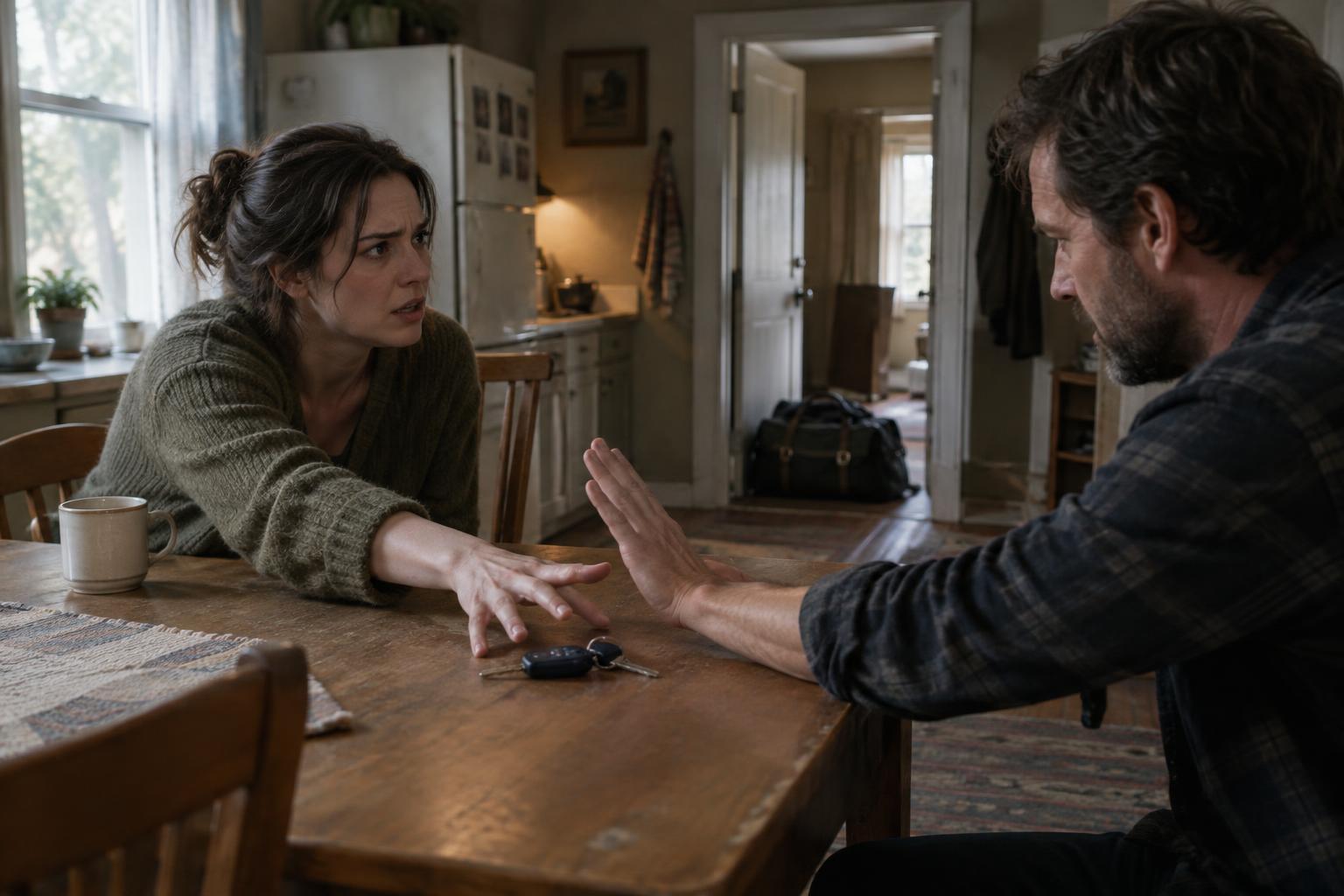
Dramatic irony occurs when viewers understand something important that a character does not. Imagine a woman returning a borrowed key to a friend. The exchange is ordinary until we have seen that the friend secretly made a copy. Now a polite conversation can feel threatening, even though the woman has no reason to be alarmed. The event on screen has not changed; the audience’s knowledge has changed its meaning.
This is different from simply withholding information for a surprise. A surprise asks, “What just happened?” Dramatic irony asks, “When will the character find out, and what will happen before then?” It can generate suspense, but it can also create comedy, tenderness, or sadness. Viewers might watch a character proudly prepare a gift that the recipient has already bought, or listen to someone make a promise they cannot yet know will be difficult to keep.
Decide who knows what, and when
Before designing shots, define the knowledge gap in plain terms. What do viewers know? Which character lacks that information? Why does it matter to the choice the character is about to make? If the answer to the last question is weak, the irony may feel like a clever detail rather than a dramatic force. The copied key matters because the woman may decide whether to trust her friend, leave something valuable in the apartment, or invite the friend back.
Timing determines how long the gap can sustain a scene. Reveal the secret too early, and the audience may grow impatient while the character misses repeated clues. Reveal it too late, and viewers have little time to experience the changed meaning of the character’s behavior. A useful approach is to introduce one clear piece of information, then let the character make a choice that would look different if they knew it. Each subsequent choice can raise the cost without requiring a louder or more elaborate secret.
Use film language to make knowledge visible
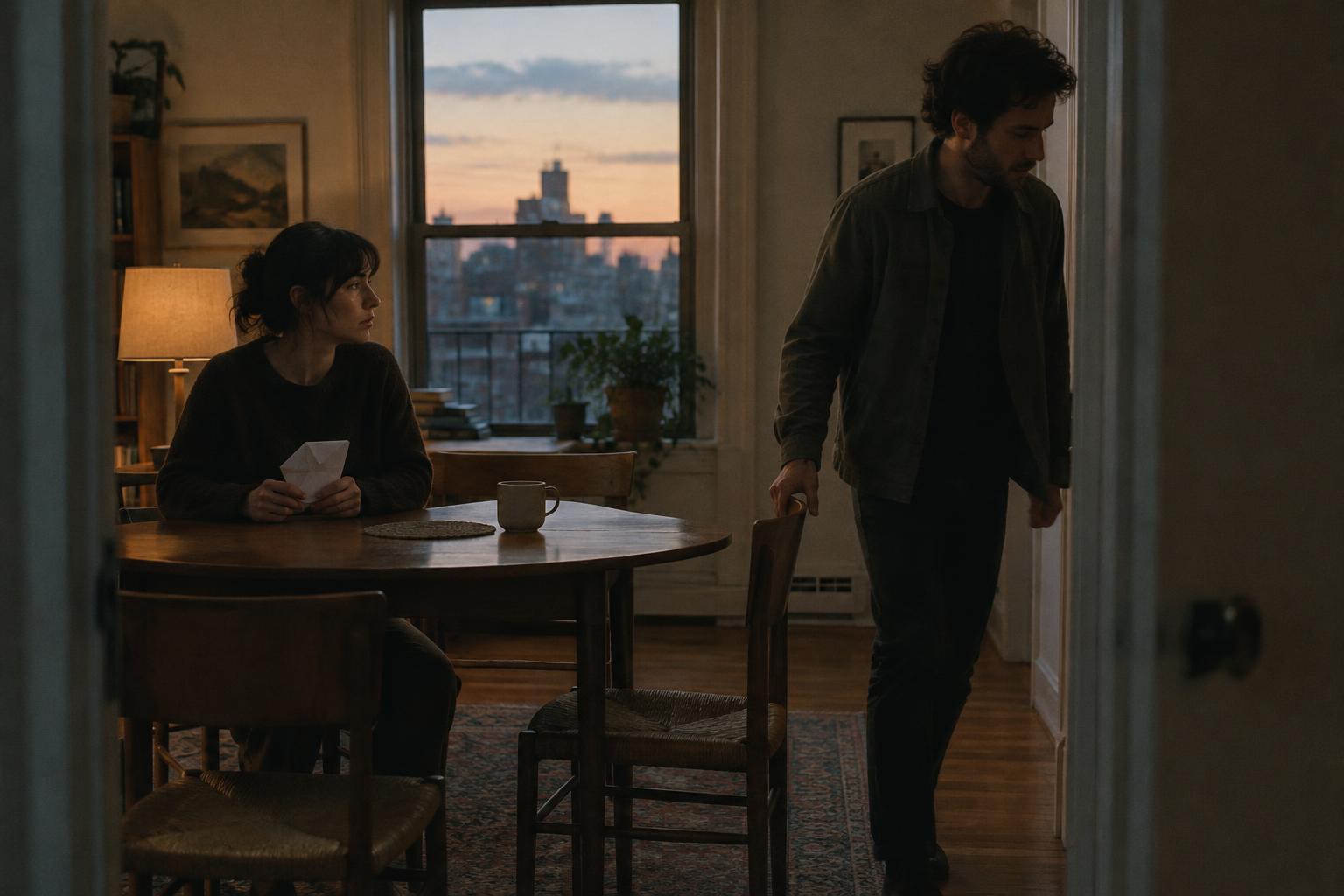
A film can give viewers an advantage through framing. A wide shot might show a phone lighting up behind a character who is confidently telling a friend no one has called. A close-up can make the message readable, but it is not always necessary: a familiar name on the screen or a distinctive sound may be enough. The director’s task is to make the clue legible to viewers while preserving a believable reason the character misses it. Where the character is looking, how the room is arranged, and what draws their attention all help establish that logic.
Editing offers another route. Cutting from a character’s sincere explanation to an action elsewhere can let viewers hold two conflicting accounts at once. Sound can do similar work within a single shot: footsteps beyond a closed door may tell us someone is approaching while the characters continue talking. These choices should suit the scene’s point of view. If the film has stayed closely aligned with one character, a sudden cut to reveal a secret may feel jarring unless that shift is intentional.
Keep the audience invested in the person who does not know
Dramatic irony works best when a character’s ignorance feels understandable, not foolish. Give them a credible task, distraction, or reason to trust what they have been told. Then let their behavior express who they are. One person might respond to an uneasy feeling by asking a direct question; another might avoid conflict and continue the conversation. Viewers can anticipate the consequences of either choice without looking down on the character.
The gap in knowledge can also reveal competing intentions. If viewers know that a guest plans to leave town, an invitation to next week’s dinner takes on two meanings: the host hears a simple commitment, while the guest hears a decision they are not ready to explain. Allowing both characters a recognizable need keeps the scene from becoming a mechanical wait for disclosure. The audience is watching not only for the truth to emerge, but for how each person will handle it.
Give the reveal an aftermath
The moment a character learns the truth closes one knowledge gap, but it should open a meaningful new situation. They may reassess an earlier kindness, change a plan, or choose to conceal what they now know. That response is the payoff for the time viewers spent anticipating discovery. If the reveal changes nothing, the preceding tension can feel disconnected from the story.
When revising a scene, track the information available to viewers and characters at each beat. Remove clues that merely repeat what is already clear, and check that crucial clues can be noticed without pausing the film. Most importantly, ask whether the added knowledge deepens a decision or relationship. Dramatic irony is not just a way to put the audience ahead. It is a way to make every ordinary word and gesture carry another possible meaning.