What makes a camera move feel motivated?
Camera movement is motivated when it responds to something meaningful in the scene: a character’s shift in attention, a new piece of information, a change in power or a change in how close the audience should feel. The motivation need not be literal. A camera can move even while the actors remain still, provided the movement helps express what is happening beneath the dialogue.
A useful test is to describe the shot in two parts: what the viewer understands before the movement, and what they understand after it. If those answers are identical, the move may be decorative. That is not automatically a problem—visual rhythm matters—but a prominent move asks the audience to notice a change. Knowing what that change is gives the shot a purpose and helps determine where it should begin and end.
Movement is also a choice among alternatives. A cut can deliver information quickly; a static frame can let tension build without intervention. Moving within a shot keeps time continuous while altering the viewer’s relationship to the action. Choose it when that continuous shift matters, not simply because the equipment is available.
The push-in: narrowing attention
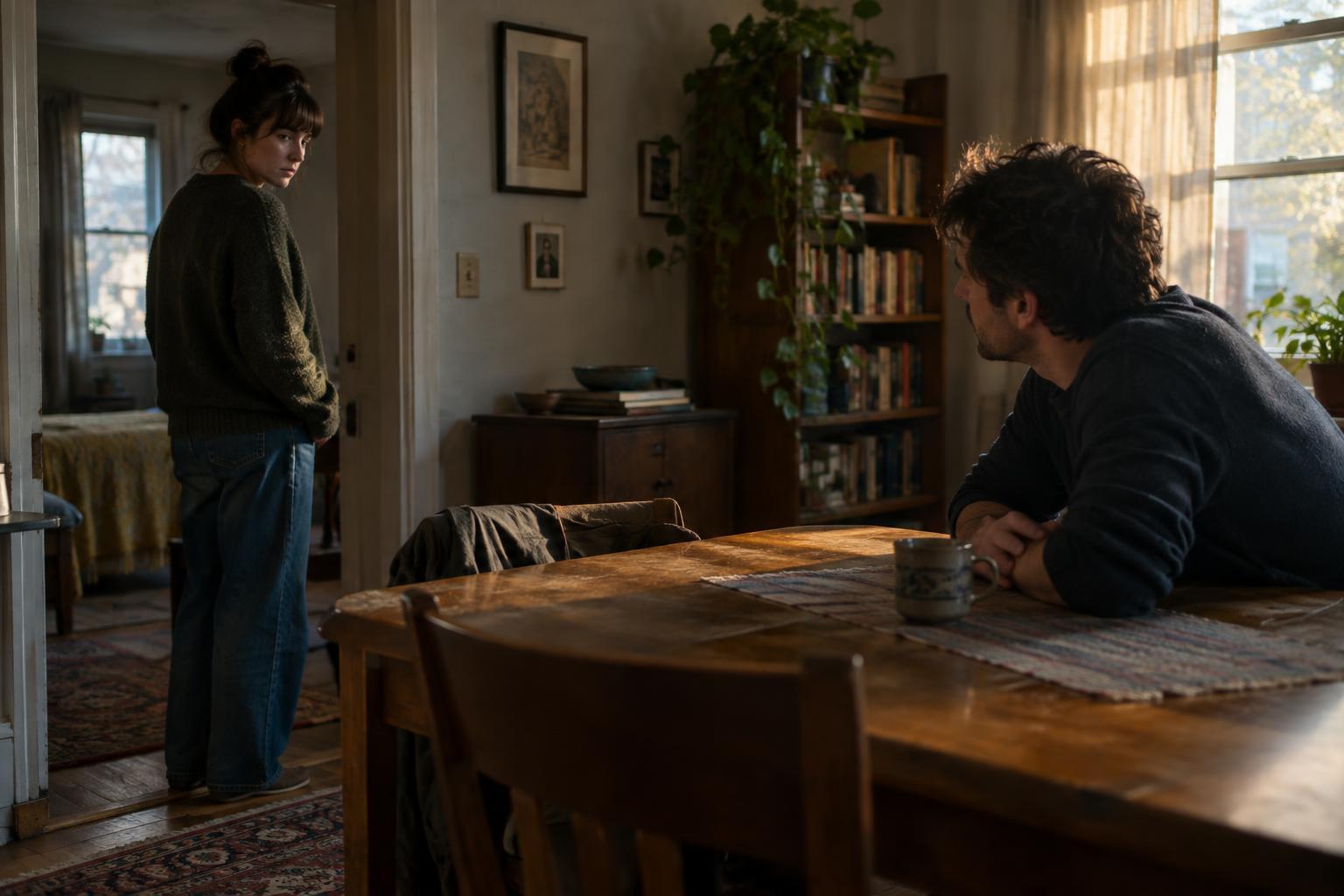
A push-in brings the camera closer to its subject, often reducing the visual importance of the surrounding space. It can make a realization feel private or signal that a detail has become impossible to ignore. Imagine a character listening politely until a familiar name is mentioned. A slow push-in that begins at the name and settles as the character decides not to react can draw attention to that controlled response without requiring an explanatory line.
Timing does much of the work. If the camera moves before the name is spoken, viewers may anticipate a revelation. If it starts on the character’s response, they discover its importance alongside the character. A faster move might convey urgency, while a nearly imperceptible one can allow the change to register gradually. Neither speed has a fixed meaning; performance, sound and context shape the result.
Before planning a push-in, ask what the frame loses as it gets tighter. Background characters, exits and objects may disappear. That loss can be useful if the scene is about someone becoming absorbed in a thought. If the surrounding space holds the suspense, however, staying wide may be more effective. Also consider whether a close-up reached by a cut would land more cleanly than a gradual approach.
The pullback: changing the scale of a moment
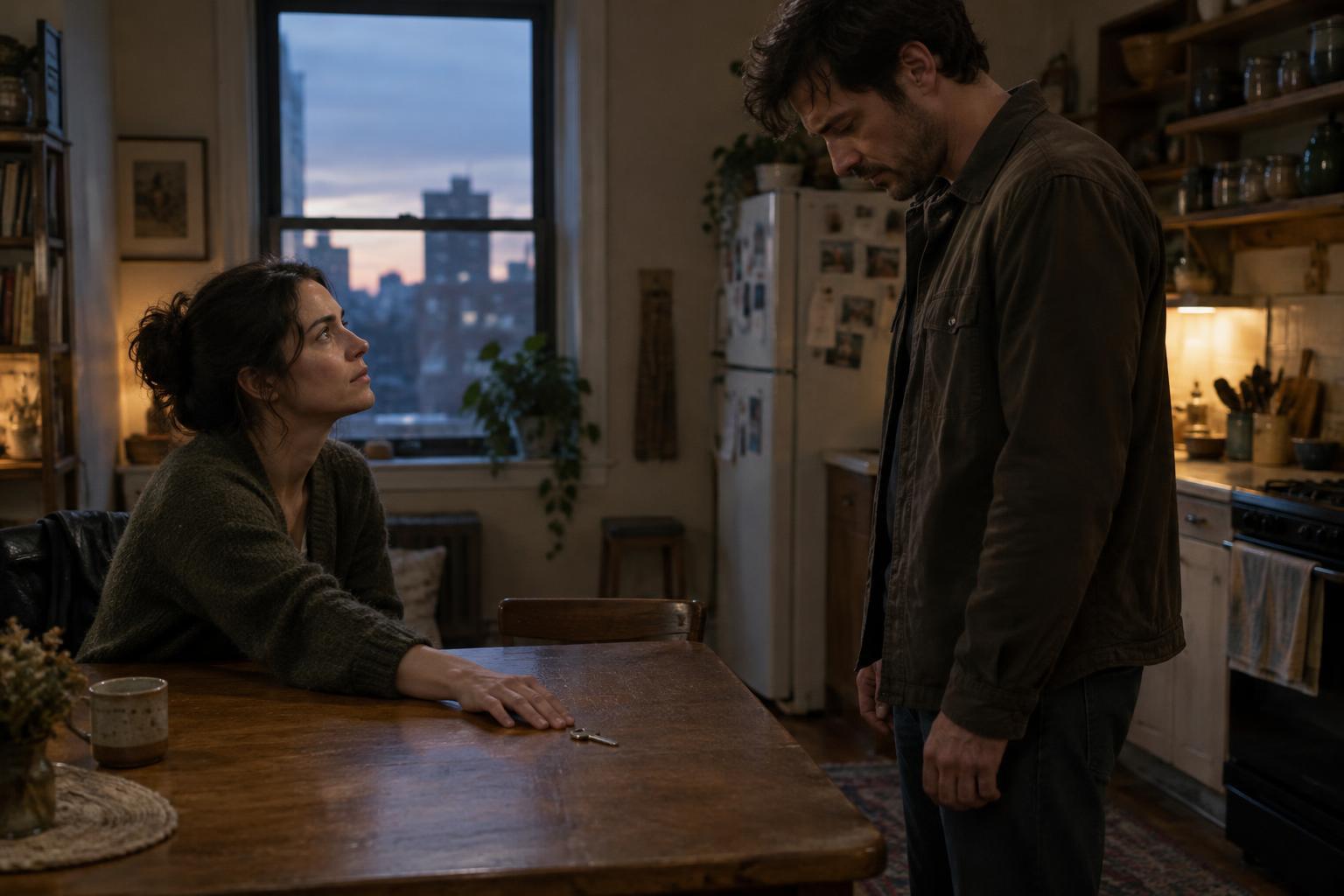
A pullback increases the space visible around a subject. It can reveal context, create emotional distance or show that a character’s problem extends beyond what the initial frame suggested. Suppose a person finishes a confident speech in a tight shot. Pulling back to show an almost empty room changes the meaning of their confidence. The movement lets the audience revise its understanding while the moment continues.
A pullback does not have to make someone seem lonely or small. It might reveal an ally stepping into frame, an overlooked escape route or the full geometry of a crowded workspace. To keep the move specific, decide what the wider view contributes. If it reveals nothing new, the pullback may simply weaken the emphasis established by the closer frame.
Pay attention to the endpoint. The last composition should be worth arriving at: a clear relationship between figures, an object newly placed in context or a space that changes the emotional reading of the scene. When the destination is vague, the camera can appear to drift away from the action rather than complete a thought.
The pan: connecting points of attention
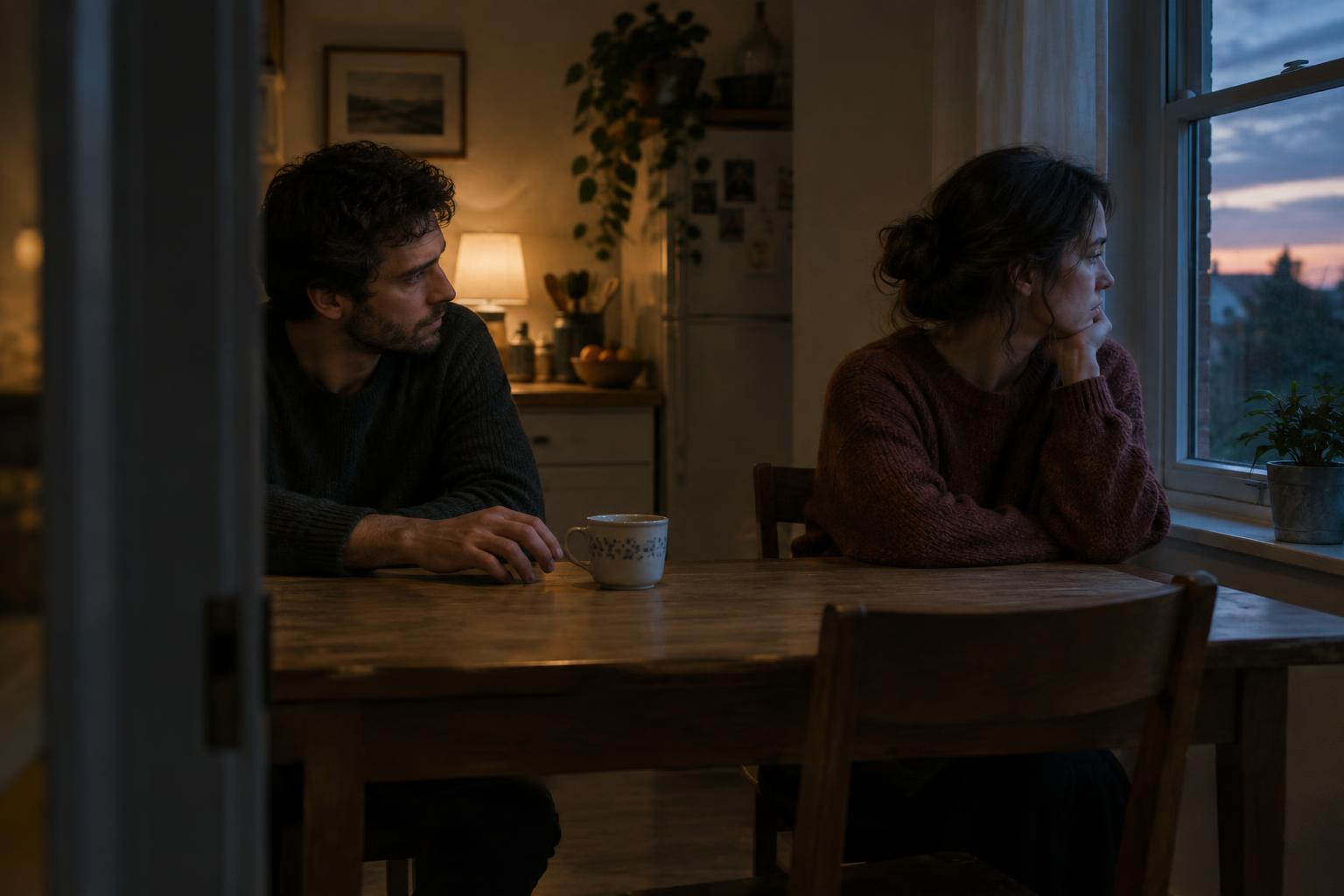
A pan rotates the camera to change what the frame contains. It can follow a look, track action or link two pieces of information within one continuous moment. If a character hears a sound off-screen and turns, a pan can carry the viewer from their reaction to its source. The audience experiences the delay between question and answer, which a direct cut might shorten.
That delay should have a reason. A slow pan across an empty hallway can build anticipation because viewers search the frame as it moves. A brisk pan between two speakers can preserve the energy of an exchange. Decide whether viewers should discover the destination before, with or after a character does. Then set the starting frame, pace and endpoint to support that order of discovery.
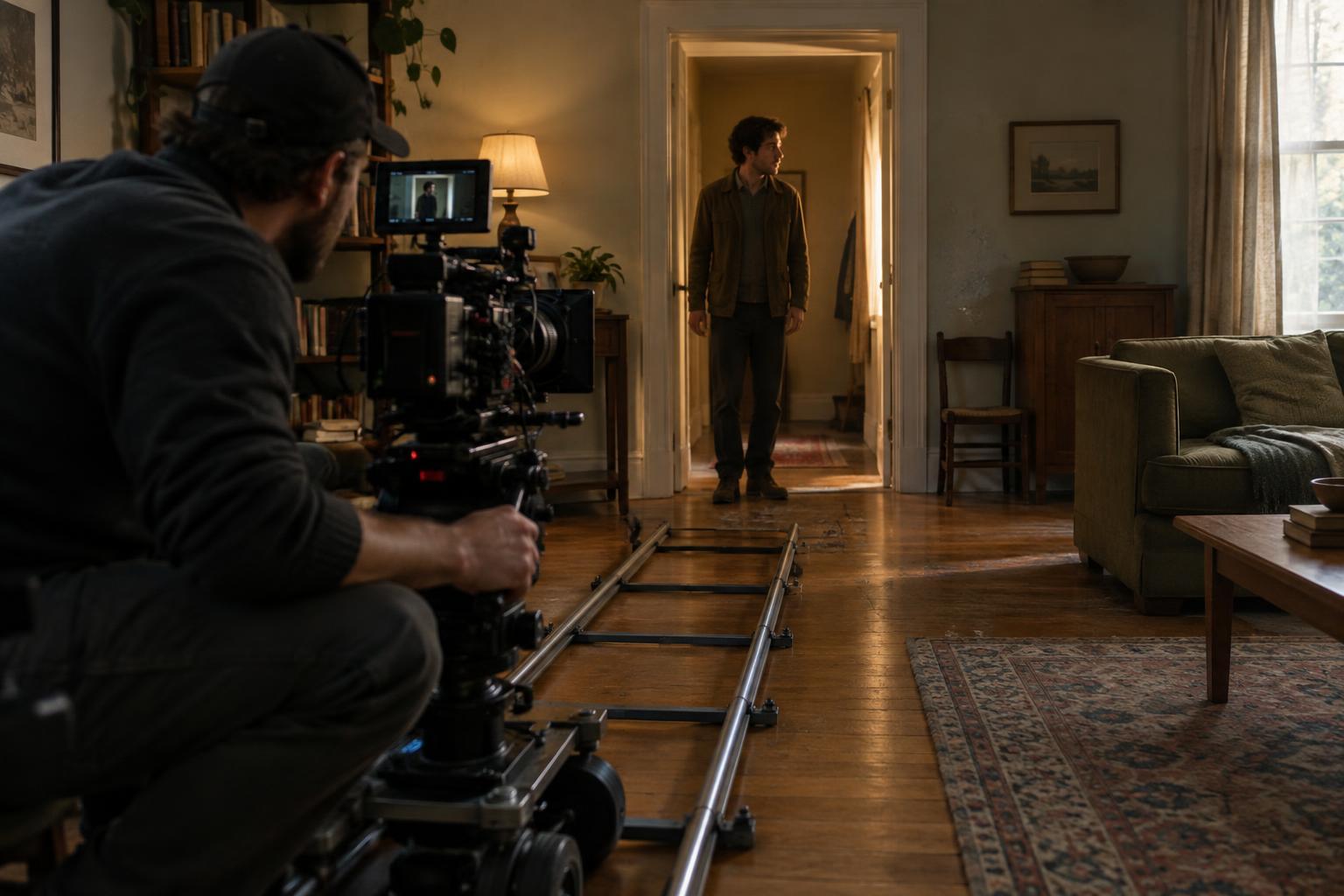
When planning any of these moves, try a simple rehearsal with a static frame first. Identify the exact beat that invites movement and the exact image that should end it. Check whether actors’ positions, background details and sound still support the idea when the camera travels. If the scene works better without the move, keeping the camera still is a deliberate directing choice—not a missed opportunity.