Begin with the scene’s turning point
A useful rehearsal starts with a question: what changes between the beginning and end of this scene? A character may arrive expecting an apology and leave with a reason to distrust someone. That shift gives the cast and director something more precise to investigate than a general instruction such as “make it tense.” It also helps distinguish details the audience needs to notice from details that can remain open to interpretation.
Before asking actors to move through the scene, discuss what each character wants, what they believe the other person wants, and what might change their approach. Keep these ideas provisional. If an actor finds a more convincing response while playing the scene, the rehearsal has done its job. The goal is not to agree on a single explanation for every line; it is to establish a playable situation.
Try actions instead of prescribing emotions
An emotional result is difficult to repeat on command. An action gives an actor something to do: delay an answer, win someone’s confidence, hide a mistake, or end a conversation without appearing rude. A director can ask the cast to run the same exchange with different actions and watch how the rhythm changes. One version may reveal conflict too early; another may let a polite surface make the conflict more compelling.
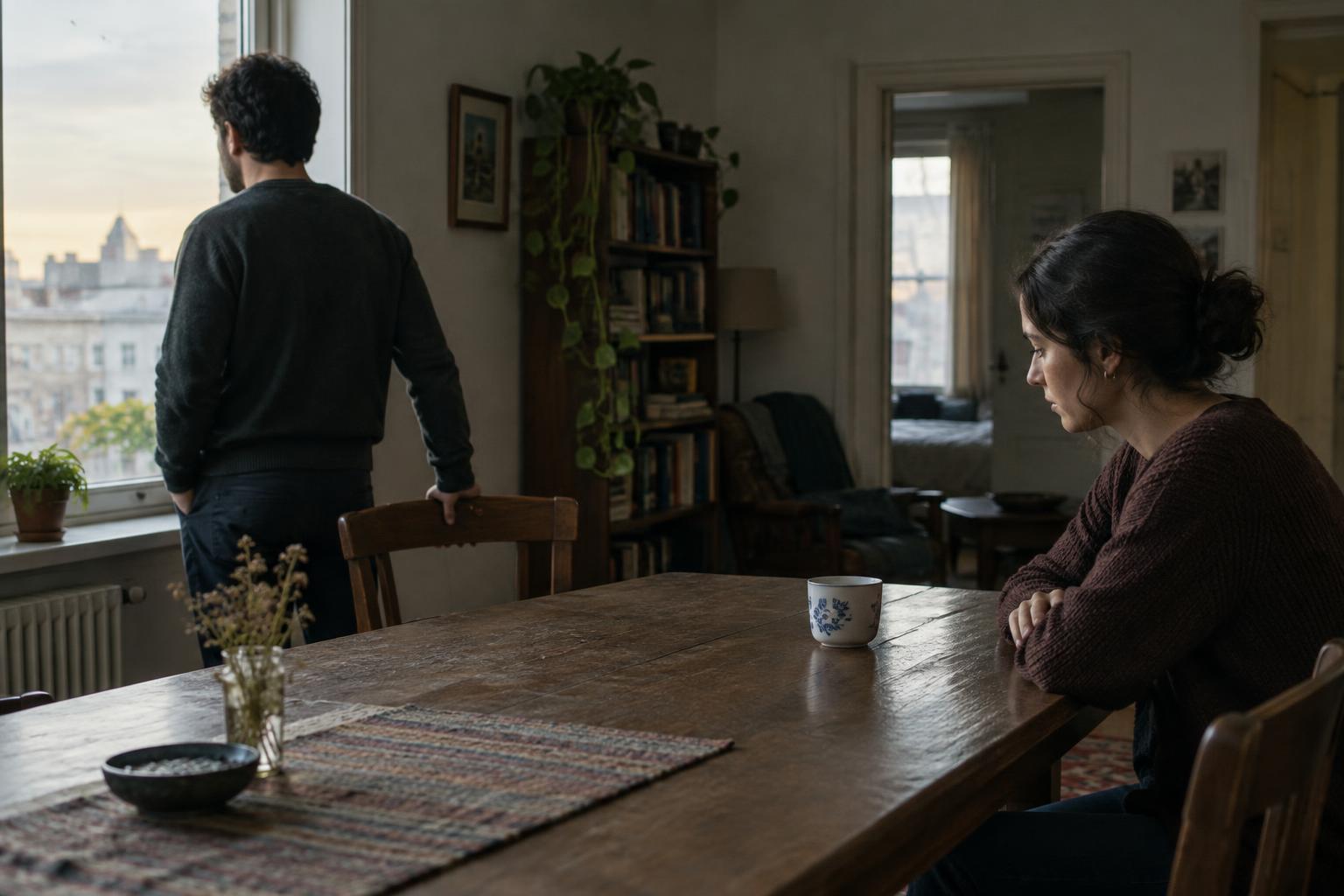
Silence deserves the same attention as dialogue. Rehearse what happens before a character speaks and after they hear something unwelcome. Does the character continue an ordinary task, make eye contact, or turn away? These choices can carry a thought without adding a line. Avoid locking every pause into an exact duration, though. A pause is most useful when it grows from listening rather than from an instruction to wait.
Let blocking reveal relationships
Blocking is sometimes treated as a route actors must memorize so the camera can find them. Rehearsal offers a chance to work in the opposite direction. Start with the room and its practical possibilities: entrances, exits, furniture, objects, and the distance between people. Let the actors try the scene, then ask why someone crosses the room or chooses not to. Movement feels more legible when it follows a decision.
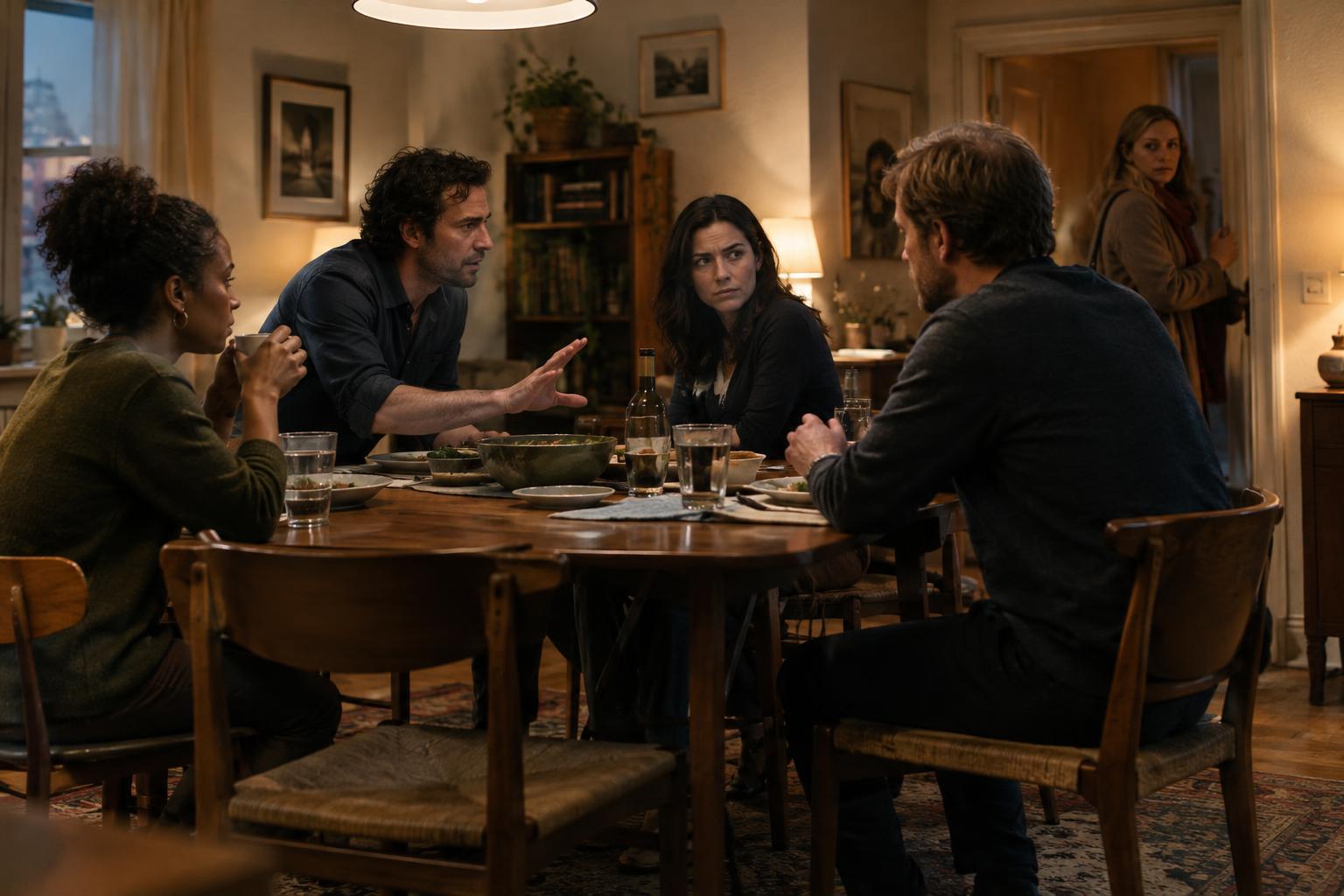
Small spatial changes can alter a scene’s meaning. A character who sits while another remains standing may seem comfortable, cornered, or defiant, depending on the performances and framing. An object passed between characters can become a reason to close the distance. Once a promising pattern emerges, refine it for the location and the shoot. Leave room for natural adjustment, especially if the set feels different from the rehearsal space.
Connect discoveries to camera language
A rehearsal can show where the audience’s attention needs to go. If the scene turns when one character notices a withheld reaction, consider whether both faces must be visible at once or whether a cut can reveal the discovery. If distance is central to the conflict, a wider frame may communicate more than a series of close-ups. These are directing choices to test, not formulas that every scene must follow.
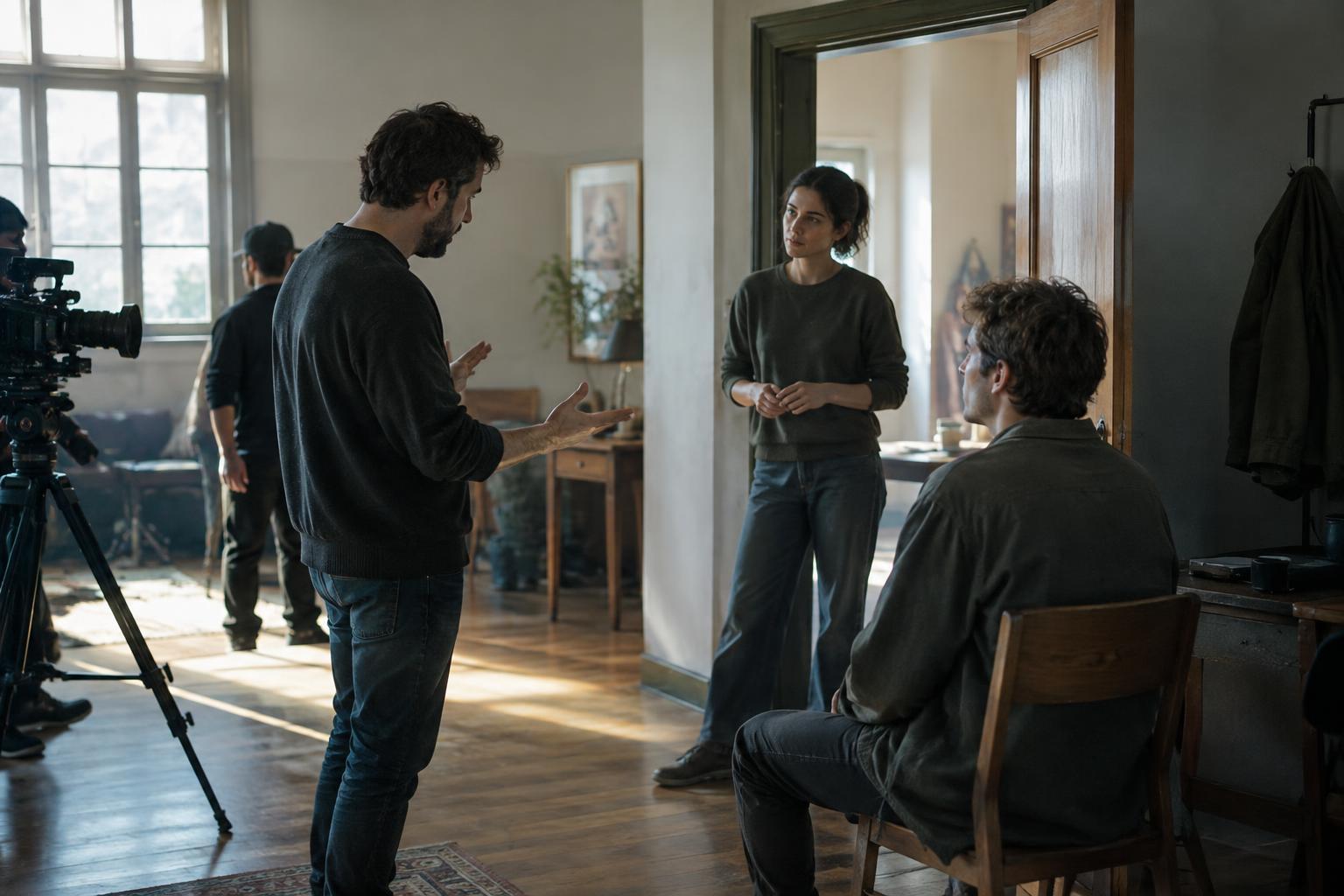
A simple walkthrough with the cinematographer and other relevant crew can expose practical questions before filming: Can the camera see the important gesture? Does an actor block another at the turning point? Will a doorway or piece of furniture limit a planned angle? Rehearsal can also reveal that a shot idea asks an actor to emphasize a moment that works better quietly. Adjusting the coverage to support the performance is often more valuable than preserving an early plan.
Keep the rehearsal useful, not final
Different scenes need different amounts of preparation. An intricate exchange of movement may benefit from repeated walkthroughs, while an intimate conversation may need more discussion and fewer full runs. Scenes involving physical contact or demanding movement call for clear boundaries and agreed choreography rather than improvising those elements during a take. In every case, actors should know which choices are settled for practical reasons and which remain available to explore.
Before moving on, identify what the rehearsal actually taught you. Perhaps a line is unnecessary because a look conveys its purpose. Perhaps the scene needs a clearer entrance, or a prop gives an actor a useful task. Share those discoveries with the people whose work they affect, including camera, sound, and production design where relevant. A productive rehearsal does not deliver a perfect miniature of the finished scene. It gives the team a common understanding of what matters, so they can respond intelligently when the camera rolls.