The frame is a boundary, not just a measurement
An aspect ratio describes the relationship between a frame’s width and height. A 1.33:1 frame is only modestly wider than it is tall; 1.85:1 offers more horizontal space; 2.39:1 is substantially wider. Those numbers do not prescribe a mood. They define the area in which a filmmaker can arrange faces, bodies, objects, and empty space.
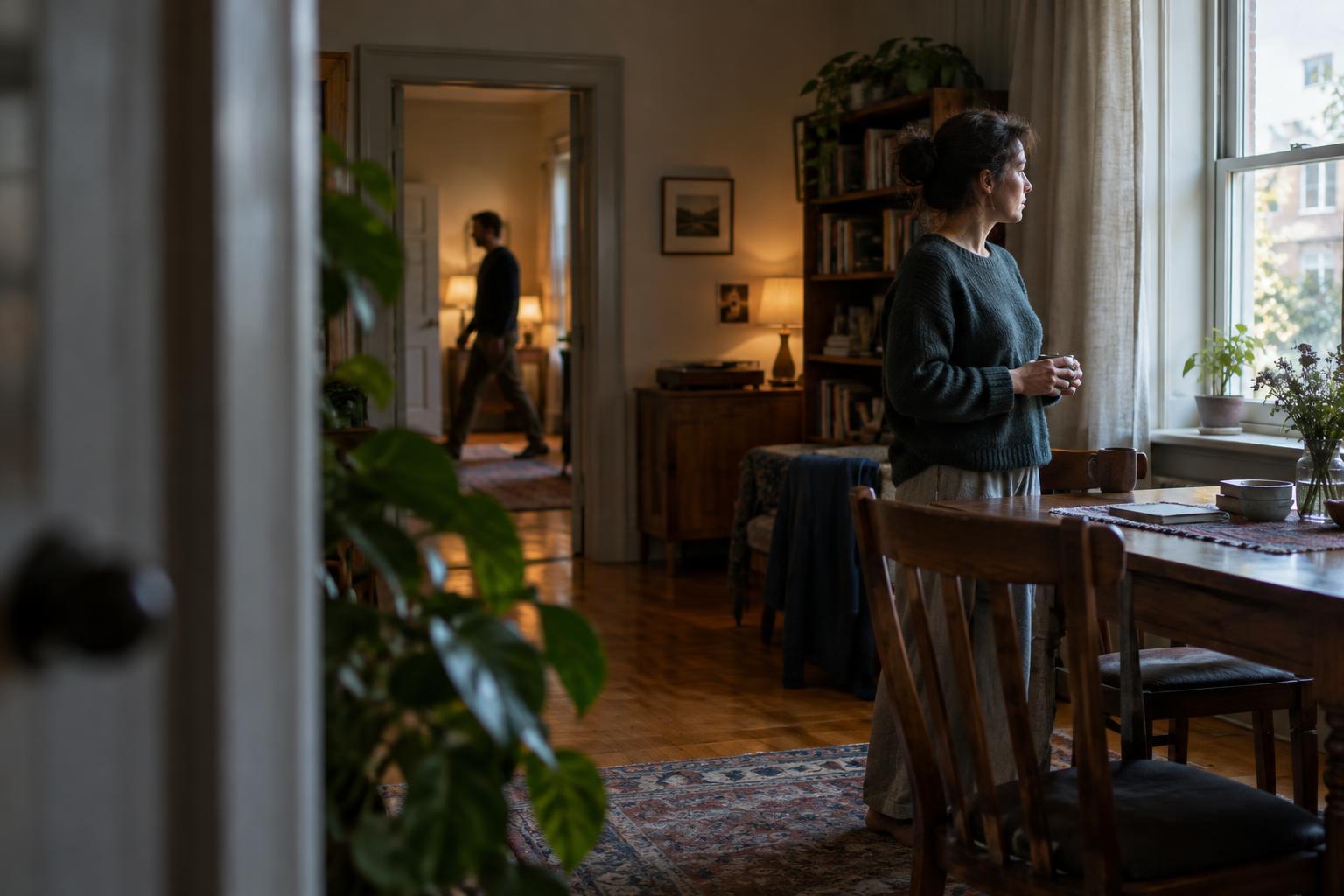
A change in frame shape can change what a shot asks the viewer to notice. In a narrower frame, a person standing in a doorway may fill much of the image, making the doorway feel like a tight boundary. In a wider frame, the same person might occupy one side while an unlit room remains visible on the other. Neither version is inherently more intimate or cinematic. Their effects depend on placement, lighting, performance, and what the audience already knows about the room.
Width and height create different staging options
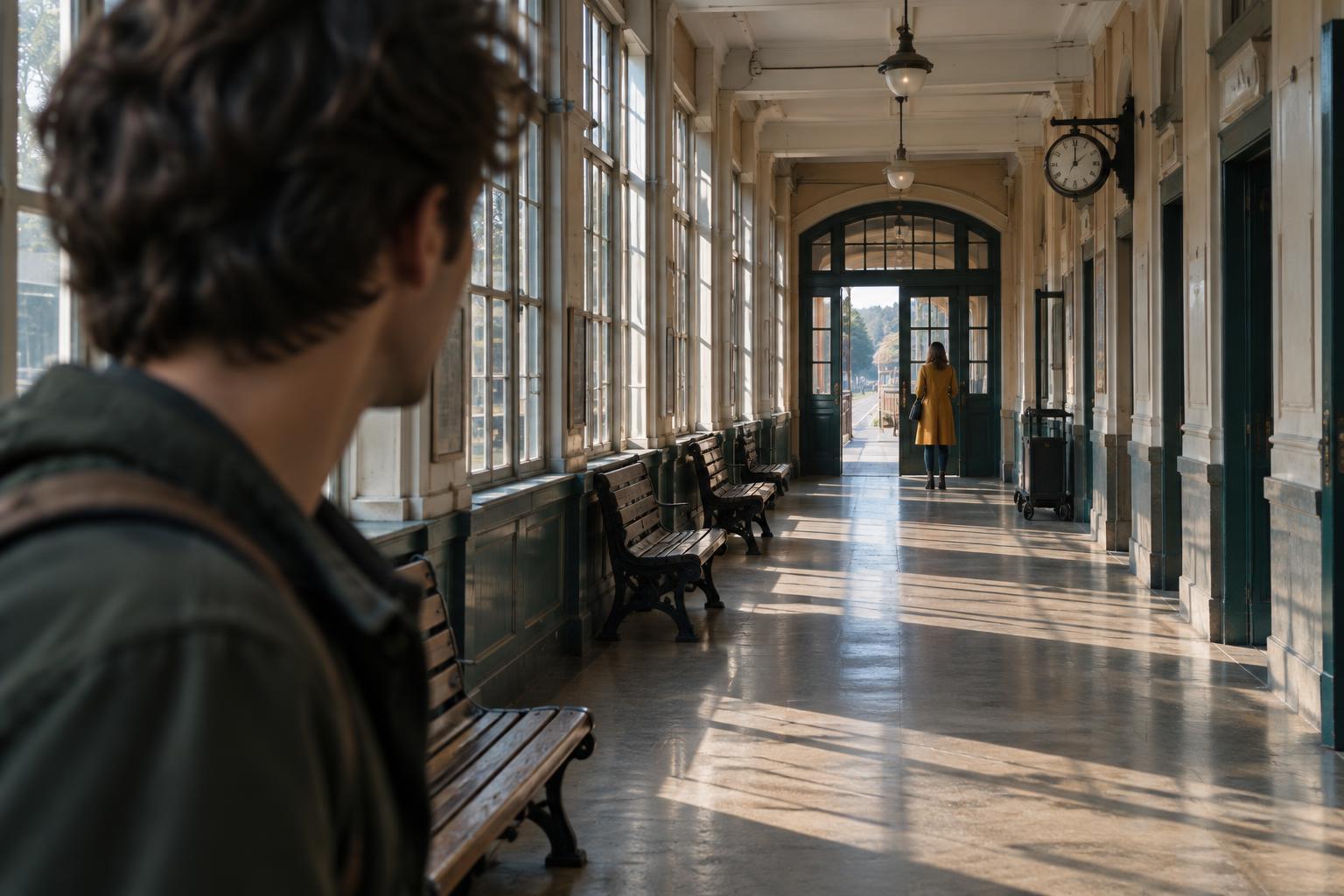
A wide frame gives characters room to share a shot without standing close together. A director can place two people at opposite edges and let the distance between them become part of a disagreement. The same width can also hold a character and the thing they are watching, allowing a reaction and its possible cause to coexist. If that information appears in one shot, the viewer can decide where to look rather than waiting for a cut.
A narrower frame often calls for different solutions when several people or story details must be visible. Characters might overlap in depth, move into and out of the composition, or be shown in separate shots. It can also make vertical features, such as stairways or a figure looming over someone seated, easier to emphasize. These are possibilities, not rules: a wide frame can isolate a face, and a narrow one can show considerable distance through careful staging.
Empty space matters in either shape. Before placing a subject in the center, ask what the unused area could contribute. It might reveal a threat, suggest a character’s attention, or simply give a moment room to breathe. Empty space is most effective when its size and position support a specific question in the scene.
Frame shape influences movement and reveals
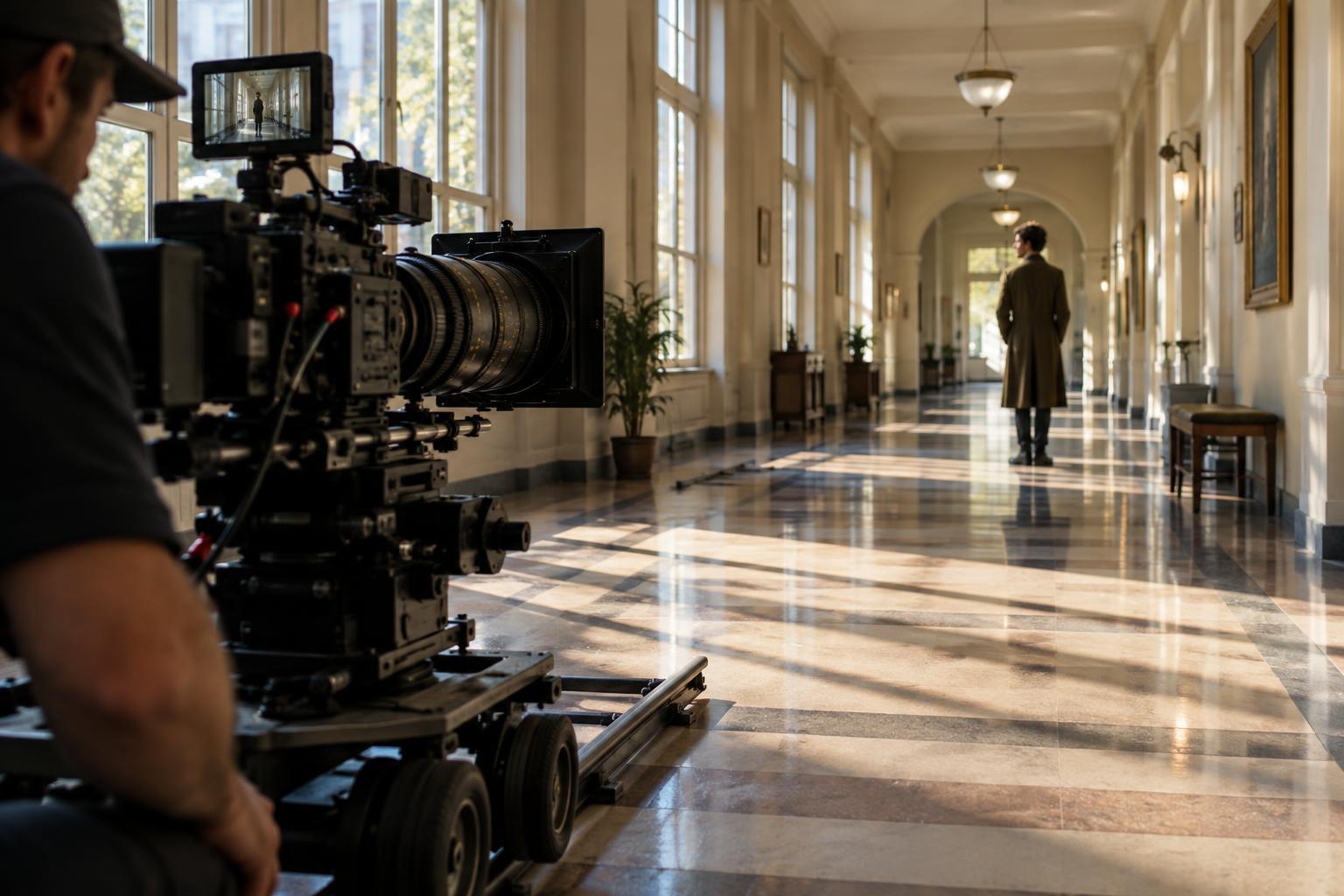
Aspect ratio affects how a subject travels through an image. In a wide composition, someone crossing from one side to the other can make a long journey within a single shot. In a taller composition, an entrance from the foreground toward the background may be more useful for showing a change in distance. Camera movement can alter either effect: a pan may uncover what was beyond a frame’s edge, while a push-in gradually removes surrounding context.
Consider a character searching an apartment. A wide shot might keep the character and a half-open door visible together, building tension because the viewer can monitor both. A narrower shot could withhold the door until the character turns or the camera moves. The suspense comes not from the ratio alone but from a decision about when information enters the frame.
When planning a reveal, sketch its starting and ending compositions in the intended ratio. Check whether the audience can see an important object too early, whether a moving actor blocks it, and whether the reveal still reads when the image is viewed at a smaller size. These checks turn an abstract format choice into a concrete staging choice.
Choose a ratio for the scenes you have
It is tempting to select a ratio because it resembles a favorite film. A more useful starting point is to identify the visual problems that recur in your story. Do many scenes depend on relationships among several characters in one space? Do you frequently need to show a person against a large environment? Or does the film return to faces, doorways, and confined interiors? Test more than one shape against those recurring situations, not only against a single striking image.
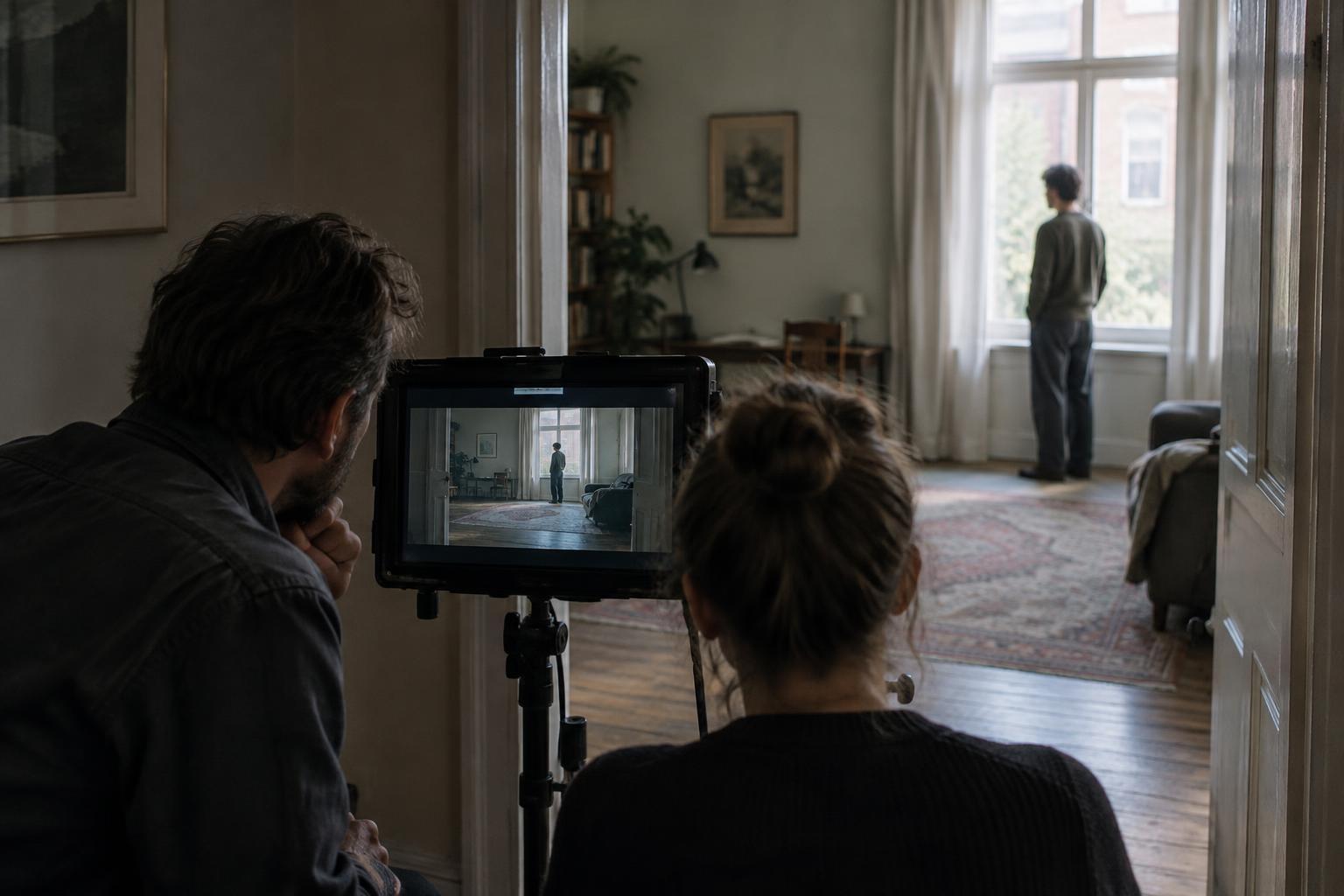
Use the camera and display available to you to make simple comparison frames. Keep the subject, camera position, and lighting consistent, then draw or apply guides for each candidate ratio. Look for what each version includes, what it excludes, and how it changes the balance between a person and their surroundings. Cropping an existing image is useful for comparison, but it cannot fully replace staging for a chosen frame: actors and camera may need to move once you commit.
Think about presentation as well. A ratio that differs from the display may appear with bars, while a version prepared to fill that display may require cropping. Plan titles, subtitles, and essential action with the intended delivery in mind. If you expect more than one version, protect important details within an area that both can show.
Let editing preserve the frame’s purpose
The meaning of a frame shape continues across cuts. If one wide shot establishes where several characters are, a close-up can gain force by briefly removing that spatial information. Returning to the wide shot may then show that someone has moved or left. Likewise, a series of tightly framed shots can delay a clear view of a location. The editor’s task is not merely to make individual compositions attractive, but to manage what the viewer understands from one shot to the next.
An aspect ratio works best when it supports repeatable choices about staging, movement, and disclosure. Choose a shape, test it on ordinary dialogue as well as dramatic moments, and ask what each edge helps you include or withhold. The frame cannot tell the story by itself. It can, however, give every shot a deliberate way to guide attention.