What makes a shot a point of view?
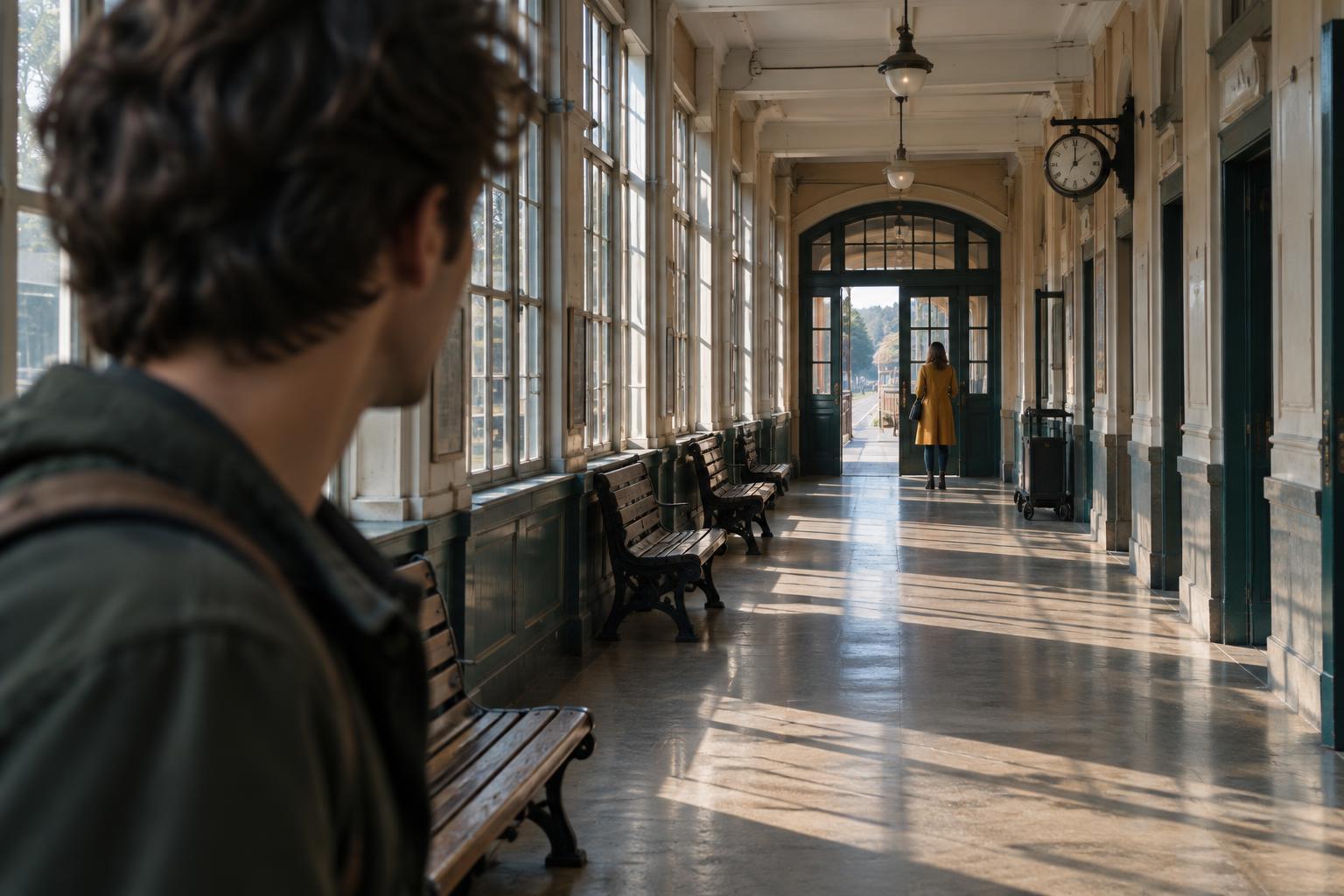
A point-of-view shot, or POV shot, presents an image as something a character sees. Its meaning depends on the shots around it. A close-up of a locked door might simply describe the setting. Show a character looking toward the hallway first, then cut to the door, and the same image becomes connected to that character’s attention. Cut back to their response, and the connection becomes stronger.
That familiar sequence—character looks, we see the object, character reacts—is useful, but it is not a rigid formula. A film can establish a POV through a moving camera, an offscreen voice, or a distinctive viewing position. The essential question is whether the audience can tell who is looking. If several characters could plausibly own the image, confusion may replace the intended suspense or intimacy.
Establish the viewer’s position
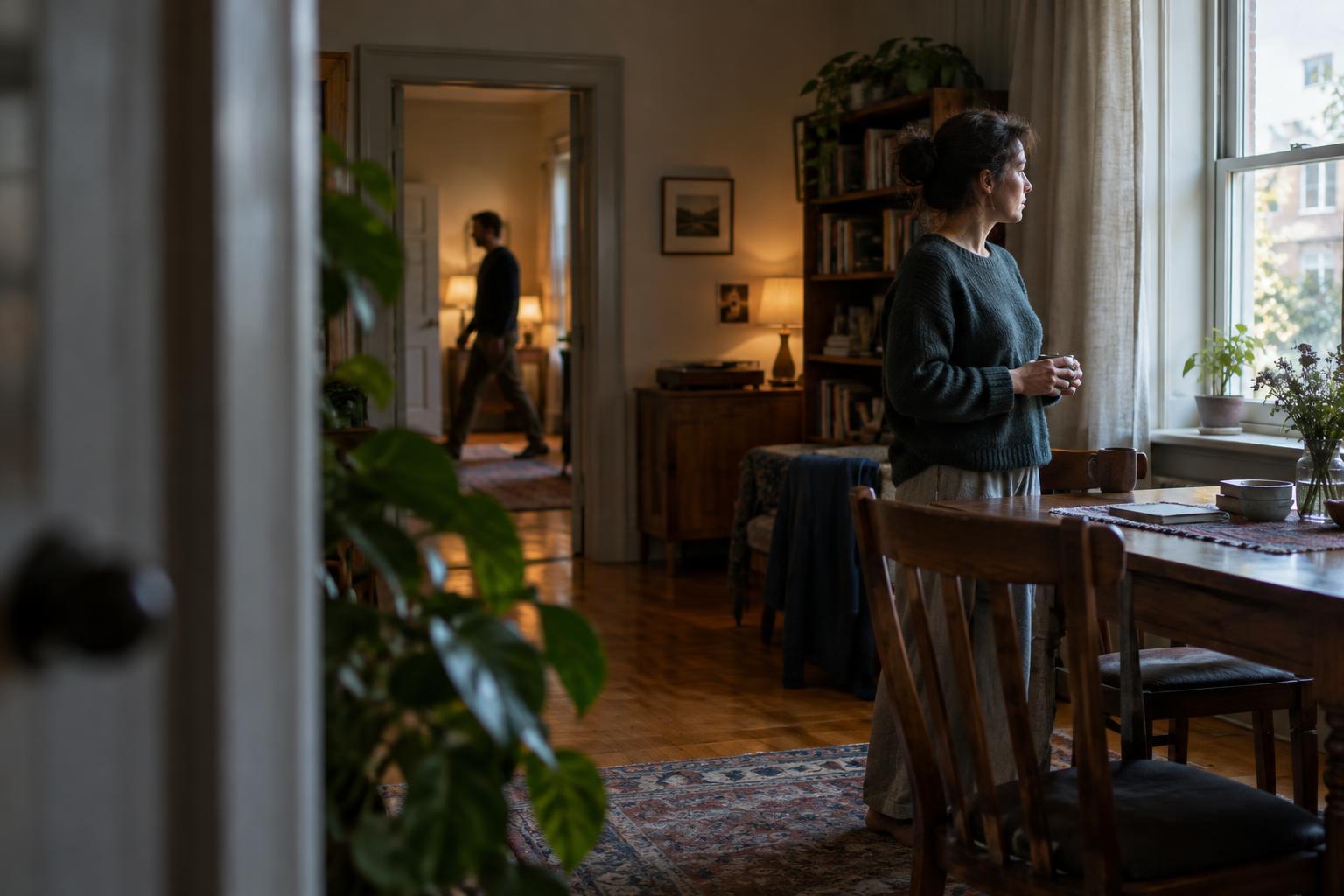
Before cutting to a POV, give the audience enough information to place the character in the space. Imagine someone standing at a kitchen doorway who notices movement outside a window. A wider shot can show the doorway, the window, and the character’s position between them. When the film cuts to the view through the glass, viewers already understand where the image comes from. Without that setup, the window shot could feel like an unassigned view from elsewhere in the room.
Camera height and angle can reinforce that position. A view from a seated character should usually feel different from one belonging to someone standing beside them. Exact eye-level matching is not always necessary, especially if a slight adjustment makes the subject readable. What matters is preserving the sense that the camera occupies a plausible place for the person whose view it represents.
Use eyelines and screen direction as guides
An eyeline prepares a cut. If a character looks up and to the right of the frame, the next shot should offer an image that feels compatible with that glance. The object does not have to appear on the right side of the new frame: the camera has changed position. But its apparent height and distance should make the look feel motivated. A small glance toward a nearby shelf followed by an expansive view across the street will usually need another cue to make sense.
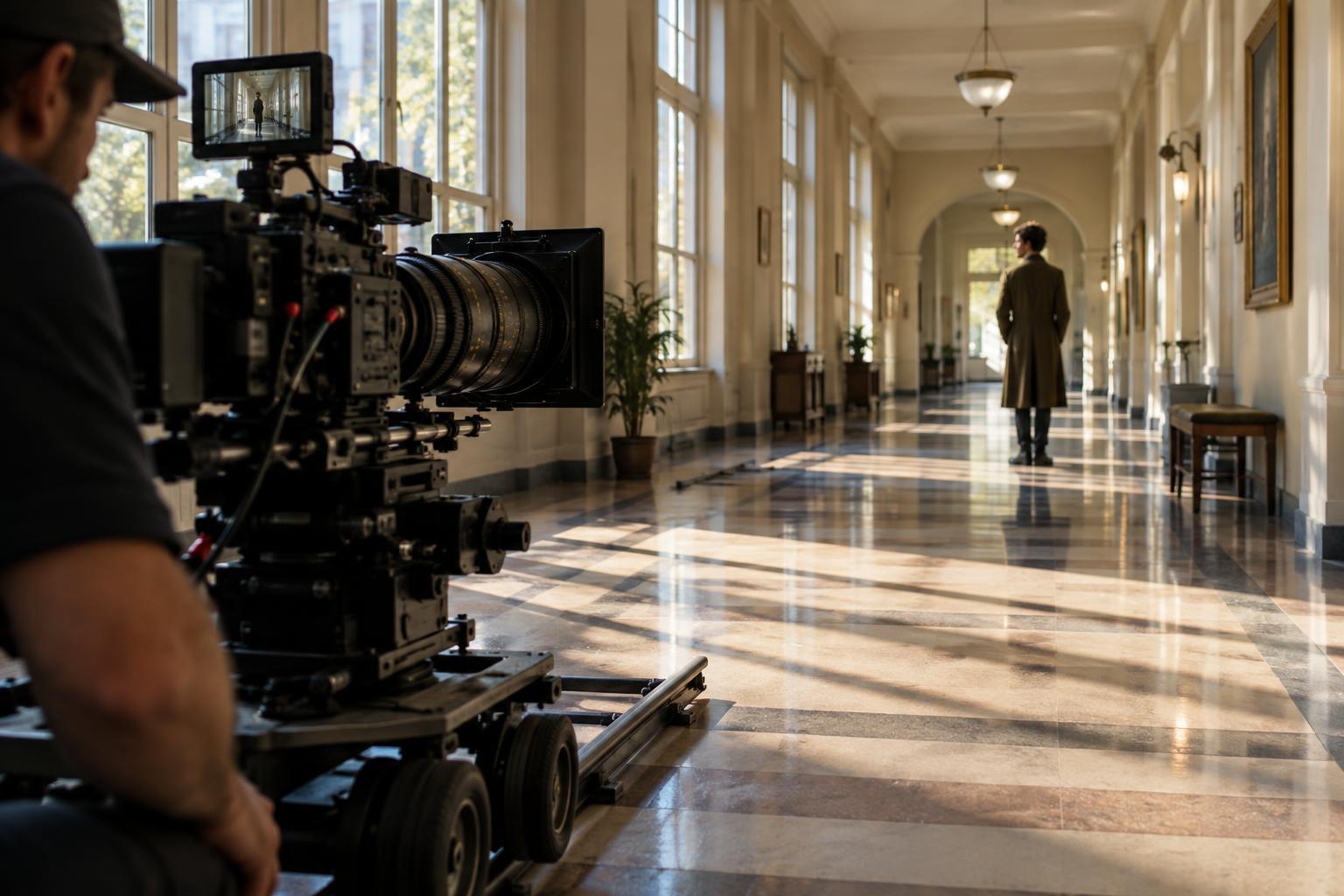
Screen direction also helps viewers track action across a sequence. If a person runs past a character from left to right, an immediate POV that reverses that movement can suggest a change in orientation. That reversal may be intentional, but it should be supported by a turn of the head, a camera move, or a shot that re-establishes the space. Continuity is not about obeying a rule at all costs; it is about knowing when the audience needs help following the character’s attention.
Choose how subjective the image should feel
A POV need not reproduce vision literally. Lens choice, focus, movement, and duration can express how a character experiences what they see. A steady, wide view may let the audience search an unfamiliar room alongside them. A tighter frame may isolate the detail that has caught their attention. Shallow focus can delay a discovery, though it should not hide essential spatial information for so long that the scene becomes difficult to read.
Sound can guide a POV without announcing it. A faint noise may prompt a character to turn before the film reveals its source. Once the view appears, a shift in sound can emphasize what that character notices. Such choices work best when they serve the scene’s perspective rather than merely decorate the shot. A distorted image or muffled soundtrack may suggest a character’s state, but those effects need a clear context to be understood.
Let the cut serve the dramatic question
The timing of a POV determines what the audience knows and when. Cutting to the view immediately after a glance answers the question, “What did they see?” Holding on the character for a moment invites viewers to wonder whether the discovery is welcome, frightening, or hard to interpret. Returning to the character afterward can confirm or complicate the meaning of the image. A smiling reaction to a shadowy figure tells a different story from a fearful one.
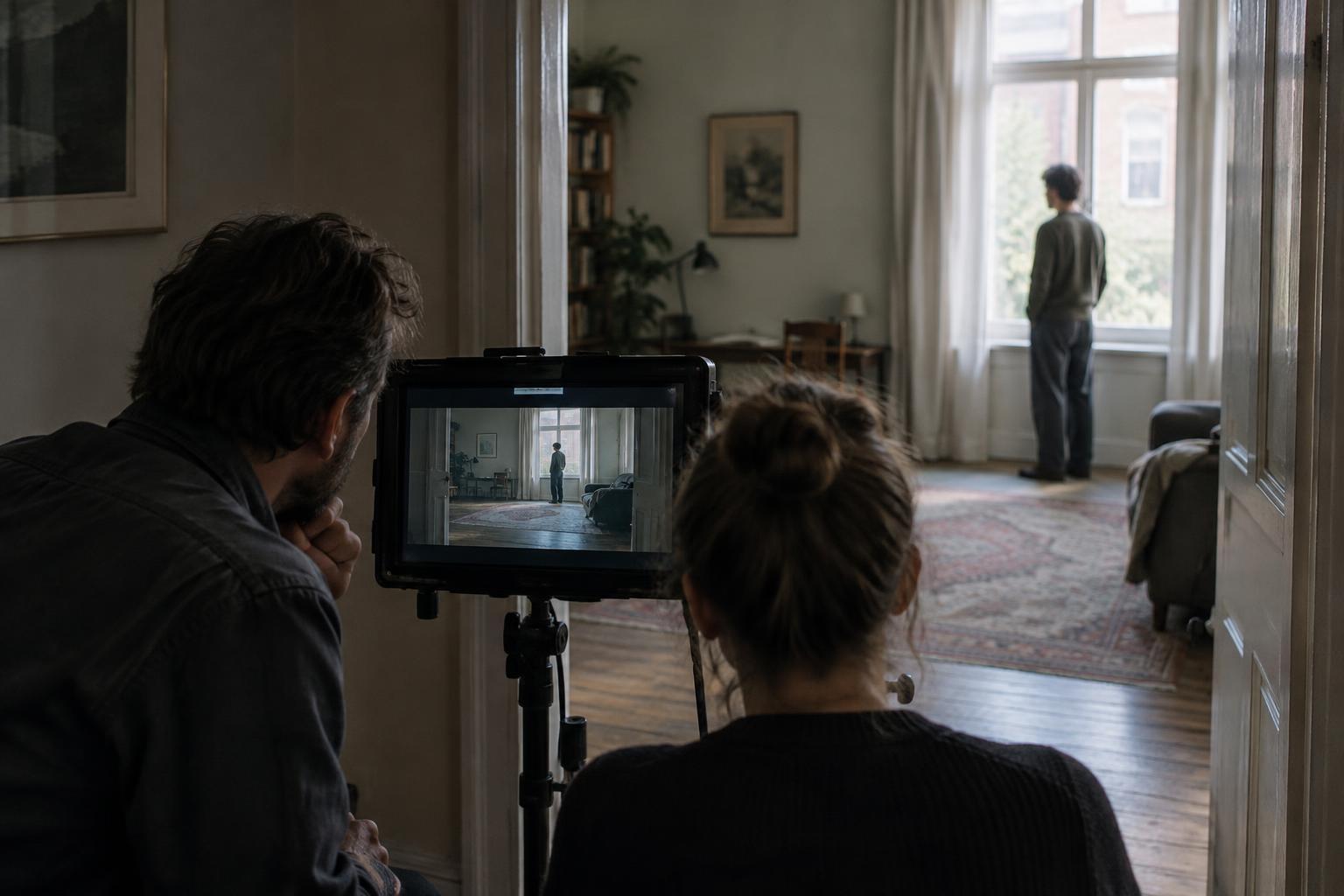
When planning a POV sequence, identify the information each shot must provide: whose view it is, where they are looking, what they notice, and why it matters. Not every answer has to arrive at once. Mystery can be productive; uncertainty about basic geography usually is not. A clear point of view gives the audience a stable place from which to share a character’s discovery, even when the discovery itself remains ambiguous.