Read for the story before making a list
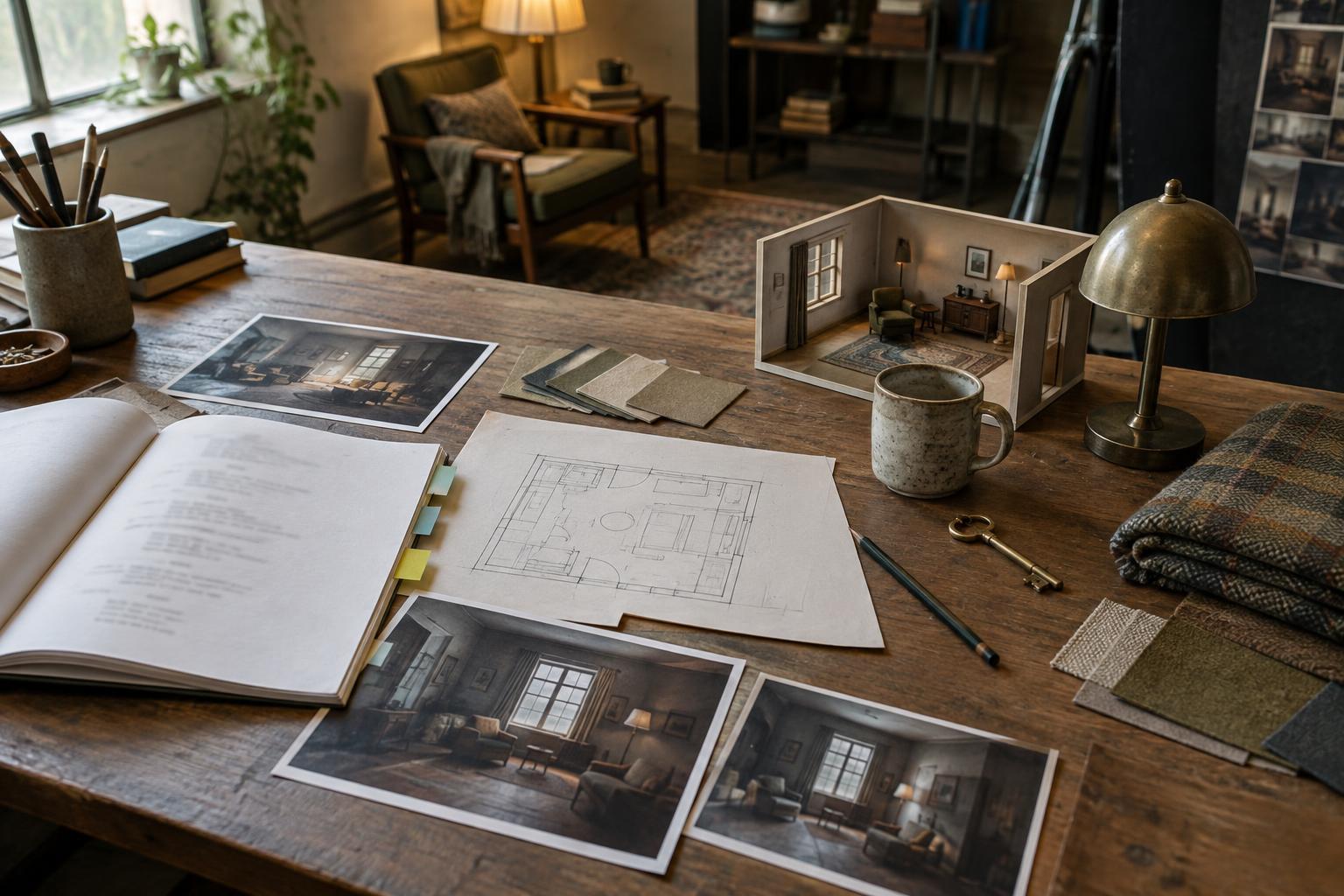
A production design breakdown is more than an inventory of furniture and objects. It is a way to translate the screenplay into physical choices: where a scene takes place, what the characters use, and what the environment reveals about their lives. Before marking individual items, read the script from beginning to end. Note how each location feels when it first appears and whether that feeling changes. A tidy kitchen that becomes crowded with unopened mail may need several distinct states, even if the script calls it the same kitchen throughout.
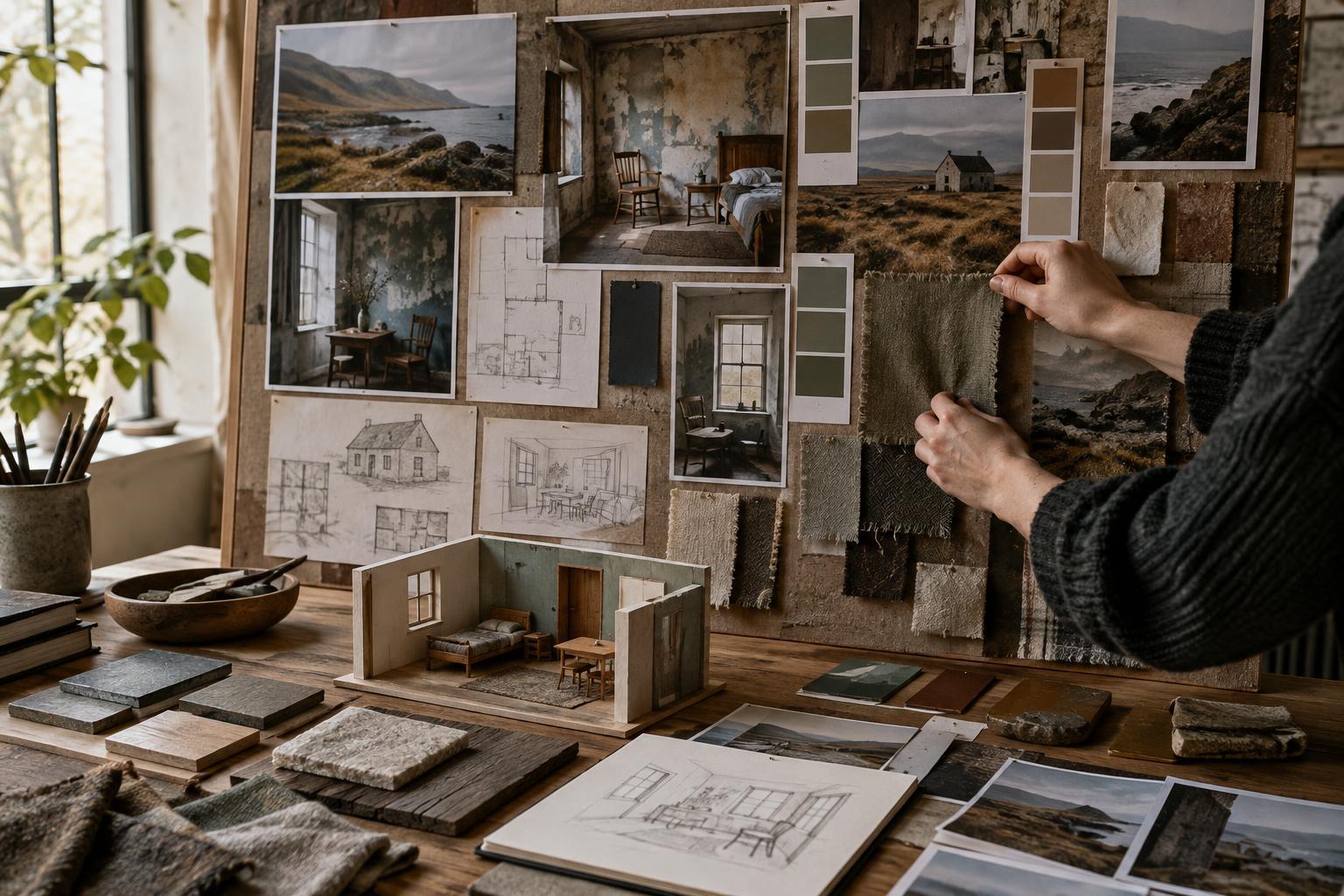
On a second pass, identify every scene heading and make a record of its location, time of day, characters and action. Flag anything the text explicitly requires, but also mark questions. If a character searches a drawer, which drawer could plausibly hold what they need? If a room must appear neglected, what kind of neglect suits its occupant? Questions like these are not gaps to fill at random. They are prompts for discussion with the director and other departments.
Separate sets, props and dressing
Start with three working categories. Sets are the spaces in which scenes unfold, whether built, adapted or found. Props are objects used as part of the action, such as a letter a character opens or a cup they carry. Dressing consists of objects placed to establish the environment, such as books on a shelf or dishes beside a sink. The boundary is practical rather than permanent: a book that begins as shelf dressing becomes an action prop if a character takes it down and reads it.
Record each item with enough detail to make its purpose clear. “Old phone” may be too vague if its screen must show a message, it must fit in an actor’s pocket, or it needs a matching version for another scene. Conversely, do not decide every incidental object too early. The breakdown should distinguish fixed story requirements from choices that can be explored during design. That distinction keeps a useful planning document from becoming an accidental list of unsupported assumptions.
Track what changes from scene to scene
A script is usually organized by scene, but production design also needs a timeline for each recurring location and important object. Track when a space first appears, what happens to it, and how it must look on its next appearance. A broken lamp, spilled drink or rearranged table can create continuity work beyond the scene in which the change occurs. An object that travels between locations needs its own path: who has it, where it is left, and when it is seen again.
This is especially important when a film reveals information visually. Suppose a character gradually packs to leave home. An early scene might show empty boxes tucked away; later scenes might show bare shelves and a cleared wall. List those states separately rather than writing “moving boxes” once. The progression gives the art department a plan and helps the director decide how much of the change the audience should notice at each point.
Prioritize objects the camera and story depend on
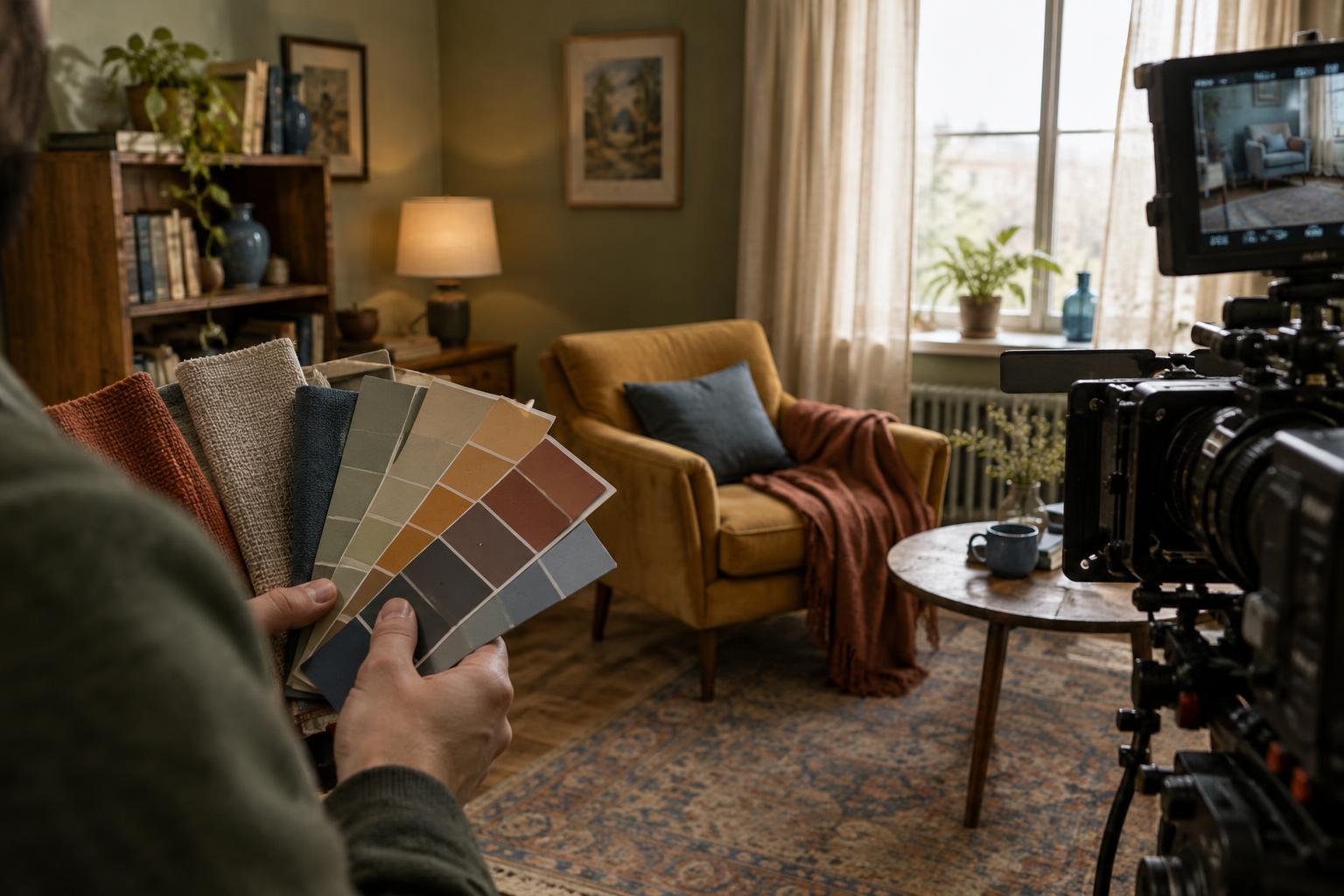
Not every item deserves equal attention. Mark objects that carry plot information, receive close attention, affect blocking or must withstand repeated use. A document read on camera may need legible content and multiple copies. A chair pushed across the room must suit the movement as well as the room. These needs are easier to address when identified in the breakdown than when discovered during a setup.
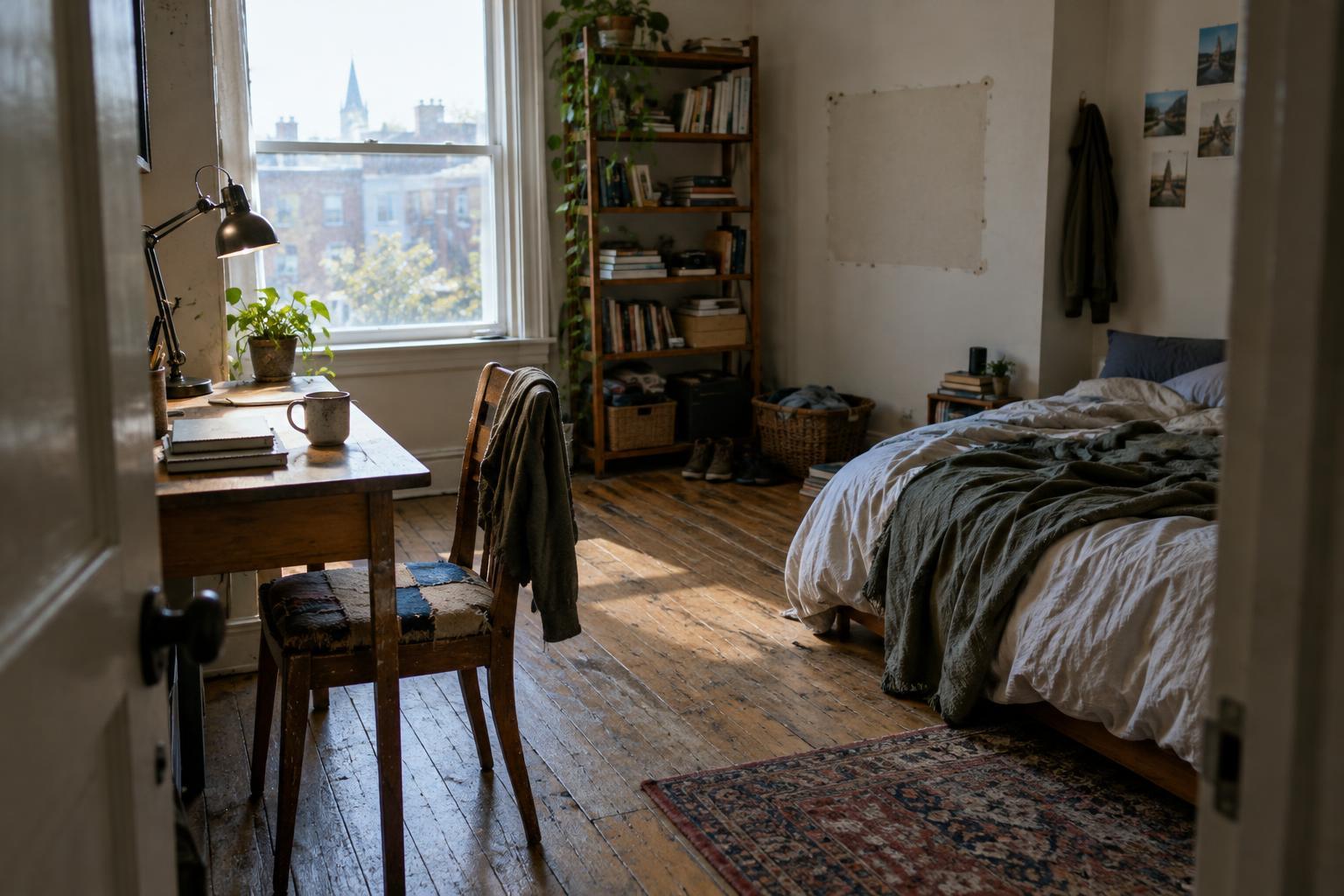
For each location, look for a small number of defining details rather than a large collection of generic decoration. Ask what the character chose, what they inherited, what they cannot afford to replace, and what they are trying to hide. Those questions can guide color, wear and placement without requiring the camera to explain them. A lived-in space becomes more convincing when its details relate to one another and to the people who occupy it.
Make the breakdown a shared working document
A useful breakdown is easy to revise. Include scene numbers, location names, required items, continuity states and open questions. Note whether a decision has been confirmed or remains provisional. As the script changes, update the document so that a removed scene does not leave behind an unnecessary purchase, and a new action does not go unnoticed.
Review the breakdown with the people whose work intersects with it. The director can clarify which details matter to the story; cinematography can identify what will be visible; costume, sound and editing may have needs tied to particular objects or transitions. The aim is not to settle every design choice on paper. It is to make the script’s physical demands visible early enough that creative choices can be made deliberately, then carried consistently from scene to scene.