Start with the story, not the images
A visual research board is a collection of references that helps a film team imagine a world before building or dressing it. It might include photographs of interiors, sketches, paintings, materials, objects and frames from other films. Its value lies less in the beauty of any single image than in the choices the images help the team make.
Before gathering references, write a short description of the world as the characters experience it. Where does the story take place? Who has shaped these spaces, and what can they afford to maintain or replace? What has changed recently, and what has been left untouched? A kitchen in a story about a family reunion may need to show years of shared routines. The same kitchen in a story about a recent move might feel provisional, even if the floor plan is identical.
Turn that description into a few questions the board should answer. For example: Which rooms offer privacy? What objects would a character keep despite their practical uselessness? Where does the world feel welcoming, and where does it feel controlled? These questions give the search a purpose and make it easier to reject an appealing image that does not serve the film.
Collect references with a reason
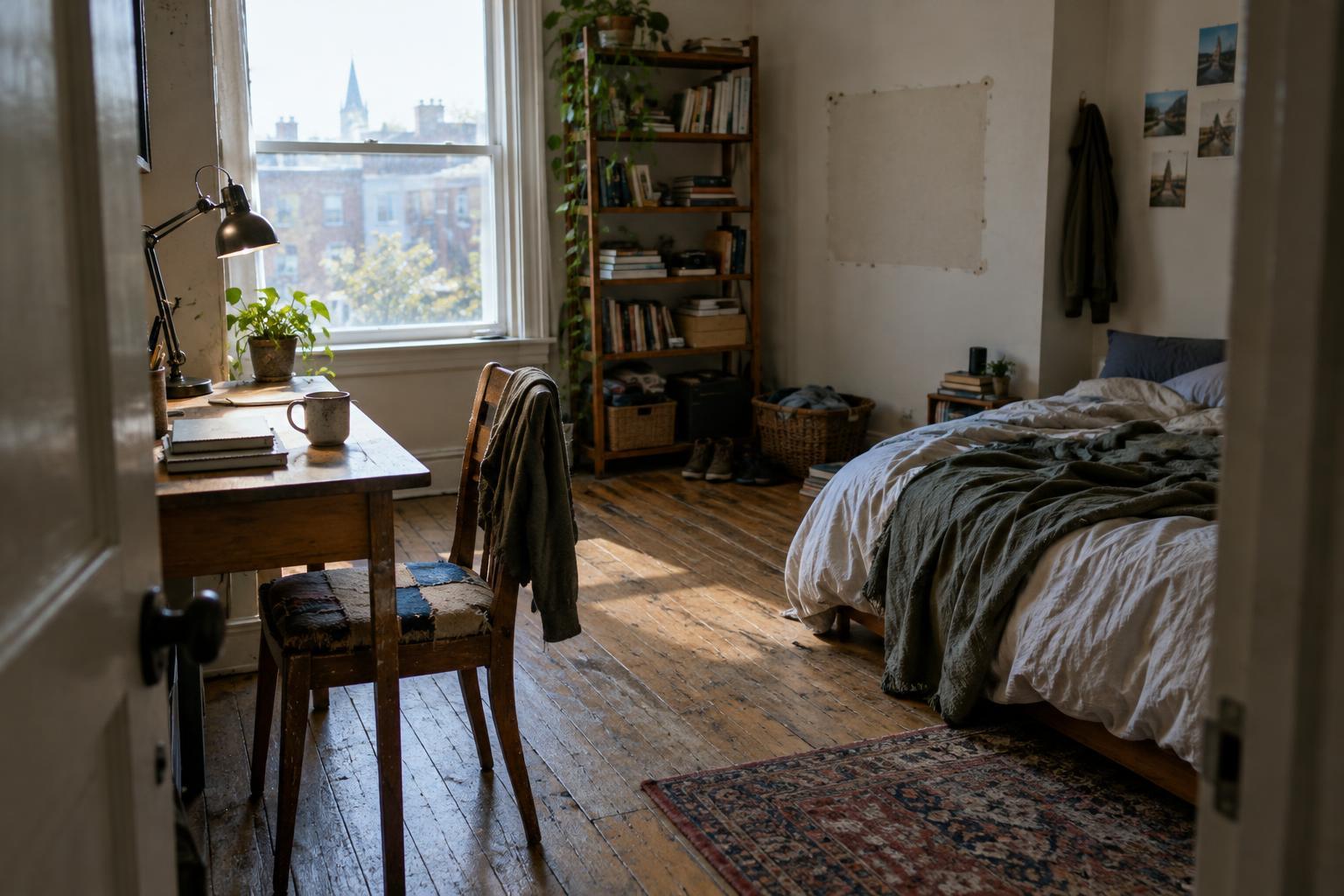
Look beyond images that resemble the finished film you hope to make. Photographs of real spaces can reveal how people actually store, repair and arrange things. Images of textiles, building surfaces, household tools or signage can suggest details that a broad search for “cinematic interiors” might miss. Your own location photographs and object studies can be especially useful because you can record what drew your attention and how the space felt to move through.
For every image, add a brief note explaining its job. “Worn paint beside the light switch” is more actionable than “gritty.” “Chairs positioned so no one faces the door” suggests a relationship between space and behavior. Keep a record of where references came from, particularly if images may later appear in a pitch or be shared outside the production team. A reference is a tool for discussion, not a design to reproduce without consideration.
Organize the board around decisions
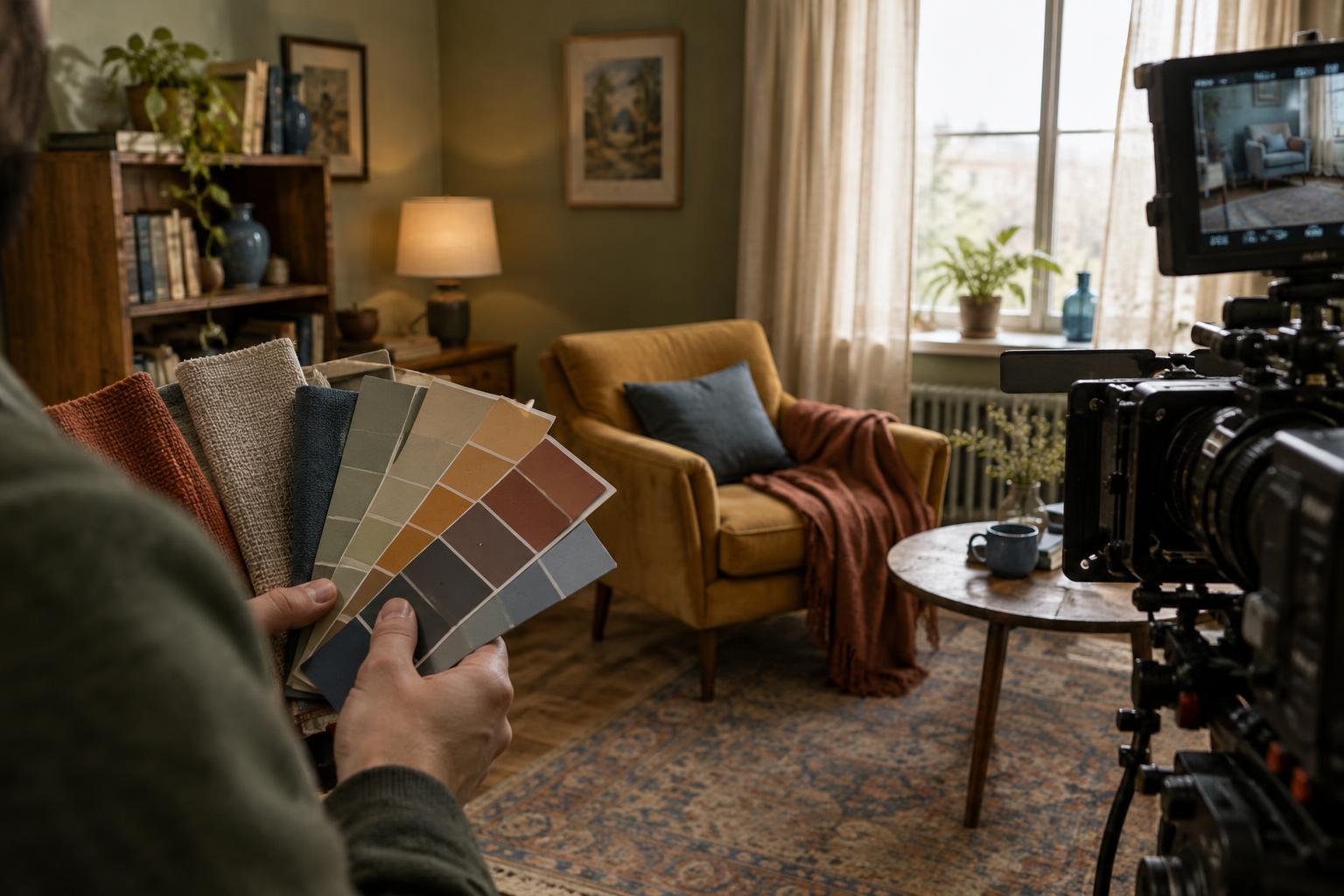
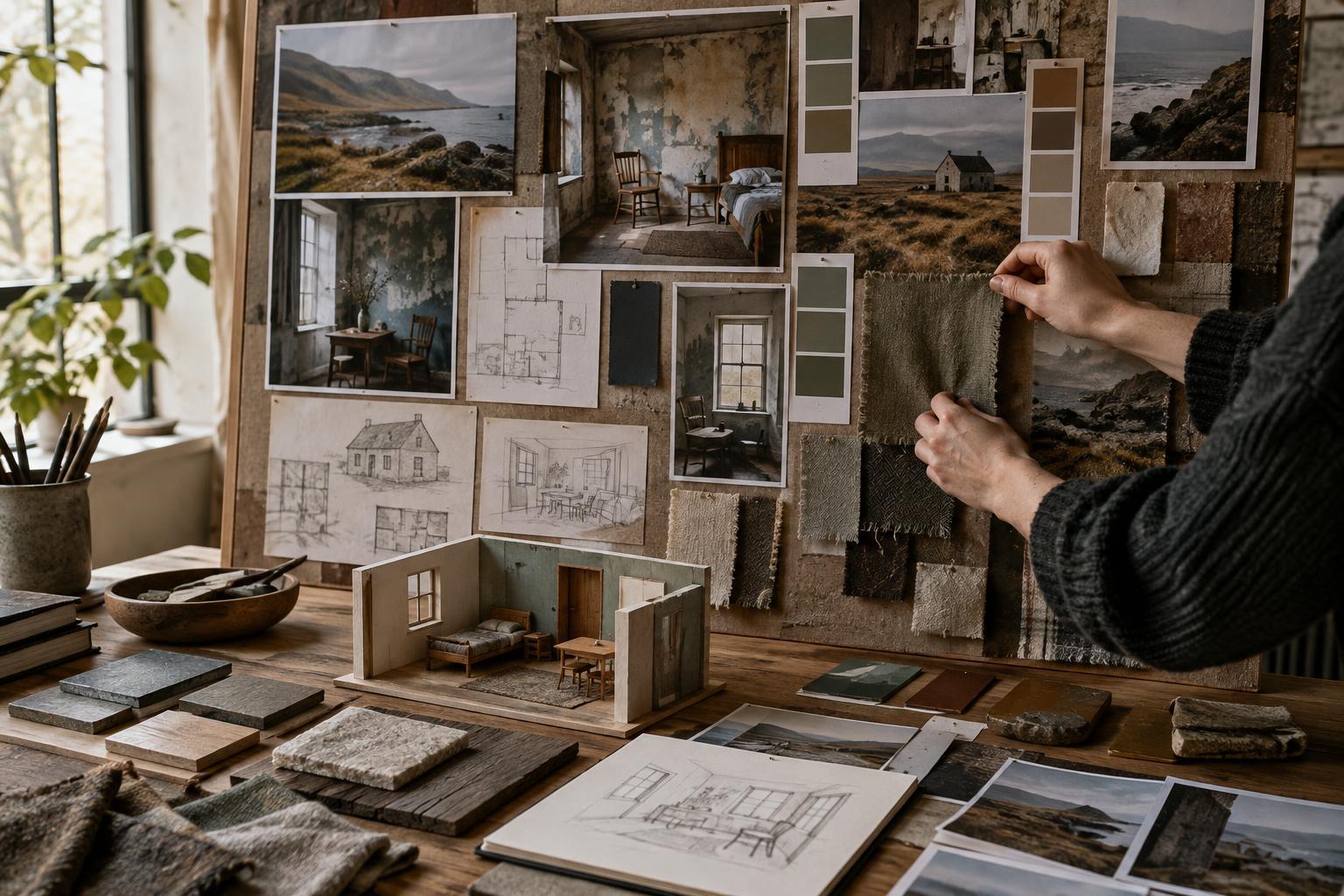
A single large collage can communicate a mood but hide contradictions. Divide the board into useful groups: locations, color and materials, furniture, props, graphics, and signs of age or use. If the story crosses distinct households or time periods, separate those worlds before looking for connections between them. A viewer should be able to tell which references apply to which space.
Within each group, distinguish between an image’s subject and the quality you want to borrow from it. A photograph of a greenhouse might belong on a character’s bedroom board because of its filtered light or crowded arrangement, not because the bedroom needs plants. Labels such as “density,” “surface” or “sense of order” help collaborators understand that distinction.
Then look for repeated ideas and conflicts. Perhaps most references favor muted walls, but one set introduces sharply colored personal objects. That contrast could become a rule: the shared environment is restrained while each character brings in a vivid possession. If two images imply incompatible versions of the same room, keep both long enough to discuss the choice rather than blending them into a vague compromise.
Translate inspiration into a workable design
The board becomes useful when it leads to decisions someone can act on. Instead of asking a team to make a room feel “lonely,” identify features that might create that impression: too few seats for conversation, belongings pushed to the edges, or a table placed far from the window. These are possibilities to test, not a fixed visual formula. An empty room can suggest freedom in one story and isolation in another.
Consider how the camera and performers will encounter the design. Which surfaces will appear in close-up? What must be visible when someone enters? Where can an actor put a bag, pause or search for an object? A compelling reference may be impractical for the available location or budget, but its underlying idea may survive in a smaller choice, such as a curtain fabric, a doorway color or the way a shelf is filled.
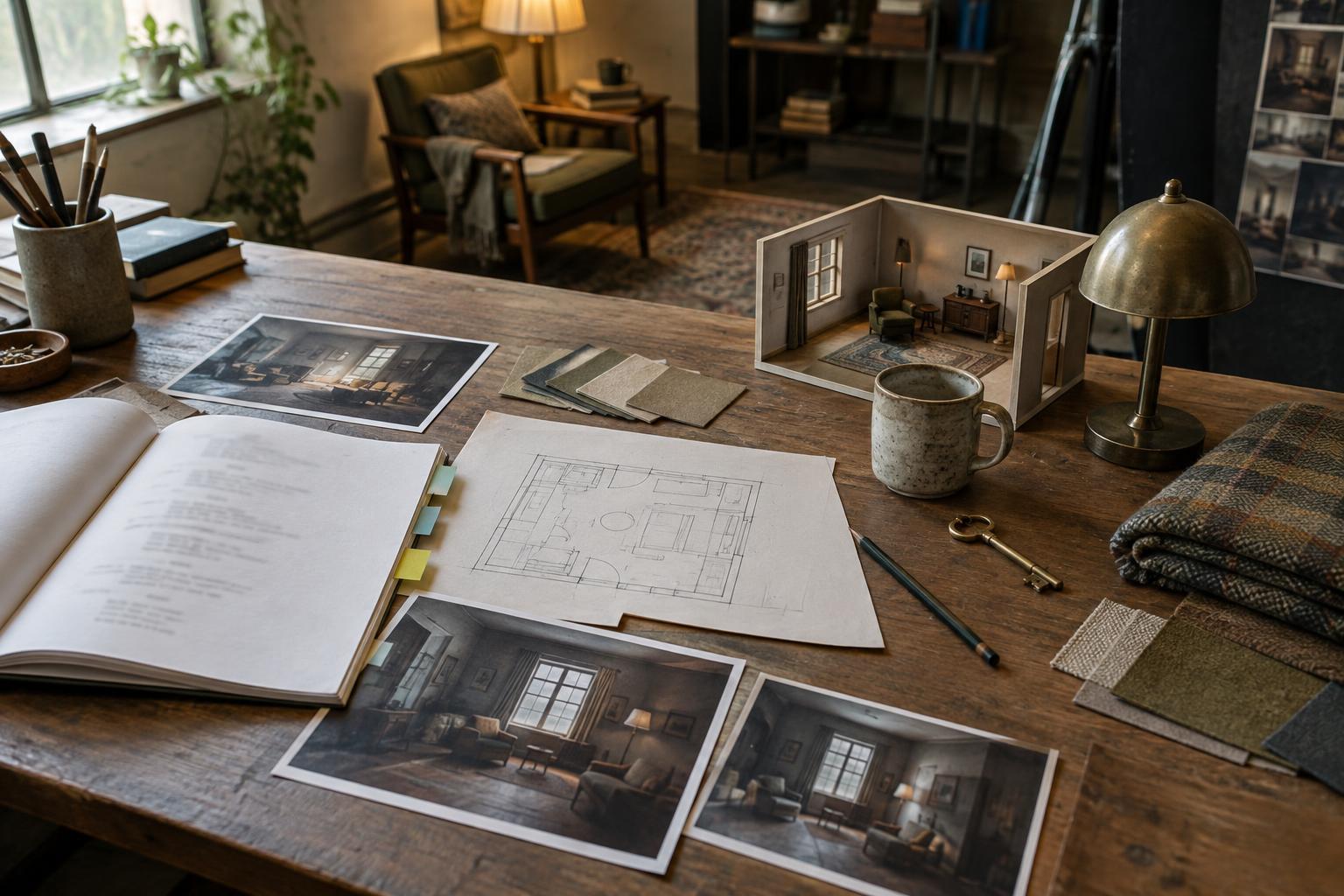
Choose a small number of anchor images for each major space and pair them with concise design notes. This gives the team a clear starting point without treating every detail in every photograph as a requirement. Leave room for location discoveries, available materials and ideas that emerge during rehearsal.
Let the board evolve with the film
A research board should clarify decisions, not preserve the first version of them. As locations are chosen and scenes take shape, replace references that no longer fit. Photograph useful tests and add notes about what worked on camera. If a set begins to look polished when the story calls for daily wear, a quick comparison with the board may reveal which surfaces or objects need attention.
Keep earlier versions or dated notes so the team can understand why a direction changed. The final board need not be enormous. A focused collection that shows the world’s visual rules, its meaningful exceptions and the story behind both will be more valuable than a folder full of images no one knows how to use.