Power depends on perspective
A familiar rule says that shooting from below makes a character powerful, while shooting from above makes them weak. It is a useful starting point, not a reliable formula. An angle changes where the audience seems to stand in relation to a subject, but its meaning also depends on framing, performance, setting and what has happened before the shot.
A low angle might make a hero look commanding. The same view could make a frightened person loom uncomfortably close, or reveal that they are standing on an unstable ledge. Rather than asking which angle means power, ask whose experience the audience should share. Is the viewer meant to look up with admiration, look down with concern, or meet someone on equal terms? That question gives the camera a dramatic purpose.
Shooting from above: exposure and context
A high-angle shot places the camera above its subject and points it downward. It can make a person appear smaller within a room, street or landscape, drawing attention to forces around them. Consider a character waiting alone at the center of a large, empty lobby. A view from above can emphasize the distance between that person and the exits without requiring a line of dialogue about isolation.
But height does not always imply defeat. A character viewed from above may be calmly arranging objects, inspecting a map or noticing something hidden on the floor. In those cases, the angle can clarify an action or let the audience understand a space. It may even suggest control if the character moves decisively through a composition that looks orderly.
Before raising the camera, decide what the extra view reveals. If the surroundings matter, give them enough room in the frame to register. If the intention is emotional exposure, consider what the character does within that space: a small figure who remains still will read differently from one who crosses it with confidence.
Shooting from below: presence and pressure
A low-angle shot looks upward at its subject. It can give a character a strong silhouette, place them against an open sky or ceiling, and make their approach feel imposing. Used during a confrontation, it may help the audience feel the pressure another character faces. The effect is especially clear when the film has already established a more neutral way of seeing that person.
Yet a low angle can also make its subject seem trapped by what towers behind them. Imagine someone trying to speak while a crowded wall of buildings fills the frame. The view enlarges the person, but it may also convey how little room they have. Expression, posture and background can pull against the apparent authority of the angle.
Think about the physical relationship a low camera creates. Is the audience looking up from another character’s position, or observing from an independent viewpoint? Keep an eye on what enters the background: a distracting light fixture or an unintended figure at the edge of the frame can change the emphasis. The angle works best when both subject and surroundings support the intended tension.
Eye level: attention without a verdict
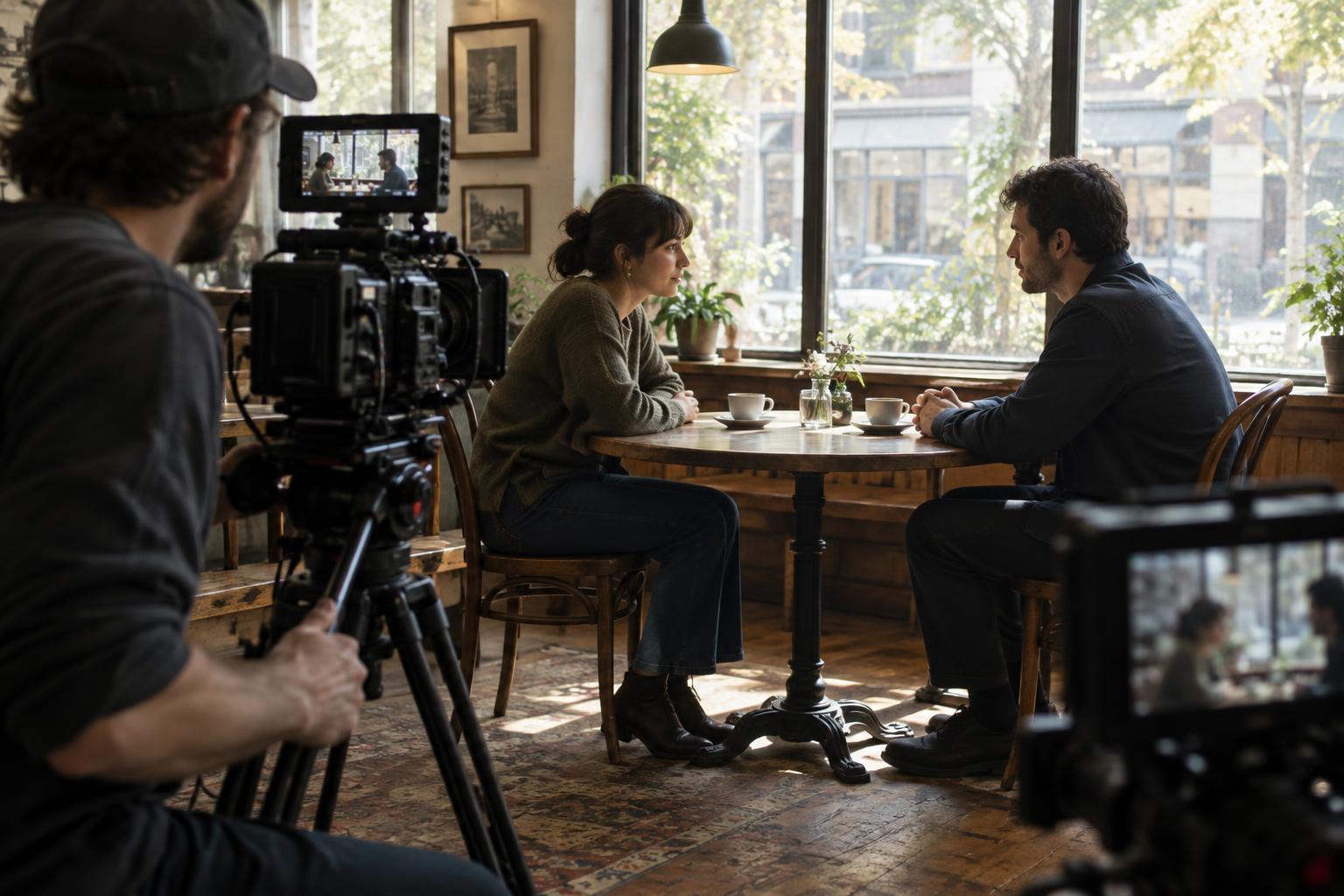
An eye-level view puts the camera near the subject’s eye line. It often feels less insistent than an extreme high or low angle, making it useful when the audience needs to watch behavior and form its own judgment. In a difficult conversation, matching the participants at roughly eye level can give each person space to speak and react without assigning an obvious visual winner.
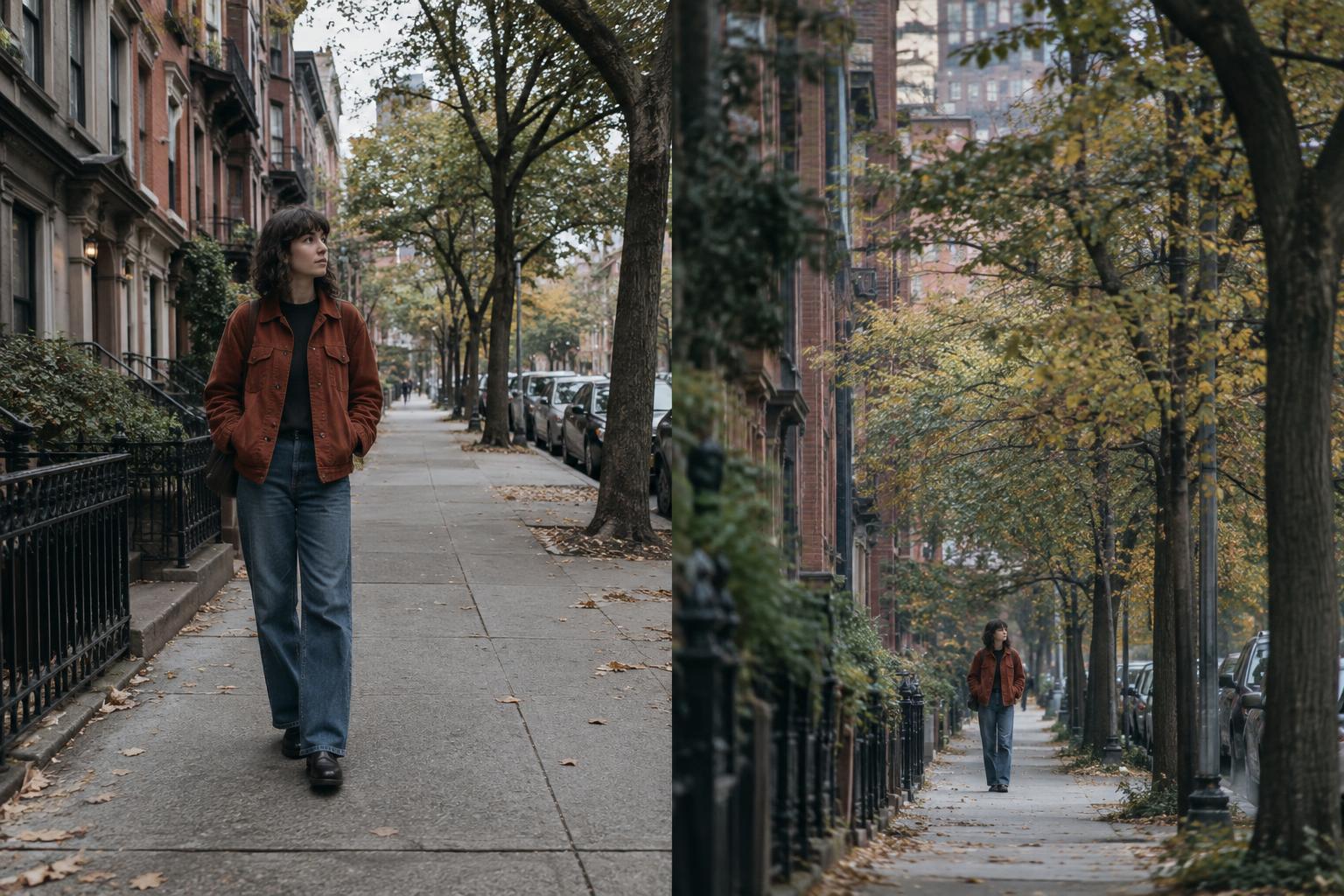
Eye level is not automatically neutral, however. A tight close-up can feel intrusive, while a distant eye-level shot may make a character hard to reach. The lens, distance and amount of surrounding space still shape the relationship. If one person receives steady close-ups and the other is seen only across a room, the scene may feel unequal even if every shot is at eye level.
Use this angle when the moment benefits from direct attention to faces, gestures or shared space. It also establishes a useful baseline. After several eye-level shots, a modest shift above or below can feel significant without calling attention to camera technique for its own sake.
Choose an angle for the scene, not the character
One way to plan a scene is to mark where its balance changes. A character might begin a negotiation feeling certain, lose control when new information arrives, then recover enough to make a choice. The camera does not need to announce every turn. It can hold its position while the performance changes, or shift angle at one carefully chosen moment.
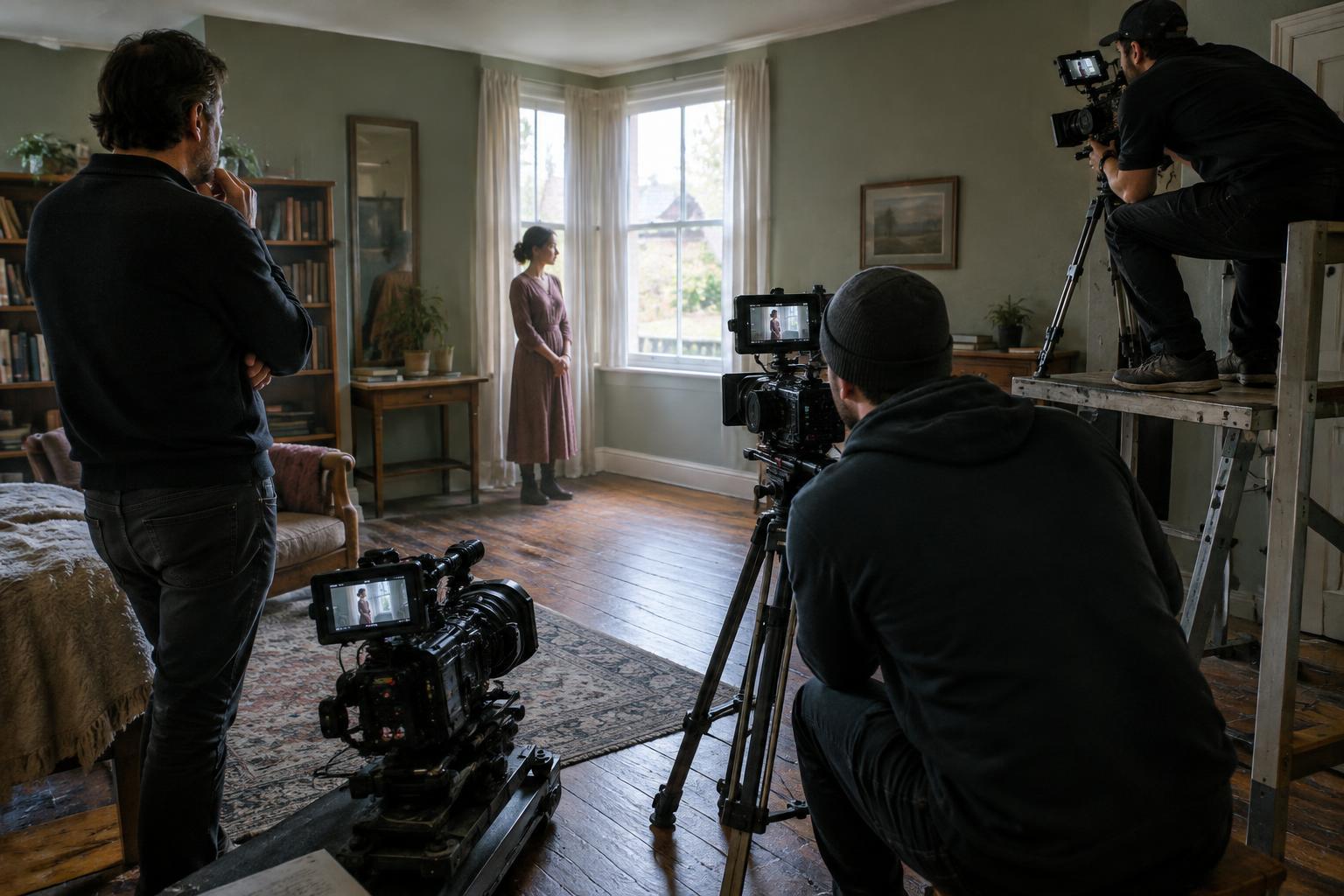
Try sketching the scene three ways: mostly high, mostly low and mostly eye level. For each version, note what the audience can see, whose viewpoint the placement suggests and whether the actors’ movements remain clear. Then test a restrained variation. A slight change in camera height may serve a quiet scene better than a dramatic view from the floor or ceiling.
Finally, consider the cut. An angle gains meaning from the shot beside it: looking up at a speaker after seeing a seated listener can suggest that listener’s experience, while the same image after a wide establishing shot may simply describe the room. Strong camera language comes from relationships between shots, not isolated rules. Choose the view that helps the audience understand what changes, what remains uncertain and where their attention belongs.