Focus is a decision about attention
Depth of field is the range of distances in an image that appear acceptably sharp. A narrow range can separate a face from its surroundings; a wider range can let viewers examine a room and the people in it together. Neither look is inherently more cinematic. The useful question is what the audience needs to see, and when.
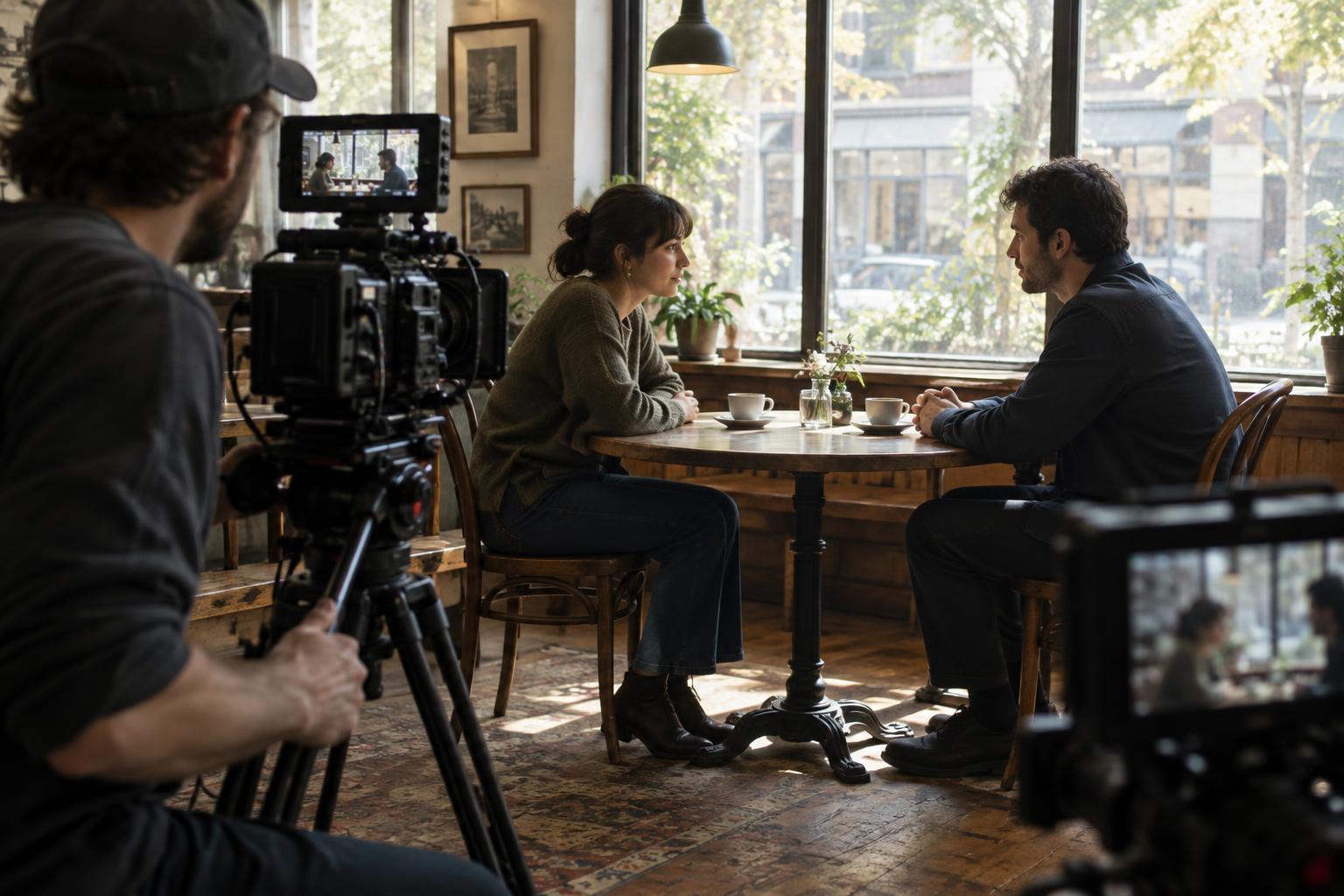
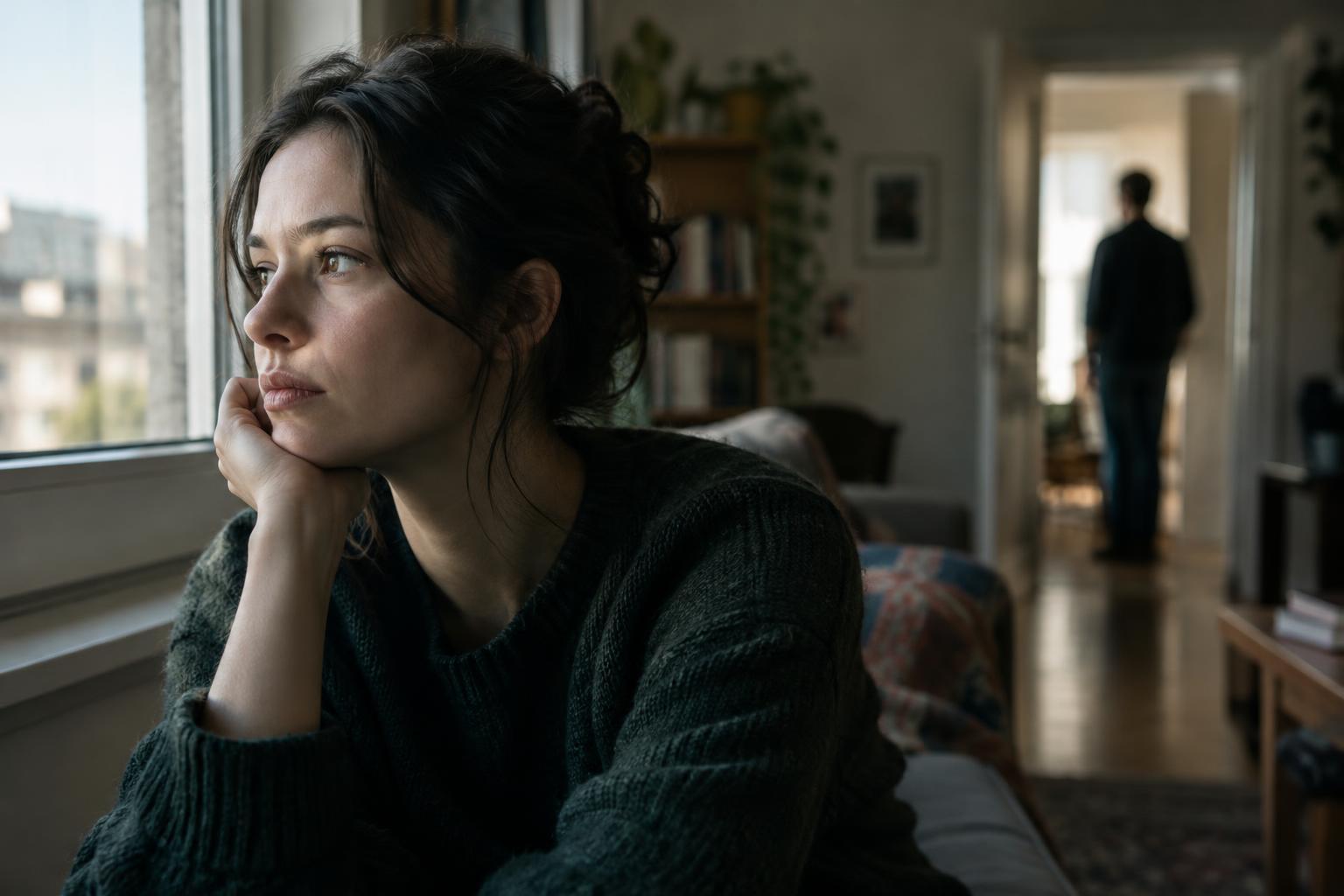
Imagine a character opening a letter while someone waits in the doorway. If only the letter and hands are sharp, the viewer stays close to the private act of reading. If the doorway is also clear, the waiting figure remains part of the moment, even without a cut. Focus changes not just the appearance of the shot but the information it offers.
What shallow focus can withhold
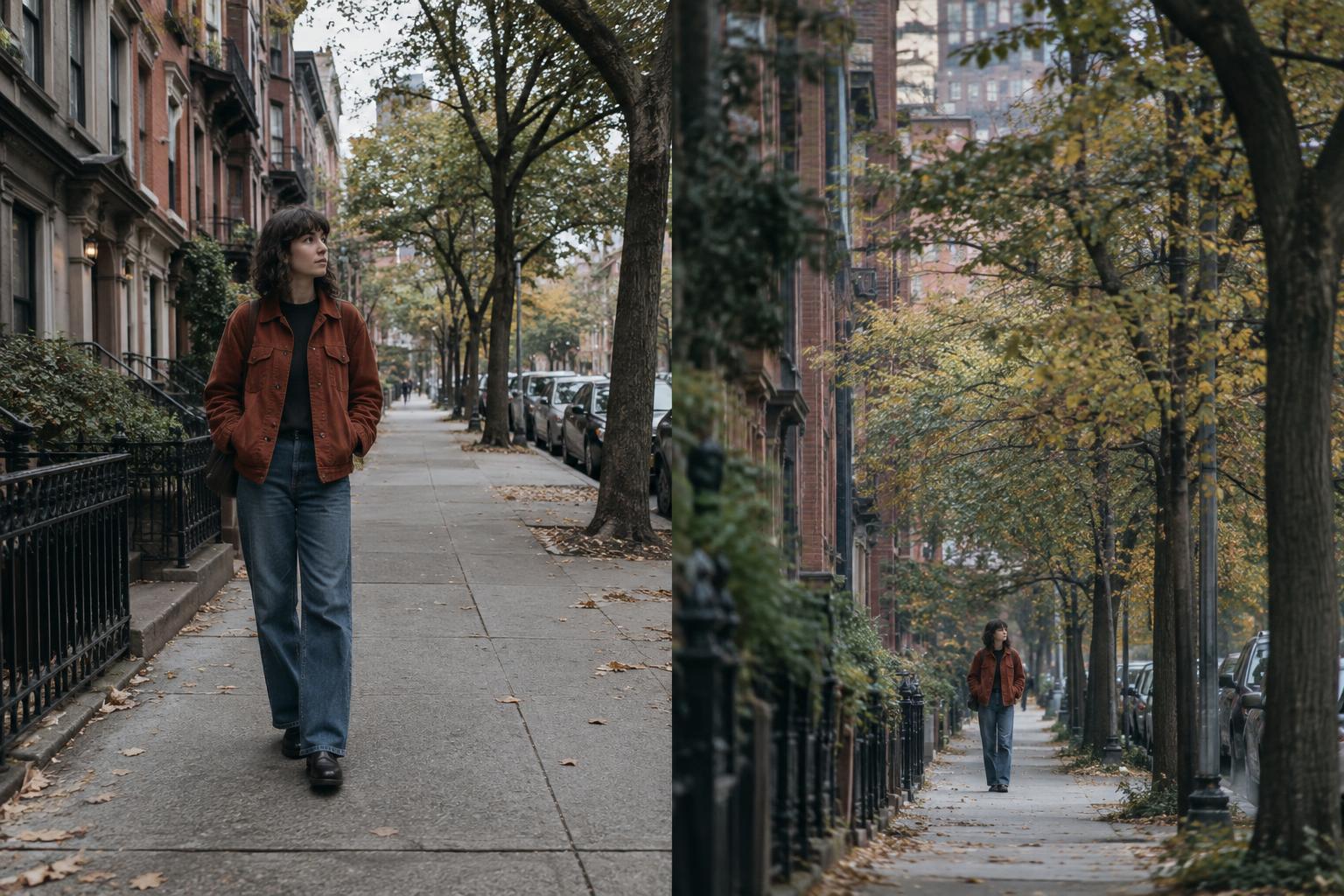
Shallow depth of field can make a crowded place feel isolating. Background figures remain visible as shapes, but their expressions and actions are harder to read. This may suit a character absorbed in a decision or struggling to connect with what is happening around them. A blurred background can also delay a reveal: the audience senses movement behind the subject before it can identify the source.
That effect has a cost. If an important gesture occurs outside the sharp area, viewers may miss it. An extremely narrow plane of focus can also make a moving actor’s eyes drift soft at the wrong moment. Before choosing it, identify the details that must remain legible throughout the shot. The strongest use of blur often preserves one clear point of attention rather than making everything else indistinct.
What deep focus lets viewers discover
Greater depth of field gives foreground and background actions room to coexist. A character can speak near the camera while another silently packs a bag across the room. Instead of directing attention through a cut, the shot allows viewers to notice the contrast between words and behavior. Keeping the space readable can also clarify a power dynamic: who has room to move, who is cornered, and what separates them.
Deep focus does not mean leaving the audience without guidance. Blocking, lighting, color contrast, movement and composition still influence where the eye goes. If every part of the frame competes equally, a crucial beat may get lost. Plan the shot so that viewers can explore the space while still finding the action that matters.
Let focus change with the scene
A focus pull can shift attention without changing the camera position. Consider a conversation framed with one speaker in the foreground and the other behind them. Holding on the foreground face emphasizes the spoken line. Shifting sharpness to the listener can turn the same line into a question about its effect. The timing matters: an early shift may anticipate a reaction, while a later one can let an uncomfortable silence settle first.
Focus changes are most effective when they follow a dramatic reason, not simply because another subject has entered the frame. Rehearse movement and decide what triggers the shift: a look, a sound, an object being placed down. If both subjects need to remain readable at once, a wider depth of field may tell the story more clearly than a pull between them.
Choose the look without losing the scene
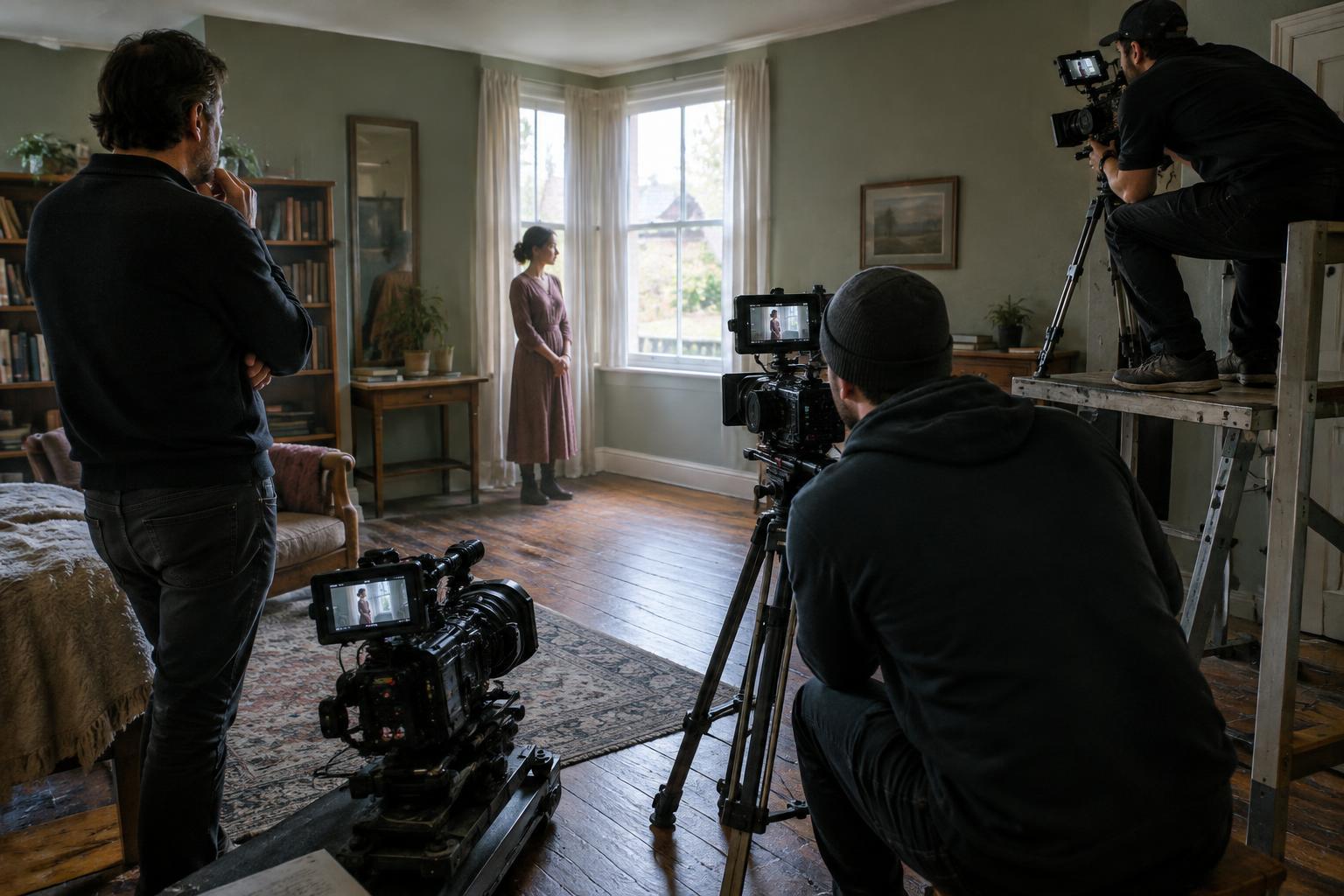
Depth of field depends on several connected choices, including aperture, focal length, camera-to-subject distance and sensor size. A wider aperture generally produces a narrower sharp range, but it also admits more light. Moving closer to a subject narrows that range too. These choices affect framing and exposure as well as focus, so it helps to test them in the actual space rather than selecting an aperture by habit.
Start with a simple shot list question: what must be sharp at the beginning, middle and end of this take? Check whether actors can hit their marks naturally and whether the background contains information the audience needs. Then review the shot at a size where missed focus and distracting details are easy to see. The aim is not to keep a scene shallow or deep from start to finish. It is to make every change in clarity feel connected to a change in understanding.