Start with the scene, not the shopping list
A beginner production designer may start by asking what would make a location look interesting. A more useful question is what the audience needs to understand there. A room can suggest a character’s habits, a strained relationship or a change in circumstances, but those ideas should grow from the script and the way the scene plays. Adding objects simply because they suit a mood can make the frame busy without making the story clearer.
Before dressing a space, write down what happens in it. Who enters, what do they want, and where does the audience’s attention need to go? Then identify a few details that support those answers. A carefully placed unfinished meal may say more about an interrupted evening than a table covered with decorative props. The goal is not to make every surface meaningful. It is to give the most useful details room to register.
Mistake one: treating clutter as character
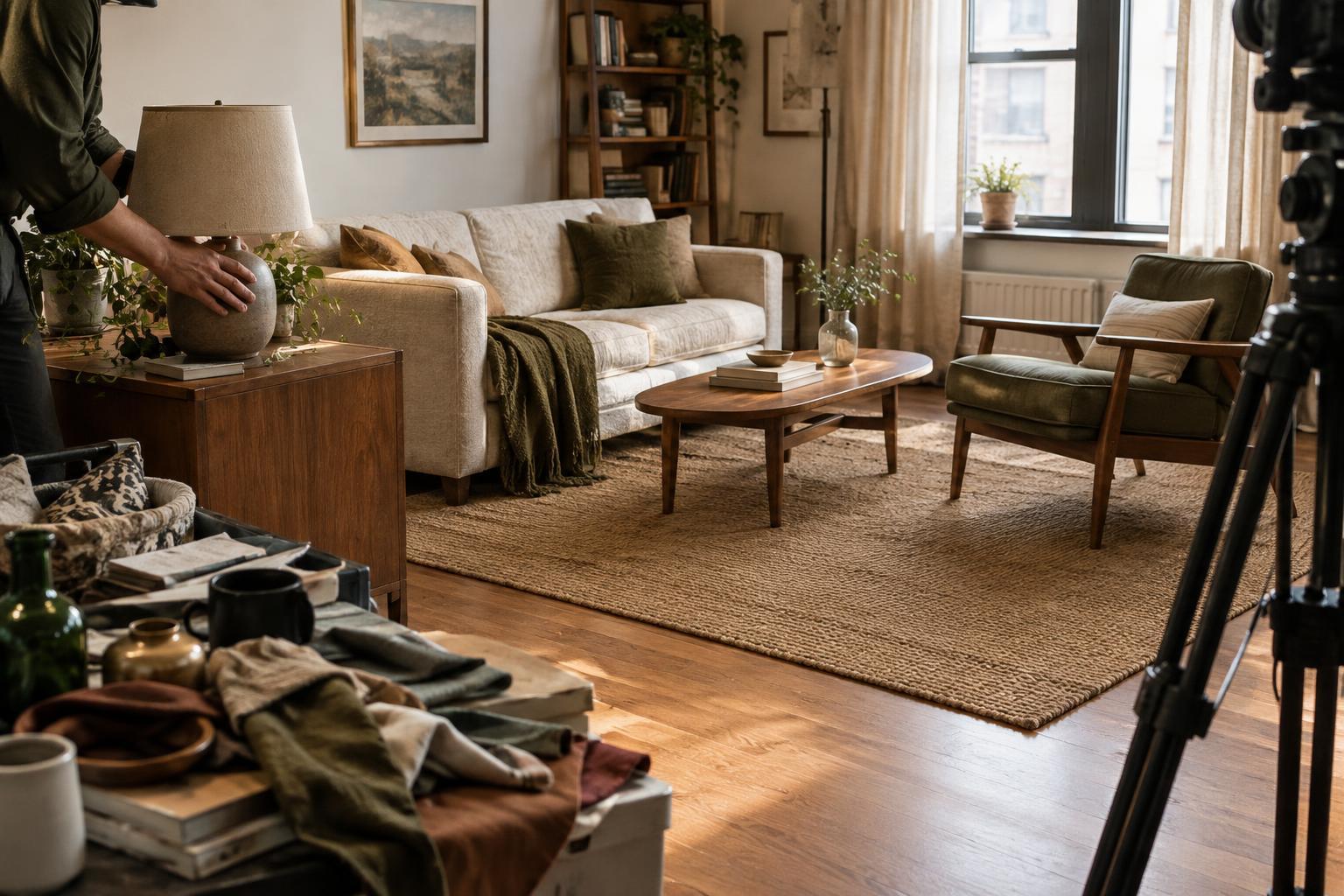
Lived-in spaces are rarely empty, so beginners often add piles of books, photographs, plants and small objects to make a set feel real. The problem is not the number of items by itself. It is that every visible shape competes with the actor, the action and any prop the audience must notice. In a wide shot, clutter can flatten a room into visual noise. In a close-up, one bright object behind a face can become an unintended focal point.
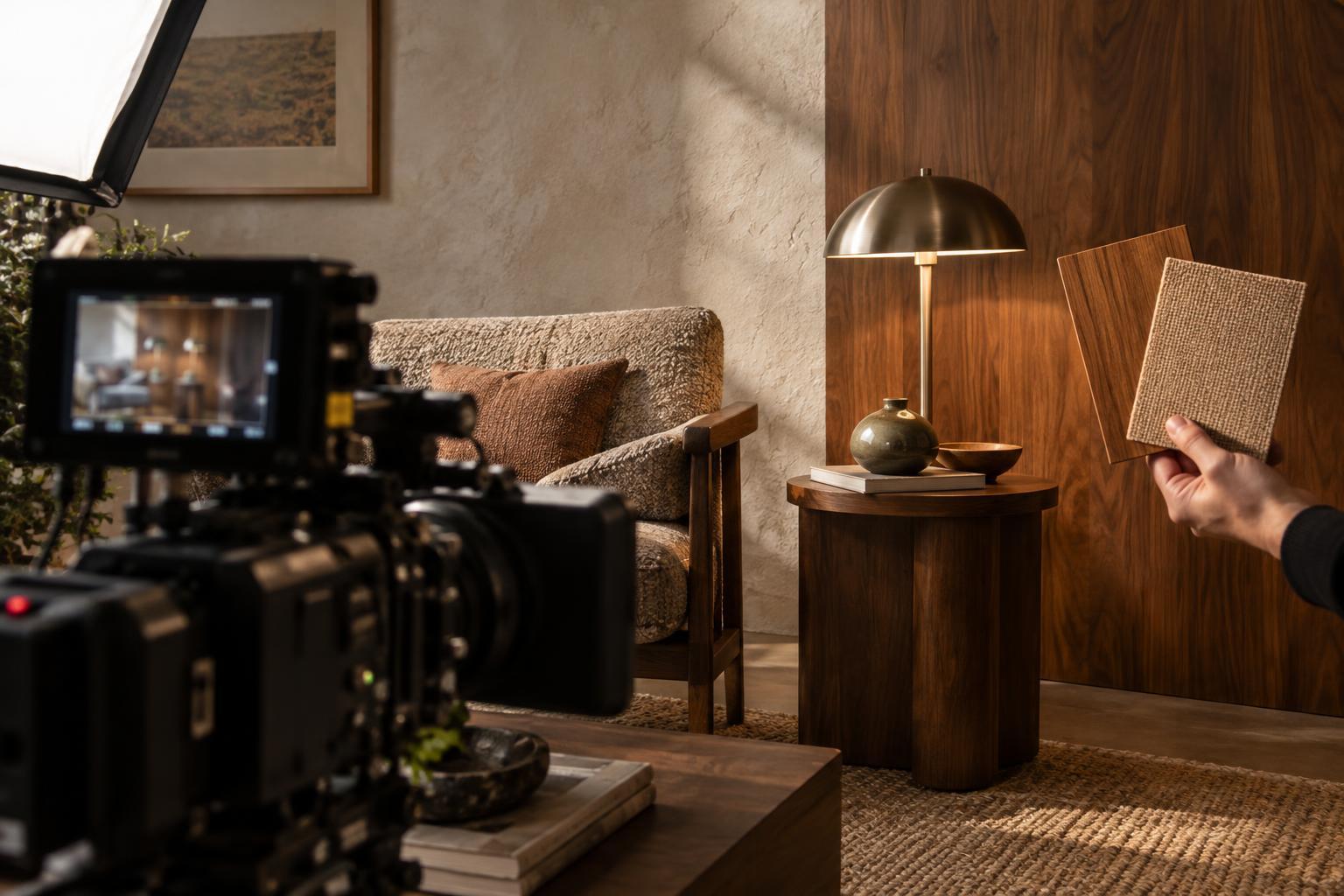
Dress for the planned shots rather than for an imaginary visitor walking through the entire room. Look through the camera position, or use a simple phone frame as a rough check. Remove items that obscure gestures or draw attention away from a key moment. Group remaining objects so they suggest a habit or purpose: a working corner, a neglected shelf, a clear path to the door. Negative space can be expressive too, especially when a scene calls for isolation or discomfort.
That does not mean every set must be tidy. A chaotic room can serve a story when its disorder has a pattern. Ask what has accumulated, who left it there and what the actor can do with it. Those answers make mess feel specific rather than randomly scattered.
Mistake two: changing the visual rules without a reason
Inconsistency can appear within one room or across an entire film. A character’s home might suggest limited resources in one scene, then contain conspicuously expensive furnishings in the next without any story explanation. A recurring location may shift color, wear or object placement between shooting days. These details can distract viewers even when they cannot name exactly what changed.
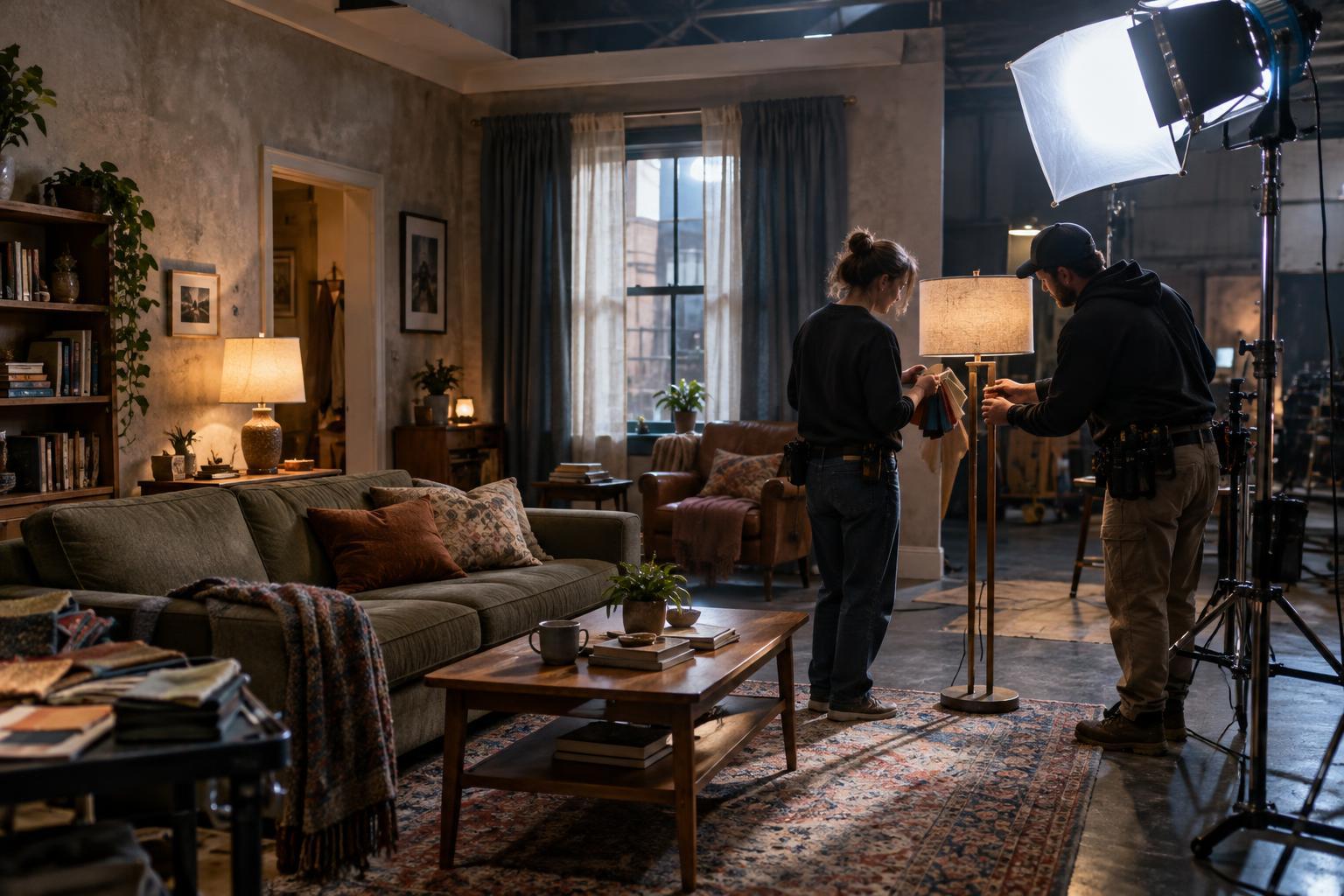
Create a short set of visual rules for each important location. Note its dominant materials and colors, the age and condition of its objects, and what the character tends to keep, repair or discard. For recurring spaces, take reference photographs from several angles and keep a simple record of furniture positions and significant props. Revisit those notes before changing a setup. Consistency does not require a room to stay frozen: a moved chair or newly empty shelf can tell a story when the change is deliberate.
Visual consistency also includes how a set appears under different lighting and camera angles. A color that seems subdued in person may become prominent in a shot. When possible, check key materials in the actual space and under the intended light before committing to them.
Mistake three: ignoring how the scene must work
A beautiful layout can fail as soon as actors and crew need to use it. Furniture may block an entrance, a table may leave no space for a conversation to be filmed, or a chosen prop may be awkward to handle repeatedly. Production design works best when it supports movement and coverage as well as appearance. Early conversations with the director and camera team can reveal whether a wall, doorway or major object needs to shift.
Walk through the action before finalizing the dressing. Can an actor reach the important object naturally? Is there a clear route for entrances and exits? Will opening a drawer or closing a door interrupt the planned shot? Consider practical constraints too: fragile objects should not sit where repeated movement is likely to disturb them, and frequently handled props should be easy to reset between takes. These checks can save time while preserving the look of the scene.
Make every choice earn its place
A useful final pass has three stages. First, view the set without actors and remove anything that has no clear visual or storytelling purpose. Next, watch a rehearsal or walk-through and adjust objects that interfere with movement or performance. Finally, examine the space from the planned camera angles, checking what draws the eye and what disappears from view.
Good production design is not measured by how much was added. It is measured by whether the environment helps the scene feel coherent and playable. When clutter is selective, details follow consistent rules and the space meets practical needs, the audience can concentrate on the story rather than the work that built its world.