Start with the information, not the surprise
A reveal works when the audience understands what has changed. Before designing the room, identify three things: what viewers should know when the scene begins, what they should suspect, and what they should learn at the turning point. The answer might be a person standing behind a door, damage hidden by furniture, or an object that has been in view all along. Each calls for a different spatial solution.
Consider a scene in which a character searches an empty apartment and eventually finds a packed suitcase. If the suitcase is meant to be a shock, the design needs a credible reason it was not visible earlier. If the audience should notice it before the character does, the set needs a place where it can be seen without dominating the frame. The same object serves two different stories depending on when each observer becomes aware of it.
Map the room from the audience’s likely views
Draw a simple floor plan showing entrances, windows, large furnishings and the positions where actors may pause. Then sketch the views the camera could plausibly take from those positions. You do not need polished illustrations: rough sightlines are enough to reveal whether a supposed hiding place is visible from the doorway or whether a planned discovery depends on an awkward angle.
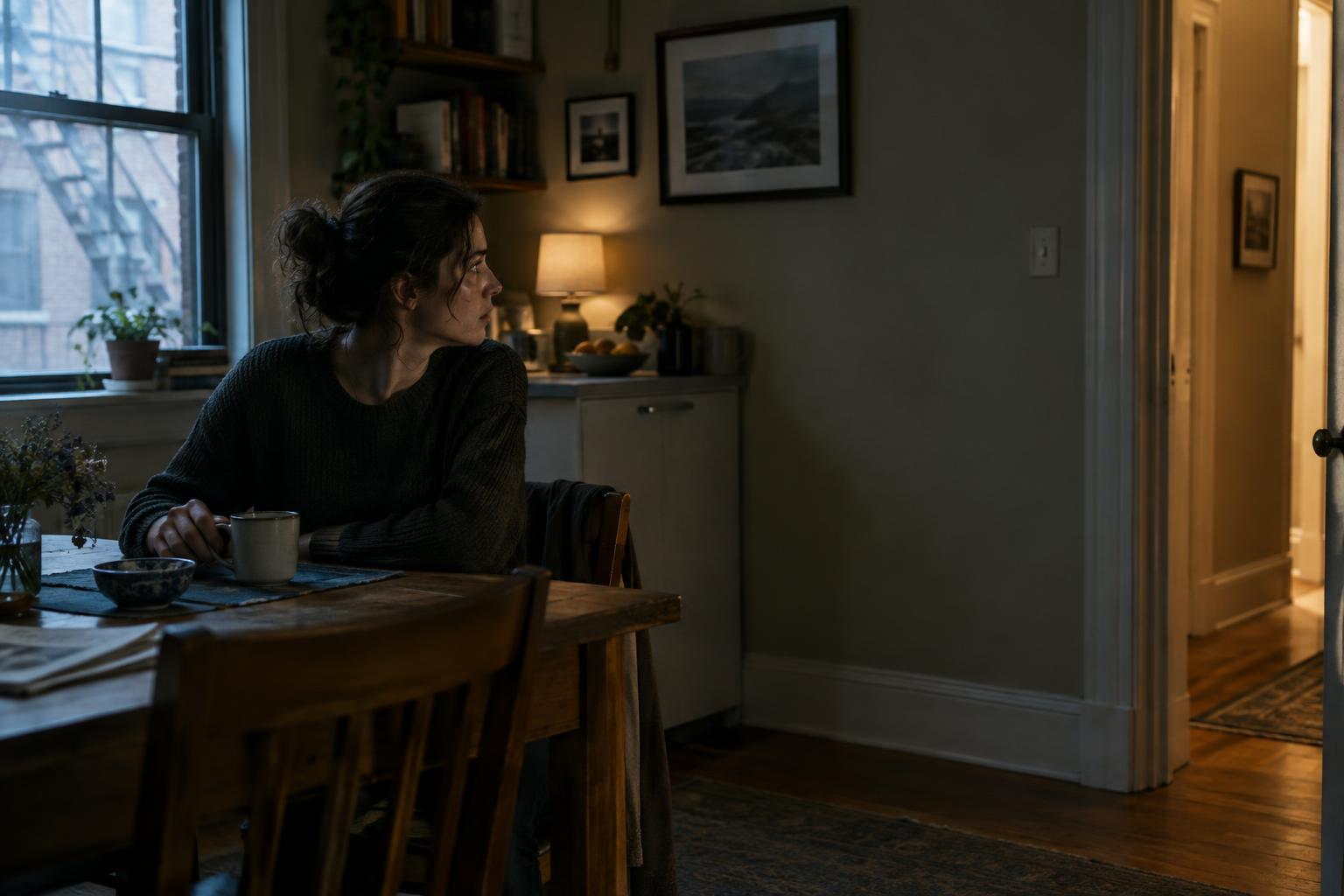
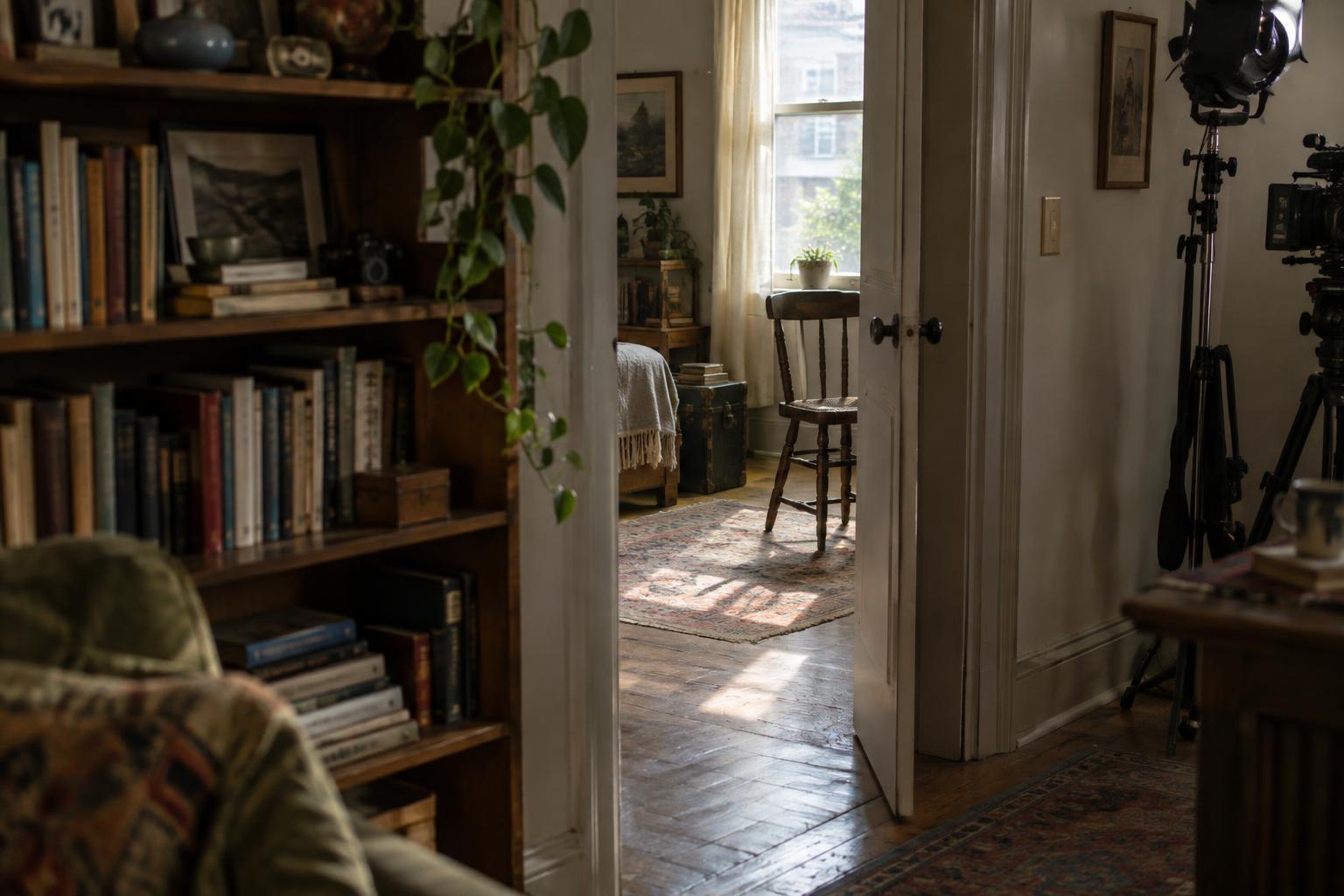
Pay particular attention to thresholds. A hallway opening can disclose one portion of a room at a time; a partition can block a corner until an actor crosses it. These features can create a reveal through ordinary movement rather than a conspicuous camera trick. They also have to make sense as architecture. A wall placed solely to hide a plot point may draw more attention than the plot point itself.
Remember that the lens and camera height affect what the audience can see. A low view may let a counter conceal an object that is obvious from eye level. Discuss important sightlines with the director and cinematographer before treating any hiding place as dependable, and test it with a camera or a simple viewfinder when possible.
Use dressing to guide attention honestly
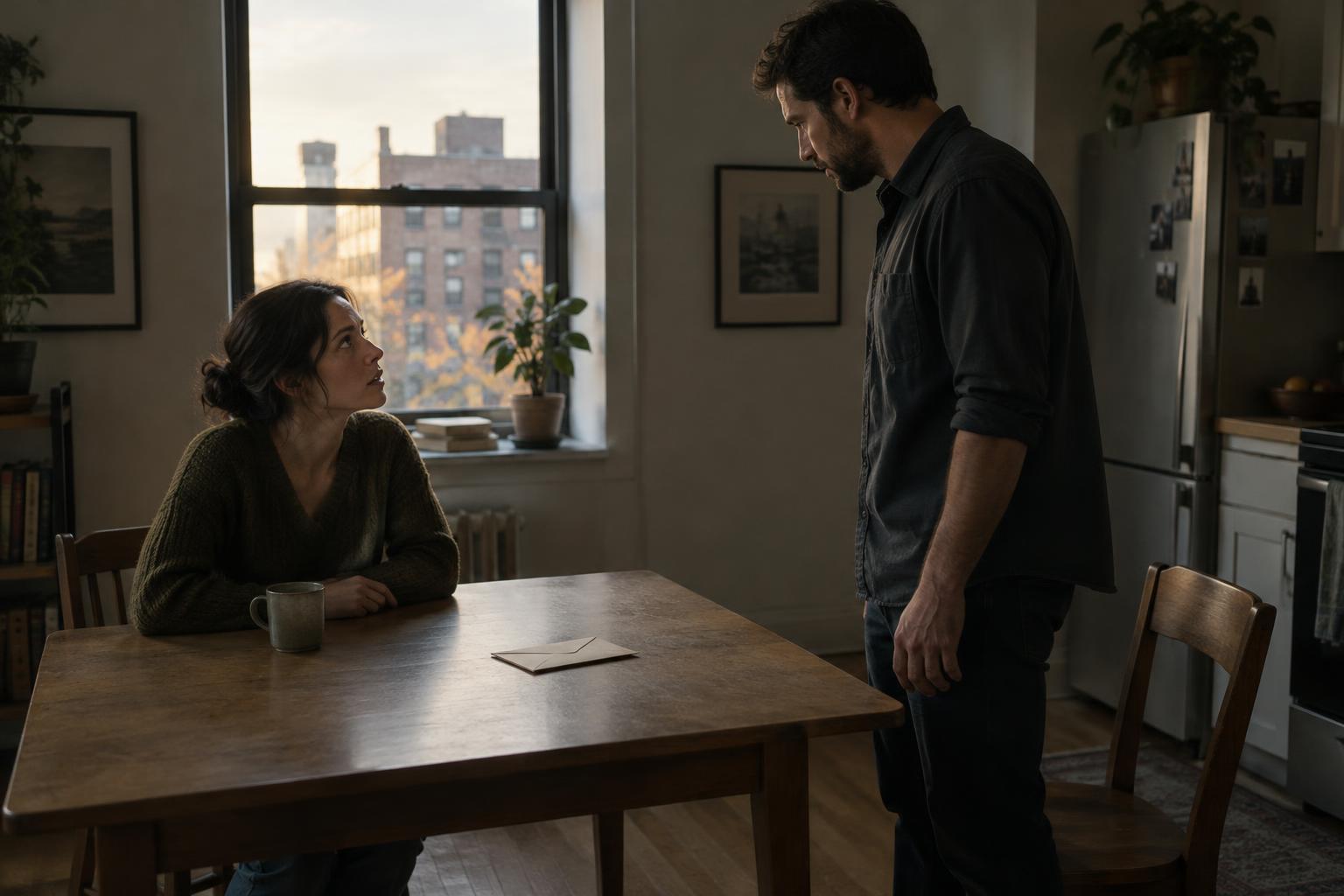
Concealment does not always mean putting something behind a solid barrier. Set dressing can give viewers a reasonable place to look first. A cluster of coats near an entrance, for example, may draw attention to a character’s hurried arrival while a smaller detail waits on the table beyond. The aim is to create a believable hierarchy of visual interest, not to fill every surface with distractions.
For a detail that should register only on a second viewing, give it a clear and stable position in the space. If it moves between shots or disappears behind changing arrangements of objects, the reveal may feel accidental rather than planted. By contrast, an item intended to be noticed immediately needs a readable shape or placement, especially if the scene moves quickly. The design can support that clarity without making the object look unnaturally isolated.
Be cautious with hiding a crucial clue in darkness or clutter. Viewers cannot reconsider information they were never given a fair chance to perceive. Decide whether the scene needs a genuine visual clue, a delayed view of an existing space, or a completely new piece of information, then dress accordingly.
Plan for movement, coverage and practical access
A set can conceal a person perfectly in one planned shot and fail as soon as the scene needs another angle. Check the design against the likely coverage: wide shots, reverses, entrances and any movement around furniture. If a reveal requires the camera to avoid half the room for several minutes, ask whether the scene can support that restriction. Sometimes a small change to a doorway or cabinet is more useful than an elaborate hiding place.
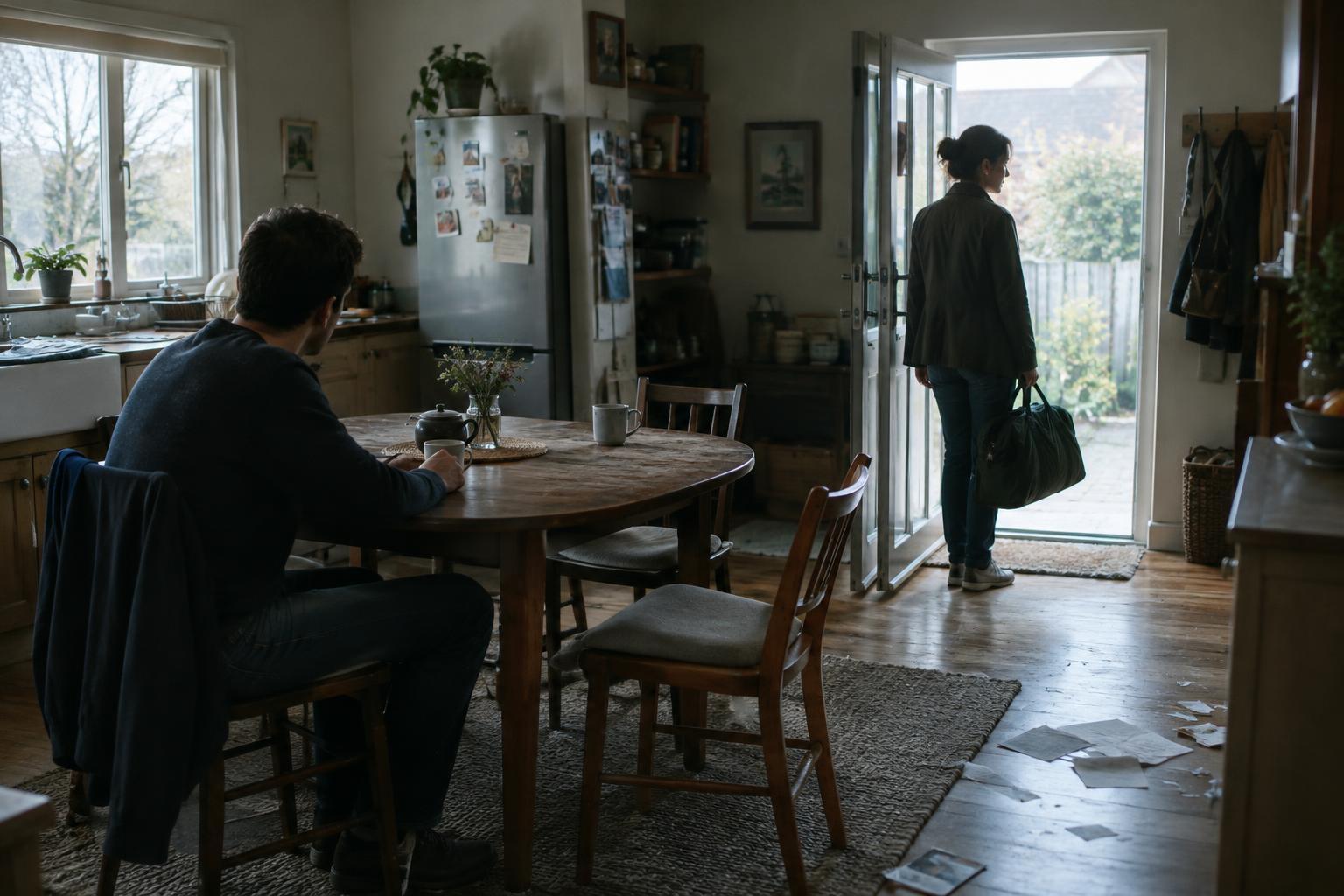
The actors also need to move naturally. A character who walks an unlikely route just to preserve a surprise may alert viewers that the set is managing them. Give each movement a purpose within the scene, such as looking for a light switch, setting down keys or making room for someone else. Allow space for crew access and safe operation too; a beautifully concealed corner is of little use if equipment cannot reach the planned position.
Before finalizing the set, walk through the reveal in sequence. What is visible at the entrance? What changes when an actor sits, turns or opens a door? What can the audience infer before anyone speaks? Revising these answers on a floor plan or in a rehearsal is usually easier than trying to repair an unclear reveal in the edit.
Make the reveal belong to the room
The strongest reveal often feels inevitable in retrospect. A suitcase fits beside a closet because someone living there would put it there. A damaged wall sits behind a cabinet that has been pulled forward to hide it. These choices give the room an ordinary logic while allowing the story to change how we read it.
When the audience finally sees the hidden detail, the set should provide more than a momentary surprise. It can show what a character has concealed, what another character overlooked, or how familiar surroundings have become threatening. Designing for that change in meaning keeps the work focused: every doorway, object and sightline helps the viewer discover the room at the story’s pace.