The frame gives the audience a boundary
Every shot divides a fictional world into what viewers can see and what they must imagine. A character may look toward a doorway outside the frame, or stop speaking when someone approaches from behind the camera. Neither action shows the unseen person, but both give that space a role in the scene. Offscreen space is most effective when the audience has a reason to think about it.
Hiding something is not automatically suspenseful. If viewers cannot tell what matters or where a character is looking, they may spend the moment solving the layout rather than following the story. Begin with a simple question: what should the audience know about the unseen area? You might establish that a hallway leads to an exit while withholding who is standing in it. That small piece of orientation lets uncertainty feel deliberate.
Give the unseen space a clear relationship to the action
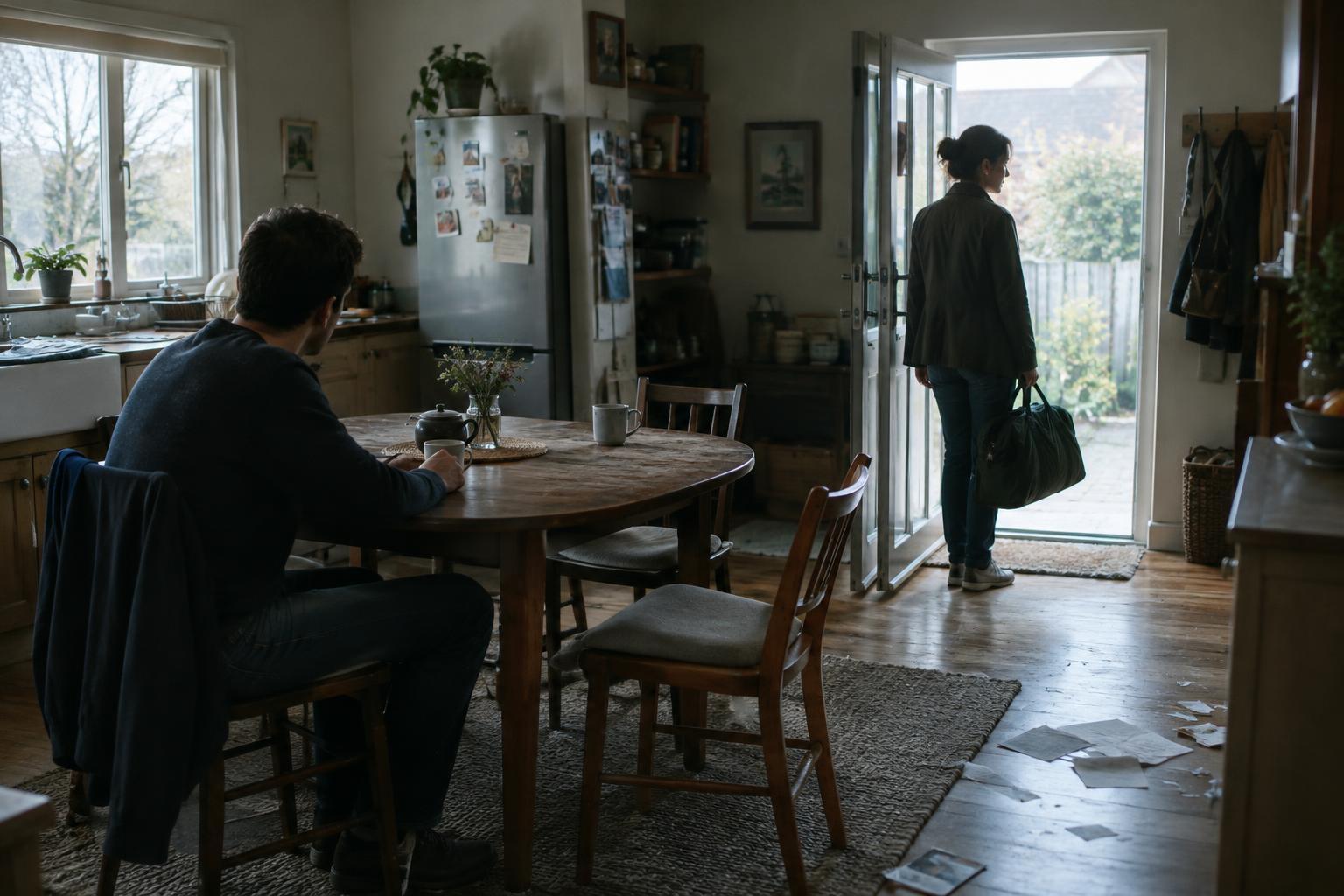
Suppose a character is packing a bag at a kitchen table while waiting for a visitor. A tight view of the table keeps the front door out of sight. Footsteps pause, and the character's hands stop moving. The audience understands that someone may have arrived because the sound and reaction point to a specific place beyond the frame. The shot does not need to reveal the door immediately.
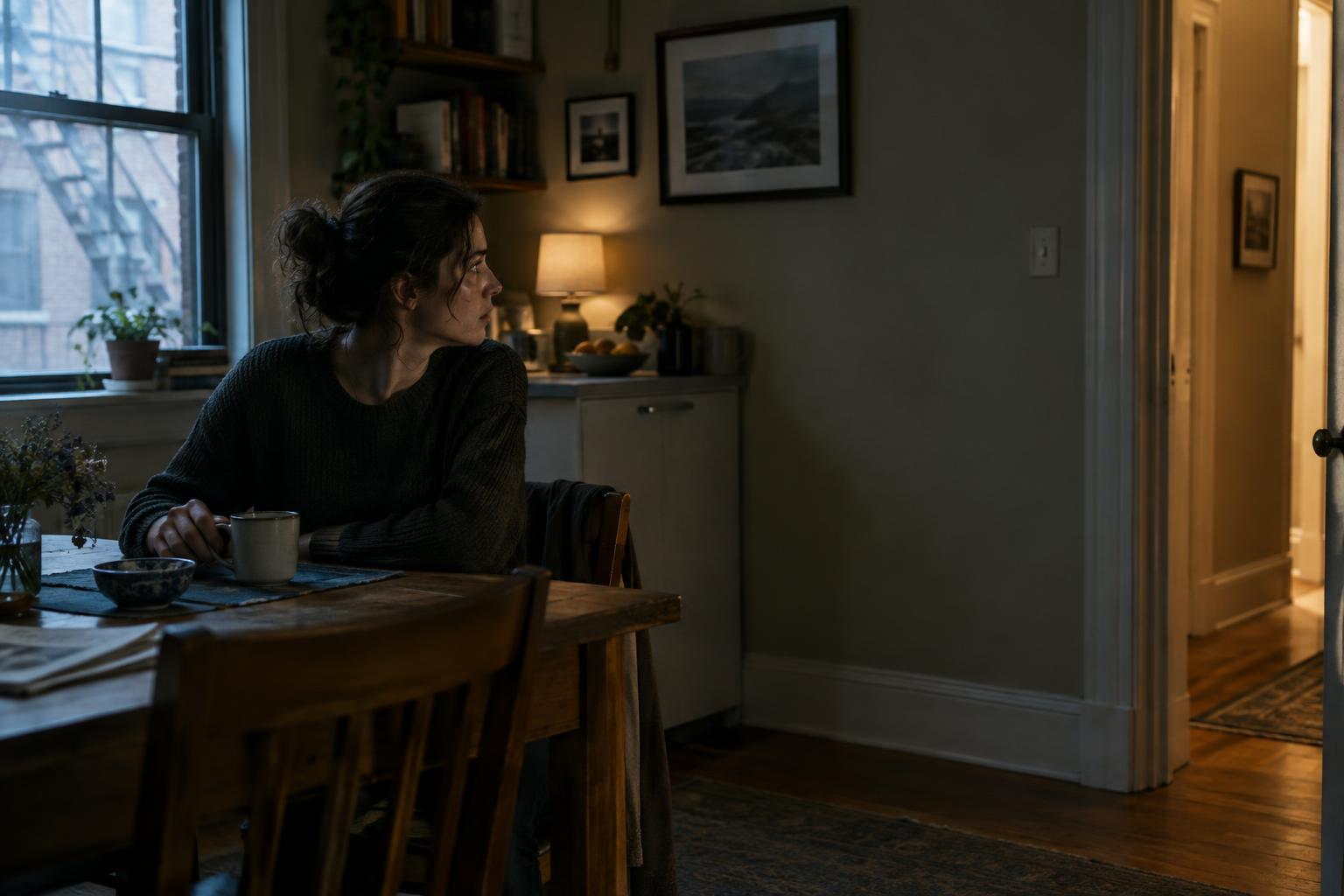
Blocking helps make this relationship legible. A character can leave room in their gaze for someone just outside the shot, turn their body toward an unseen object, or move toward the edge of the frame and hesitate. These choices invite viewers to imagine a continuation of the space. They also give a later cut or camera move a purpose: it answers a question the scene has already raised.
Use sound to suggest, not explain away, the unknown
Sound can make offscreen space feel active without identifying everything in it. A latch clicks beyond the frame; a voice comes from another room; traffic grows louder when a door opens. Each cue suggests a location and a possible action. The choice of when to play it matters as much as the sound itself. A noise before a character reacts invites viewers to anticipate the response; a noise after the reaction may leave them wondering what the character noticed first.
Avoid making every unseen event unmistakable if uncertainty is the point. A muffled scrape could be a chair moving or an unexpected visitor. But keep the ambiguity focused. If the audience cannot tell whether a sound comes from inside the room, outside the building or another time in the story, they may lose their grip on the scene. Decide which question you want to leave open and make the surrounding information clear.
Choose when the reveal changes the scene
A reveal earns its place when seeing the hidden area changes how viewers understand the action. The camera might pan to show that the visitor never entered, or cut to the doorway and find a familiar character carrying something unexpected. The reveal need not be a surprise. Sometimes showing an empty doorway after a long wait matters because it confirms a character's disappointment.
Timing offers different effects. Reveal an offscreen figure early, and the audience can watch a character act without knowing they are observed. Wait until the character sees the figure, and viewers share the discovery. Withhold the view even longer, and attention may shift from who is there to how the character handles not knowing. Choose the timing according to whose experience should lead the scene, rather than treating concealment as a trick to extend.
Plan the hidden area before you shoot
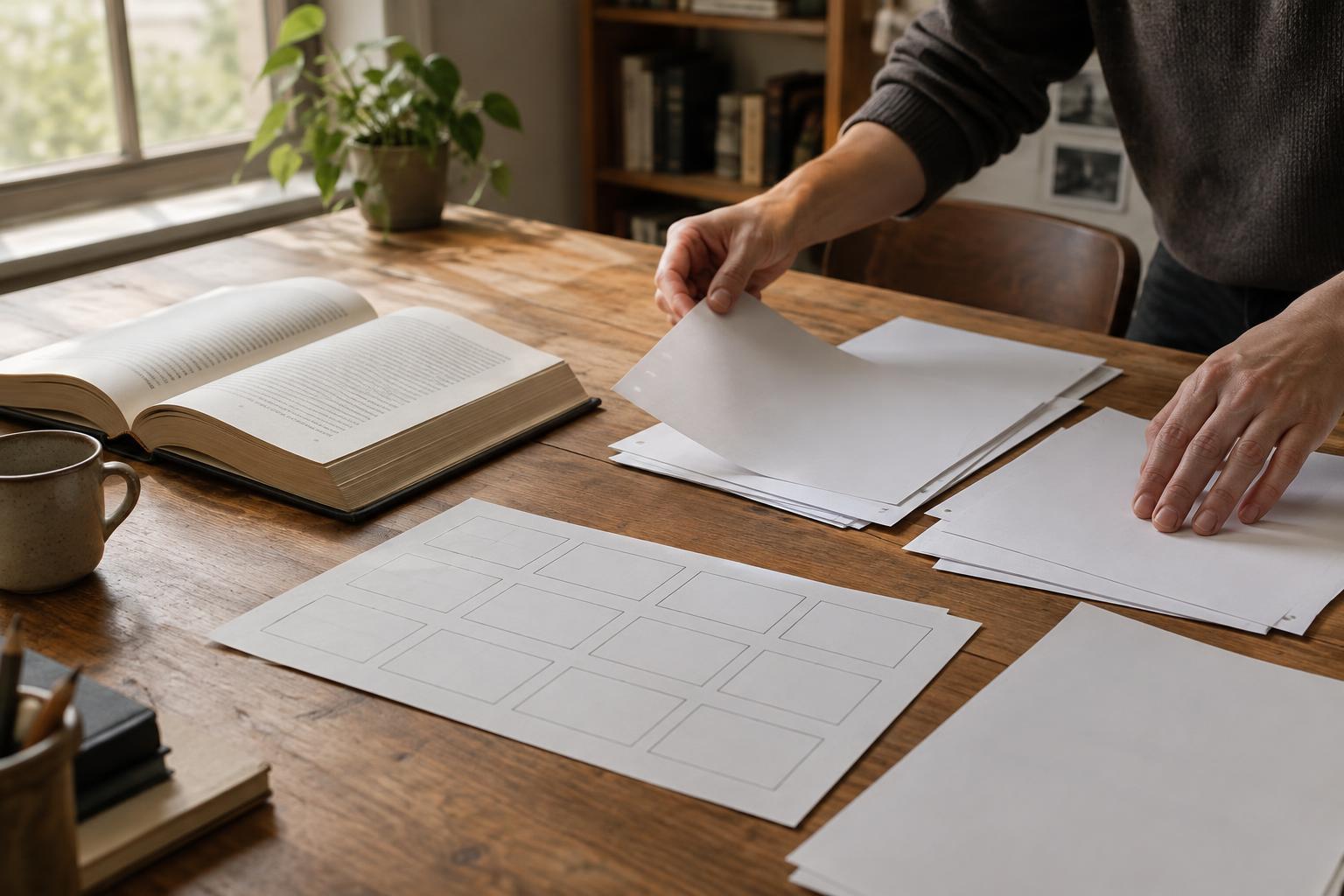
Even when a place will not appear on camera, decide where it is. Sketch the room, mark the edges of the intended frames, and note where people enter, exit and make sounds. This helps actors direct their attention consistently and gives editors options for preserving a clear sense of space. If a later shot reveals the area, its position should make sense in relation to the earlier looks and sounds.
A useful test is to describe the scene without naming the eventual reveal. Can someone tell where the unseen action probably takes place and why the character cares about it? If so, the audience has enough to participate. If not, add a modest cue before adding more mystery. Offscreen space works best when the frame withholds the answer, not the question.