Edit the exchange, not a collection of lines
A dialogue scene can be assembled from individually strong readings and still feel lifeless. One actor delivers a sharp accusation; the other gives a convincing denial. Yet cut together, the responses seem to arrive from separate conversations. The missing ingredient is the exchange: what each character hears, resists, misunderstands or decides to reveal.
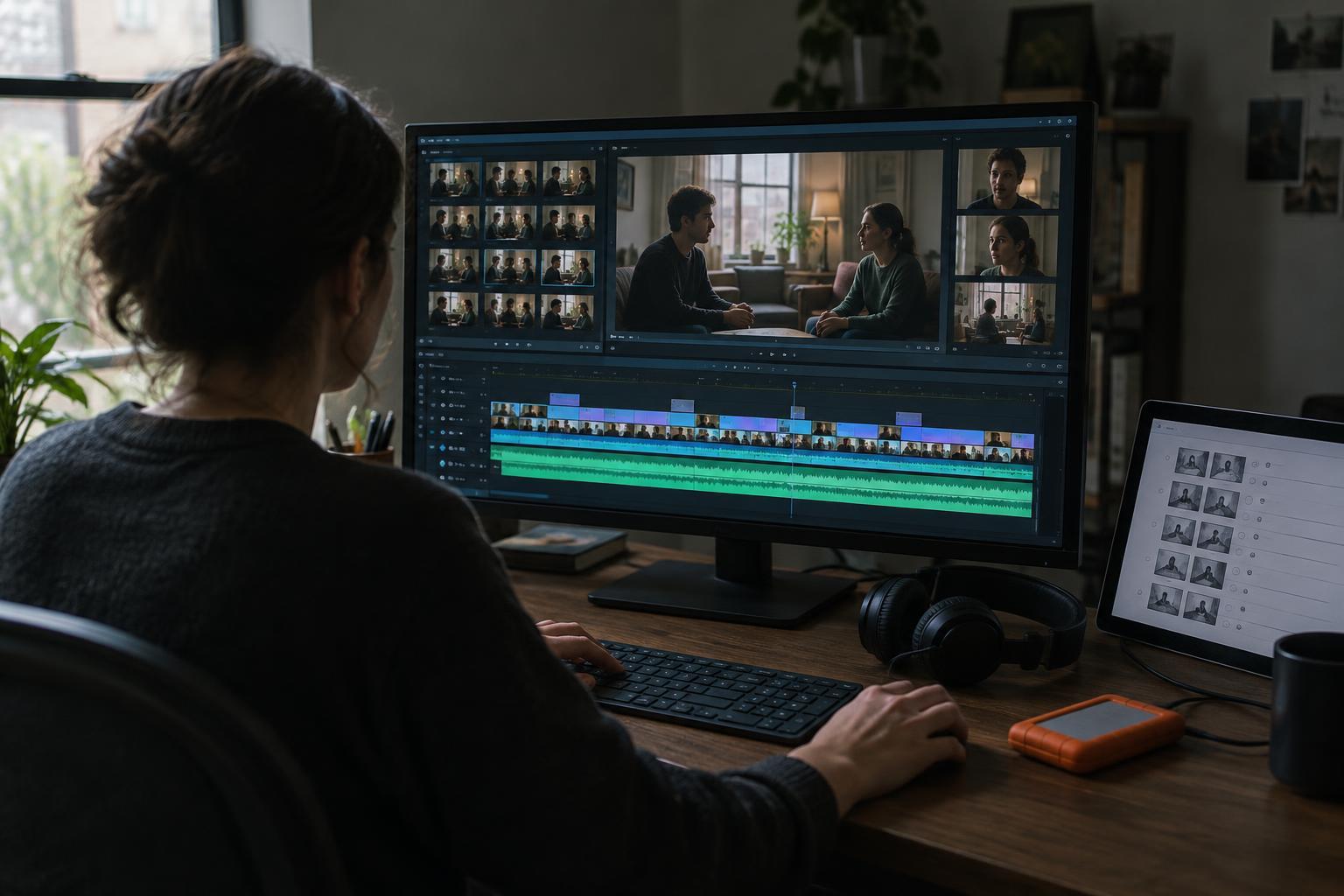
Before choosing favorite takes, identify the scene’s turning points. Where does a character change tactics? Which answer makes the next question harder to ask? A useful first pass may be to watch each complete take without stopping, noting the moments when attention shifts between characters. These notes give individual lines a purpose within the scene rather than treating every sentence as a performance contest.
It can help to build an initial version from one sustained take, even if it has imperfections. This exposes the scene’s natural timing and gives you something to compare against as you introduce alternatives. A replacement should do more than improve a word or expression; it should strengthen the relationship between the moment before the cut and the moment after it.
Choose for intention and response
When comparing readings, ask what a character is trying to do to the other person. The same sentence might be an invitation, a warning or a way to end the conversation. A take with less polished delivery may be more valuable if its intention provokes a believable response in the next shot. Conversely, an emphatic reading may close off a question that the scene needs to keep open.
Reactions deserve the same scrutiny as spoken lines. A listener might look away before answering, hold eye contact too long or begin to speak and think better of it. These actions can change the meaning of the words that follow. Avoid selecting a reaction simply because it is vivid. Ask whether it belongs to the emotional moment you are building and whether it preserves what the listener knows at that point.
You do not need to show every reaction as it happens. Staying with the speaker can make a difficult admission feel exposed; cutting to the listener can make its effect the center of the scene. Test both options at important turns. The choice of whose face we see tells the viewer where to look for change.
Protect the rhythm of thought
Dialogue rarely unfolds as a tidy sequence of line, cut, line, cut. People interrupt, hesitate, speak over an answer or leave space because they cannot find one. Cutting away every pause can make characters sound equally quick and certain, even when their hesitation is the point. Let the duration of a beat reflect what is happening beneath the words.
That does not mean keeping every gap. A pause is useful when it creates anticipation, reveals reluctance or allows a new idea to register. If it merely repeats a beat already established, shortening it may give the scene more force. Try watching the sequence once for clarity and again for pressure: does each silence make the next line feel different?
Be cautious with cuts placed only to hide a stumble or tighten timing. A technically smooth edit can interrupt a glance or breath that connects two thoughts. Where coverage allows, compare cutting before a character begins to react with cutting after the reaction has started. Even a small shift can change whether a response feels spontaneous or prepared.
Let sound hold the conversation together
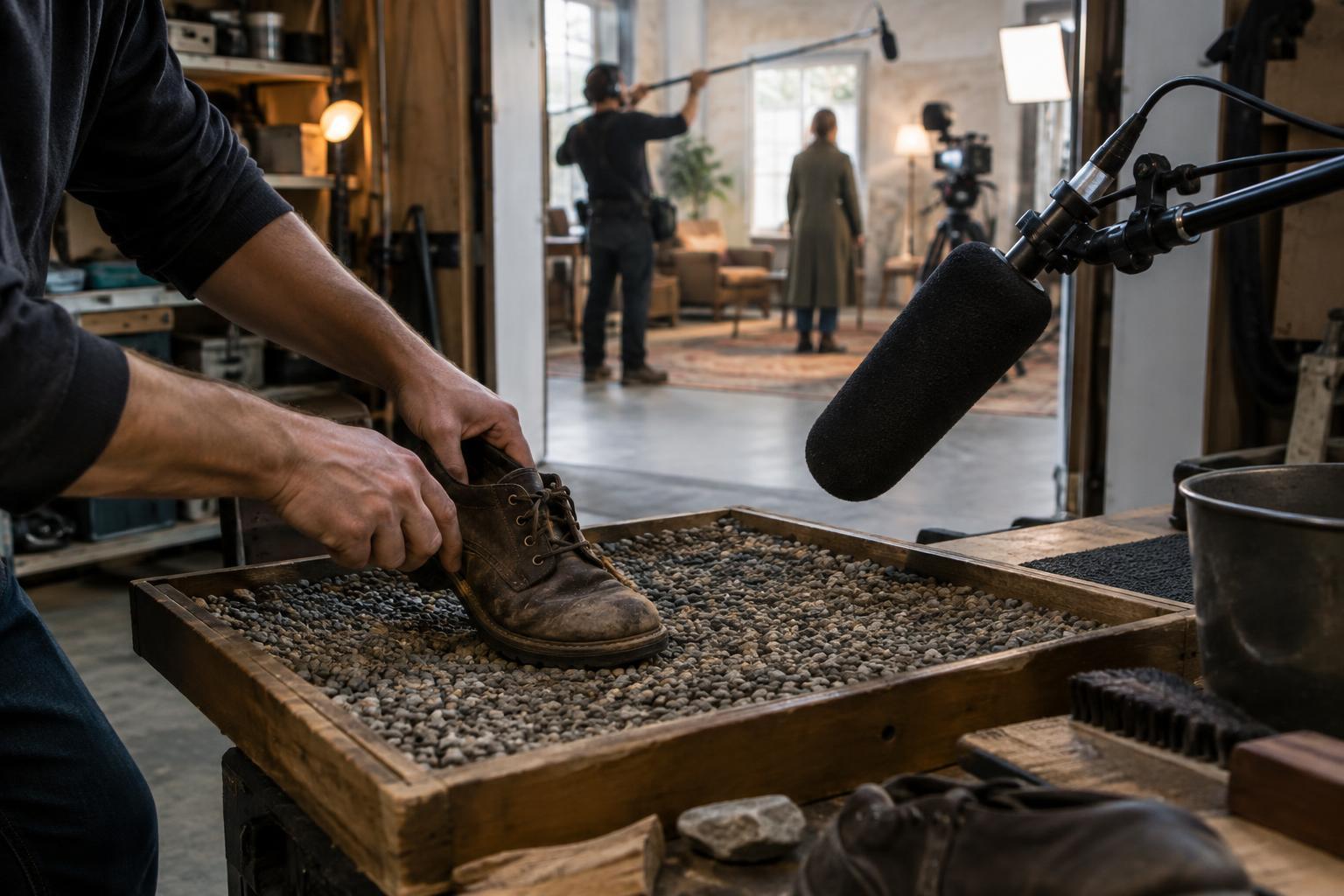
The picture edit is only part of the exchange. A line that begins over the previous shot can pull us toward the next speaker before we see them. Holding on a listener after the other character starts talking can show how the words land. These sound-led choices offer alternatives to cutting on every change of speaker.
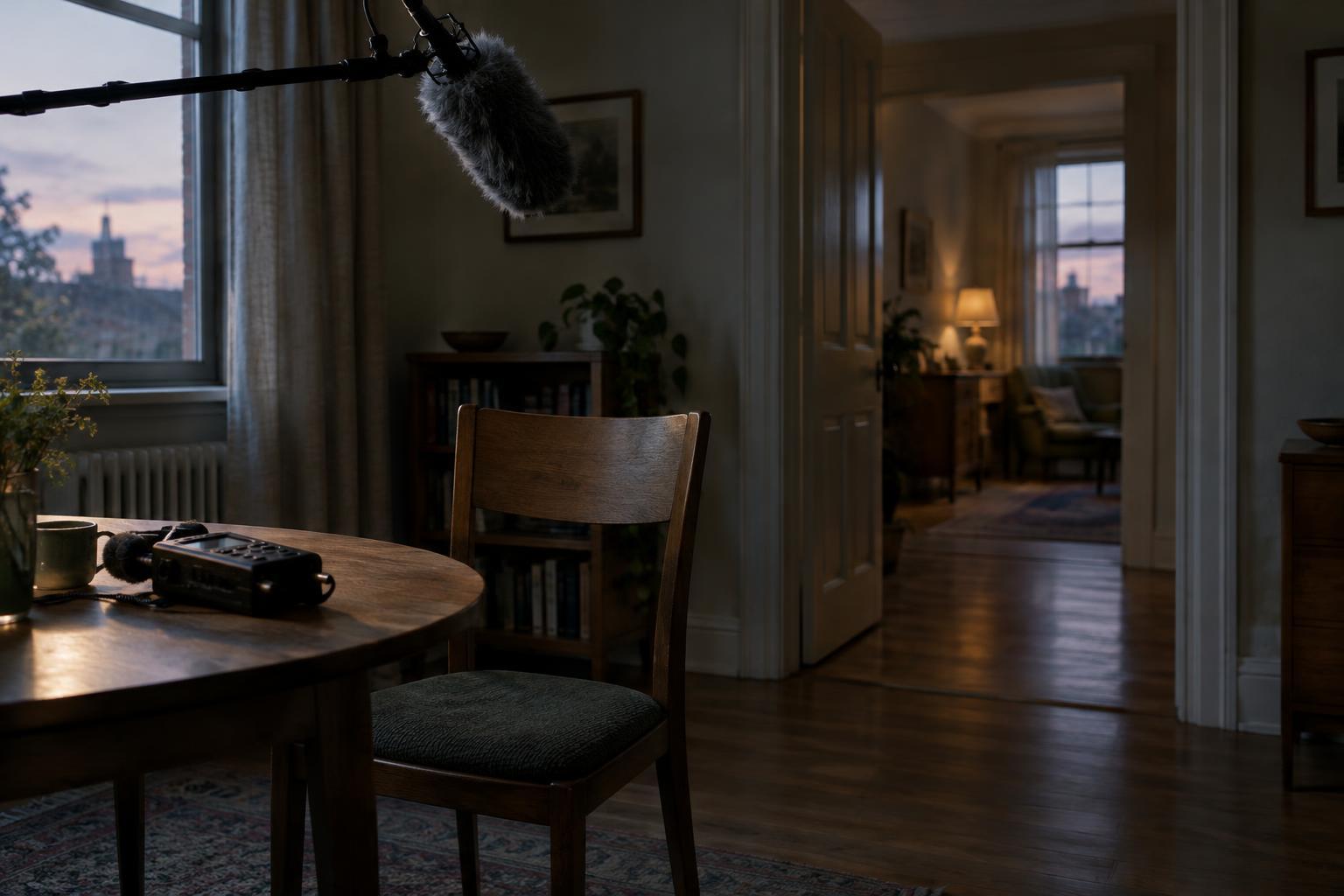
Listen for differences in room tone, vocal distance and breath when joining takes. An abrupt change in background sound can draw attention to a cut even when the image matches. Consistent ambience can help a scene feel continuous, but it should not erase meaningful changes in distance or perspective. If a character turns away or moves across the room, some change in the sound may support the action.
Overlapping dialogue needs particular care. Making every word perfectly distinct can remove the friction of an interruption; leaving too much overlap can obscure information the viewer needs. Decide which words must be understood, then shape the surrounding voices and timing to preserve the sense that both people are actively participating.
Review the whole scene for cause and effect
After refining individual edits, watch the scene from its beginning without pausing. Track what each character appears to know and feel from shot to shot. If someone seems wounded before the remark that should hurt them, or suddenly calm after an unanswered challenge, a compelling take may be in the wrong place.
Then listen without watching. This can reveal rhythms masked by expressive close-ups: repeated pauses, replies that arrive too soon or a line whose tone does not follow what preceded it. Finally, watch with sound again and resist fixing every rough edge. A conversation may need a missed glance or an awkward delay to feel specific. The goal is not seamlessness for its own sake, but an exchange in which each choice gives the next moment something to answer.