Two ways of giving an image a sound
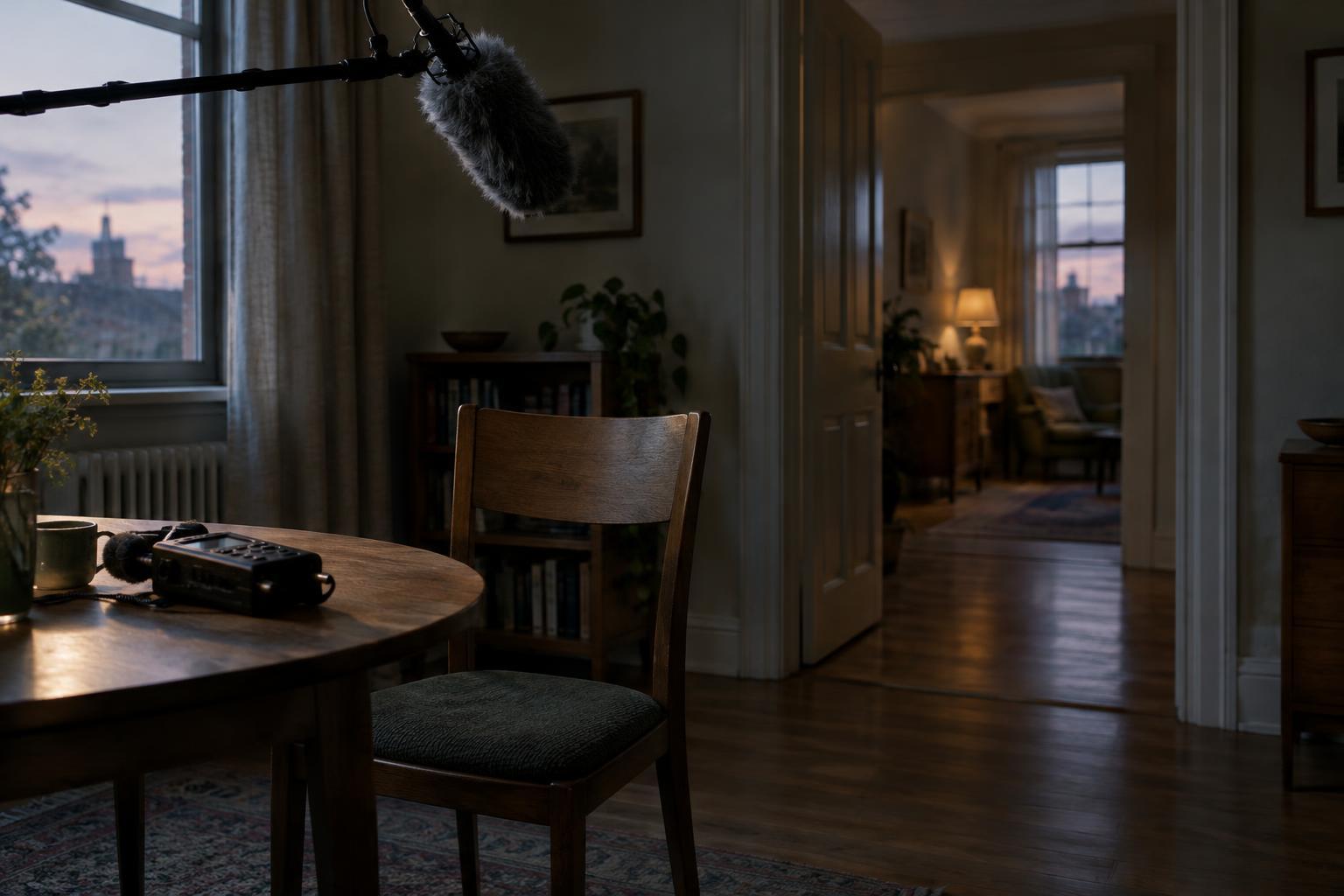
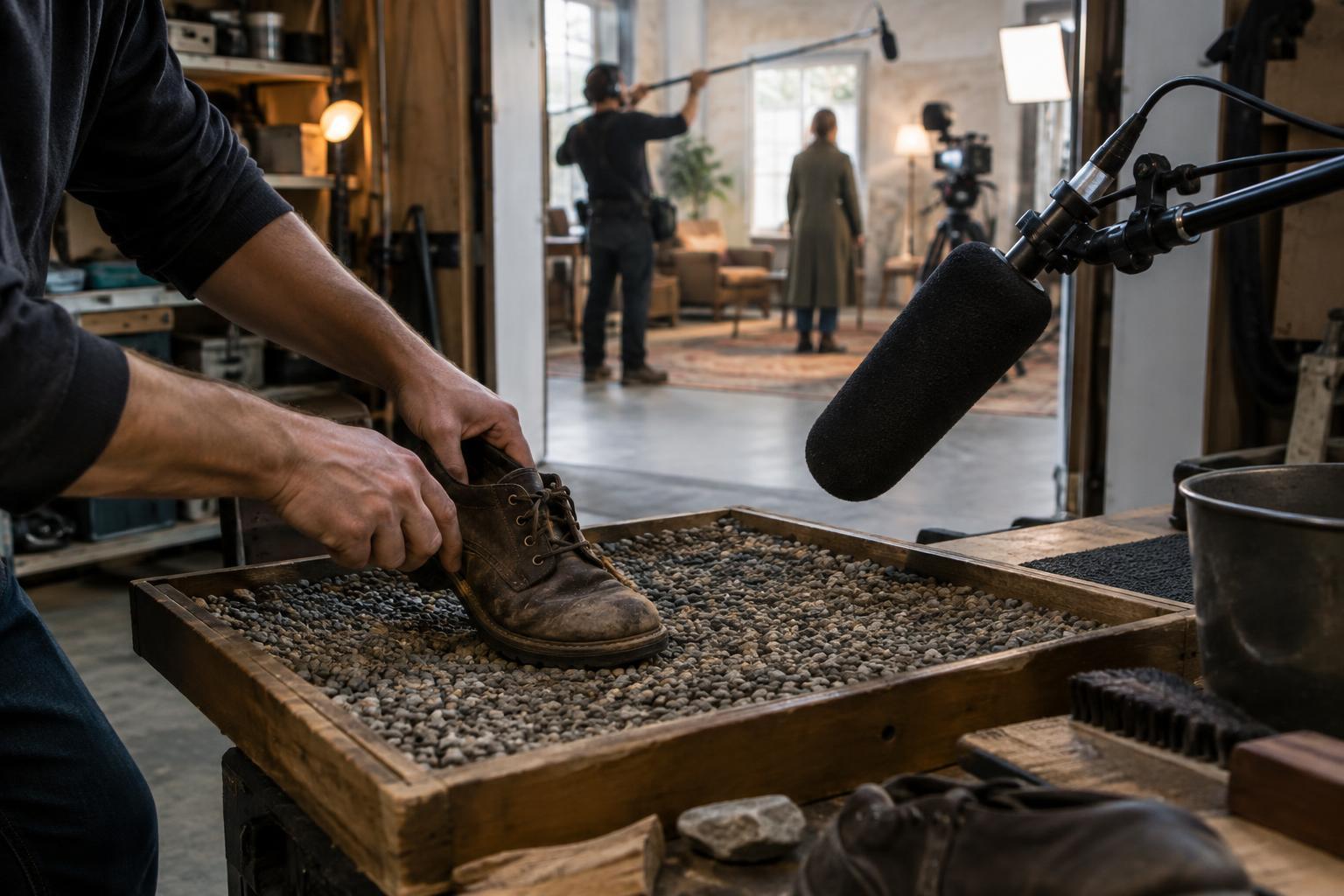
Production sound is recorded while a scene is being filmed. It usually includes dialogue and whatever else the microphones pick up: clothing, footsteps, traffic, appliances or the acoustics of the room. Foley is performed and recorded later, in sync with the picture. A Foley artist might walk on a surface to match an actor’s steps, handle a bag or create the small movements that make a character feel physically present.
The distinction is about workflow, not quality. A clean footstep from the set may be exactly right; a carefully performed replacement may fit the scene better. Most finished soundtracks combine production recordings, Foley, backgrounds and other effects. The useful question is not “Which method is more authentic?” but “Which sounds must preserve the performance, and which ones need more control in the edit?”
Protect the sounds that are hardest to replace
Dialogue is the priority on most narrative sets. Timing, breath, effort and the way a voice interacts with a space are all tied to the actor’s performance. Dialogue can be re-recorded later through automated dialogue replacement, or ADR, but matching that performance takes work and may change its texture. Recording clear dialogue during each take gives the editor the strongest starting point.
Also listen for sounds that are closely bound to a performance or a unique location. A character struggling with a heavy door, a group reacting at once or shoes crossing a distinctive floor may be difficult to reproduce convincingly. If time allows, record a clean version of the action after the take, without dialogue. These separate recordings are often called wild tracks. They give the sound editor useful material without forcing a noisy take into the final mix.
Capture a short stretch of room tone for each important location and microphone setup. Room tone is the quiet sound of a space when no one is speaking; it can help smooth dialogue edits. Note any steady hums or intermittent noises as well. A refrigerator that switches on halfway through coverage, for example, can make adjacent shots sound as though they were filmed in different rooms.
Let Foley handle detail and flexibility
Footsteps, fabric movement and hand contact are common Foley tasks because they can be shaped to fit the cut. A wide shot may need only a suggestion of walking, while a close-up of a hand finding a key may need a precise touch and jingle. Recording every such detail loudly on set can work against the scene: a microphone positioned for dialogue might capture a prop at an awkward level or from the wrong perspective.
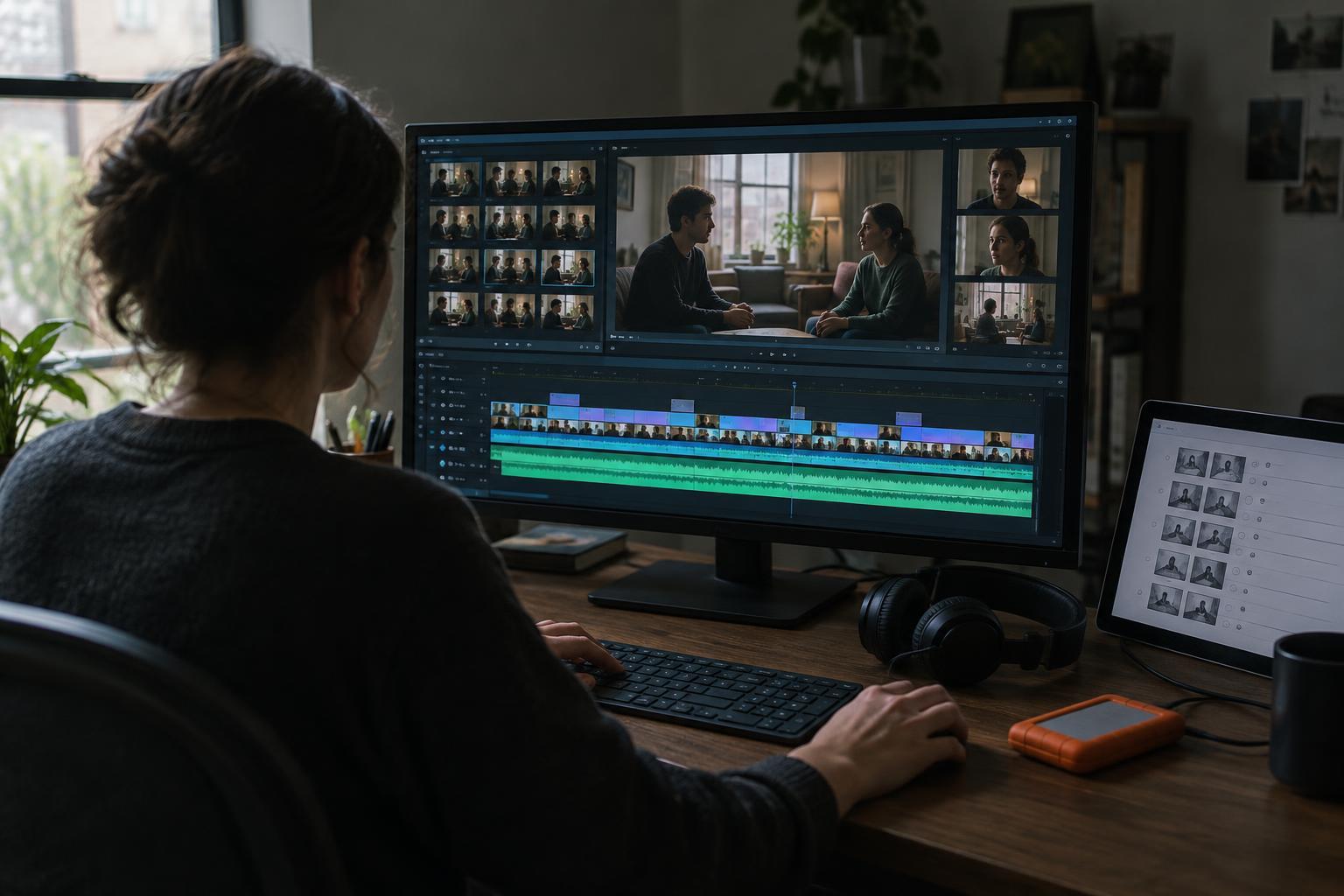
Foley is useful when the visual action changes during editing. If several takes become one continuous movement, footsteps recorded with the camera may no longer match the character’s path. A later performance can follow the finished sequence, adjusting pace, weight and surface as the cuts require. It can also clarify a story point, such as the difference between a careful search and a frantic one, without drawing attention to itself.
Not every sound should be recreated. A location recording may carry subtle relationships among voices, objects and space that individual Foley cues cannot supply on their own. Treat Foley as a way to support or replace particular details, rather than as a reason to ignore useful sound during filming.
Plan for the handoff to the edit
Before shooting, identify the actions an audience must hear to follow the story. Mark moments involving an important object, an off-screen arrival or a change of surface. On set, capture clear dialogue first, then gather clean versions of distinctive actions when practical. Keep simple notes about takes, props and surfaces; a sound editor can do more with a labeled recording than with an unidentified file.
Leave space for sound to be built in post-production. If a scene takes place beside a loud machine, consider whether it can be switched off for a dialogue take and recorded separately afterward. That approach may provide control over how strongly the machine competes with speech. It will not suit every location or performance, so the decision belongs in the scene’s practical plan rather than being left as a last-minute fix.
Choose sounds by what the viewer needs to feel
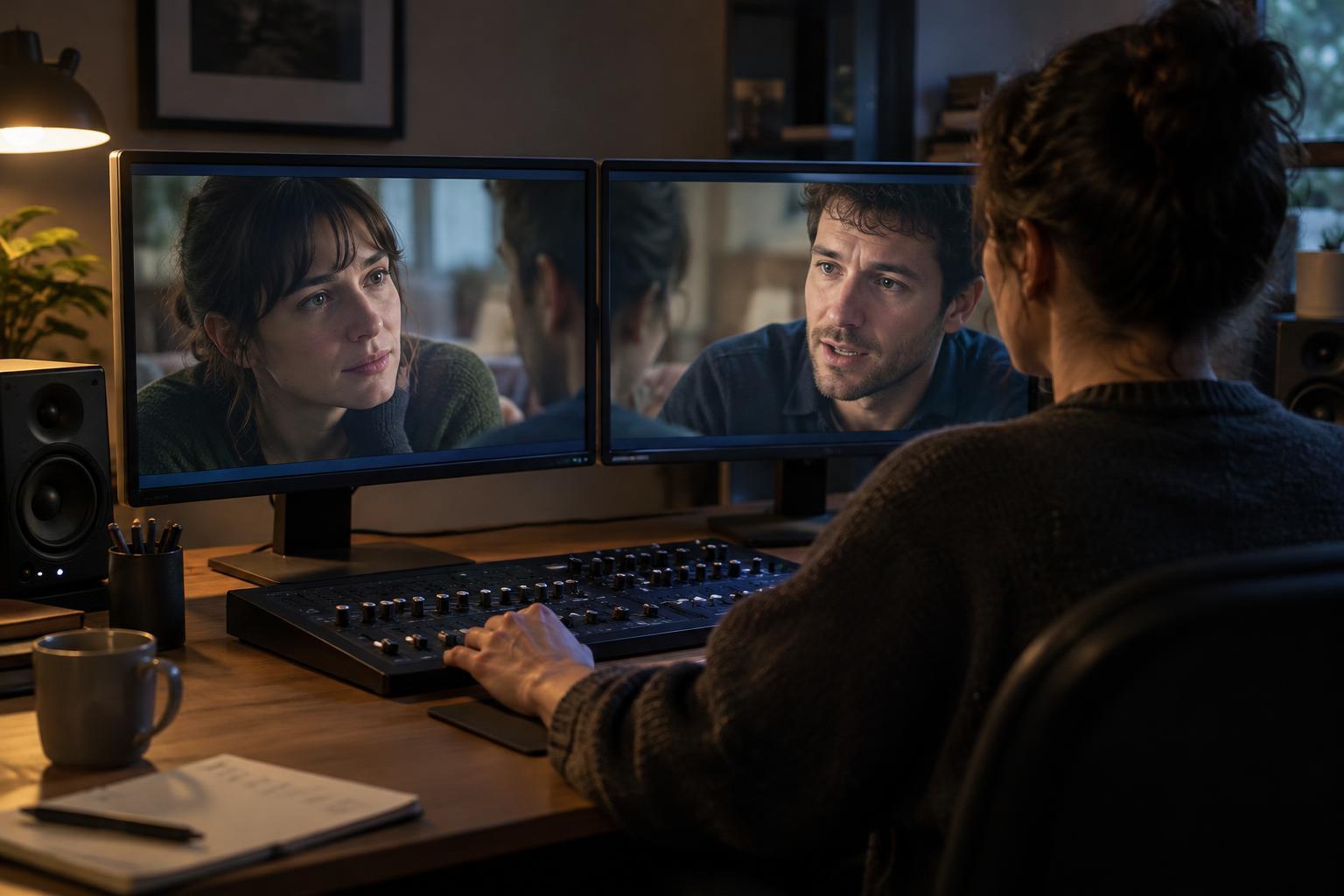
Sound is not a checklist of everything visible in the frame. A character can cross a room without every step being prominent. Conversely, one quiet scrape may matter if it reveals someone hiding nearby. During the edit, listen to the scene with and without each detail. Ask whether the sound establishes space, conveys effort, directs attention or carries information the image cannot.
Capture the performance and the character of the location while they are available. Re-create the details that need tighter timing, clearer emphasis or a different perspective once the picture takes shape. That division gives production sound and Foley distinct jobs while allowing them to meet in a soundtrack that feels like one coherent place.