What an eyeline match tells the viewer
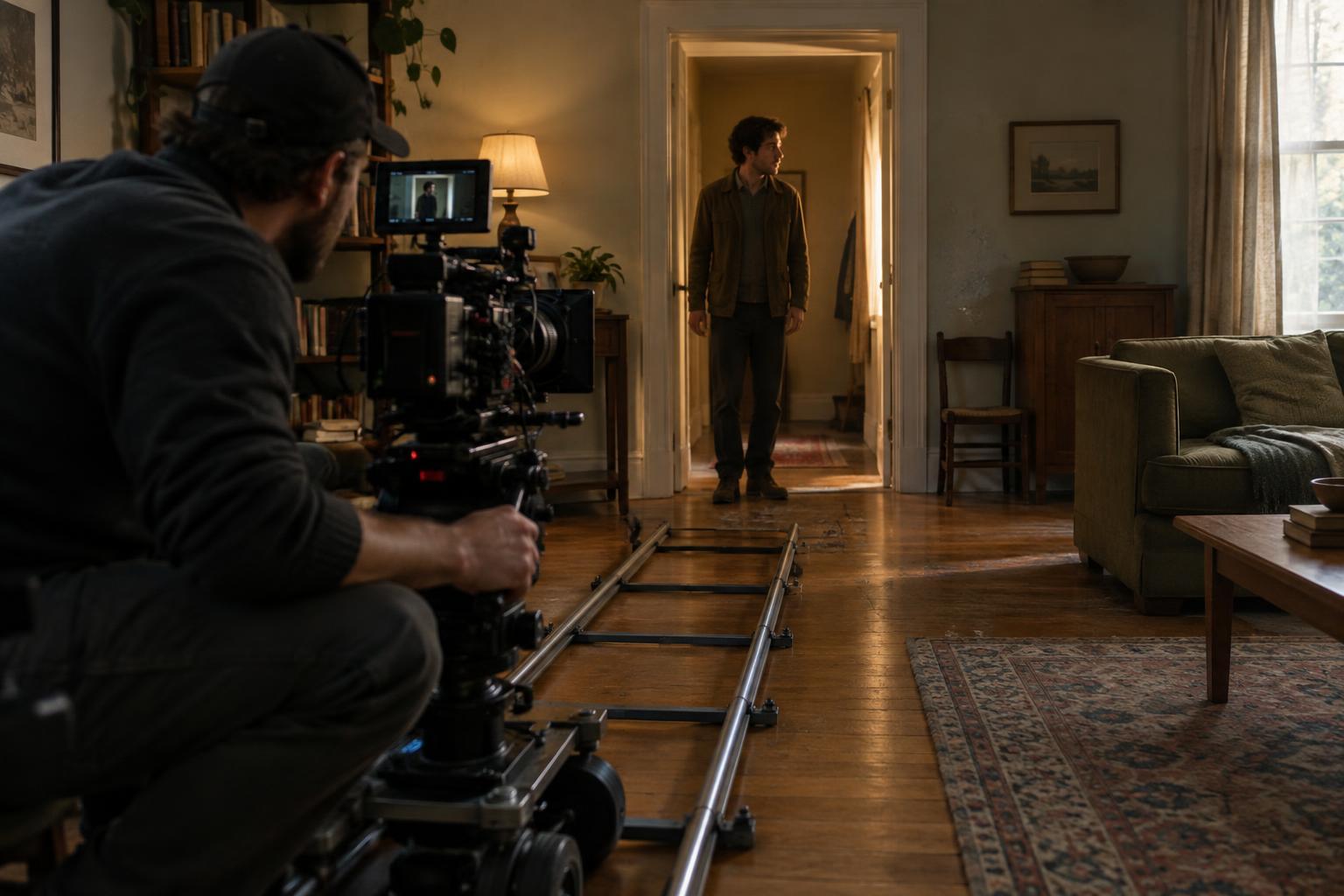
A character stops speaking, looks toward something outside the frame, and the next shot shows a figure standing in the doorway. Even without dialogue, most viewers understand the relationship: the character has noticed the figure. This is an eyeline match, an edit that connects a look with its apparent object.
The connection depends on more than showing two shots in sequence. The direction and angle of the look, the position of the object, and the surrounding scene all help the viewer build a mental map. A glance upward followed by a shot of something near the floor may feel confusing unless the camera position or the character’s movement explains the change. A clear match lets viewers grasp the information quickly and focus on what it means to the character.
Set up the space before relying on the cut
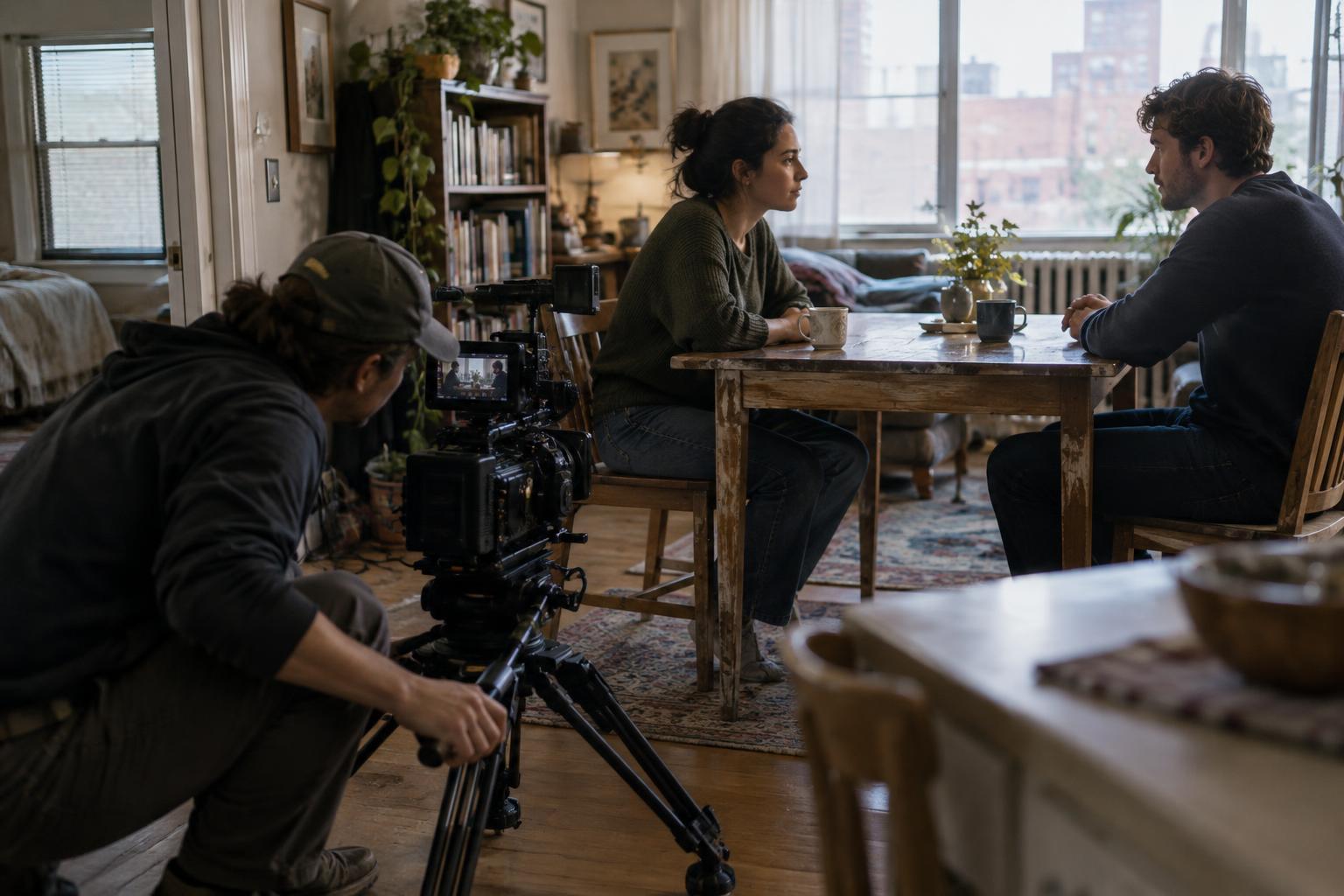
Suppose two people sit across a table. A wider shot can establish which person is on each side, where the door is, and what lies between them. Later, a close shot of one person looking toward the door needs less explanation because the audience already knows where it is. An establishing view is not mandatory, but it can make close coverage easier to read.
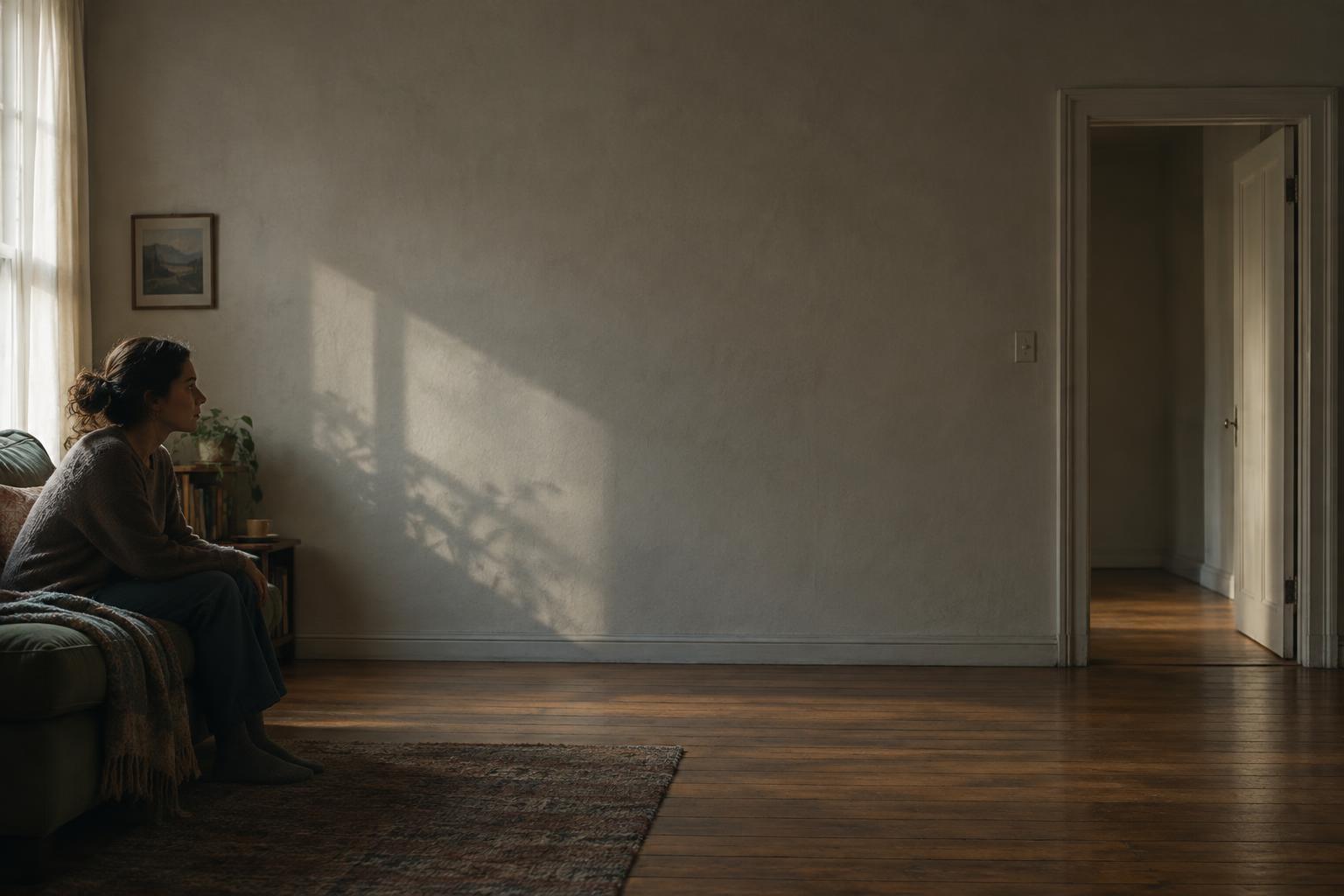
Screen direction also matters. If a character looks frame right, placing the object of attention toward frame left in the following shot can make the two images feel as though they face each other. The exact placement depends on the camera positions and the layout of the room; it is not a rule to apply without checking the scene. On set or in a storyboard, it helps to mark where the character stands, where the object is, and which side of their shared line each camera occupies.
Small details can reinforce that map. A window, lamp or strip of wall visible in both shots can orient the viewer. So can a consistent background sound coming from the object’s direction. When the space is intentionally hard to read, those same details can be withheld—but that uncertainty should serve the scene rather than arise by accident.
Shape the look before showing its object
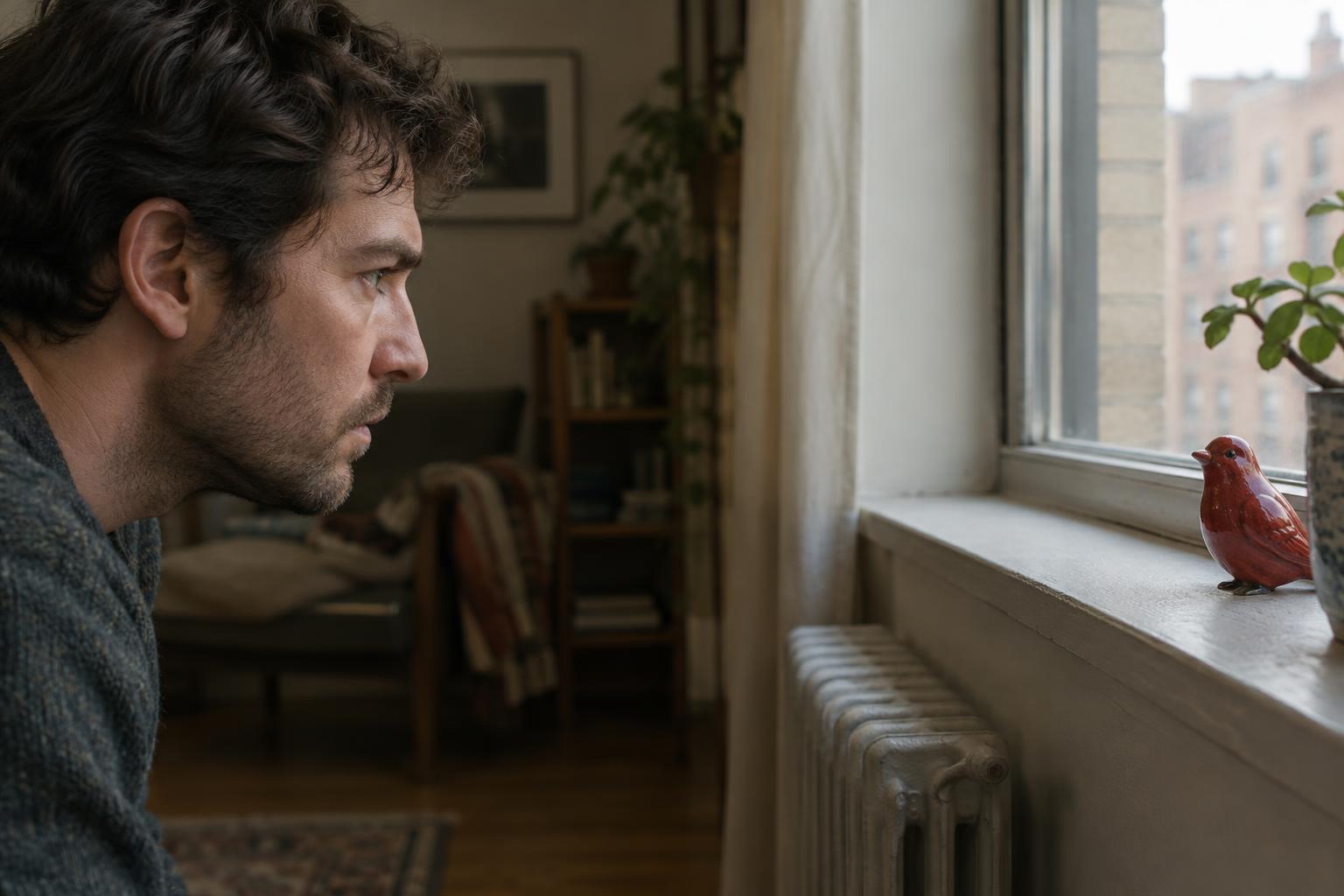
An eyeline match begins with a performance choice. A quick glance may suggest recognition or caution; a sustained stare gives the viewer time to wonder what has caught the character’s attention. Framing affects that question too. A close-up can make a subtle shift of the eyes noticeable, while a wider shot may let body position and distance carry the information.
The edit can then decide how long to delay the answer. Cutting immediately from a glance to an object provides clarity. Holding on the character for a moment can build anticipation. Showing their reaction before revealing what they see invites viewers to interpret the feeling first. These choices change the experience without changing the basic geography.
The second shot need not be a literal point-of-view image. It may show the object from an angle the character could not occupy, yet still function as an eyeline match because the cut makes the connection understandable. If a true point-of-view shot is desired, lens height, distance and obstructions can bring the camera closer to the character’s physical perspective.
Use mismatches deliberately, not accidentally
An unexpected eyeline can be useful. A character looks toward a noise, but the cut reveals an empty hallway. The viewer may share the character’s uncertainty. A later shot might disclose someone hidden just outside the first view. The apparent absence becomes part of the storytelling because the film has made the direction of the look clear.
By contrast, a mismatched angle can suggest the wrong object. If a character appears to look above a shelf and the next shot centers an item below it, viewers may pause to work out what matters. That pause can weaken a reveal that is meant to land instantly. During planning, ask what the audience is expected to believe the character sees at each cut, including anything just beyond the frame.
Check the match in the edit
A practical test is to watch the sequence without dialogue. Can someone unfamiliar with the scene tell who is looking, roughly where they are looking, and what draws their attention? If not, the fix may be as simple as choosing a different take, allowing a few more frames of the glance, or placing the object more clearly in the next shot.
When footage is limited, a reaction shot or a brief return to a wider view can restore orientation. Sound may help establish direction, but it cannot always resolve contradictory images. The goal is not to make every look obvious. It is to give viewers enough spatial information to understand a deliberate mystery—and to notice the reveal rather than the mechanics of the cut.