What makes a cut jump?
Imagine a character sitting at a kitchen table, reaching for a cup. The next shot keeps nearly the same view, but the cup is already at their mouth. The missing movement is easy to spot. Rather than carrying the action smoothly across the edit, the film lets the viewer feel a gap in time. That is the basic effect of a jump cut.
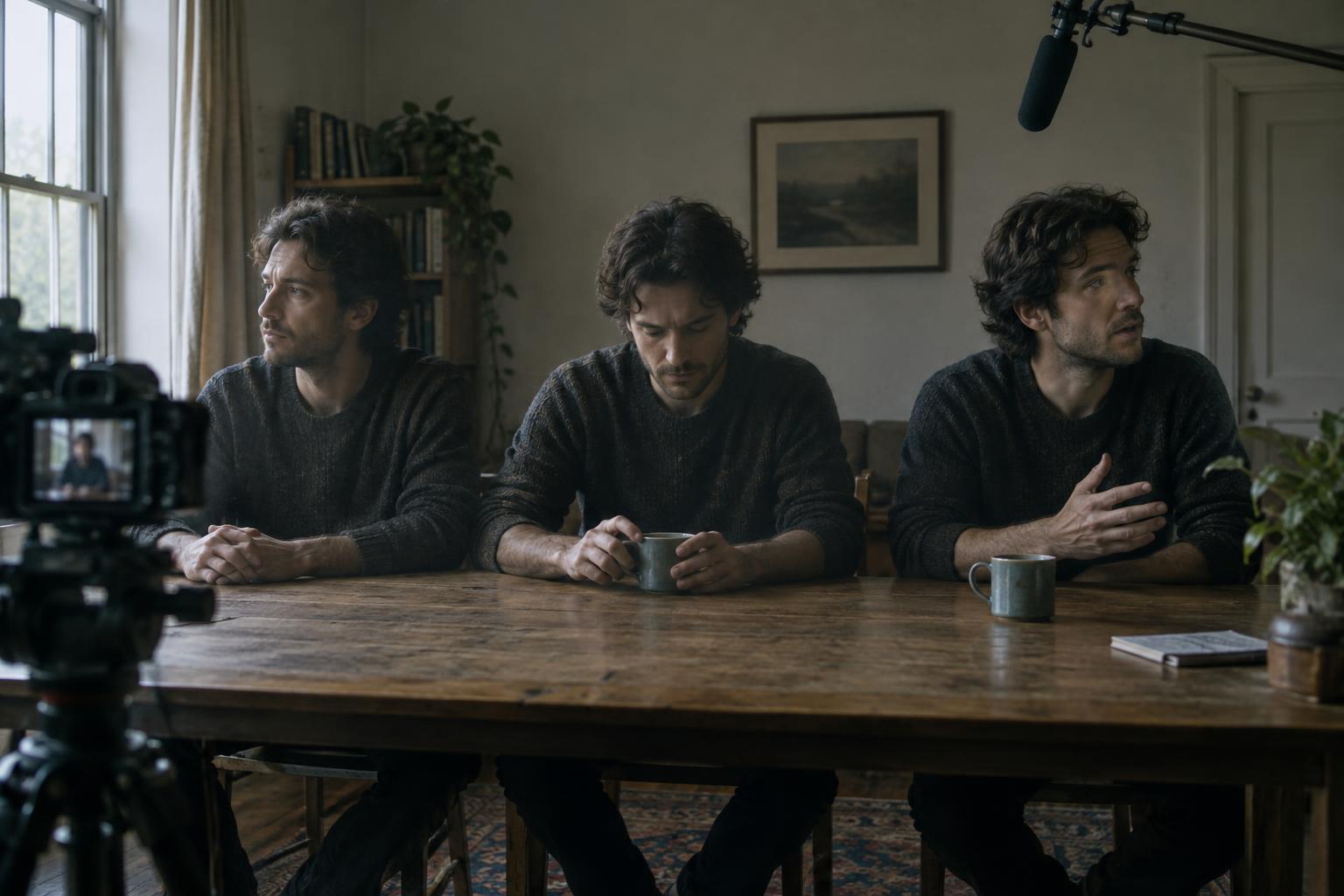
A jump cut usually joins two moments of the same subject or setting from a similar camera position. Because much of the image stays familiar, a change in posture, position or background activity becomes conspicuous. Not every abrupt edit is a jump cut: a cut to a different angle may also skip time, but its new view can disguise the omission. The useful question is not simply whether time has passed. It is whether the edit invites us to notice that time has been removed.
Choose what the gap should mean
Jump cuts can compress routine action without pretending it happened continuously. A character tries several keys in a lock; three cuts show their hand in slightly different positions until the door opens. We understand the effort and its duration without watching every attempt. The cuts can make repetition feel impatient, comic or exhausting, depending on how long each moment lasts and what surrounds it.
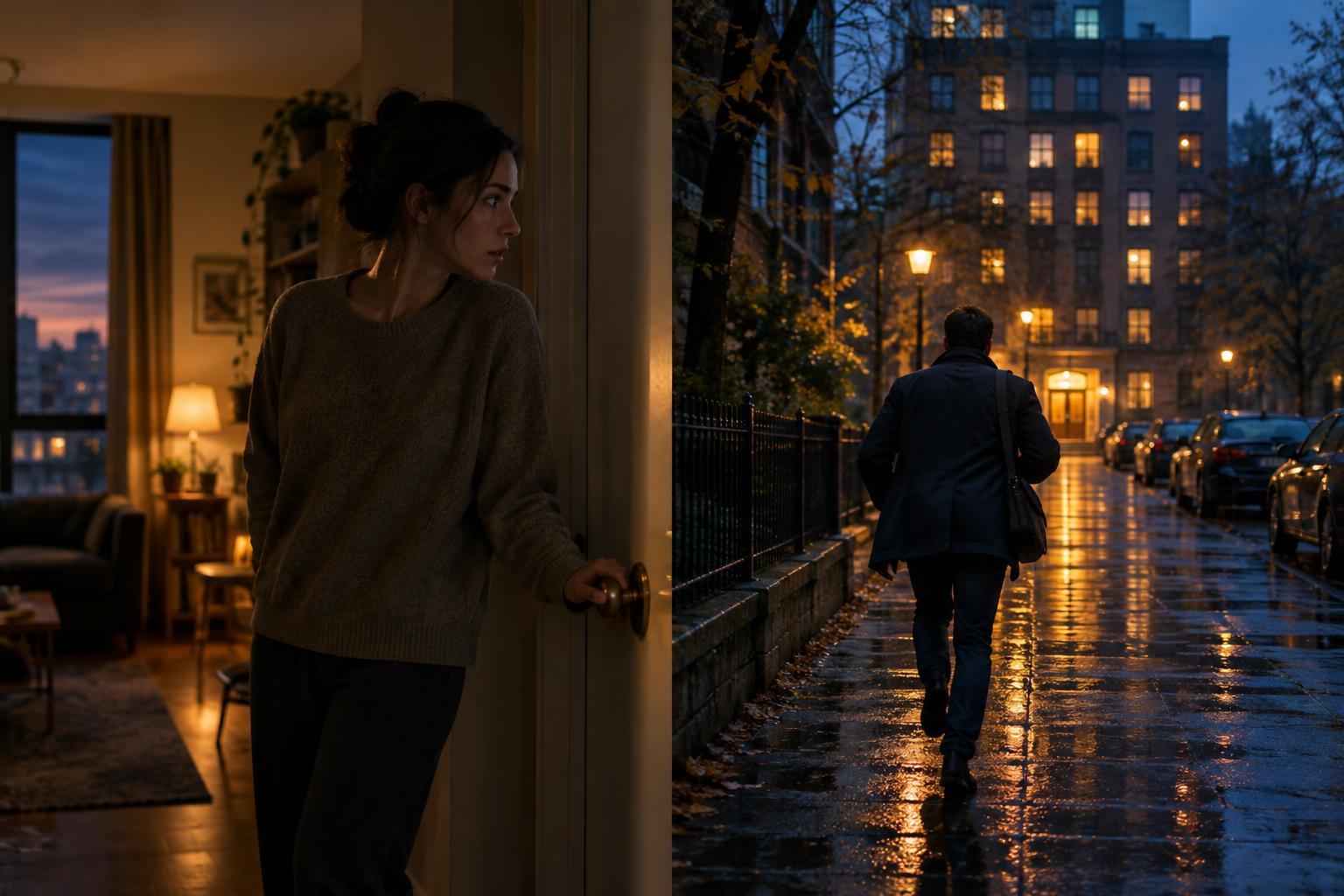
The same technique can suggest a character’s state of mind. In a scene of anxious waiting, small leaps between glances at a doorway may make time feel broken into uneasy fragments. In a confident presentation, brisk jumps between stages of preparation may instead give the character momentum. The cut itself does not carry one fixed emotion. Its meaning comes from the action, performance and rhythm of the larger sequence.
Before using a jump cut, decide what the audience should retain across the gap and what they should feel they have missed. If the missing action contains a crucial decision, the omission may create intrigue. If viewers need that action to understand the scene, the same omission may only create confusion. A visible gap works best when its absence has a purpose.
Use framing and movement to control the jolt
Similar framing makes a jump pronounced. A face held at roughly the same size and position gives the eye a stable reference; when the expression suddenly changes, the cut calls attention to itself. If the camera shifts substantially between shots, the edit may read more like an ordinary change of viewpoint. Neither approach is inherently better. It depends on how sharply you want the audience to feel the interruption.
Watch the details around the subject as well as the subject’s movement. A chair that suddenly slides, a hand that switches sides or an object that vanishes may add to the intended sense of discontinuity. It may also pull attention away from the story. When filming with jump cuts in mind, capture distinct points in the action so each new image offers a meaningful step forward. In the edit, try different lengths on either side of the cut: a longer hold can establish a pattern, while a short next shot can snap the viewer into a new beat.
Let sound connect or separate the moments
Sound can soften a visible jump without erasing it. Continuous room tone, music or a sustained environmental sound can make several visual fragments feel like parts of one passage. An abrupt sound change does the opposite: it can emphasize the break and make the skipped time feel more forceful. Neither choice should be automatic. Listen for whether the sound supports the intended experience of time.
Dialogue needs particular care. Removing pauses from a single, similarly framed take can give speech urgency, but frequent jumps may make a thoughtful exchange feel rushed. Keeping a breath or a moment of silence can sometimes give a cut more weight than tightening every line. If an edit joins words that were not spoken together, check that the resulting meaning remains faithful to the character and scene. Rhythm matters, but clarity matters too.
Build a pattern, then know when to break it
A single jump cut can surprise. A series can establish a rule: each cut may mark another failed attempt, another hour of waiting or another stage of a task. Once viewers recognize the pattern, a longer uninterrupted shot can become just as expressive. It lets them experience an action they might now expect the film to skip.
When reviewing a sequence, watch it once for meaning rather than technique. Can you follow where the character is, what has changed and why the missing time matters? Then watch for rhythm: do the cuts create a deliberate progression, or do they all land with the same emphasis? Jump cuts are most effective when the visible gaps help tell the story, not merely advertise the editing.