What makes a match cut work?
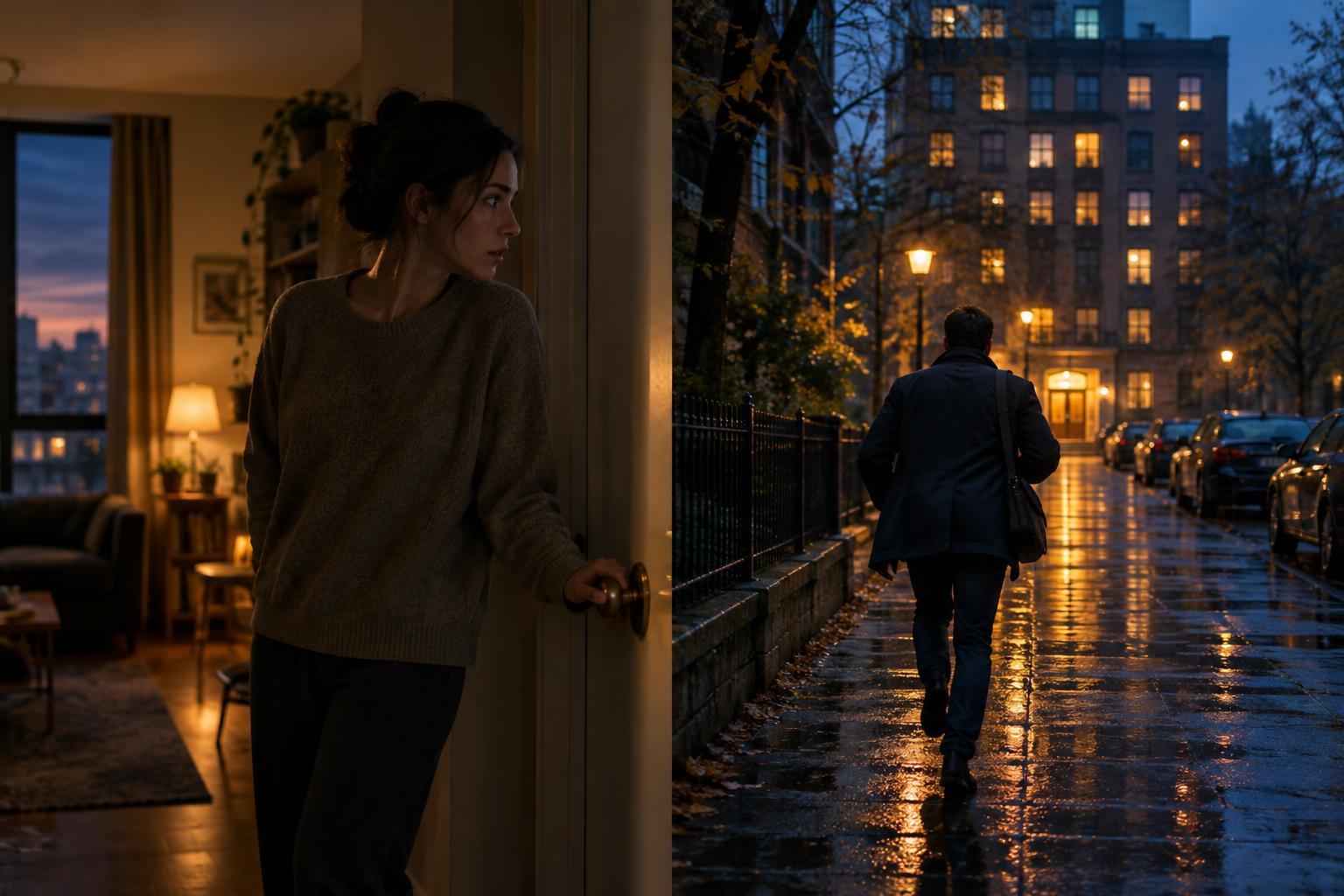
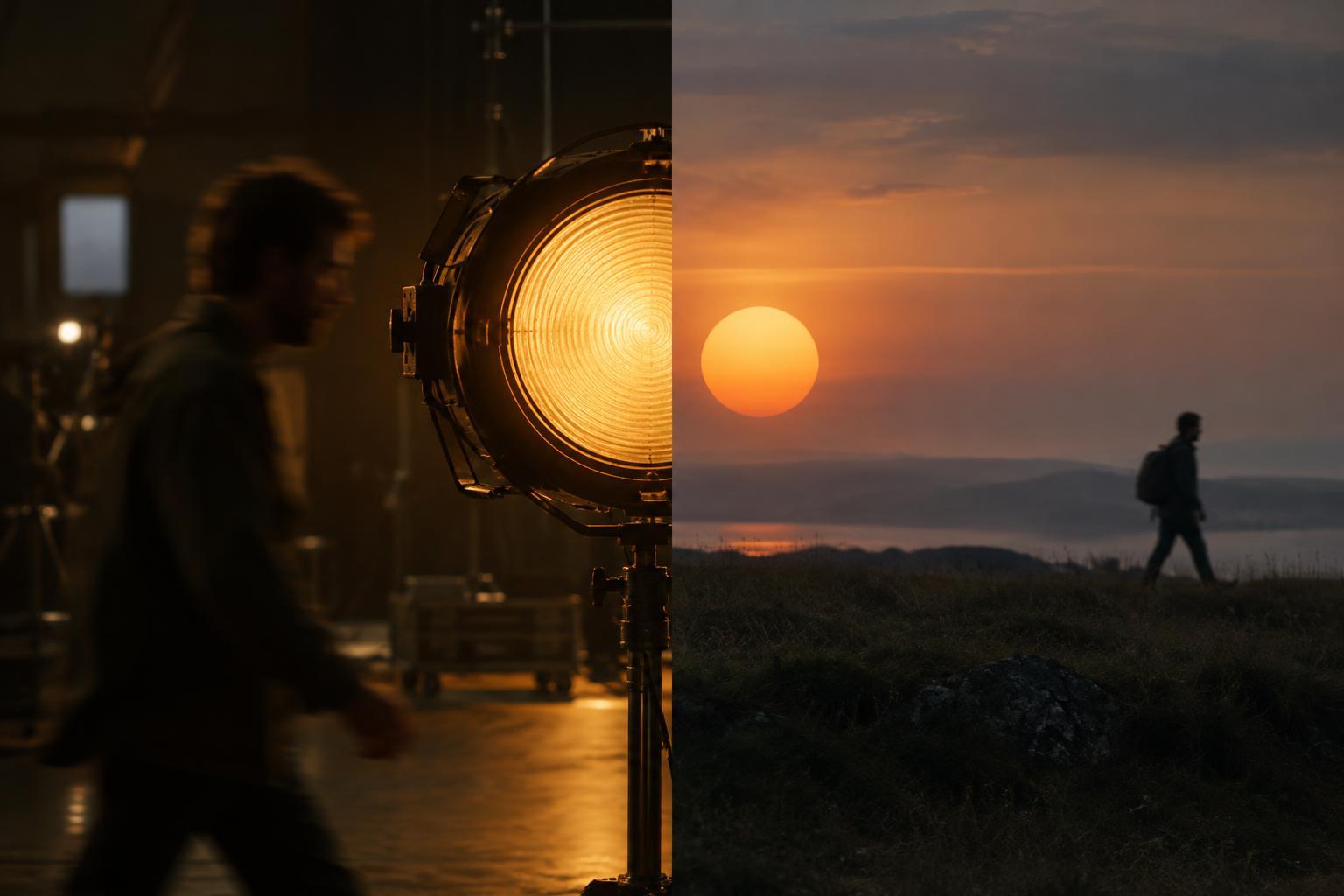
A match cut joins two shots by giving the viewer something to carry across the edit. That connection might be a similar outline, a continuous gesture or a shared idea. A round plate becomes a full moon; a person closes a door in one place and opens another elsewhere. The images remain distinct, but the cut invites us to experience a relationship between them.
The technique differs from an ordinary cut made mainly to show the next part of an action. A match calls attention, however briefly, to a resemblance. It can make a change in location feel fluid, compress a long stretch of time or turn a simple transition into a comment on a character’s state of mind. Its purpose should guide its precision: a playful association can be loose, while a cut meant to feel seamless often needs closer alignment.
Matching shape: give the eye a familiar landmark
A shape match places a recognizable form in roughly the same area of successive frames. Circles, doorways, silhouettes and strong diagonal lines are useful because viewers can identify them quickly. Size, orientation and contrast matter as much as the objects themselves. A small bright circle near the top of one frame will not necessarily connect with a large dark circle at the bottom of the next.
Start by asking where the viewer is looking just before the cut. If the important shape sits at the center of attention in both shots, the eye has less work to do after the transition. Background detail can either support that handoff or compete with it. The objects need not be identical: a close match can create a smooth passage, while a surprising difference between similar forms can provide the point of the edit.
Matching movement: carry energy across the cut
A movement match links shots through direction, speed or the phase of an action. A hand moving left to right might become a vehicle traveling the same way; a character lowering their head might cut to another person completing that motion. The viewer follows the movement even though its source changes. This can make a jump across space or time feel intentional rather than abrupt.
The exact cutting point is important. Cutting before a gesture has fully settled lets the second shot complete the energy of the first. Cutting after both actions stop may weaken the link, because the viewer has already registered a pause. In the edit, try several frames on either side of the intended cut and watch at normal speed. If the transition feels confusing, check not only the motion’s direction but also its pace and position within the frame.
Matching meaning: build an idea between images
Not every match depends on close visual resemblance. One shot might show a character carefully stacking objects; the next shows a crowded room falling into disorder. Their relationship comes from contrast rather than continuity. Another sequence might connect a childhood activity with a similar adult routine, using a repeated action to suggest how a habit has endured. In each case, the edit asks viewers to compare two moments.
Meaning-based matches benefit from clarity on both sides of the cut. If the first shot does not establish its subject, or the second introduces too many competing ideas, the connection may be lost. Give each image enough time to register without holding it so long that the transition feels delayed. Sound can reinforce the association: a continuing rhythm or an action sound that carries over the cut may help bind the images, even when the locations are far apart.
Plan the cut, then test it in context
A match cut can be discovered in existing footage, but planning gives the editor more control. For a designed transition, note the subject’s screen position, the direction of movement, the camera angle and the approximate framing in both setups. Capture a little extra time before and after each intended match point. Those handles make it easier to adjust the cut once the shots sit together.
In the edit, first test whether the connection is readable without added effects. Then consider what happens immediately before and after it. A beautiful match can still interrupt a scene if it shifts attention away from the emotion or information that matters most. Use sound deliberately rather than automatically smoothing every transition; a sudden change in ambience can make a matched image feel startling in a useful way. The strongest match cut does more than display clever alignment. It helps the audience move from one moment to the next with a clearer sense of the story.