Start with the scene, not the shot list
Coverage is the collection of shots that allows a scene to be assembled in the edit. A wide master, medium shots, close-ups, and inserts can all be part of it, but the goal is not to collect every possible angle. The goal is to capture the action and the shifts in attention that make the scene understandable and expressive.
Before choosing camera positions, describe what changes in the scene. A character might enter intending to apologize, notice an unopened letter, and decide to conceal what they know. That progression suggests more useful questions than “How many close-ups do we need?” Where must the audience understand the room? When should they see the letter? Whose reaction matters after it is mentioned? The answers begin to define the setups.
Use the master to establish relationships
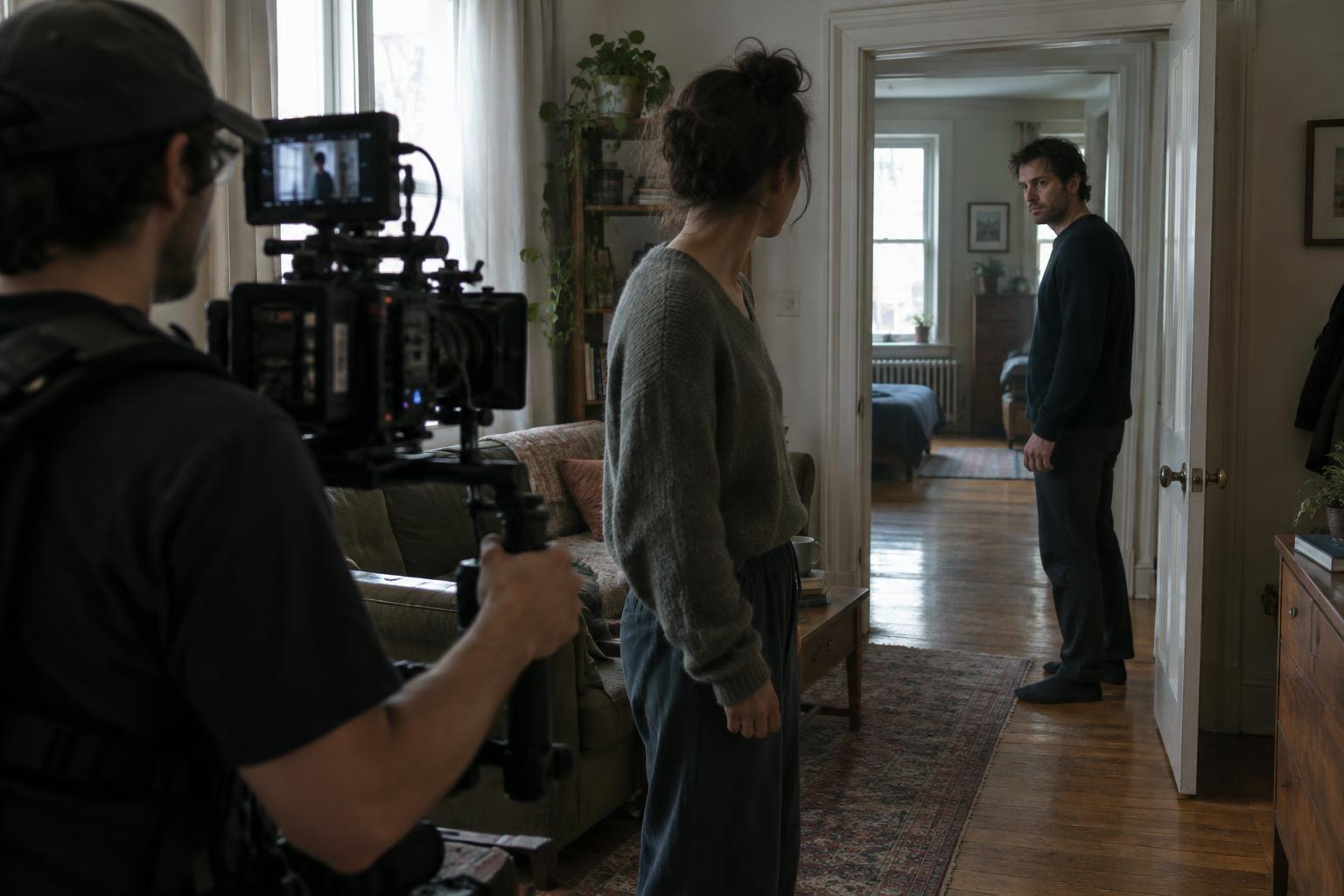
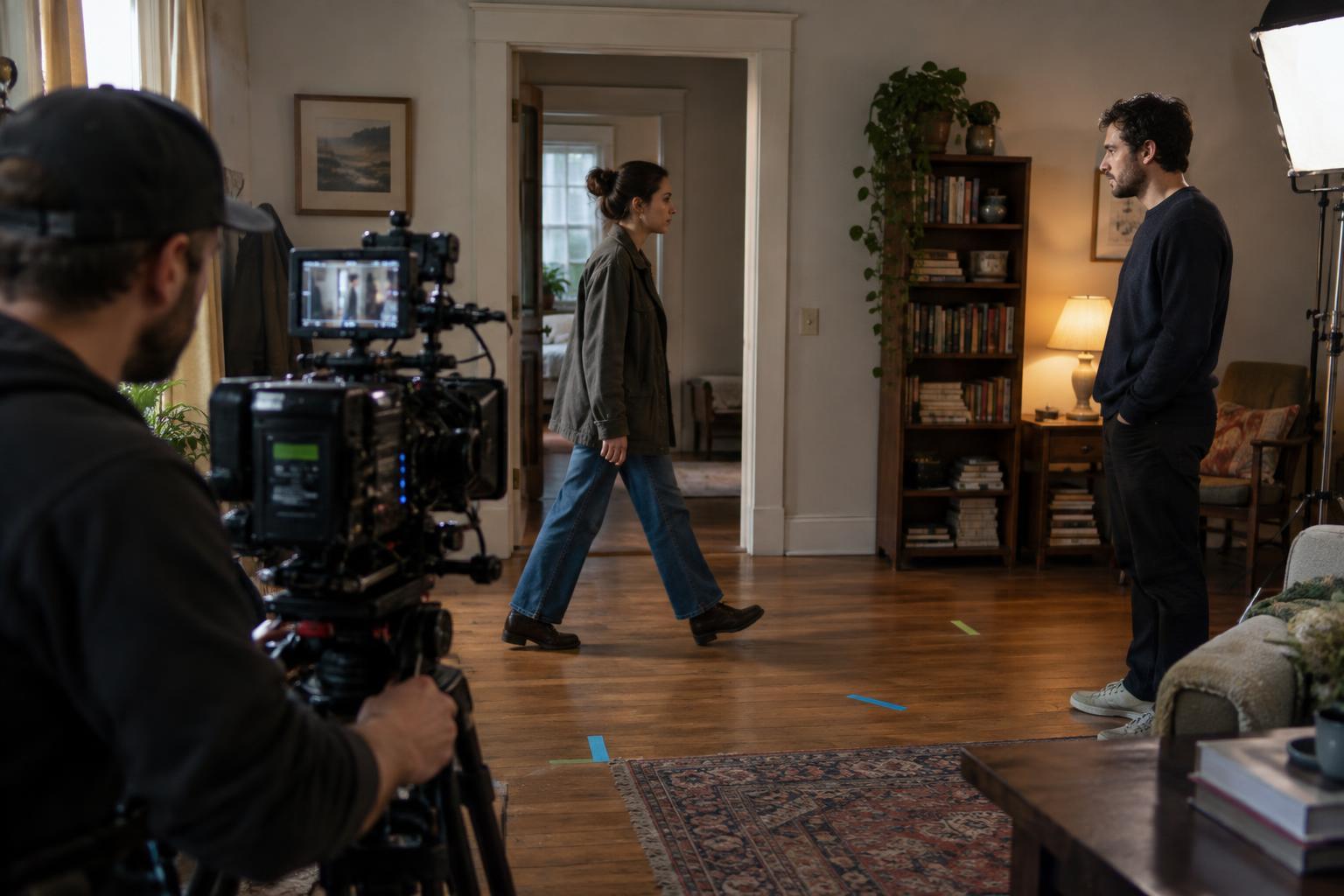
A master shot covers a substantial stretch of the scene, often showing the characters and their movement within the space. It can establish entrances, exits, distances, and changes in position. It may also serve as a shot the edit returns to when the relationship between people matters more than either face alone.
A master need not be a static, distant view. A camera that moves with a character can preserve the scene’s geography while changing its emphasis. What matters is that the framing makes the action legible. If someone crosses behind a table and stops beside a doorway, the viewer should be able to understand that movement when the edit later cuts to tighter shots.
Consider whether the master contains a compelling version of the scene in its own right. If it captures the key actions and performances, it provides a foundation when tighter coverage proves awkward to join. But do not assume a master will solve every edit: a very wide frame may be too far away to carry a subtle reaction or reveal a small object at the right moment.
Choose coverage for decisions the editor may face
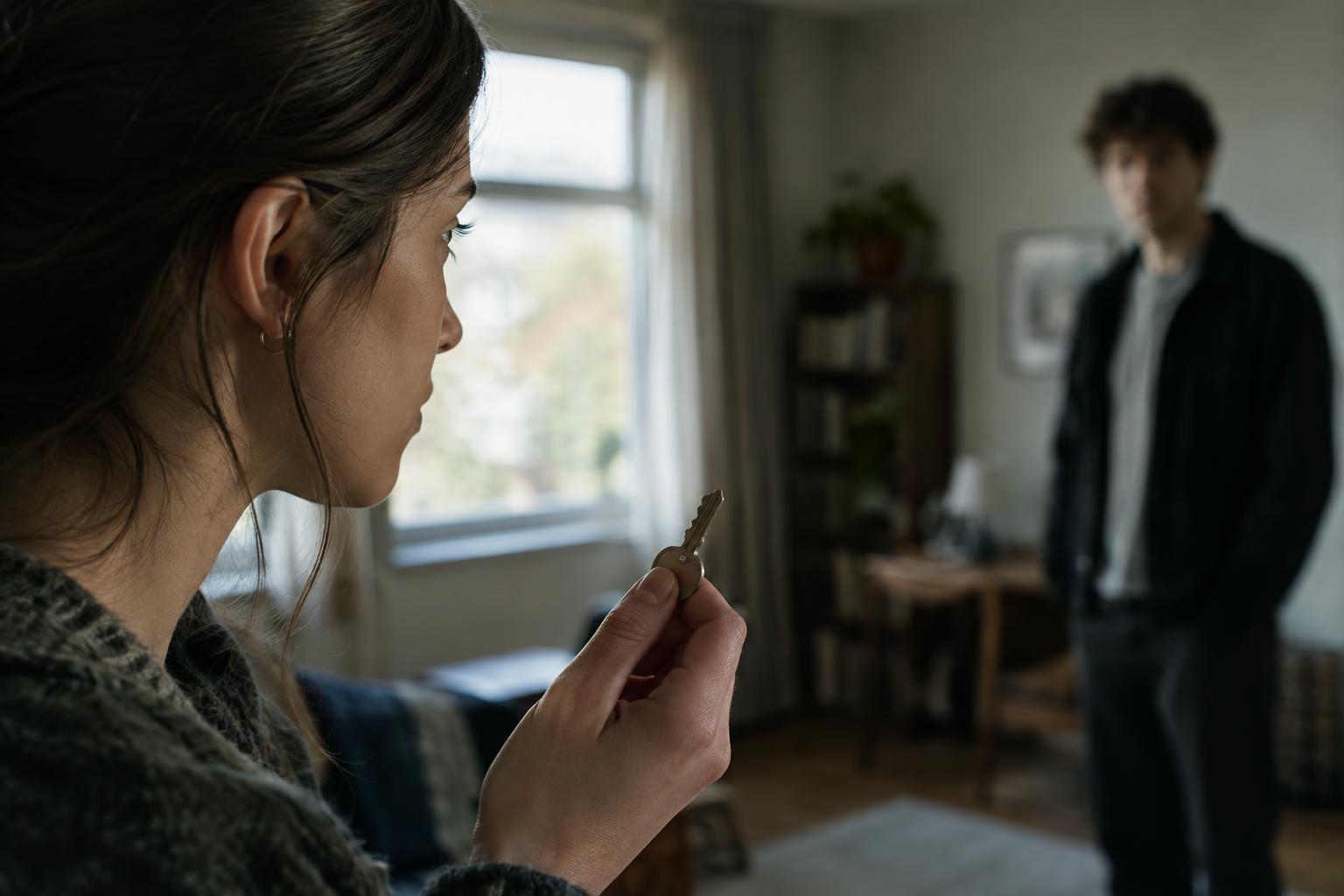
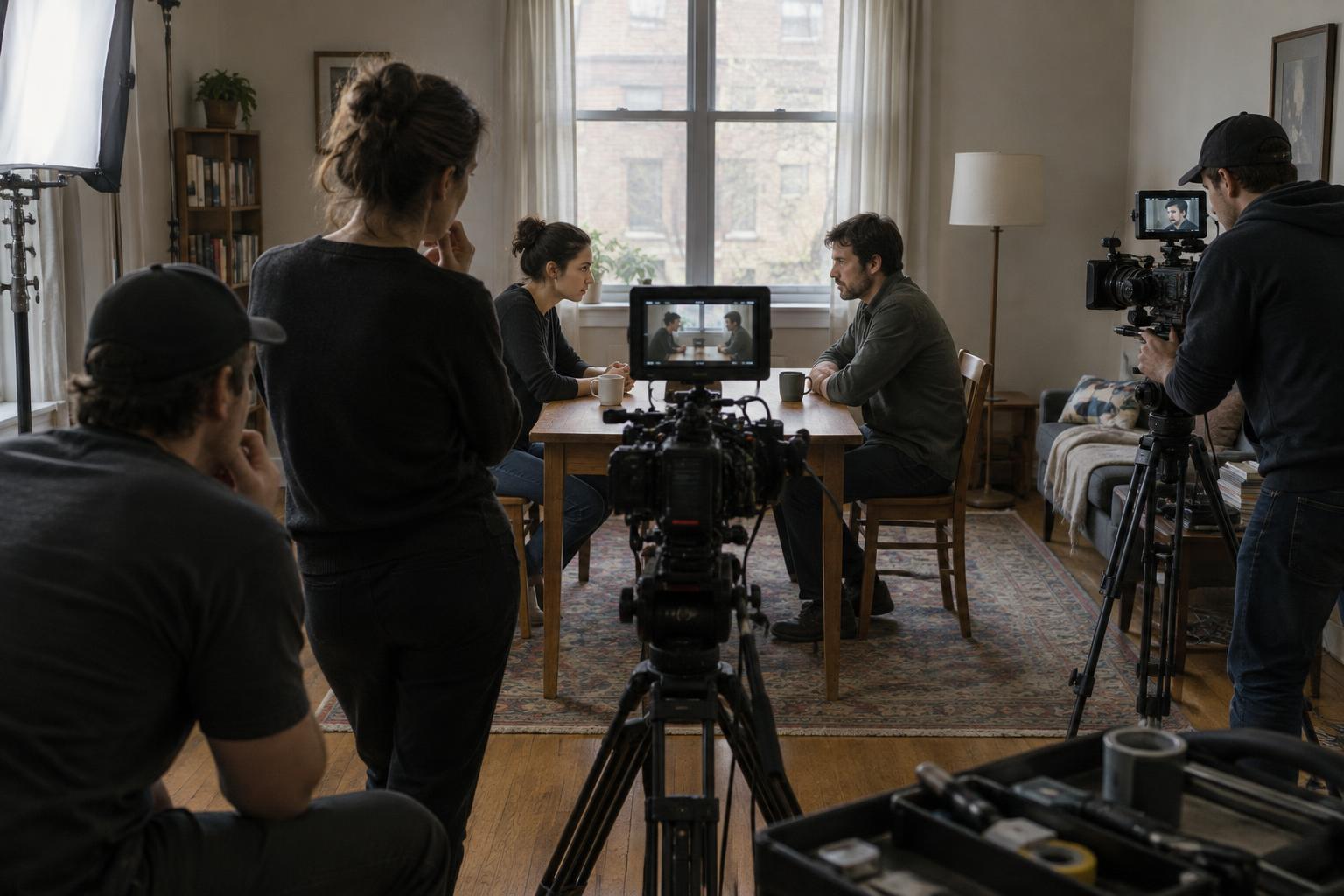
Once the master is planned, identify likely edit points. A two-person conversation may benefit from a shot of both characters, individual angles, and a view of an important action. Each setup should offer a distinct purpose. One close-up might let the audience notice a character hesitate before answering; an insert might clarify what they are hiding. If two angles convey the same information at nearly the same scale, the extra setup may add little.
Think through the order in which information should arrive. Showing the letter before the second character notices it creates one kind of anticipation. Holding it back until a glance directs attention toward it creates another. Coverage gives the editor that choice only if the necessary looks, actions, and object shots are captured. Likewise, a reaction shot can shift a line’s meaning depending on whether it appears before or after the line is heard.
Coverage should also offer enough usable duration around important actions. If an actor picks up a cup, pauses, and speaks, keep recording through the pause and beyond the line rather than ending immediately at the action. Those moments give an editor room to adjust rhythm. A plan can mark which beats need this flexibility without requiring every setup to run from the beginning of the scene to the end.
Protect geography and continuity
Before filming tighter angles, decide how screen direction will work. In a conversation, keeping camera positions on one side of the line between characters usually helps their eyelines oppose each other consistently. Crossing that line can be effective, but the change should be deliberate and easy to follow. A neutral view, a character movement, or a clearly established new position can help orient the audience.
Continuity matters wherever shots may meet: hands, props, posture, eyelines, and the timing of movement. If the letter is on the table in one setup and in a character’s hand at the same point in another, the edit has fewer options. Record a clear account of significant actions and check them as setups change. Also listen for interruptions or changes in background sound; a visually clean cut can still feel abrupt if its audio does not join naturally.
Keep the plan flexible on set
A practical shot plan distinguishes essential setups from optional ones. The master and shots needed to convey the scene’s turning points come first; decorative angles come later if time allows. This does not mean filming mechanically. A rehearsal may reveal that a character’s movement is more revealing than the planned close-up, or that both performers need to remain in frame for a difficult exchange.
After each key setup, ask what the footage now allows an editor to do. Can the scene establish where everyone is? Can it move into the crucial detail and back out? Can a strong performance be held without cutting away merely to hide a gap? Planning an editable scene is less about maximizing the number of shots than about making sure each captured view supports a clear, intentional choice.