What an unbroken shot asks of the viewer
A one-take scene presents an action without a visible cut. Rather than choosing a new angle every few seconds, the camera stays with a continuous passage of time. That continuity can make a conversation feel difficult to escape, a walk feel like a journey, or a small mistake feel impossible to undo. The effect does not come from duration alone. It comes from what the scene makes us wait for, notice and fear while time keeps moving.
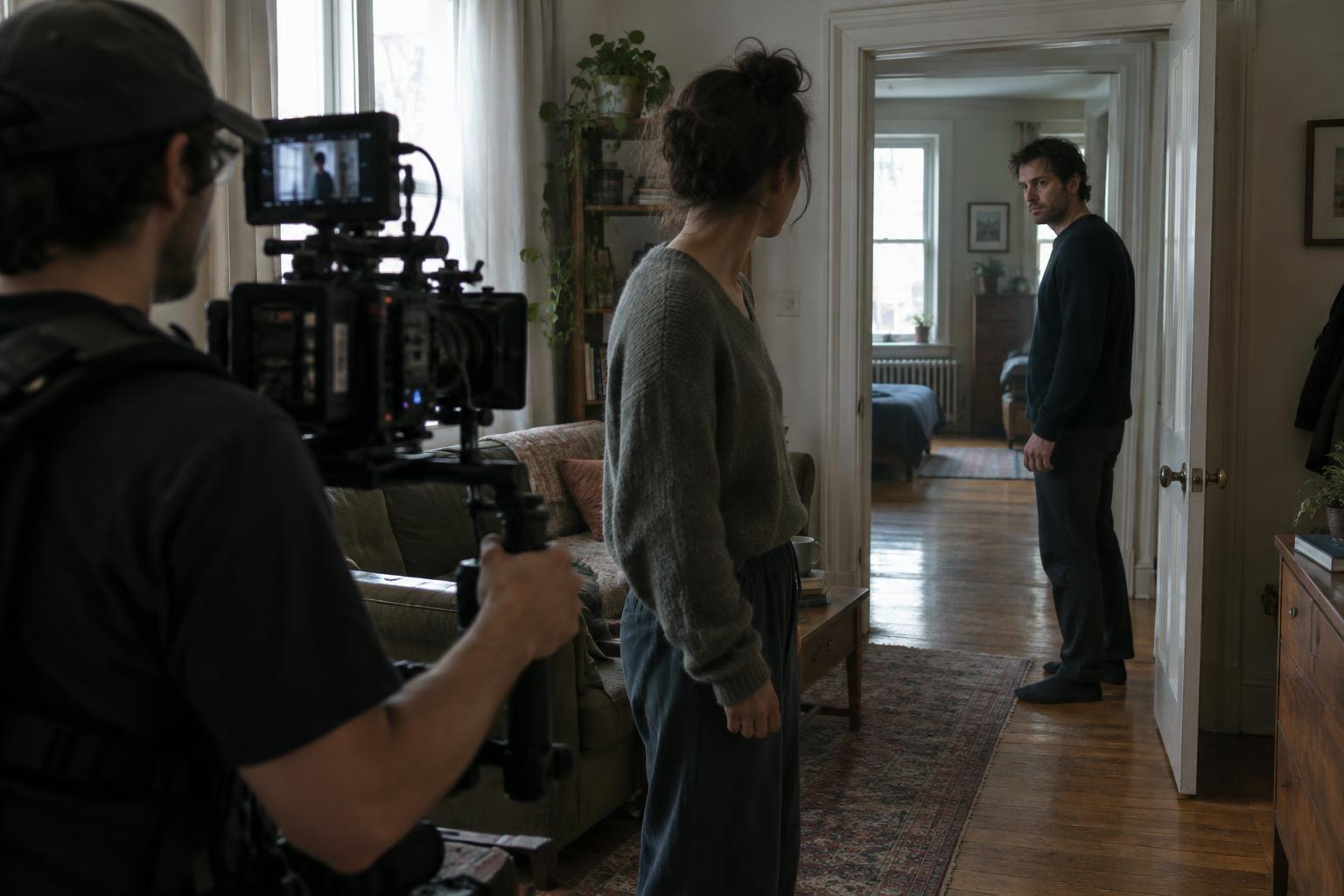
A cut can shift our attention instantly from a speaker to a listener, or from a room to an object within it. Without that shortcut, attention must change through movement, framing, focus and performance. A character steps into view; a sound draws the camera toward a doorway; someone remains at the edge of the frame when we wish we could see their face. The shot has its own grammar, and each change of emphasis needs a reason.
When continuity strengthens the drama
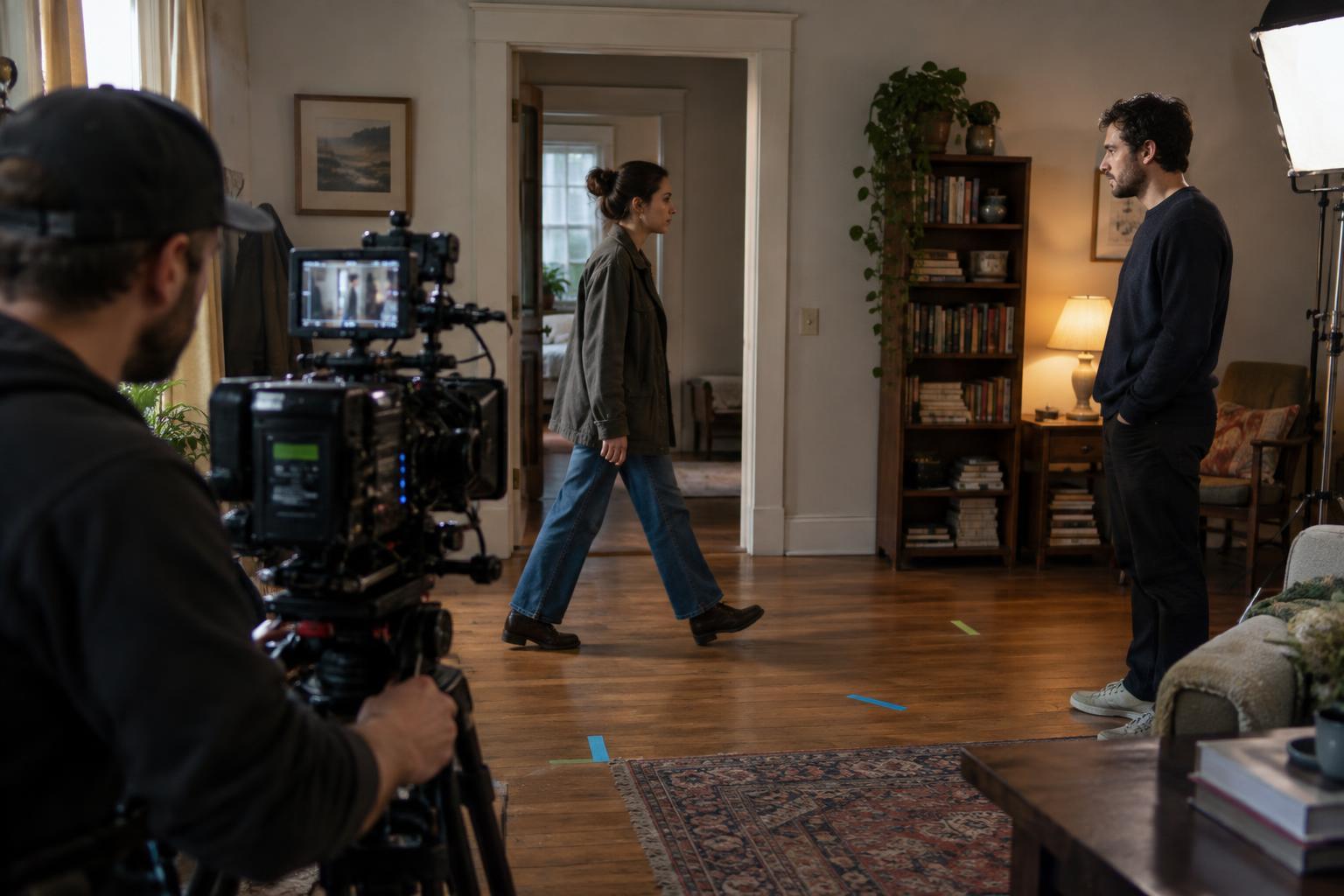
An unbroken shot is especially useful when the audience needs to understand where people are in relation to one another. Consider a character trying to cross a crowded room without being seen. Staying with them can establish the exits, the obstacles and the people who might turn around. As the character moves, the viewer carries that spatial knowledge forward. Tension grows not because the camera refuses to cut, but because we can anticipate what might go wrong.
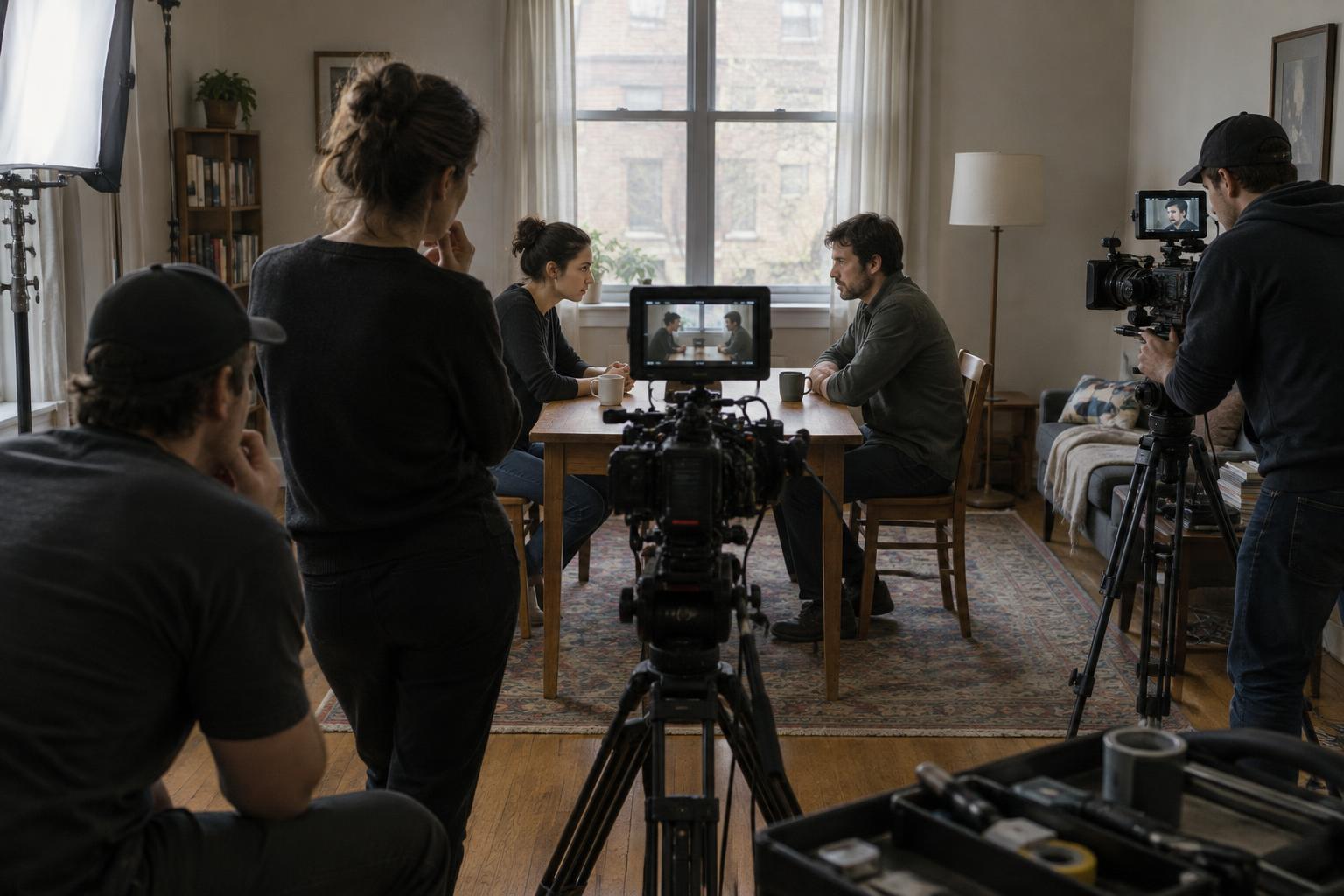
Continuity can also give a performance room to change. In a scene where someone struggles to admit a painful truth, the camera may hold through the pauses and failed starts that a quicker edit might compress. That choice can invite us to sit with the character's hesitation. It works best when the emotional situation develops during the shot. If the same feeling simply lasts longer, duration may make the scene feel stalled rather than intimate.
When the technique takes over
The question is not whether a long take is impressive. It is whether the viewer's attention lands where the story needs it. An elaborate route through several rooms may display precise timing, yet weaken a quiet exchange if the audience spends the scene anticipating the next camera move. Likewise, refusing to cut away from a threat may be tense at first but frustrating if the scene depends on information the framing cannot clearly provide.
A one-take approach also limits the options available after filming. An editor cannot easily shorten a slow entrance, hold longer on a reaction or change the order of details without interrupting the continuous effect. Those limits can encourage clear decisions on set, but they are a poor trade if the scene's meaning depends on contrasts that editing would express more directly. Sometimes the strongest camera choice is to cut at the moment a character's understanding changes.
Design the shot around a dramatic turn
Before planning a camera path, identify what changes in the scene. Does a character gain confidence, lose control or discover that someone has overheard them? Then ask how the frame can make that change legible. A camera might begin close to a confident speaker and gradually reveal the silent group watching from behind. It might stay still while a character crosses the room, allowing physical distance to show an emotional withdrawal.
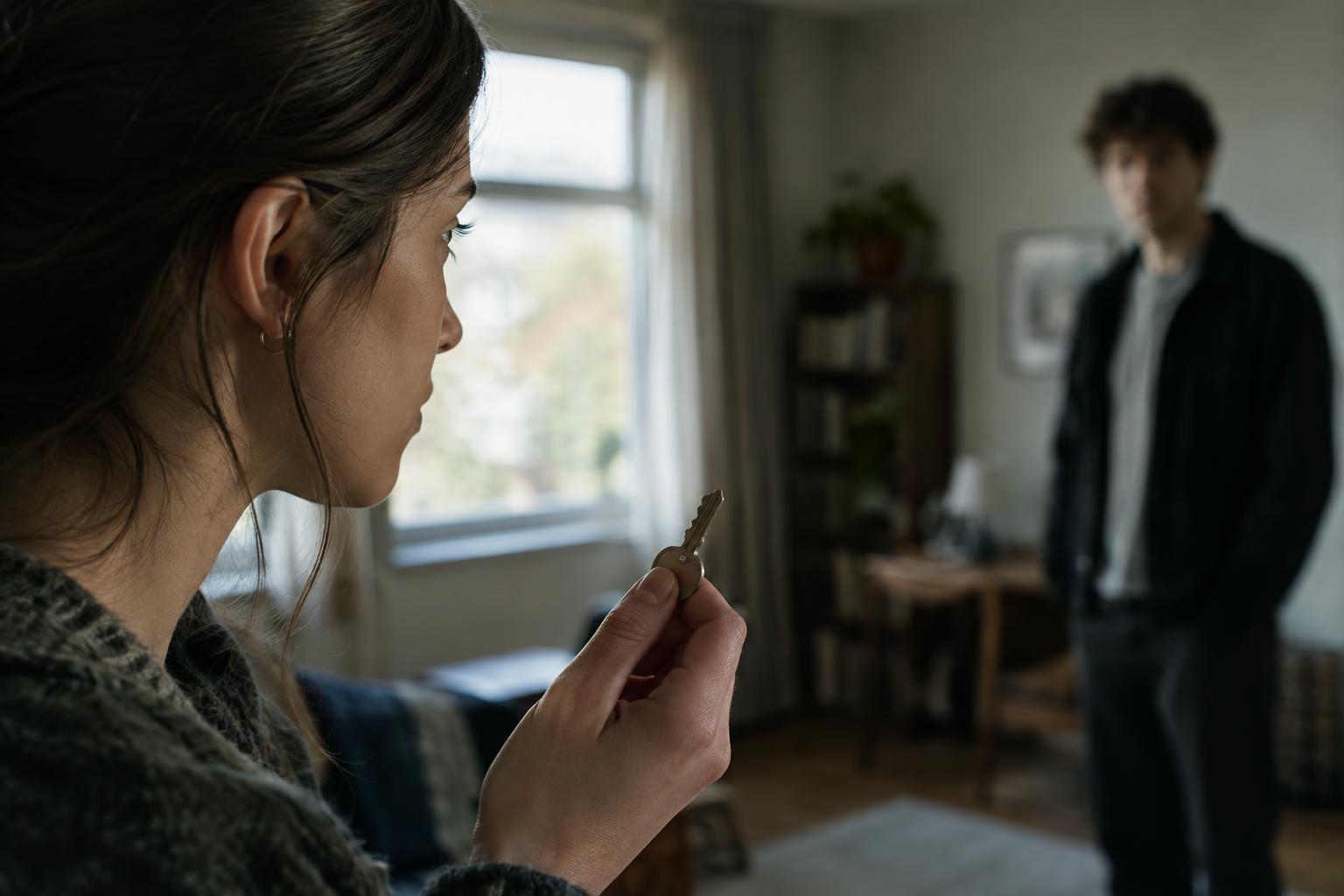
Blocking and camera movement should work together without making every beat look choreographed for its own sake. Give performers actions that belong to the situation: packing a bag, searching for a key, deciding whether to open a door. Let those actions create opportunities for a reveal or a shift in focus. Sound can help too. A voice from outside the frame may change what we expect to see before the camera turns. A held frame can be as expressive as a moving one.
A useful test before committing
Imagine the scene first with cuts. Where would you place them, and what would each cut accomplish? If the main reason to avoid them is that the shot would be difficult to pull off, reconsider. If cutting would release pressure that the characters cannot release, or conceal a relationship between people and space that matters to the action, continuity may be worth protecting.
The goal is not to make viewers count seconds. It is to let them experience a stretch of time in a particular way. An unbroken shot earns its place when its duration, framing and movement reveal something that a sequence of separate images would not express as well.