Start with what the space must tell us
A location can establish a character before anyone speaks. A crowded hallway may make a home feel shared and lively; an almost empty one may suggest restraint or recent change. When scouting, begin with the script rather than a search for the most striking building. What does the audience need to understand about the people who occupy this place? What should change in their impression of it over the scene?
Make a short list of story requirements before visiting. Separate what the location must provide from what the crew could add. A script might require a door that lets one character overhear another, while family photographs could be supplied as set dressing. This distinction keeps an attractive space from winning out over one that better supports the action. It also gives the director and production designer a shared basis for comparing options.
Read the architecture as a sequence of shots
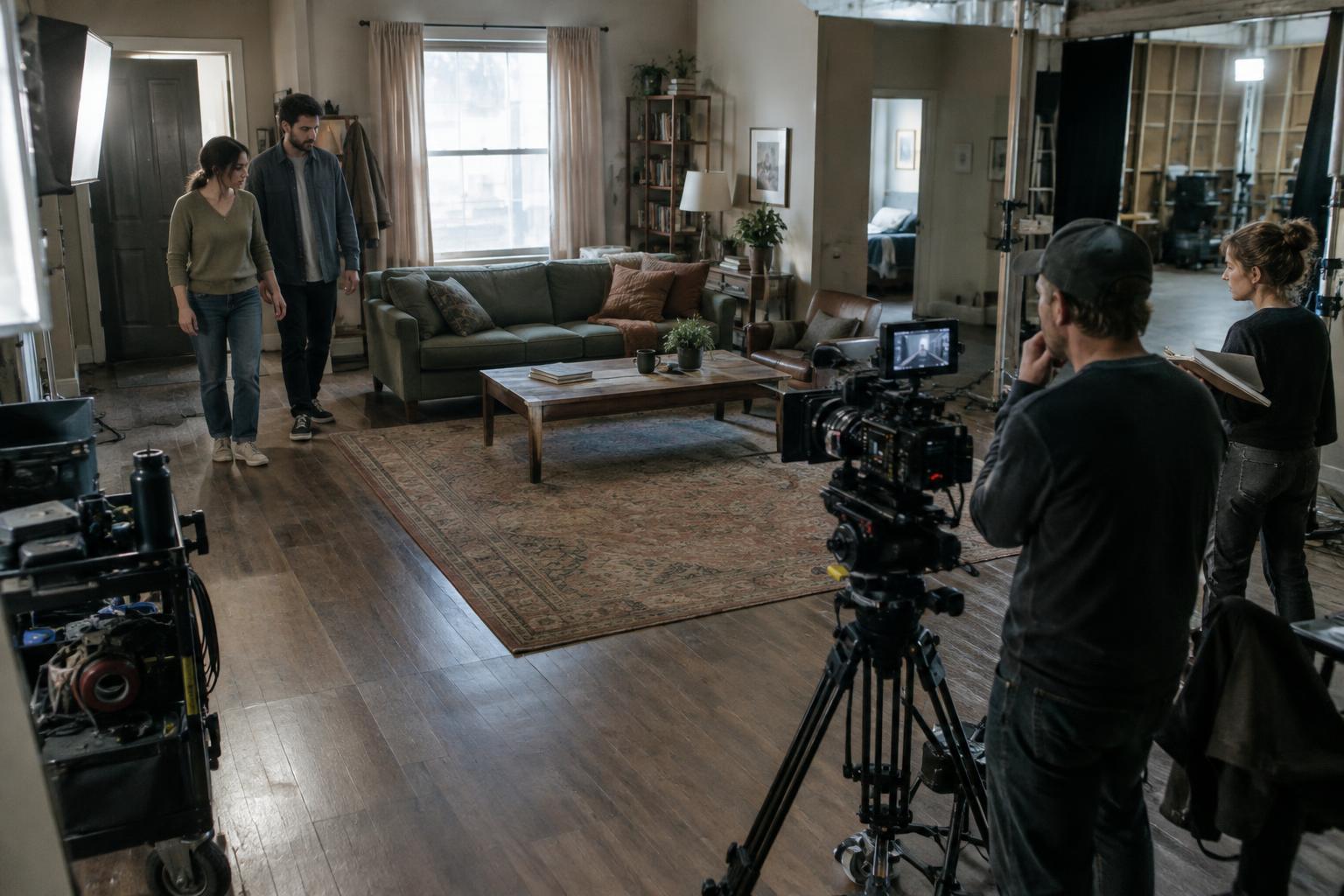
Walk through a candidate location in the order the scene unfolds. Notice what a character would see when entering, where a reveal could occur and whether the geography remains clear when the camera changes position. Doorways, corners, windows and changes in floor level can all shape blocking. A room that looks spacious in a photograph may offer few useful camera positions once actors and equipment are inside.
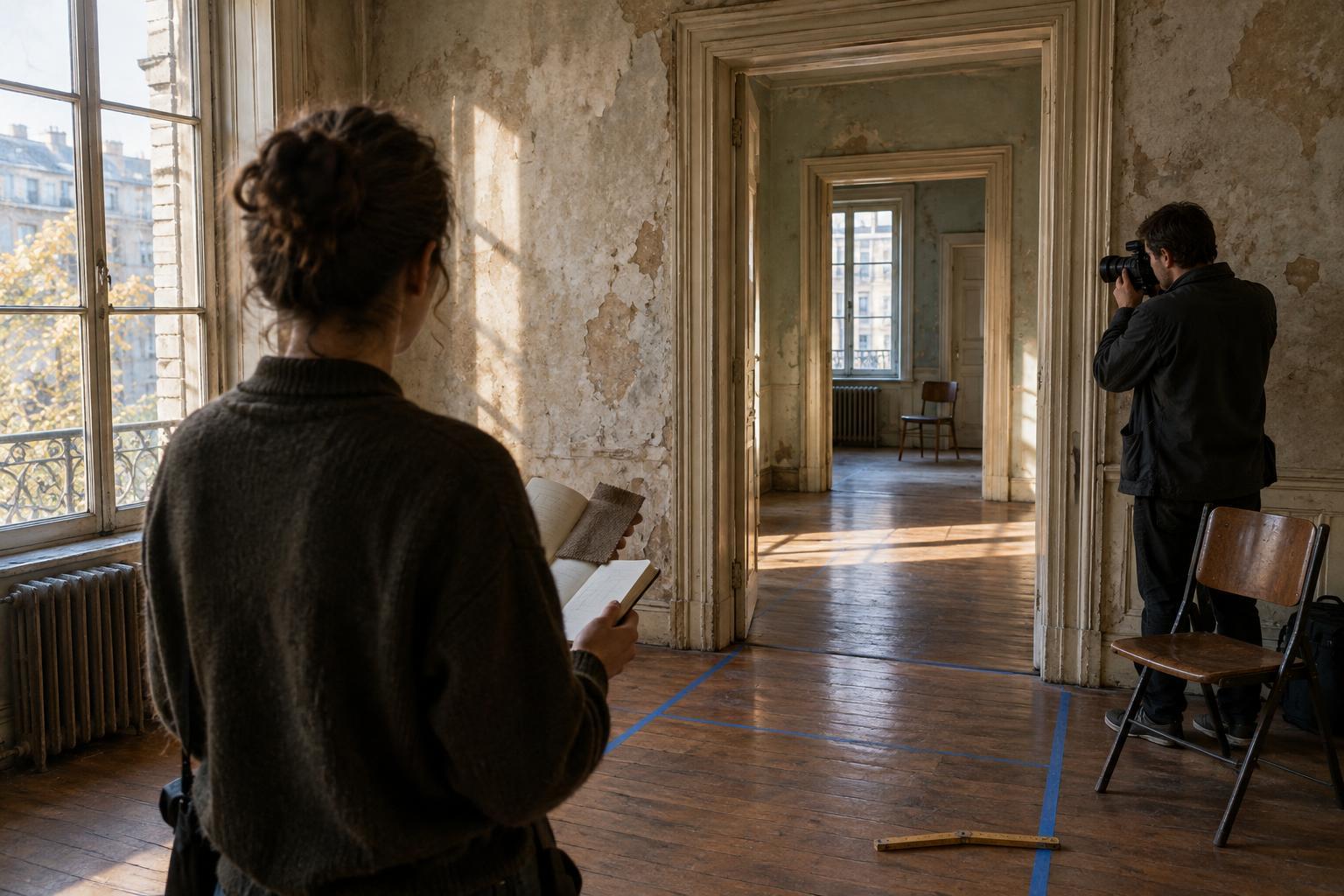
Look beyond the main shooting area. A view through an open door can expose a second room that needs dressing; a mirror may reflect a modern fixture that conflicts with the story. Record these relationships with wide photographs and simple notes about possible camera angles. If a scene depends on distance between two characters, check whether the space can show that distance, not merely accommodate it.
Test the visual character, not just the first impression
Surfaces influence how a location feels on screen. Glossy walls and large windows can create reflections; patterned floors and strong architectural lines can draw attention away from an actor. None of these qualities is automatically a flaw. The question is whether they suit the intended mood and remain useful across the planned shots. A distinctive wall may be a compelling background for one angle but make reverse coverage difficult.
Visit at a time that resembles the intended shoot, if possible. Observe where daylight enters, how it changes across the room and whether practical fixtures belong to the world of the film. The cinematographer will make lighting decisions, but production design can identify curtains, lamps and visible fittings that affect the image. Photograph details as well as wide views: handles, trim and built-in furniture can reveal how much work a space would need to feel consistent with the story.
Measure the room for change
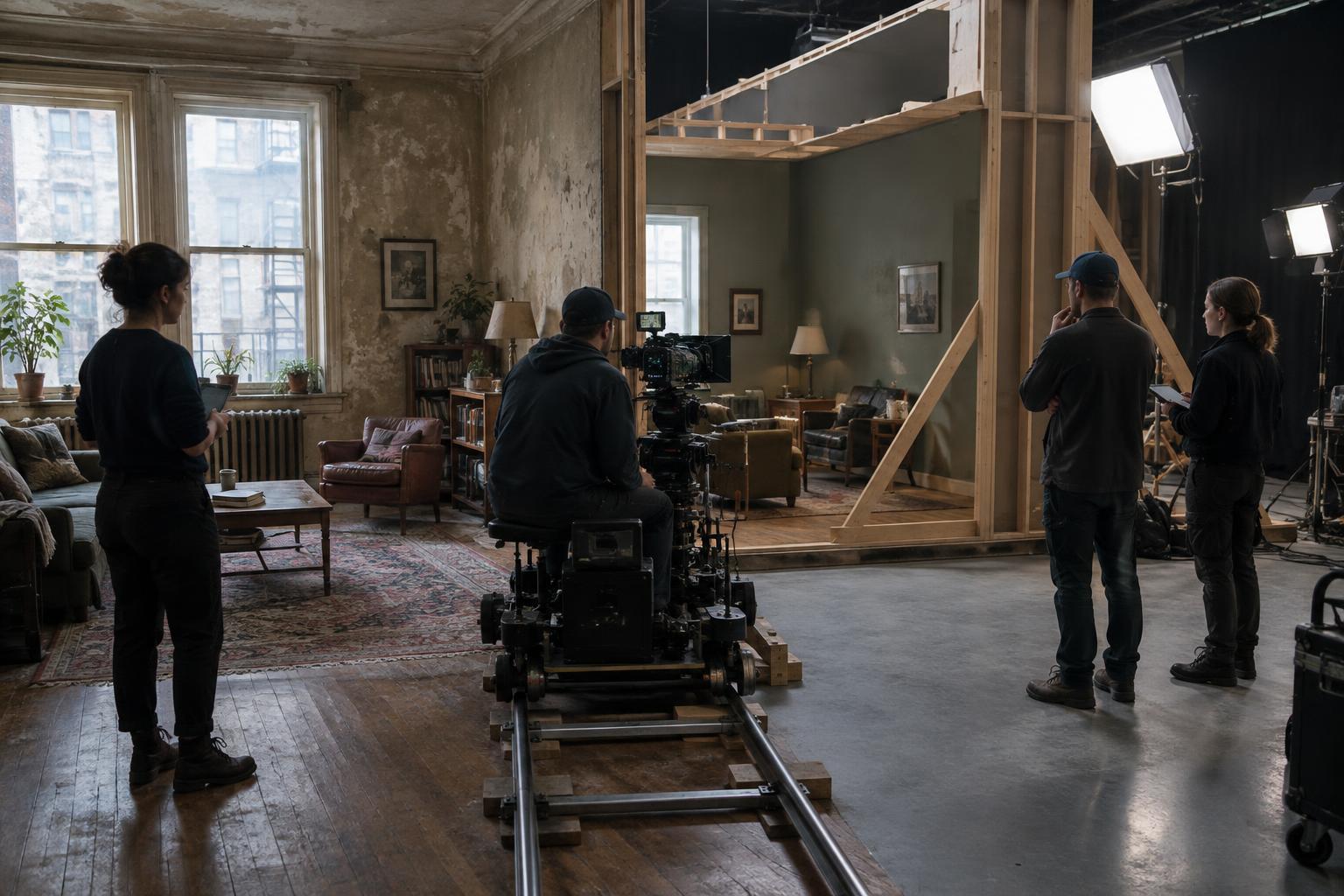
Scouting also means imagining what the location could become. Decide which elements can be dressed, concealed or removed and which are effectively fixed. A movable table offers flexibility; a prominent tiled wall may define every shot. Note wall condition, available storage and the space needed for props. If the same location must portray several moments in a character’s life, consider whether those changes can be made convincingly and reset without disrupting the schedule.
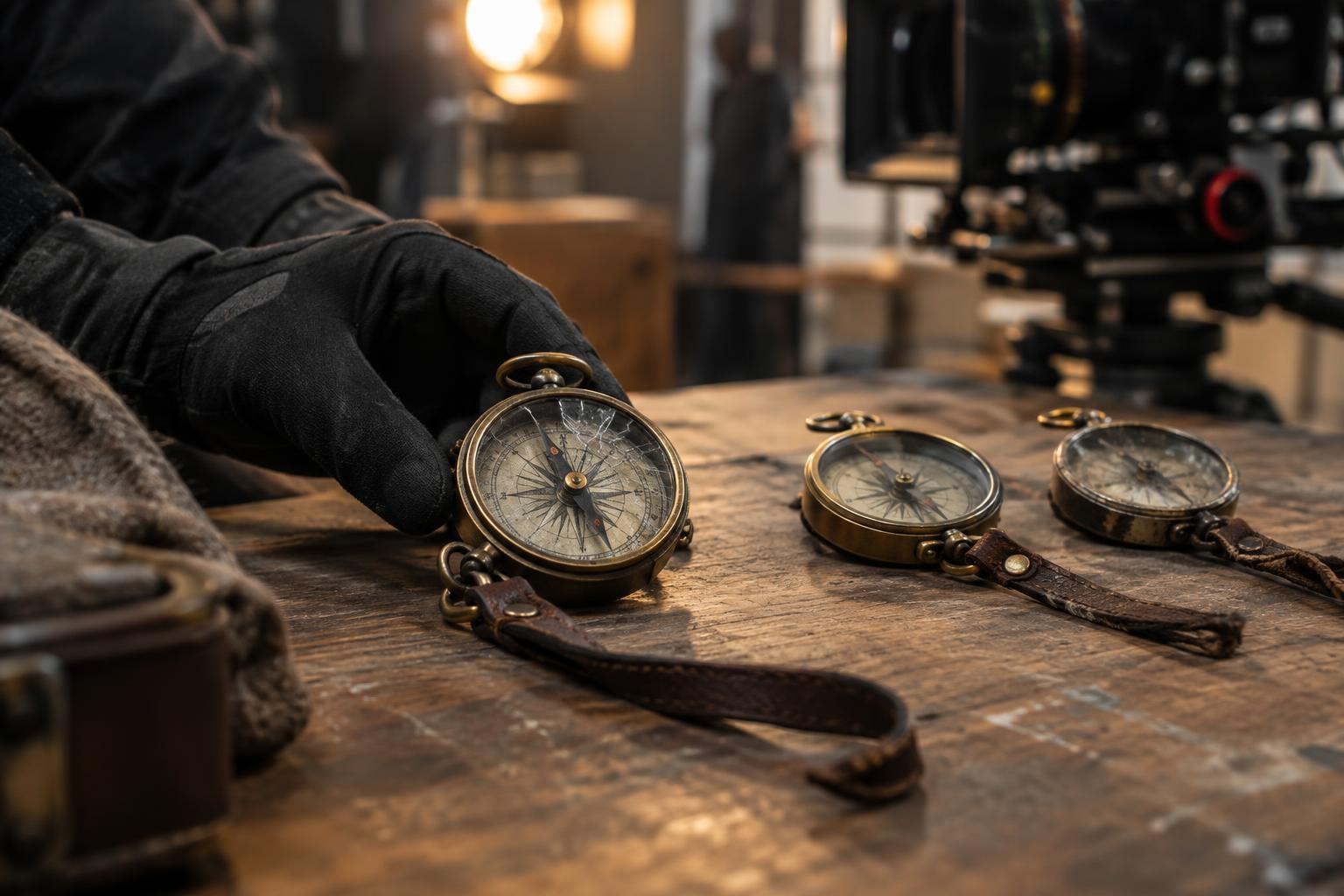
Small additions can carry more meaning than a complete transformation. A worn chair in an otherwise orderly room might suggest an old attachment; a cleared shelf might mark an absence. Choose details that an actor can interact with or a shot can register naturally. Before planning alterations, confirm what the location owner permits and how the space must be returned. An idea that depends on painting, drilling or moving fixtures is only useful if it is feasible there.
Scout for the crew and the edit
A workable location serves the story and the shoot. Listen for recurring noise, look for access routes and note where equipment, costumes and set dressing could be held out of frame. Ask how many people can work comfortably in the space and whether a scene can be repeated from several angles. These questions are not separate from design: a narrow doorway, for example, may create a strong image while complicating movement or coverage.
Finally, compare locations with the finished sequence in mind. Shots filmed in different rooms or on different days should still feel like parts of one world. Keep records of colors, architectural features and sightlines, and share the photographs and constraints with the director, cinematographer and other relevant crew. The strongest choice is not always the most visually impressive address. It is the place whose character, geography and practical limits allow the story to unfold clearly.