Shot size is a choice about attention
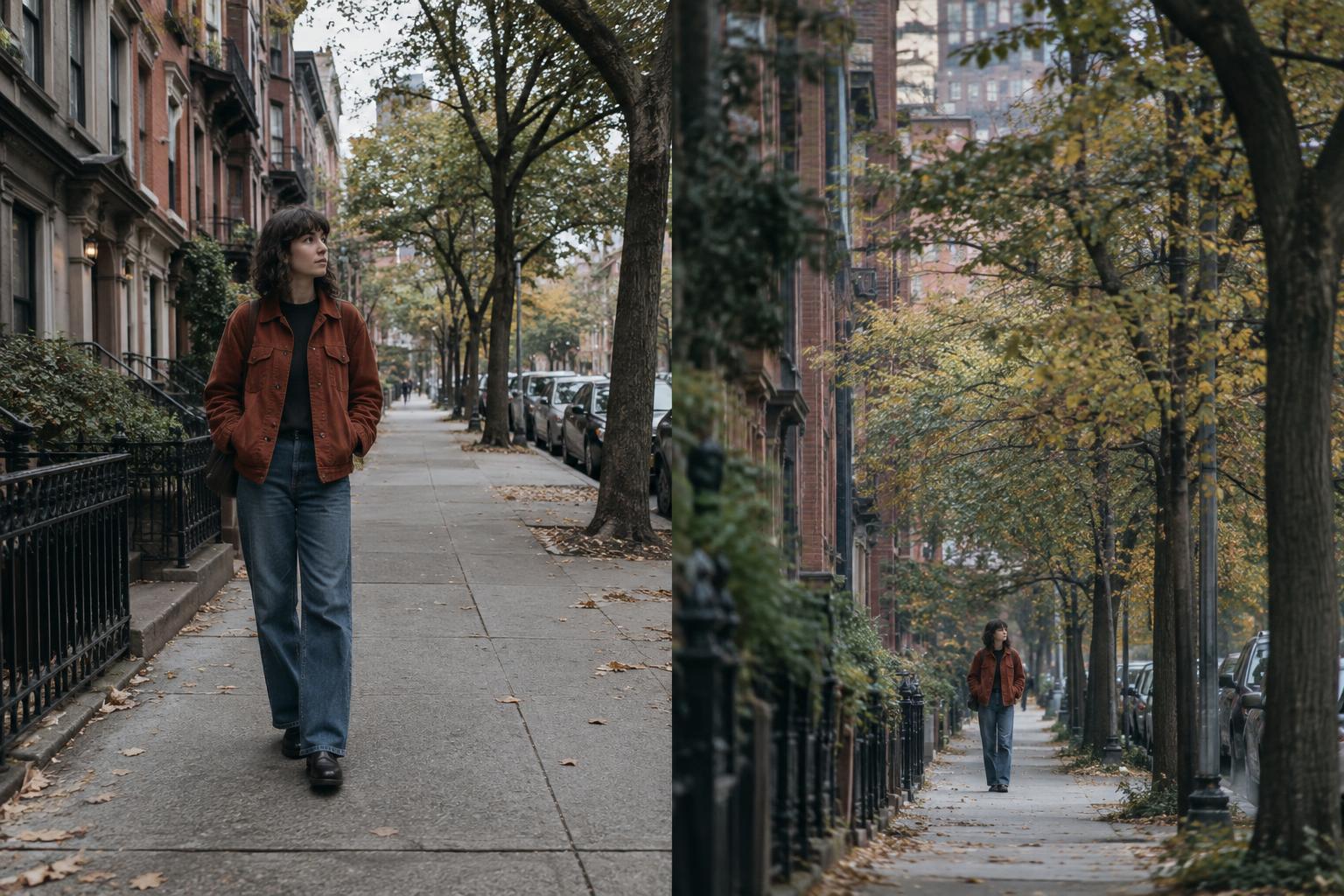
Shot size describes how much of a subject and its surroundings appear in the frame. A wide shot gives the viewer room to take in a setting or a full figure. A medium shot brings a person and their immediate surroundings into balance. A close-up concentrates on a smaller area, often a face, hand or object. These are useful working terms, not rigid measurements: a shot can fall between sizes, and a close-up of an object serves a different purpose from a close-up of a face.
Choosing a size is less about following a rule than deciding what the audience needs to notice now. The same room can feel welcoming in one shot and isolating in another, depending on where the subject sits in the frame, what remains visible and what the viewer already knows. Shot size helps direct attention, but performance, composition, sound and editing shape its meaning.
Wide shots show space and relationships
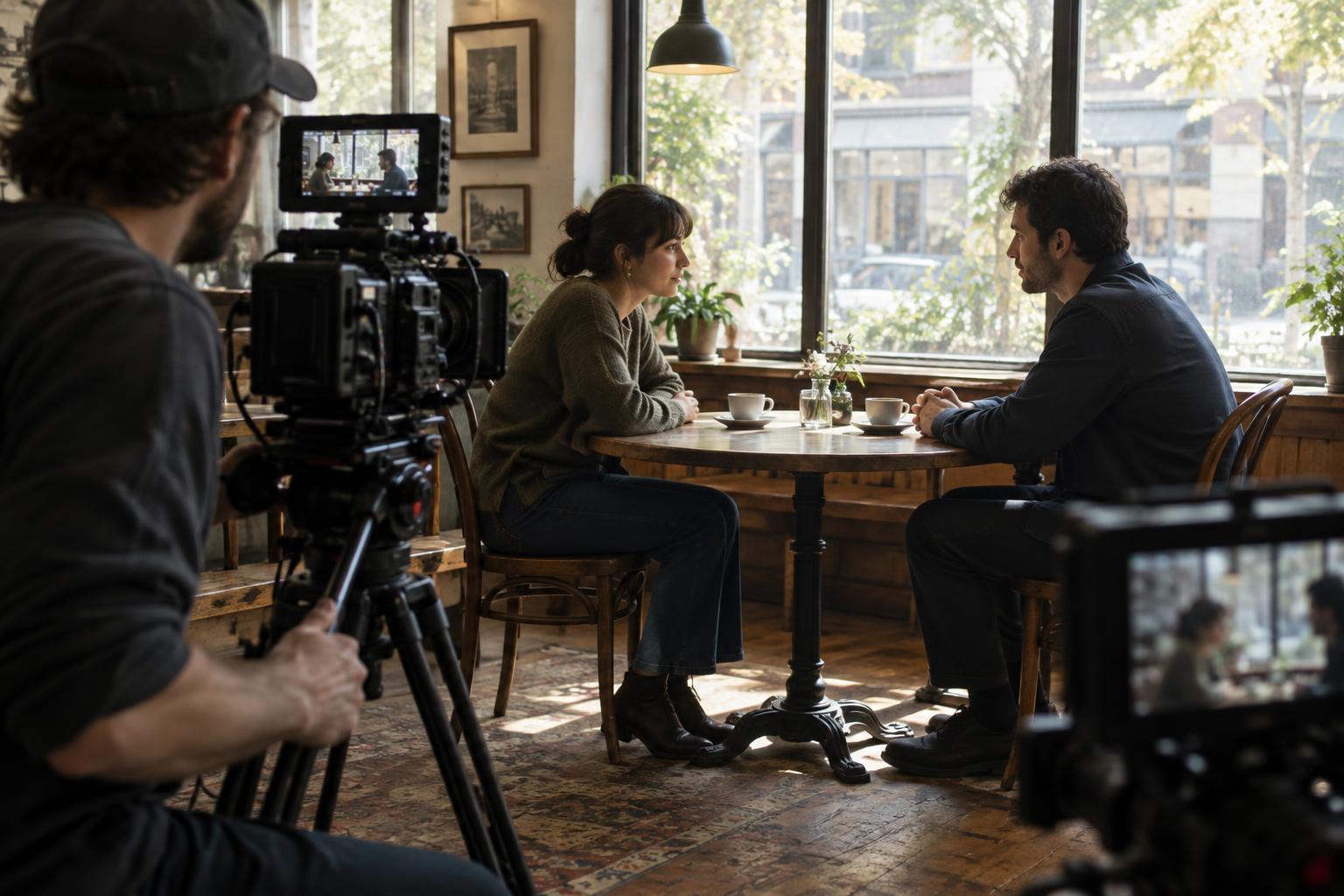
A wide shot can establish where a scene takes place, where people are in relation to one another and what obstacles lie between them. Imagine a character entering a nearly empty dining room while another sits at the far end of a long table. Keeping both figures and the table visible lets the audience read their physical separation without a line of dialogue. A wide shot can also make movement legible: viewers can see where someone starts, where they intend to go and what changes along the way.
Wide does not automatically mean distant or unemotional. A figure surrounded by empty space may appear vulnerable, while two people sharing a small corner of a large frame may seem united. What matters is the arrangement within the image. Before moving closer, ask whether the environment carries information the scene would lose if it were cropped out.
Medium shots connect action and expression
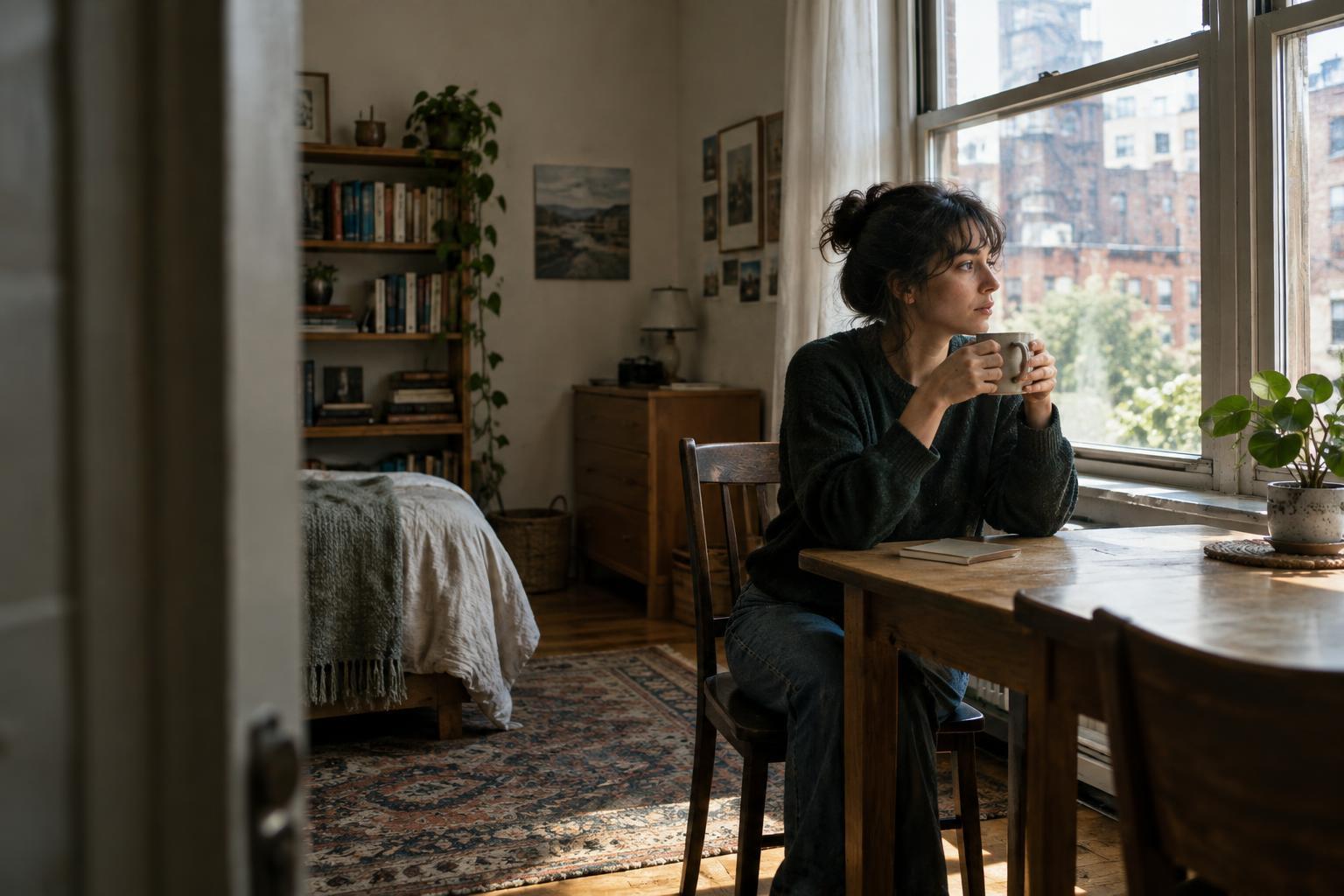
A medium shot commonly shows enough of a person to read facial expression, posture and gesture together. It can keep a conversation grounded in physical behavior: a character may smile while gripping the back of a chair, or turn toward a doorway without leaving the exchange. Because the surroundings remain partly visible, the viewer can understand both the person and the situation they are responding to.
Medium shots are flexible, but that flexibility can make them an unexamined default. If the point of a moment is a precise movement across a room, a wider view may explain it better. If a small change in someone’s expression is the turning point, a closer view may give it more weight. A useful test is to ask what information the frame preserves and what it makes harder to see.
Close-ups concentrate attention
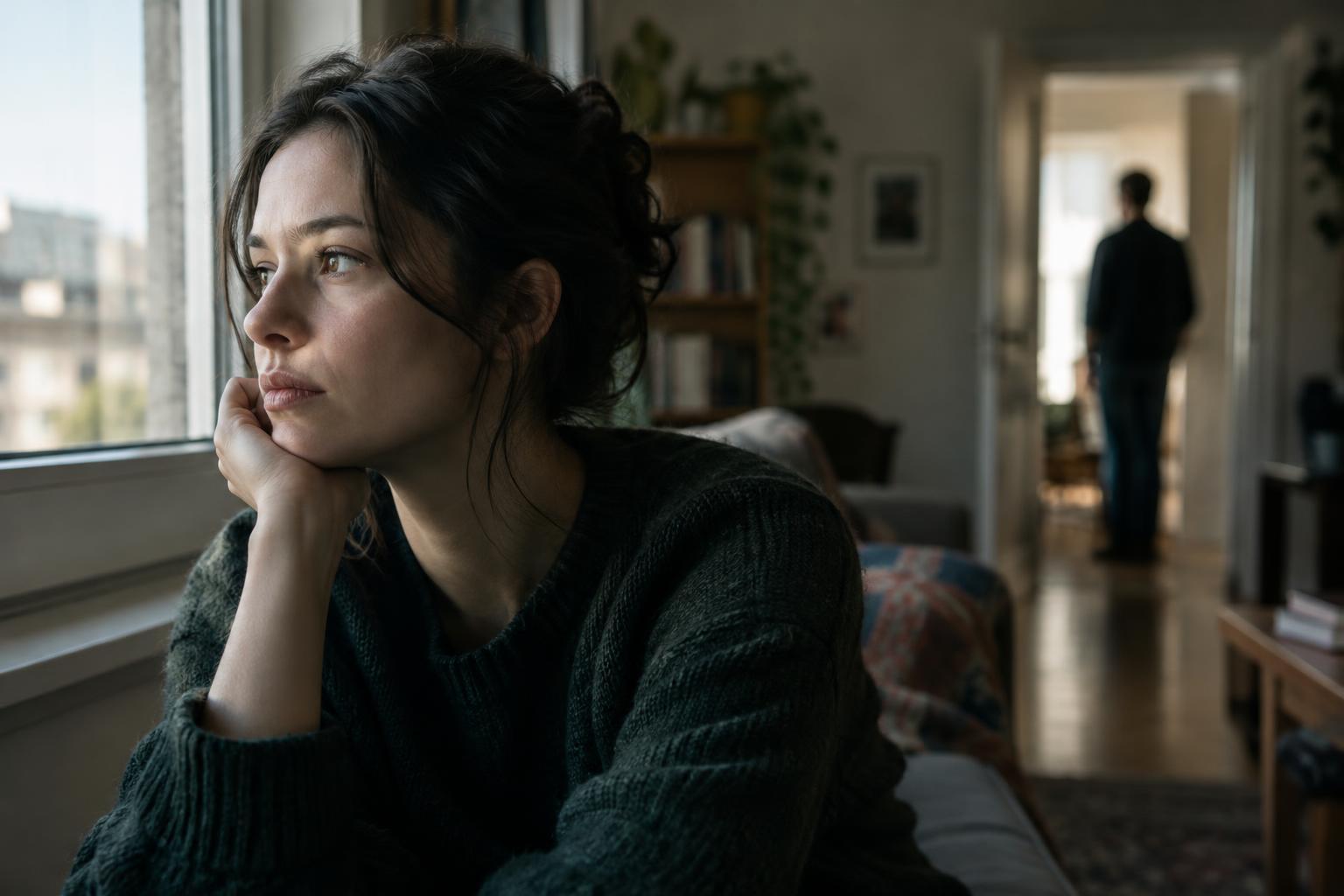
A close-up asks viewers to study detail. On a face, it can make a hesitation, glance or controlled reaction difficult to overlook. On an object, it can clarify an action, such as a key stopping just short of a lock. By excluding more of the surroundings, the frame temporarily gives that detail priority. The effect depends on context: a close-up of a hand means little on its own, but it may matter greatly after a scene has established what the hand is reaching for.
Close-ups are not guaranteed to create intimacy. They can also feel intrusive, tense or ambiguous, especially when the audience cannot see what lies beyond the frame. Used repeatedly at the same intensity, they may lose some of their emphasis. Consider saving a tighter shot for the moment when a detail changes the viewer’s understanding, rather than treating it as an automatic signal that the scene is important.
Build meaning through changes in scale
Shot sizes become especially expressive in sequence. A scene might begin wide so viewers understand that two characters have chosen opposite sides of a room. Medium shots can then follow their conversation while retaining gestures and some sense of distance. A close-up might finally isolate the person who realizes the other is about to leave. Moving closer has a purpose here because the audience has already learned what the larger space means.
The reverse can be just as effective. Cutting from a close-up to a wide shot may reveal that a character is alone, or show how little an apparent victory has changed their circumstances. When planning coverage, try describing the information each shot adds instead of collecting every size by habit. Ask what the viewer should know, feel curious about or notice next. The strongest choice is the size that serves that moment—and gives the following shot something meaningful to reveal.