Silence is a directing choice
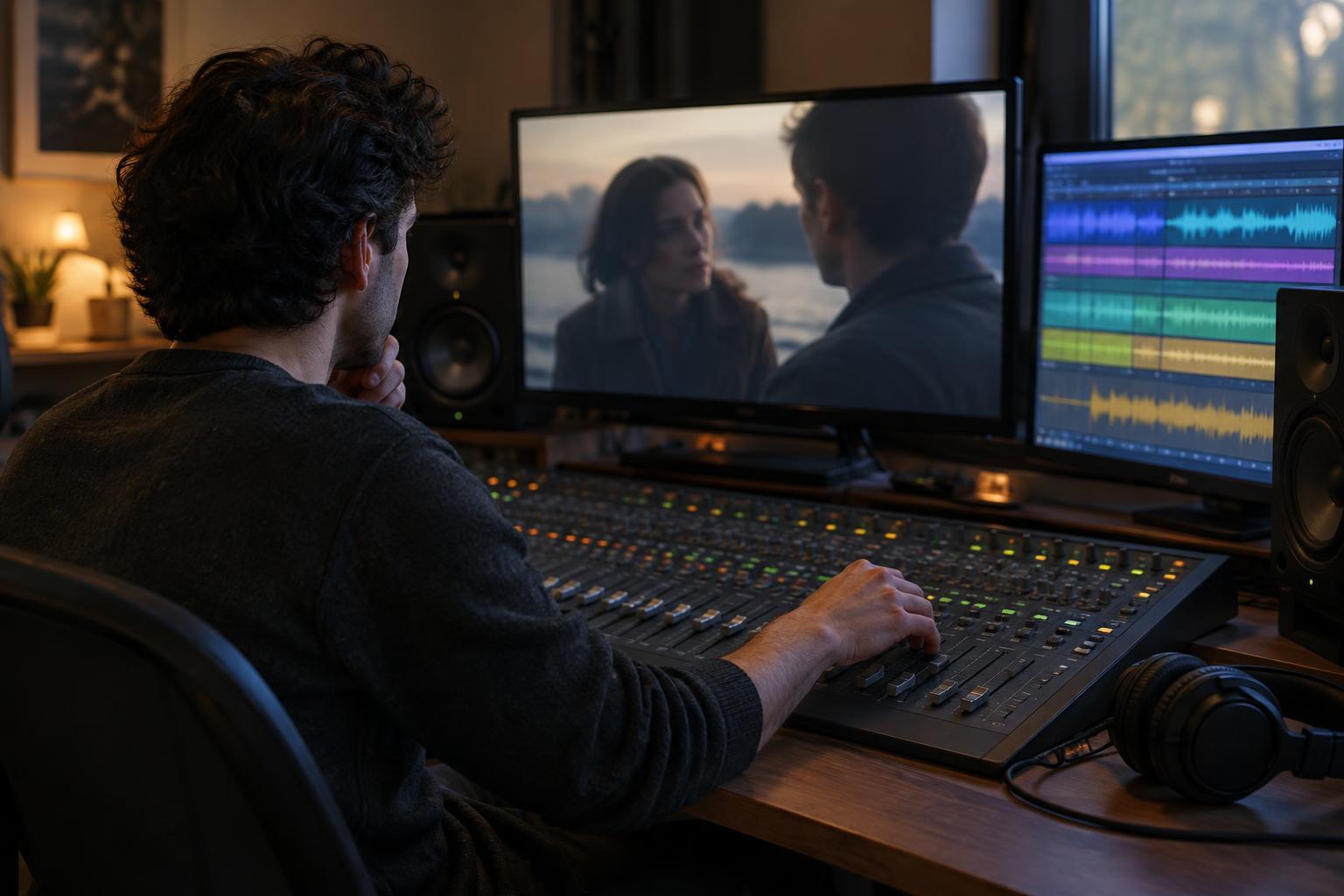
A film rarely becomes literally silent. Even a quiet interior may carry air movement, distant traffic or the soft contact of clothing against a chair. What viewers call silence is often a deliberate reduction: music stops, a busy background falls away, or one sound remains while others disappear. That change can be more arresting than an added effect because it asks the audience to notice what has been withheld.
The value of the pause depends on the scene around it. If sound has been dense and continuous, a sudden drop can mark a decision, a discovery or a shift in emotional perspective. In a restrained scene, the same drop may barely register. Silence works best when it has a relationship to what came before and what follows, rather than serving as a general signal that something important is happening.
Use absence to choose a point of view
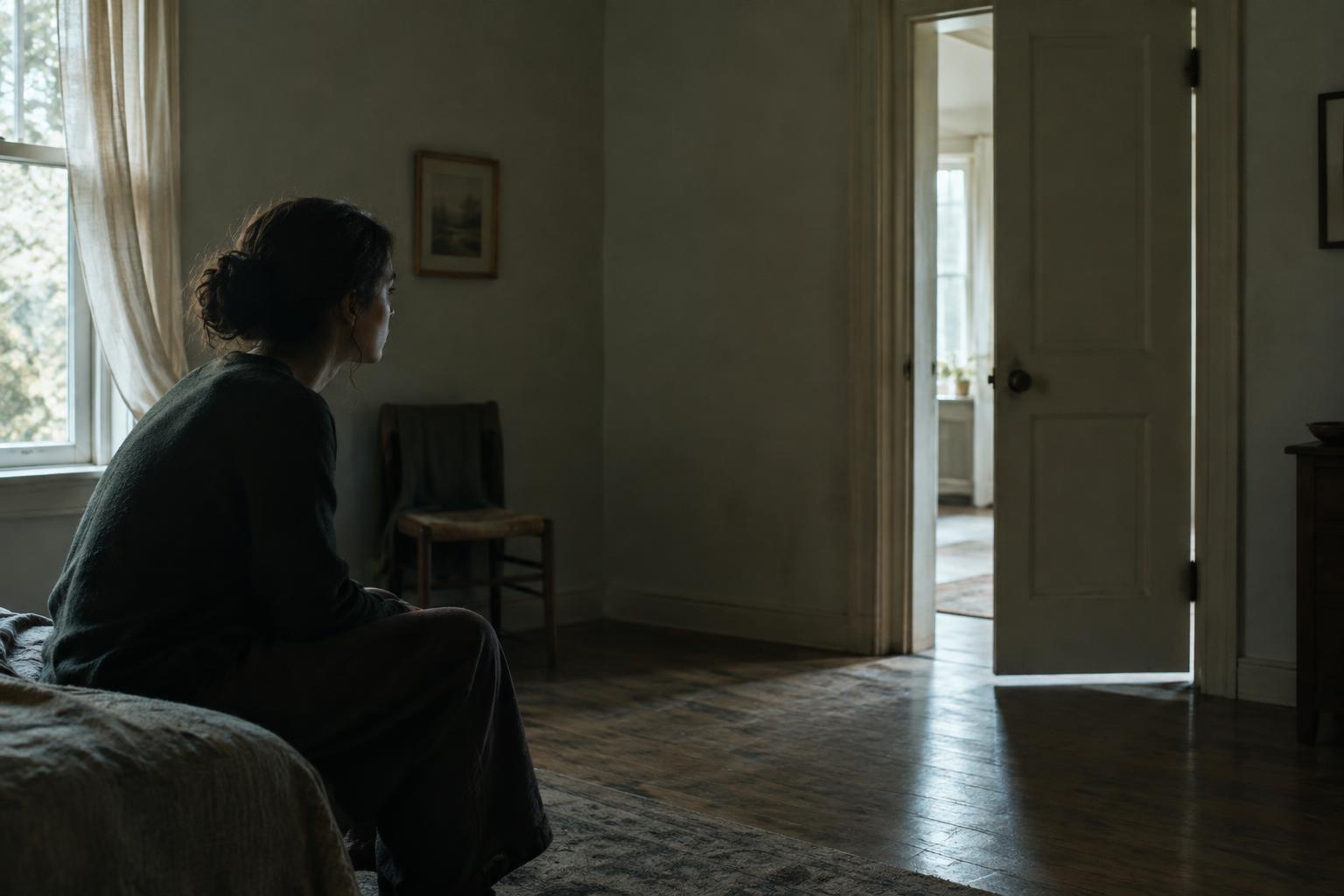
Removing sound can bring viewers closer to a character’s attention. Imagine someone receiving unexpected news in a crowded room. The conversation nearby continues in the story world, but the soundtrack lets it recede until only a glass touching the table is distinct. The scene is not claiming that the room has emptied. It is inviting us to experience how narrowly the character is listening.
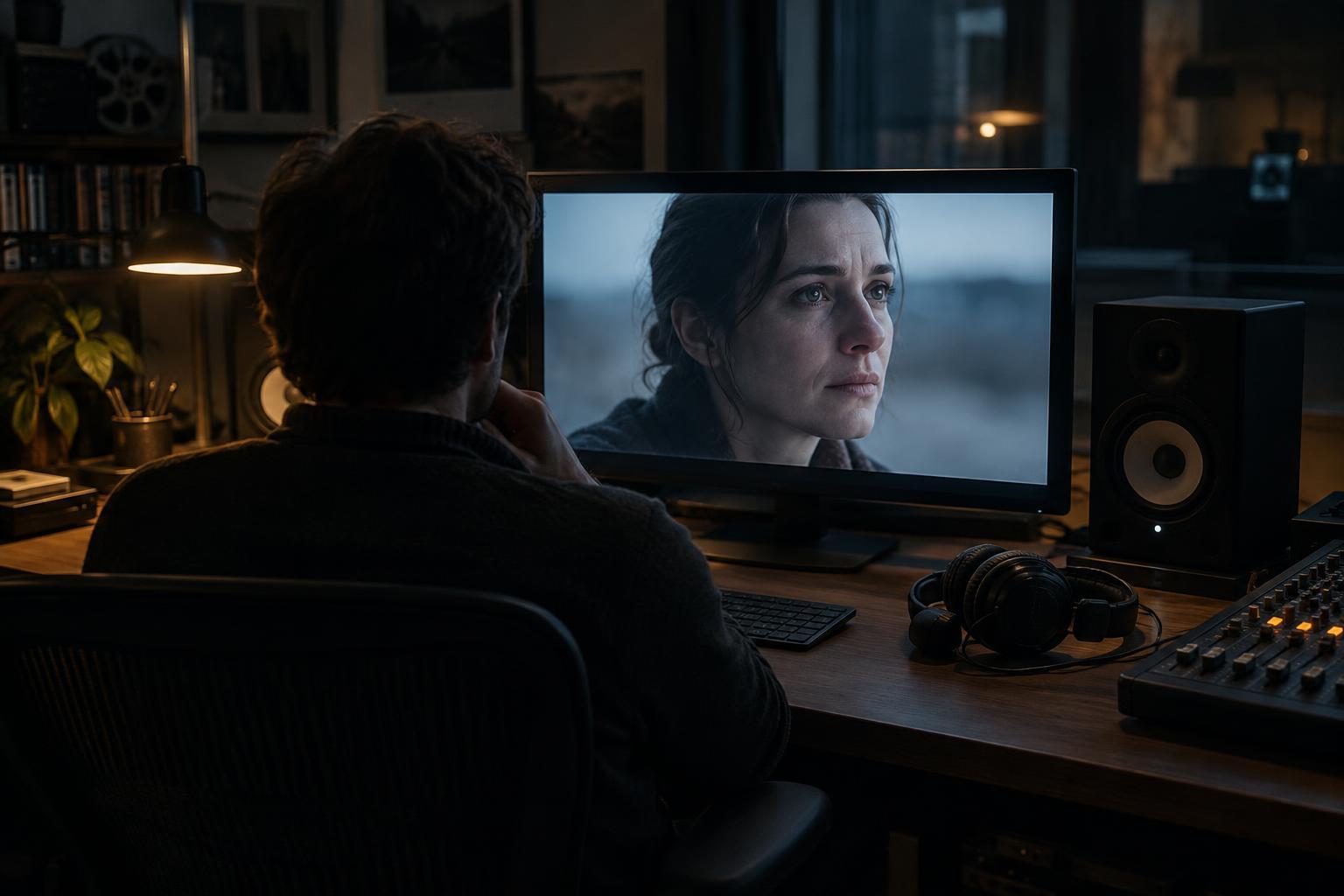
That invitation needs visual support. A held close-up, an interrupted gesture or a glance toward a person across the room can give the reduced soundtrack a clear focus. Without such cues, the audience may wonder whether a sound has been lost by mistake. Sound and image do not have to convey identical information, but their relationship should make the intended change in perspective legible.
Let contrast do the work
Silence gains force from contrast, not just duration. Cutting from loud music to a nearly bare room can expose the scrape of a shoe that would otherwise pass unnoticed. Returning to the full soundscape a moment later may feel overwhelming. These transitions create a rhythm of attention: first the audience adjusts to what is missing, then it becomes unusually alert to what remains.
A gradual withdrawal offers a different effect. A scene might begin with dialogue, music and street noise, then lose the music before the street noise fades behind a character’s breathing. Because each layer leaves at a different moment, the shift can feel like concentration deepening rather than an abrupt dramatic cue. Neither approach is inherently stronger. The choice should match the speed at which the scene changes for its characters.
Decide what should remain audible
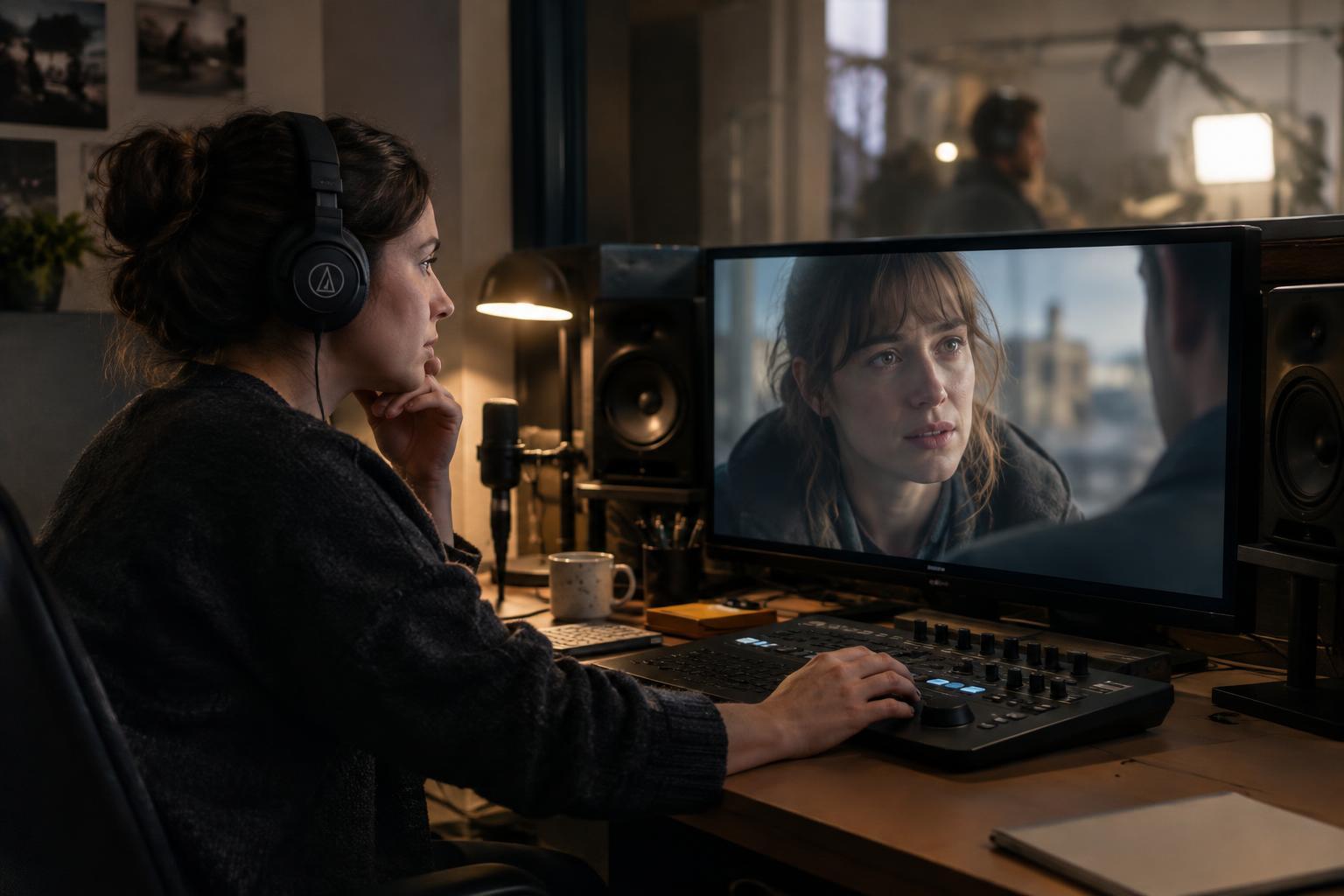
The question for an editor or sound designer is often not “Should this scene be silent?” but “What does the audience need to hear now?” Room tone can keep a quiet cut from feeling artificially empty. A distant sound can preserve a sense of space while leaving the foreground open. A single close detail, such as a key turning in a lock, can give viewers something precise to anticipate.
Withholding a sound can also be useful. Showing a door close without its expected impact may draw attention to a character’s reaction instead of the action itself. Yet repeated sound removal can become predictable, and an unexplained absence may pull viewers out of the scene. Listening to the sequence at a consistent playback level helps reveal whether a quiet passage feels intentional or merely difficult to hear.
Build the pause into the scene
A useful way to plan a quiet moment is to identify its turning point. What changes while the soundtrack is reduced: what a character knows, what they decide, or what the audience expects? Then choose where the withdrawal begins and which sound marks its end. If the pause has no clear relationship to a change, shortening it or keeping more of the environment may make the scene more precise.
Silence should leave space for performance and editing, not carry meaning on its own. A cut held for one extra breath, a look that arrives late, or an object set down gently can become vivid when the soundtrack stops competing for attention. The strongest quiet moments do not ask viewers to admire the absence of sound. They give viewers a reason to lean in.