Designing the world of the story
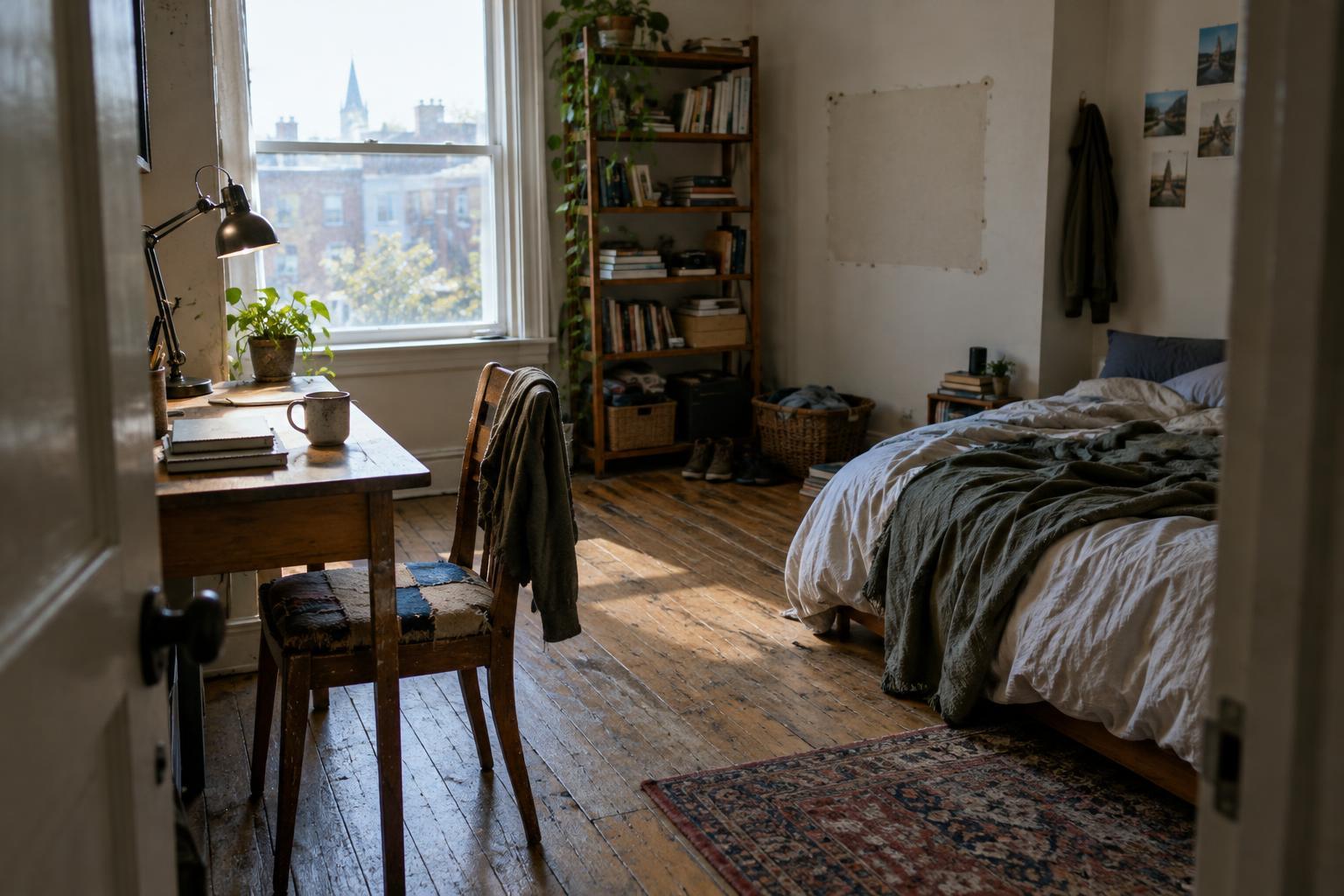
A production designer leads the visual design of a film’s physical world. That includes the look of locations and built sets, the materials and colors within them, and many of the objects that help tell the story. The job is not simply to make a room attractive. A convincing room also suggests who lives there, what they can afford, what they value and what might have happened before the scene begins.
The designer starts by reading the script for practical and dramatic clues. A cramped kitchen may need to support an argument in which two characters cannot avoid each other. A spacious office might convey authority while leaving one visitor uncomfortably exposed. From such ideas, the designer develops a visual approach with the director, then works with the art department to turn it into spaces the cast and camera can use.
From visual idea to workable set
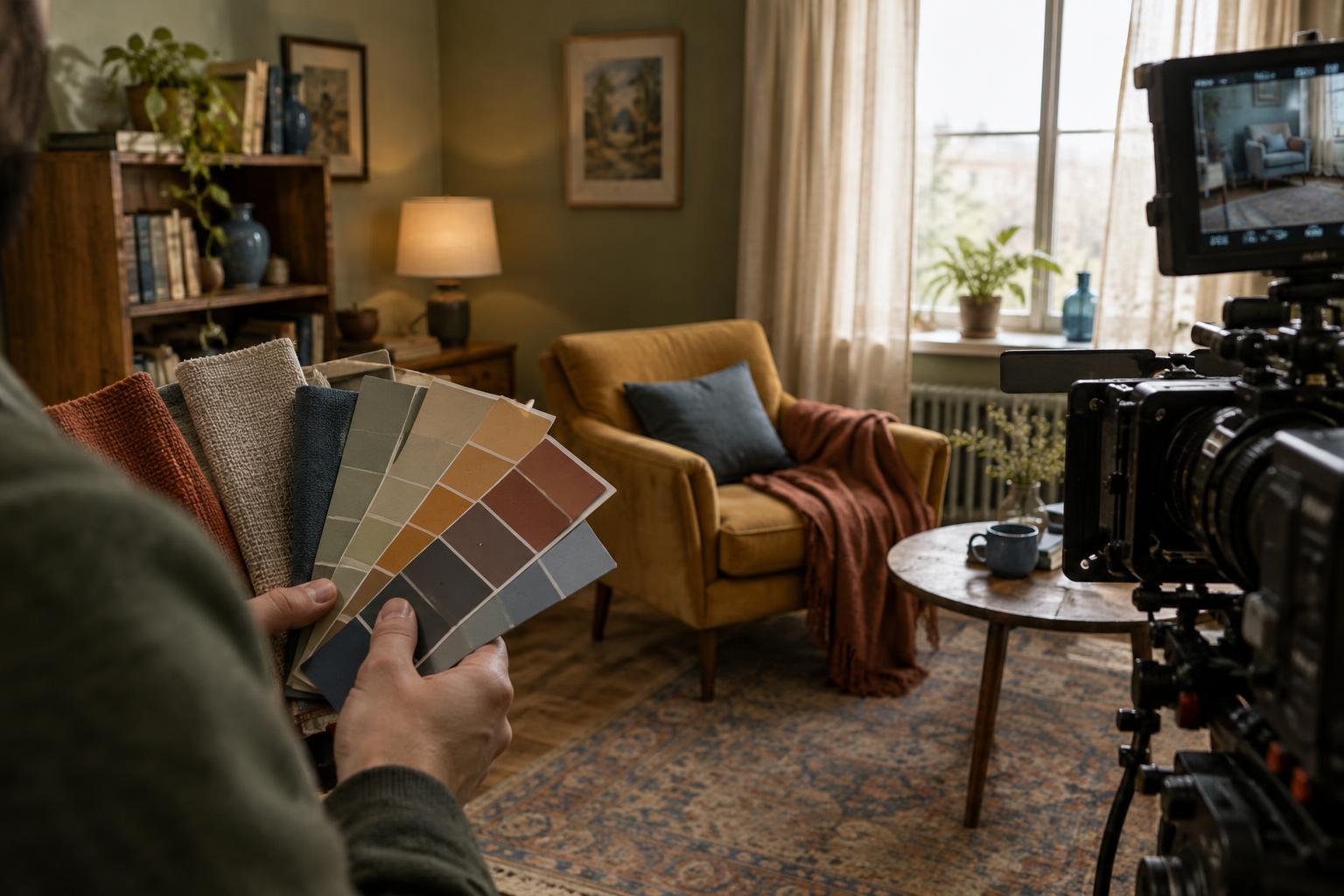
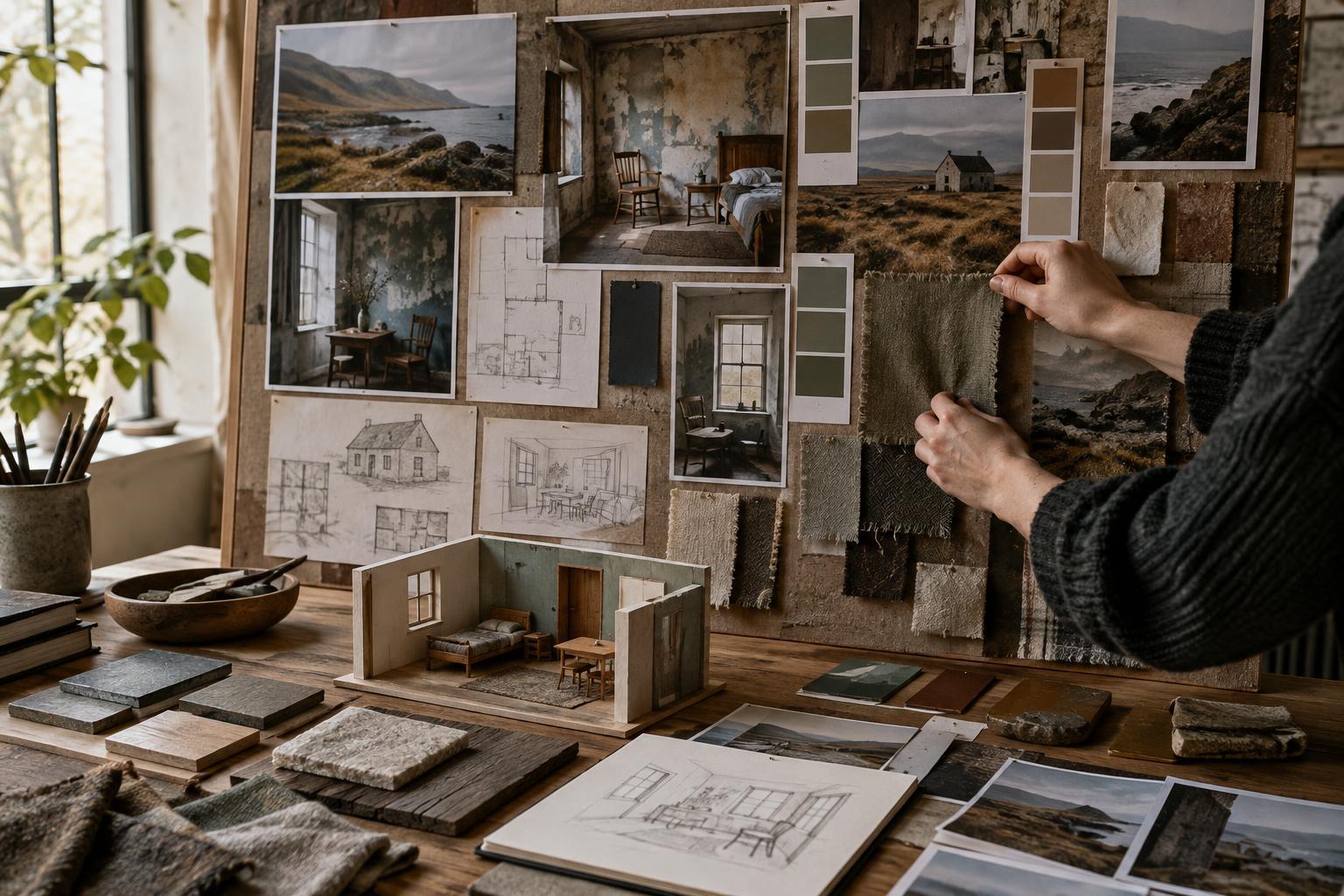
Early design work can involve reference images, sketches, plans, models or samples of color and material. These tools help the director, cinematographer and other collaborators discuss a shared idea before money and labor are committed. The production designer also considers how a set will be filmed: where a camera can move, which walls may need to be removable and how much of a location will actually appear in the frame.
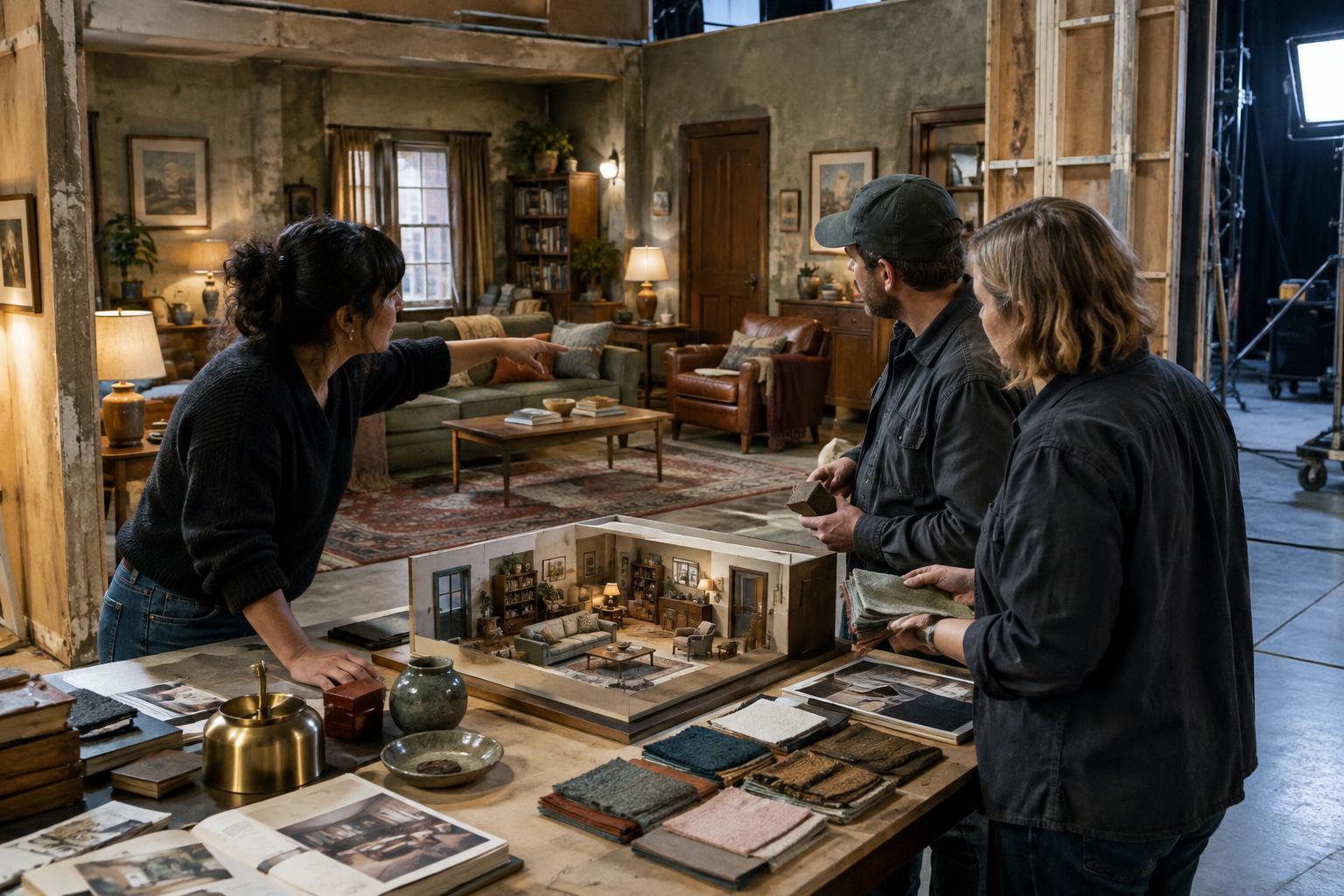
Once the approach is agreed, the work becomes a series of decisions and revisions. A real location might need alterations to fit the story. A set might be built because the action requires a layout that no available location offers. The designer balances the desired look with the schedule, budget and practical needs of filming, often delegating detailed planning and execution to specialists.
Who does what in the art department?
An art director typically helps translate the production designer’s concept into plans and manages parts of the department’s day-to-day work. Depending on the production, art directors may coordinate drafting, construction and the preparation of locations. Set designers and draftspersons produce drawings that show how a space should be built or adapted. Construction crews make those plans physical, while scenic artists create finishes such as aged paint, worn surfaces or a particular wall texture.
A set decorator concentrates on what fills the space: furniture, lamps, curtains, artwork and other dressing that establishes its character. Set dressers place and adjust those items, including between setups when a room must remain consistent. The props team handles objects actors use as part of the action, such as a letter opened on camera or a cup passed across a table. The distinction between a prop and set dressing can be practical rather than obvious: an object may move from one team’s responsibility to another when an actor needs to handle it.
Graphic designers may create signs, packaging, documents and other printed or screen-based details that appear in the story world. Other specialists can include researchers, model makers, buyers and coordinators who track orders and logistics. Titles and responsibilities vary by country, production size and budget. On a small film, one person may cover several of these jobs; on a large one, each area may have its own team.
How design works with other departments
Production design is collaborative because no set is seen in isolation. The cinematographer’s lighting can change how a paint color reads, and a reflective surface may create an unwanted camera problem. Costume colors can either separate a character from a background or blend them into it. A director may need a particular doorway for an entrance, while performers may discover a useful way to interact with the furniture during rehearsal.
Good communication helps the design hold together through these changes. Consider a character whose home is meant to feel orderly but strained. The art department might choose neatly arranged furniture and a narrow route through the room, leaving little space for visitors. Camera placement, lighting and blocking can strengthen that impression, but the physical choices give those departments something specific to work with.
What to look for when watching
To notice production design, look beyond the most elaborate sets. Ask what a location tells you before anyone speaks. Which objects appear used, treasured or neglected? Does a space make a character seem comfortable, trapped or out of place? Watch how the setting changes over a scene or across a film: a cleared table, an added photograph or a damaged wall can mark a shift in the story without a line of dialogue.
The strongest design choices need not call attention to themselves. Their purpose is to make a fictional world usable for the filmmakers and meaningful to the audience. The production designer sets that direction, while the art department’s many roles give it texture, detail and continuity from one shot to the next.