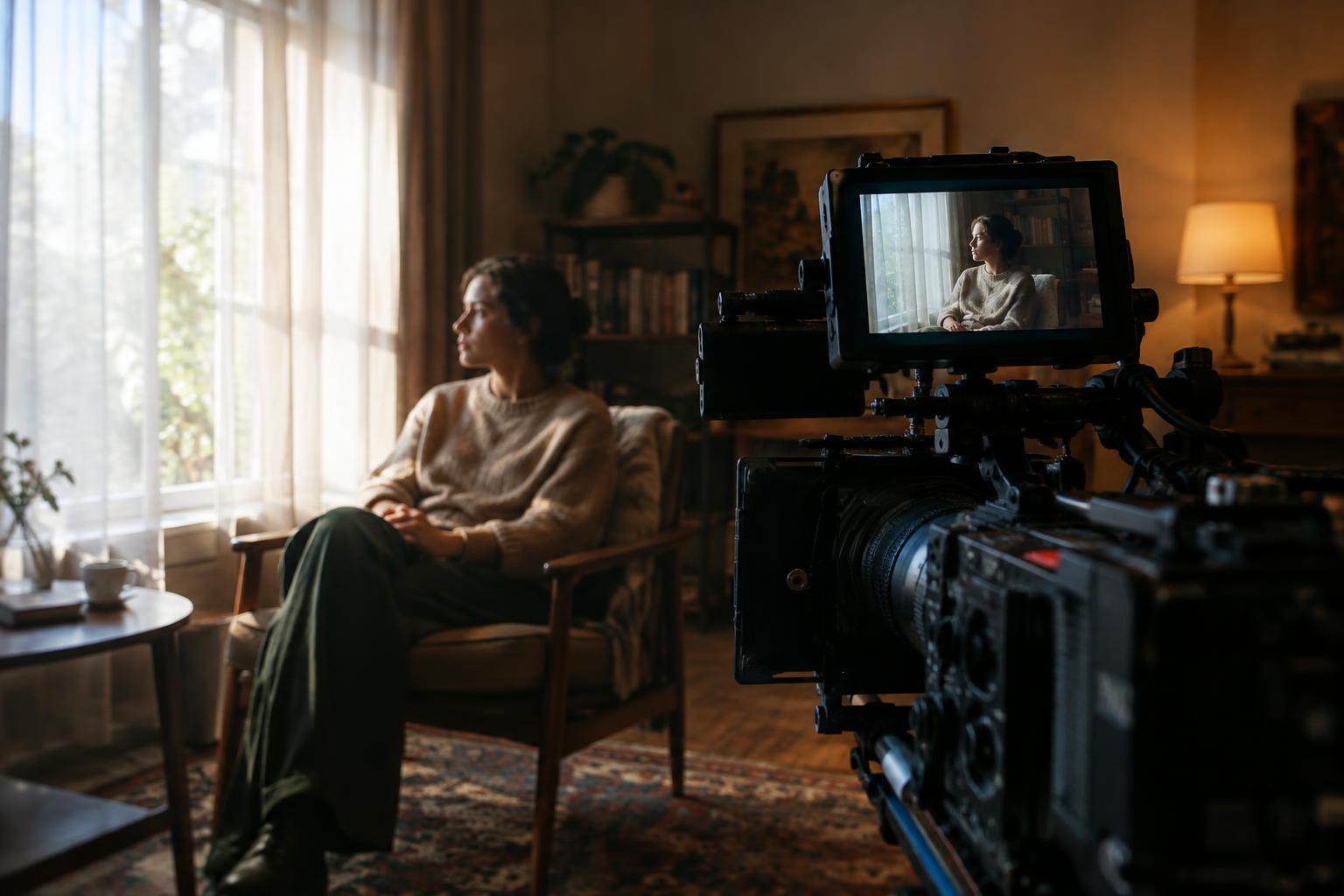
Camera LanguageExposure is more than making an image look bright enough. Learn how to judge important highlights and shadows, use camera monitoring tools, and make exposure choices that support a scene’s point of view.
Read article · 4 min↗

Camera LanguageA shot can feel spacious even when the camera barely moves. Learn how placement, focus, lighting and movement turn foreground, middleground and background into tools for storytelling.
Read article · 4 min↗
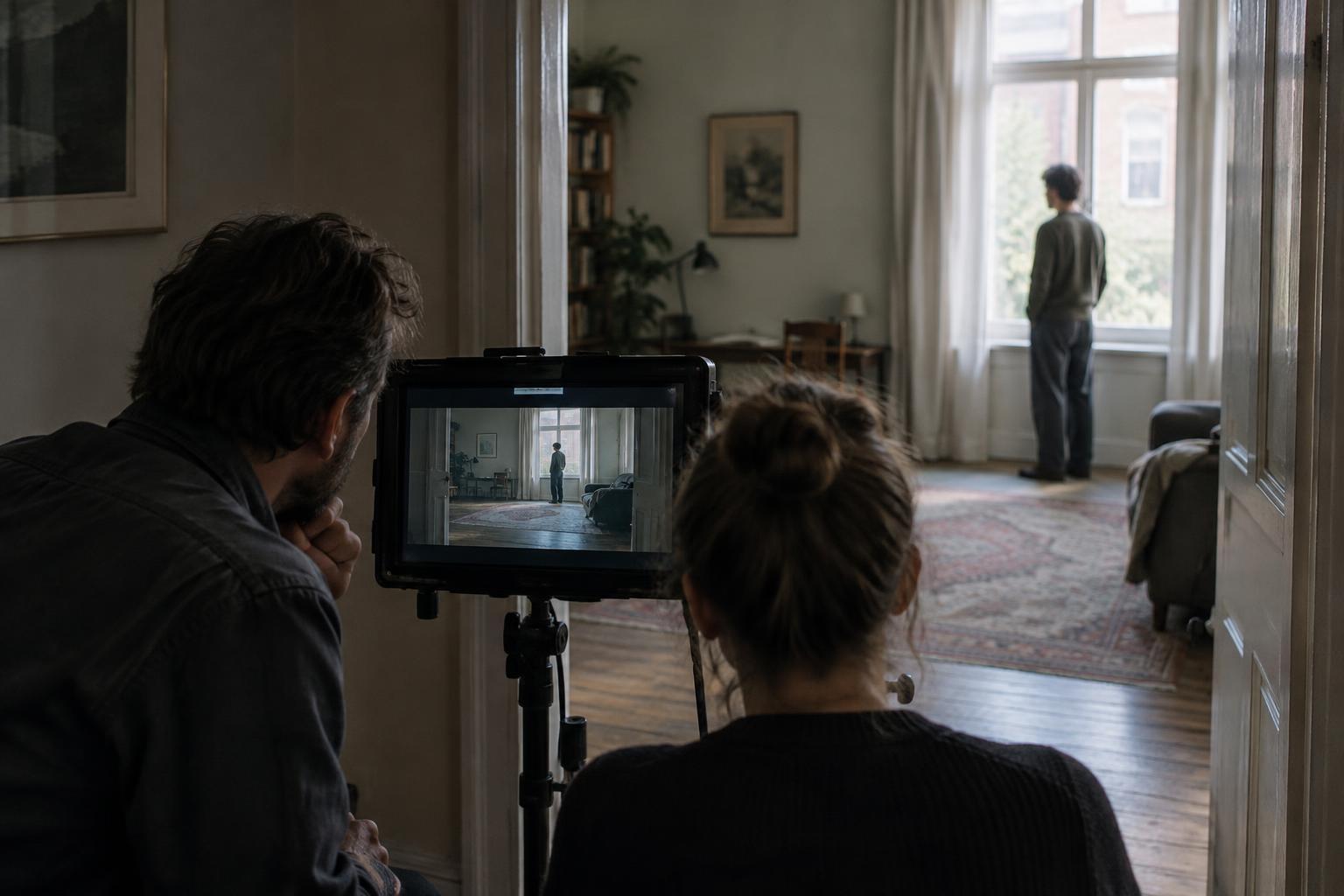
Camera LanguageAspect ratio is more than a delivery setting. The shape of a frame affects where characters stand, how a location is revealed, and what an audience notices or misses. Learn how to choose and use frame shape as a storytelling tool.
Read article · 5 min↗

Camera LanguageA point-of-view shot can put an audience close to a character’s experience, but only if viewers understand whose eyes they are borrowing and where that person stands. Learn how eyelines, screen direction, framing, timing, and sound make subjective images clear.
Read article · 4 min↗
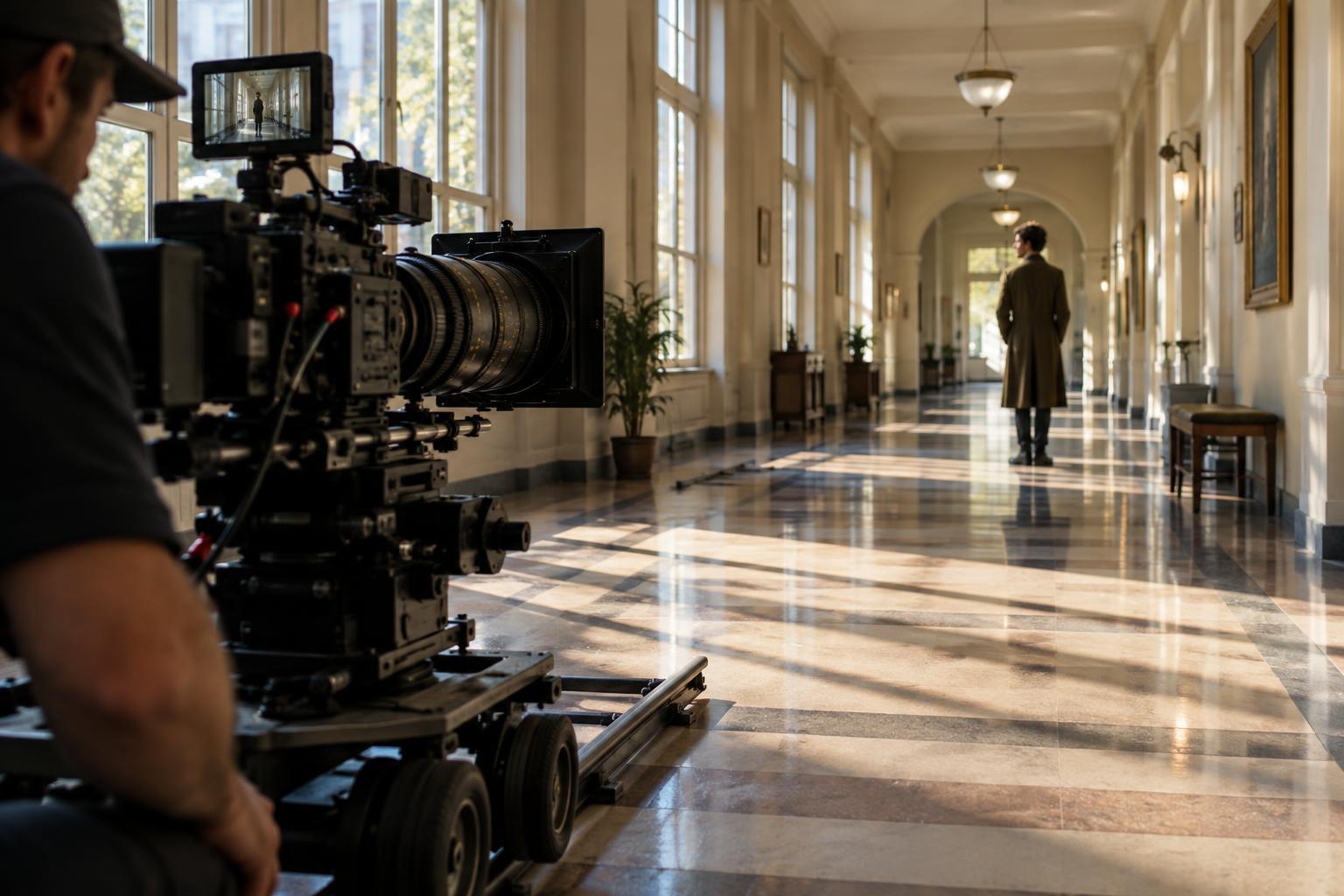
Camera LanguageA tracking shot moves the camera through space; a zoom changes the lens’s field of view. Both can redirect attention, but they give viewers different information about a scene. Here is how to choose between them.
Read article · 4 min↗
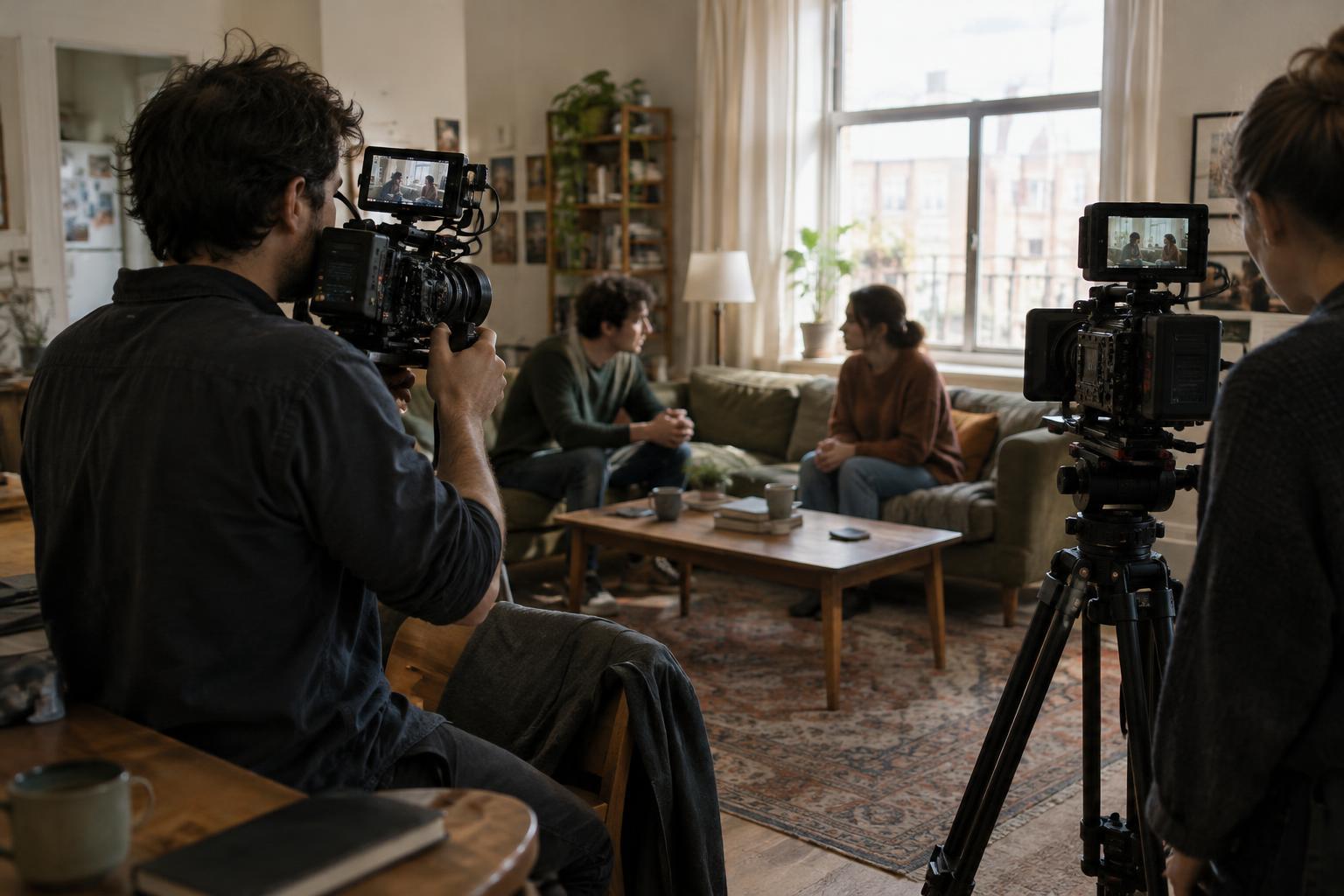
Camera LanguageA camera that moves with the operator and a camera held still give viewers different ways to experience a scene. Learn how to choose between handheld and locked-off shots by considering attention, performance, blocking and the rhythm of the edit.
Read article · 4 min↗
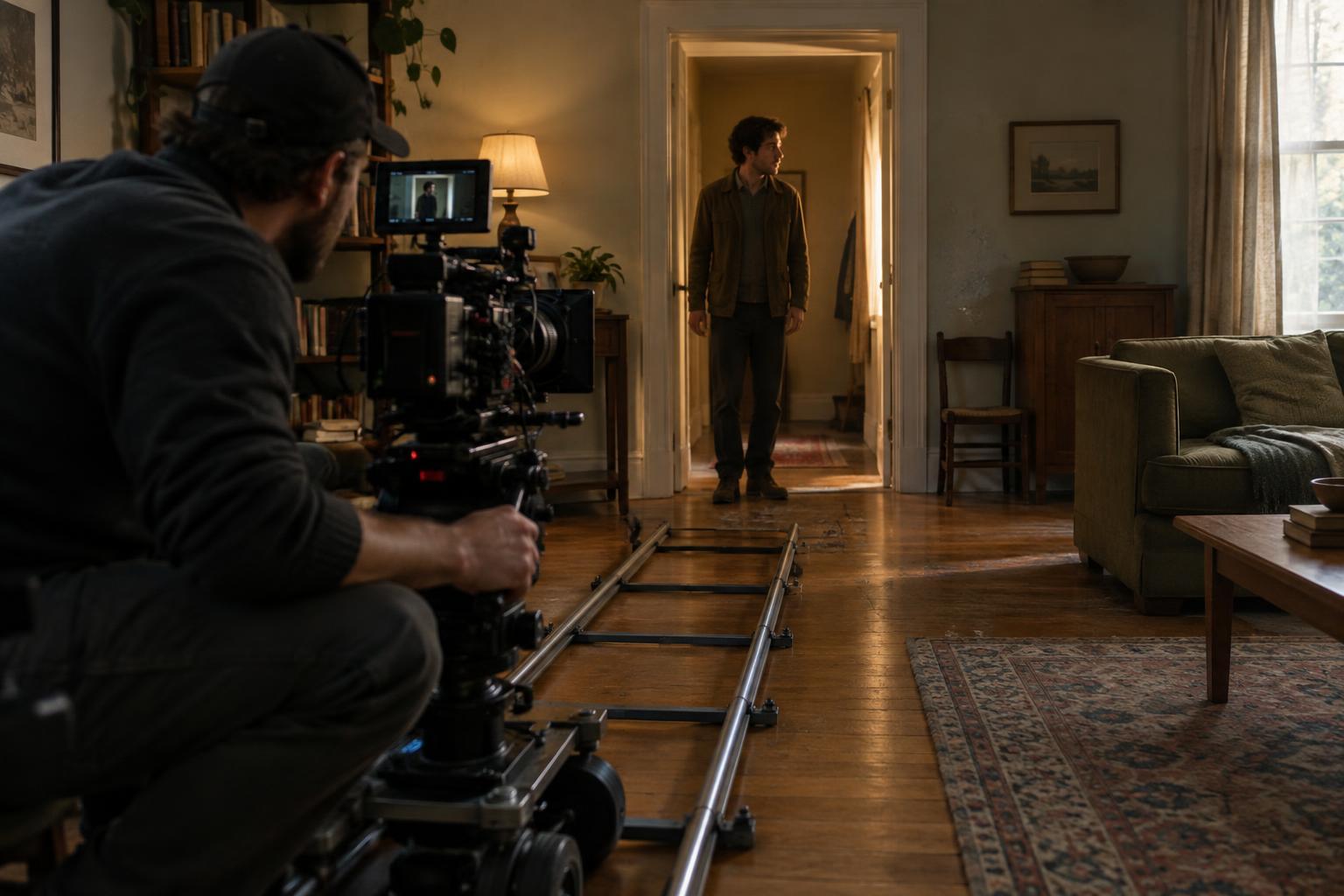
Camera LanguageA moving camera can guide attention, reveal information or change the emotional distance between a viewer and a character. Learn how to choose a push-in, pullback or pan by asking what changes in the scene—and whether movement expresses that change more clearly than a cut or a still frame.
Read article · 4 min↗
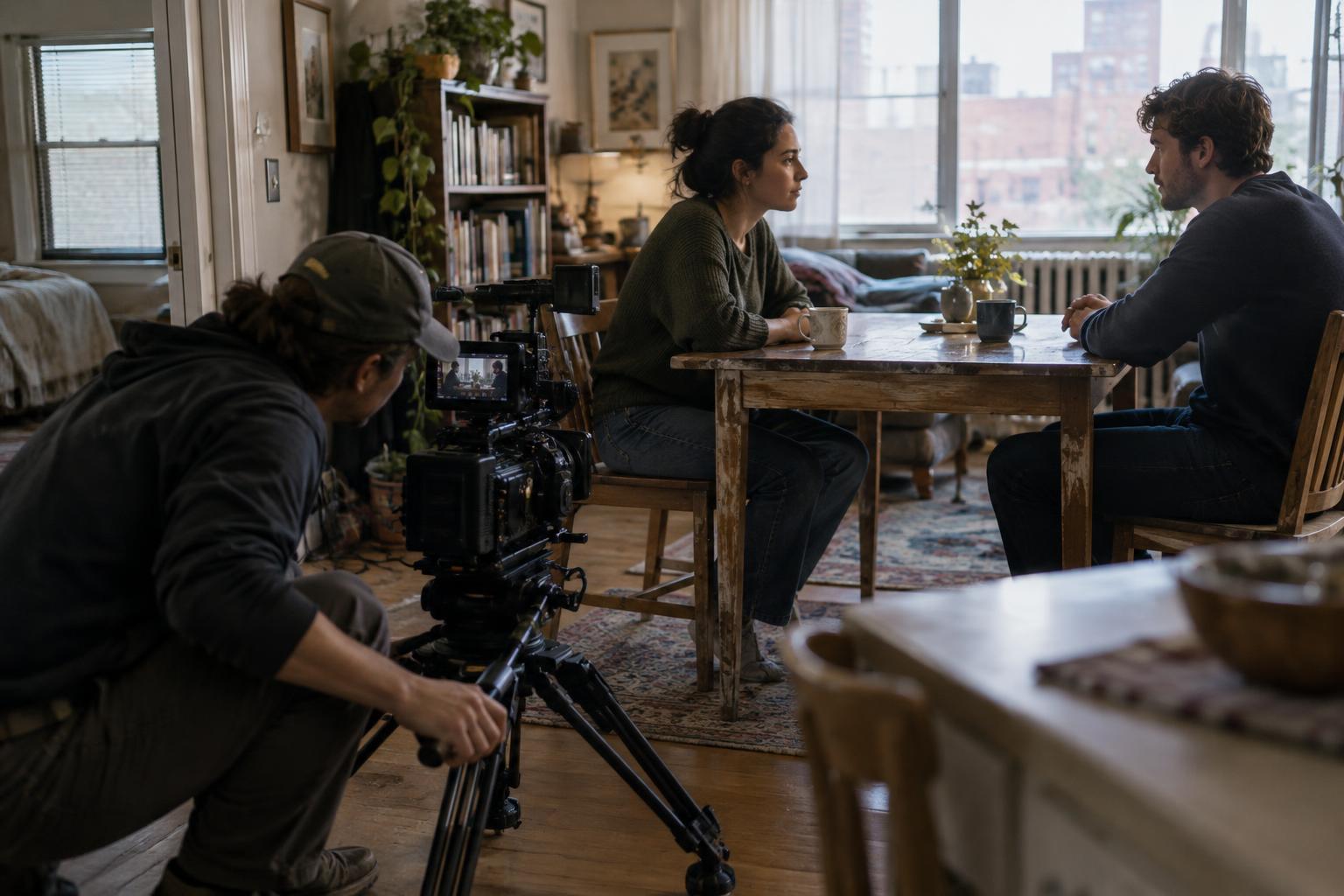
Camera LanguageCamera height can make a conversation feel equal, expose a character’s surroundings, or draw attention to a gesture. Learn how to choose a height that serves the scene rather than relying on a fixed rule.
Read article · 4 min↗
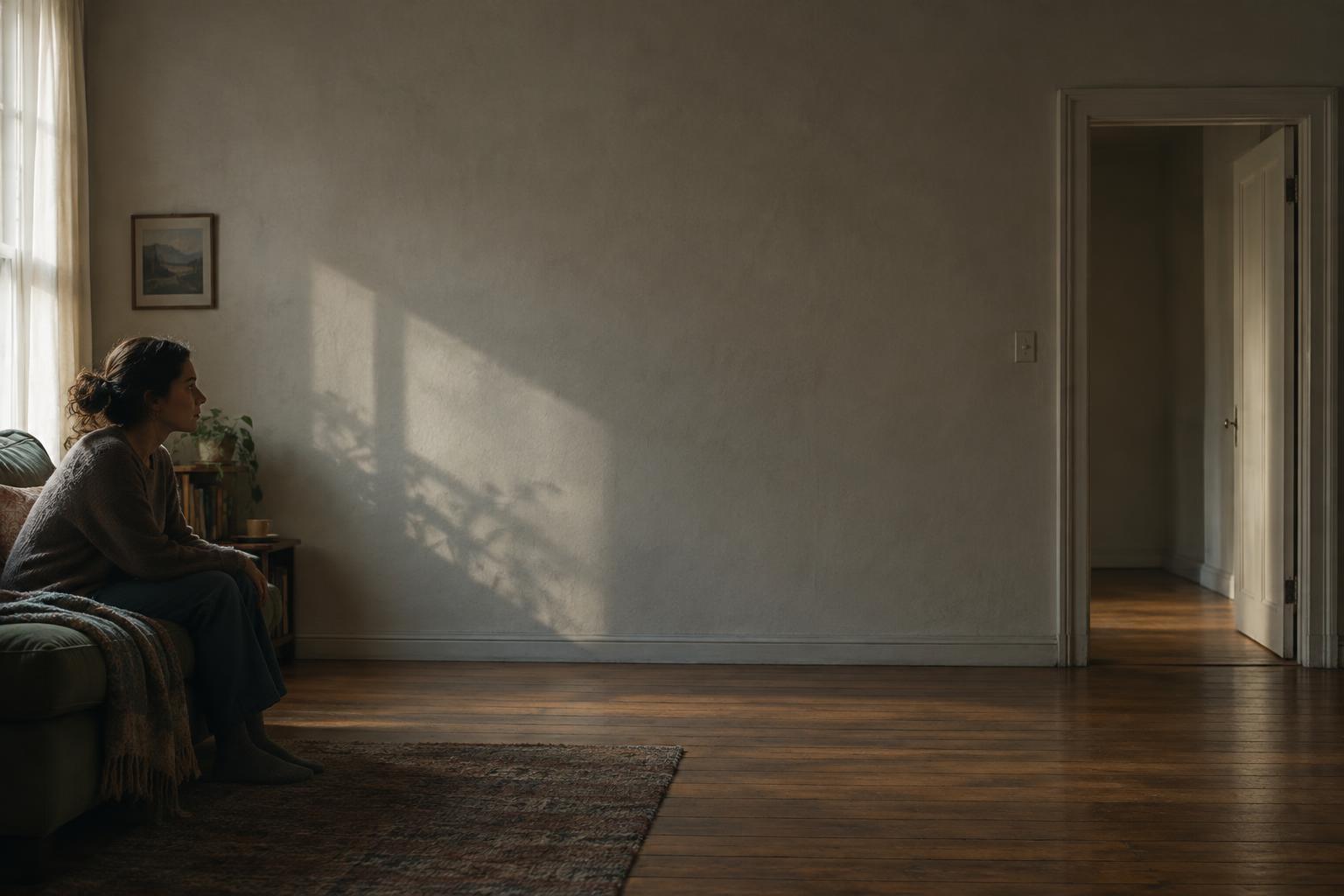
Camera LanguageThe empty areas of a frame can do more than make an image look balanced. Learn how negative space directs attention, suggests what might happen next, and changes the emotional weight of a shot.
Read article · 4 min↗

Camera LanguageShot-reverse-shot does more than show who is speaking. Camera position, eyelines, framing and the timing of each cut shape how an audience understands a conversation.
Read article · 4 min↗

Camera LanguageAn eyeline match connects a character’s glance to what they appear to see. Learn how framing, screen direction and editing make that connection clear—and when a filmmaker might deliberately leave it uncertain.
Read article · 4 min↗
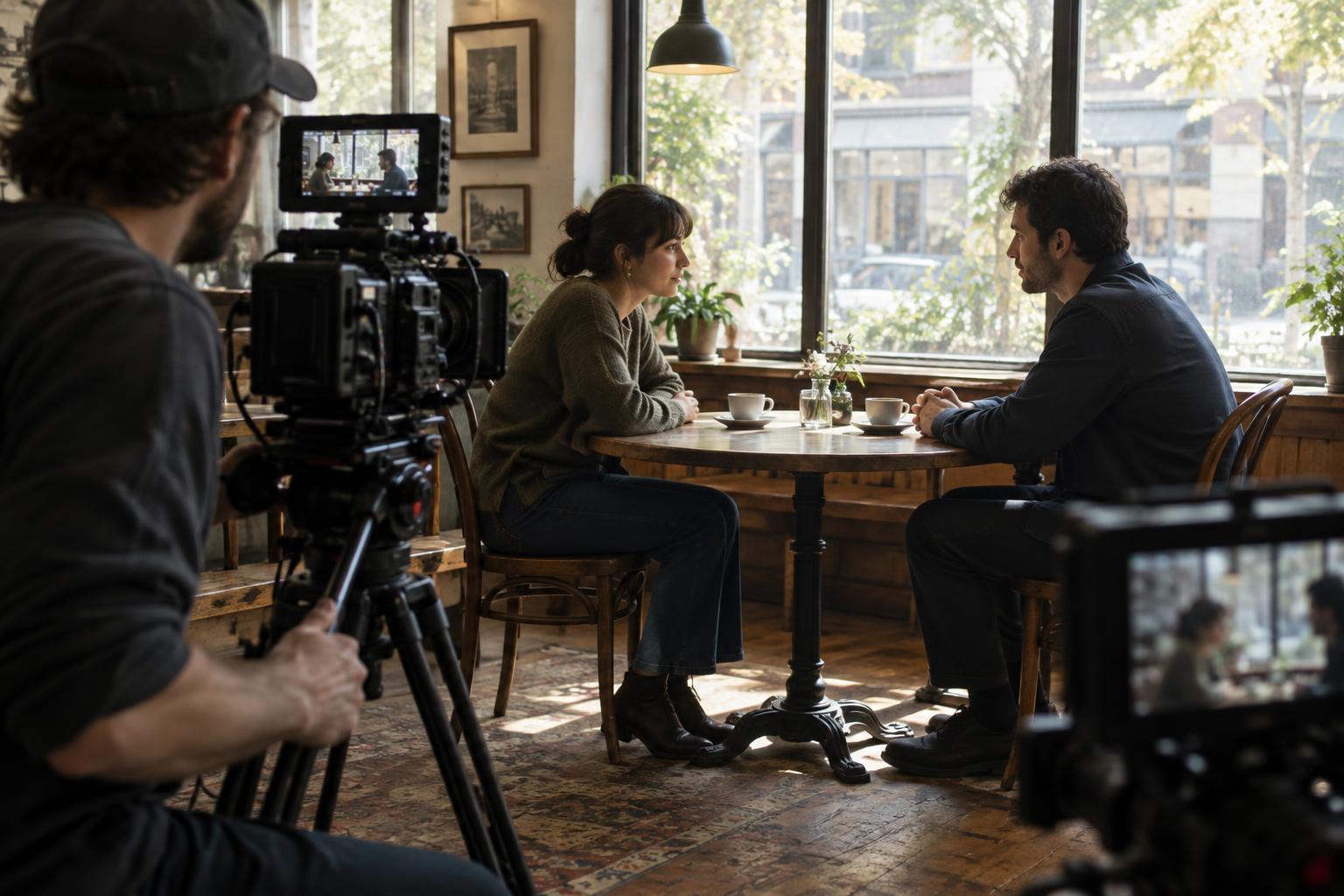
Camera LanguageThe 180-degree rule helps viewers understand where people and objects are in relation to one another. Learn how the axis of action shapes shot choices, why a line crossing can be disorienting, and when changing screen direction can serve the story.
Read article · 4 min↗

Camera LanguageDepth of field does more than soften a background. It shapes where viewers look, what they notice about a character’s surroundings, and when new information becomes clear. Learn how to make focus choices that serve the scene.
Read article · 4 min↗
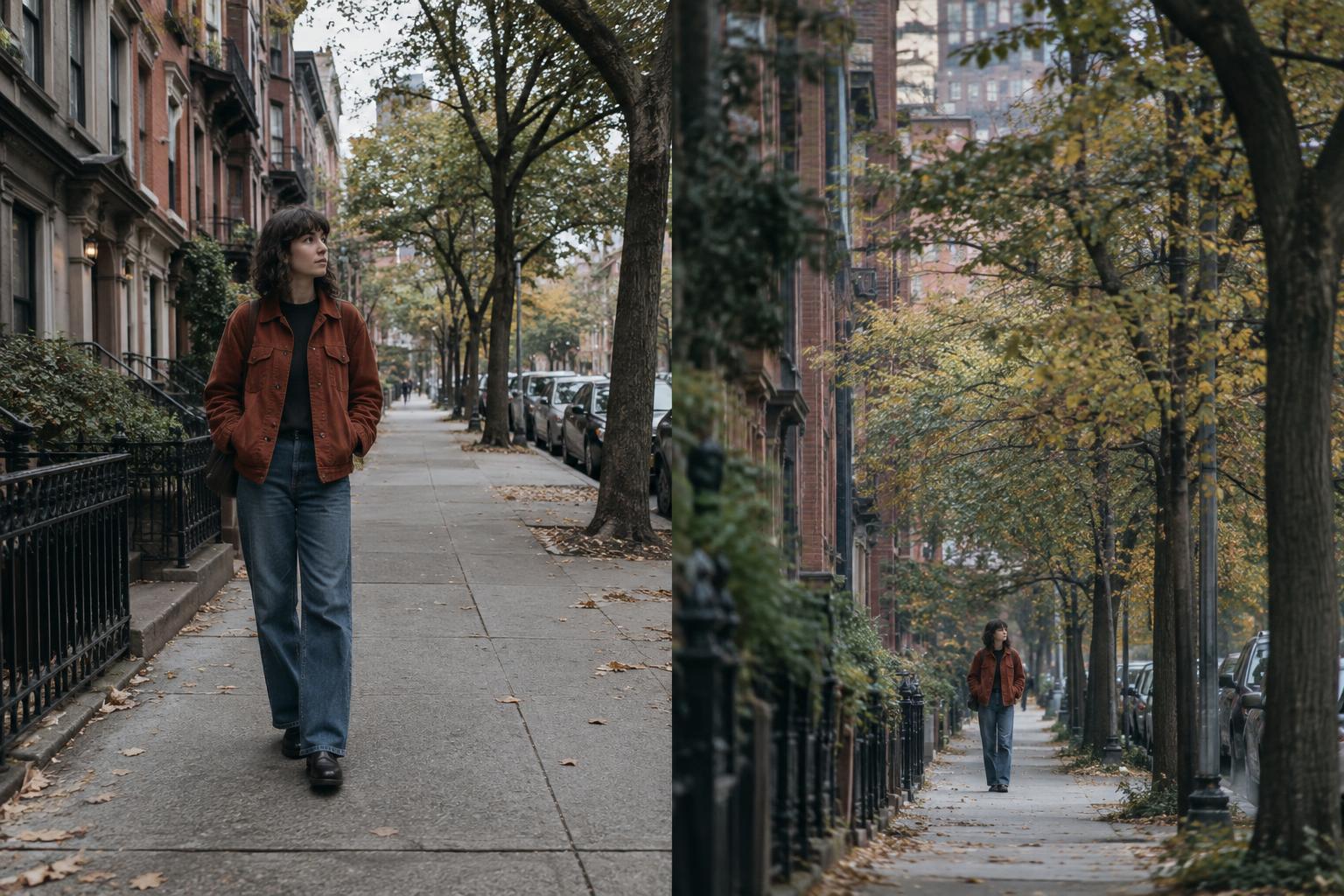
Camera LanguageWide lenses can make a scene feel open and immediate; telephoto lenses can make it feel crowded or distant. The crucial difference is not focal length alone, but how lens choice changes framing, camera position and the relationship between subjects and their surroundings.
Read article · 4 min↗
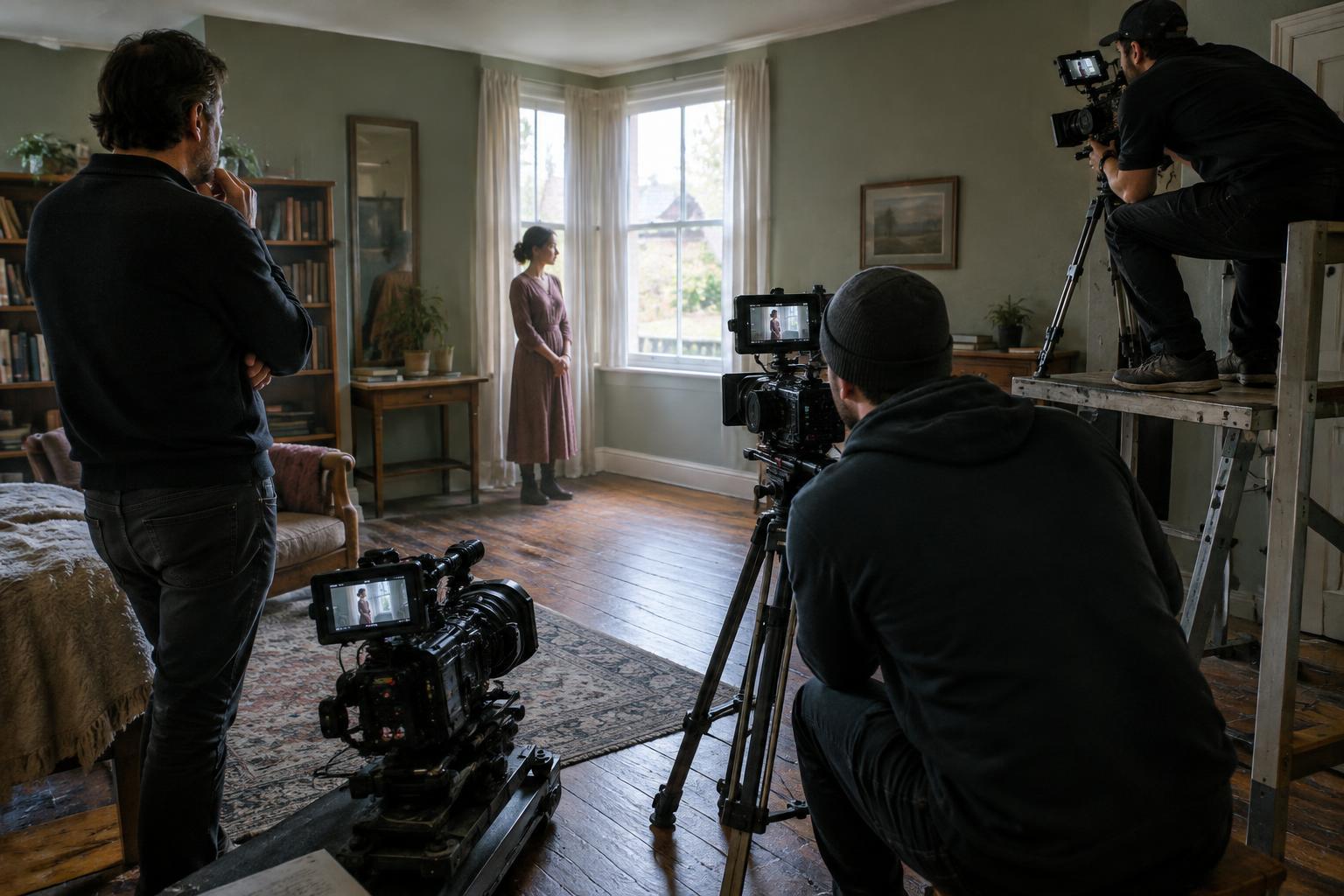
Camera LanguageA camera angle can change how a character feels in a scene, but no angle has a fixed meaning. Learn how high, low and eye-level views shape power, vulnerability and audience alignment—and how to choose an angle that serves the story.
Read article · 4 min↗

Camera LanguageWide, medium and close-up shots do more than show different amounts of a scene. Learn how each shot size shapes attention, relationships and emotion—and how to choose between them.
Read article · 4 min↗
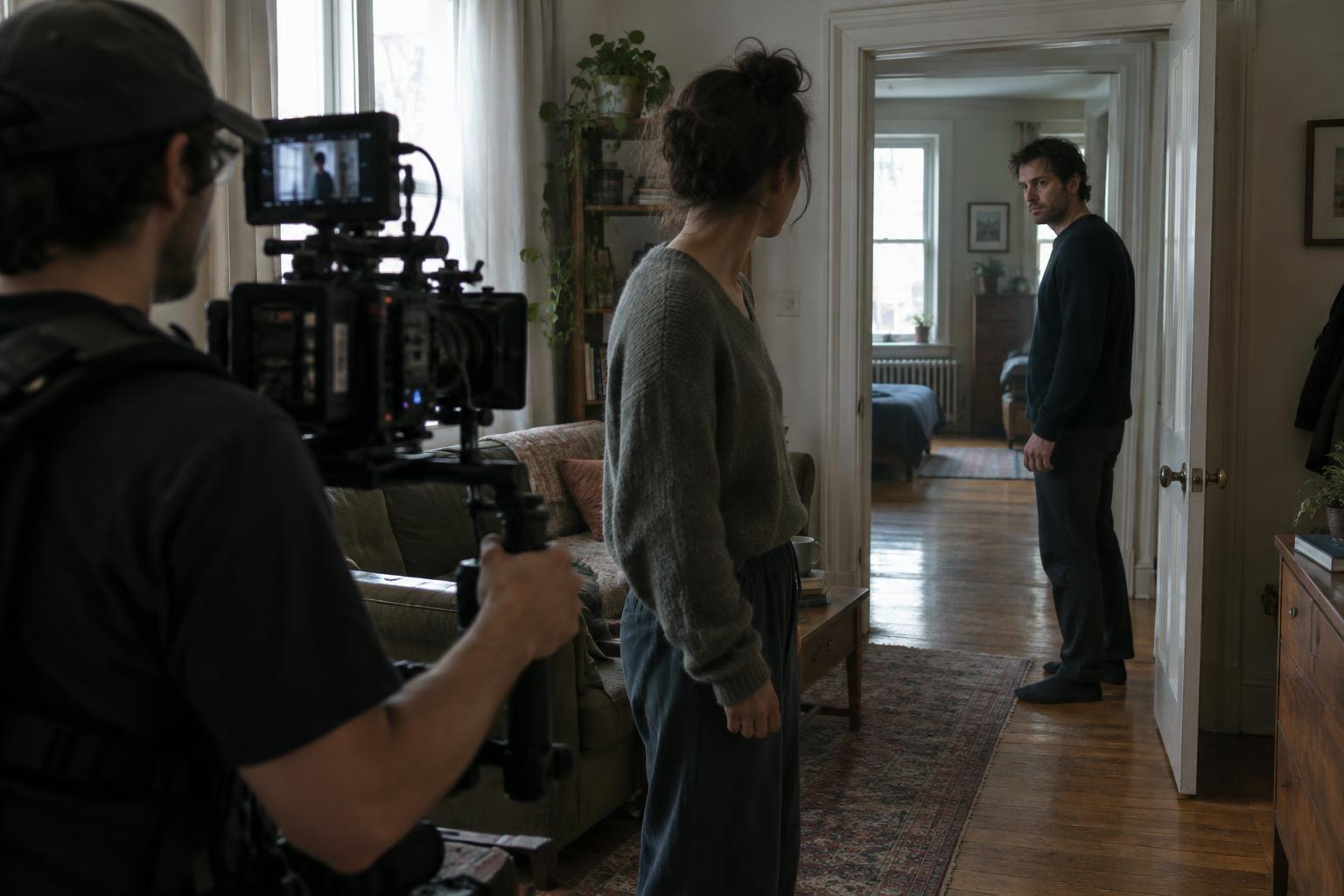 Camera Language